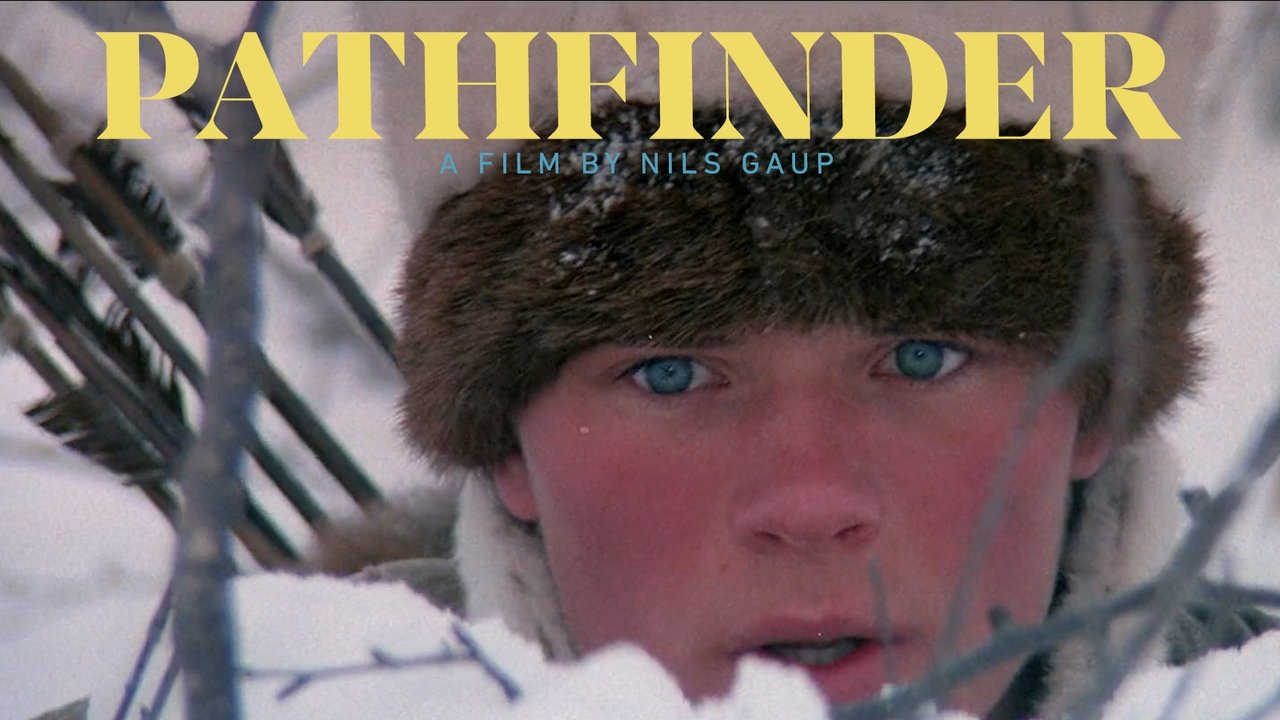
Okay, fellow tapeheads, settle in. Sometimes, digging through those towering shelves at the video store unearthed something utterly unexpected. Beyond the Stallone sequels and neon-drenched comedies, you’d occasionally find a tape with cover art that promised something… different. Stark, primal, maybe even a little intimidating. For many of us, Nils Gaup’s 1987 Norwegian masterpiece, Pathfinder (original title: Ofelaš), was exactly that kind of discovery – a blast of icy Arctic air cutting through the usual Hollywood fare.
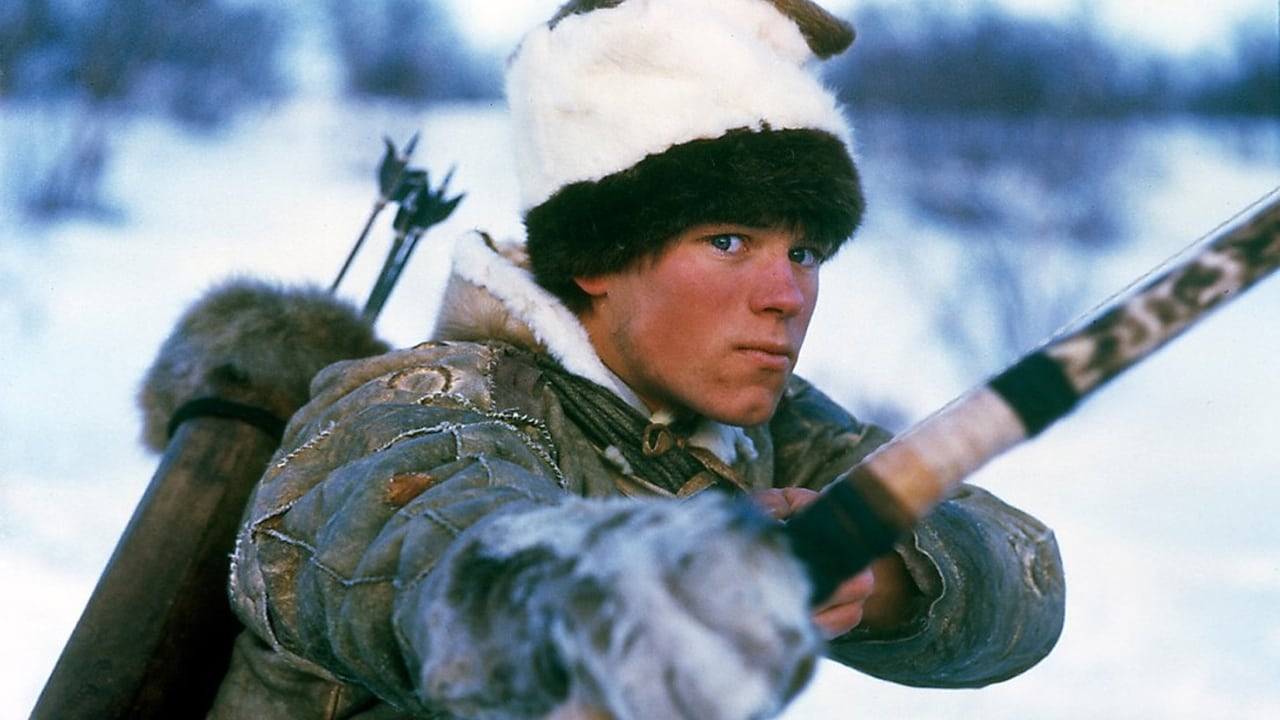
Forget the slick urban jungles or sun-drenched beaches; Pathfinder plunges us headfirst into the vast, unforgiving snowscapes of ancient Finnmark, somewhere around 1000 AD. It’s a landscape rendered with breathtaking beauty and terrifying indifference by director Nils Gaup, himself of Sámi heritage. This wasn't just a backdrop; it felt like another character, ancient and powerful. You could almost feel the biting wind whipping off the screen, even through the warm glow of a CRT.
A Legend Forged in Ice
The story, drawn from a 12th-century Sámi legend, is elegantly simple yet deeply resonant. We follow Aigin (Mikkel Gaup, the director's nephew, in a compelling debut), a young Sámi man whose family is brutally slaughtered by the Chudes, a merciless tribe of invaders depicted as almost elemental forces of destruction. Left alone in the wilderness, Aigin flees towards a neighboring Sámi settlement, the relentless Chudes hot on his trail. What unfolds is a desperate game of cat and mouse, a primal struggle for survival against both human cruelty and the harshness of nature itself.
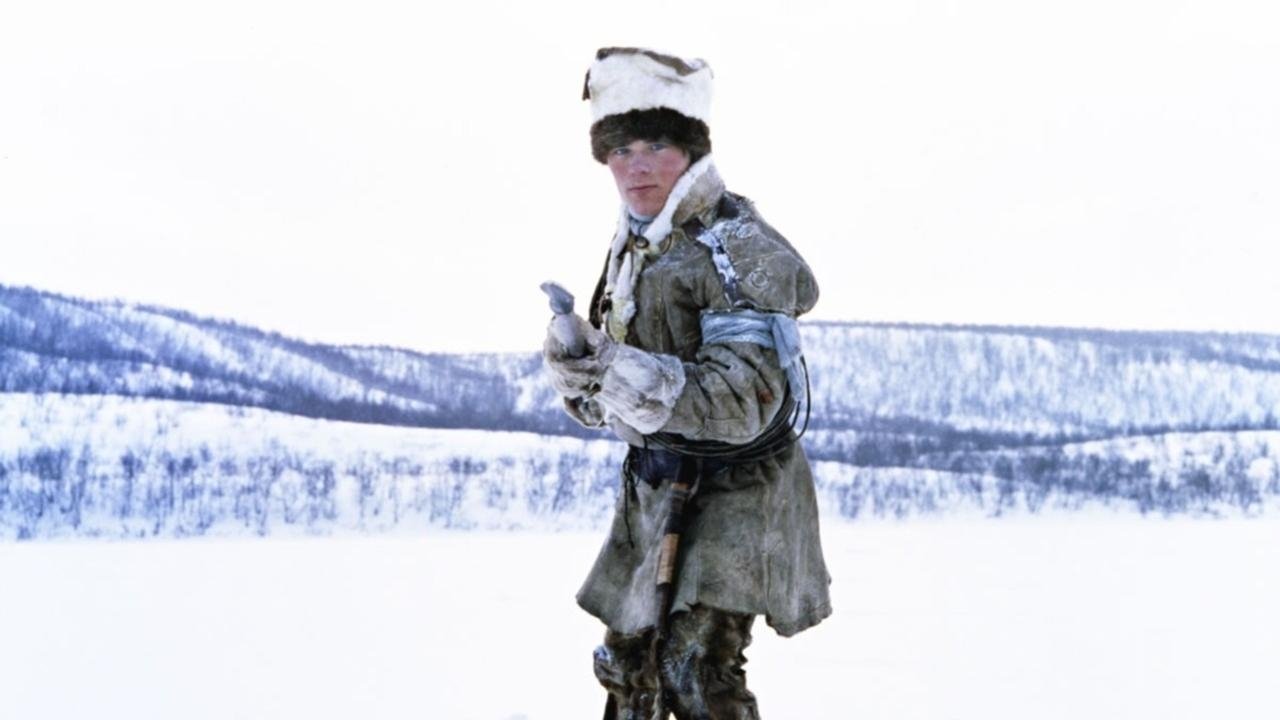
There’s a raw authenticity here that grabs you. This was famously the first full-length feature film ever shot in the Sámi language, a decision that grounds the narrative completely. Watching it back then, often subtitled, added to the feeling of being transported to a truly different time and place. The dialogue is sparse, often letting the vast, silent landscapes and expressive faces tell the story. The costumes, the reindeer-pulled sleds, the intimate glimpses into Sámi traditions – it all felt meticulously researched and respectfully portrayed, offering a window into a culture rarely seen on screen.
The Chill of the Chase
While steeped in history and culture, let's not forget: Pathfinder is also a remarkably effective action-thriller. Nils Gaup, who later lent his action chops to second-unit directing on Waterworld (1995), crafts sequences of incredible tension. The pursuits across the snow, the moments of hiding and evasion, the sudden bursts of brutal violence – they land with genuine impact. There’s a visceral quality to the action, free from excessive gloss. When someone falls through ice or takes an arrow, you feel the cold, the shock.
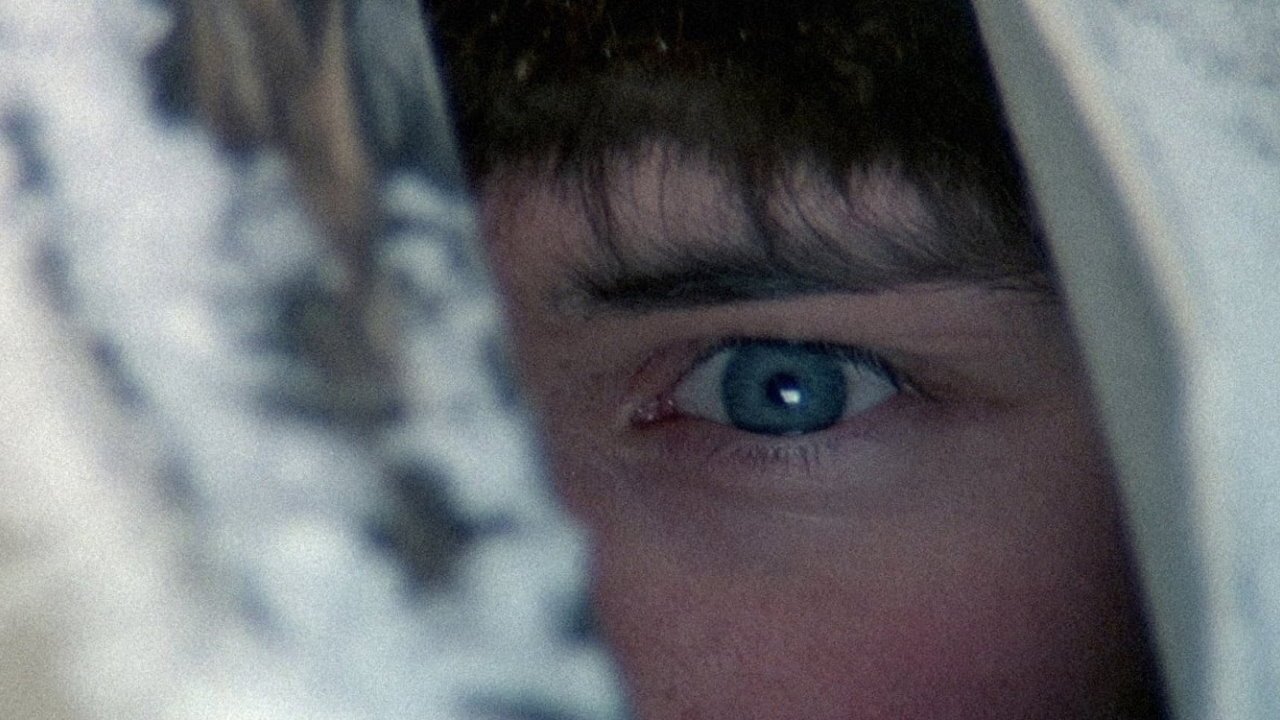
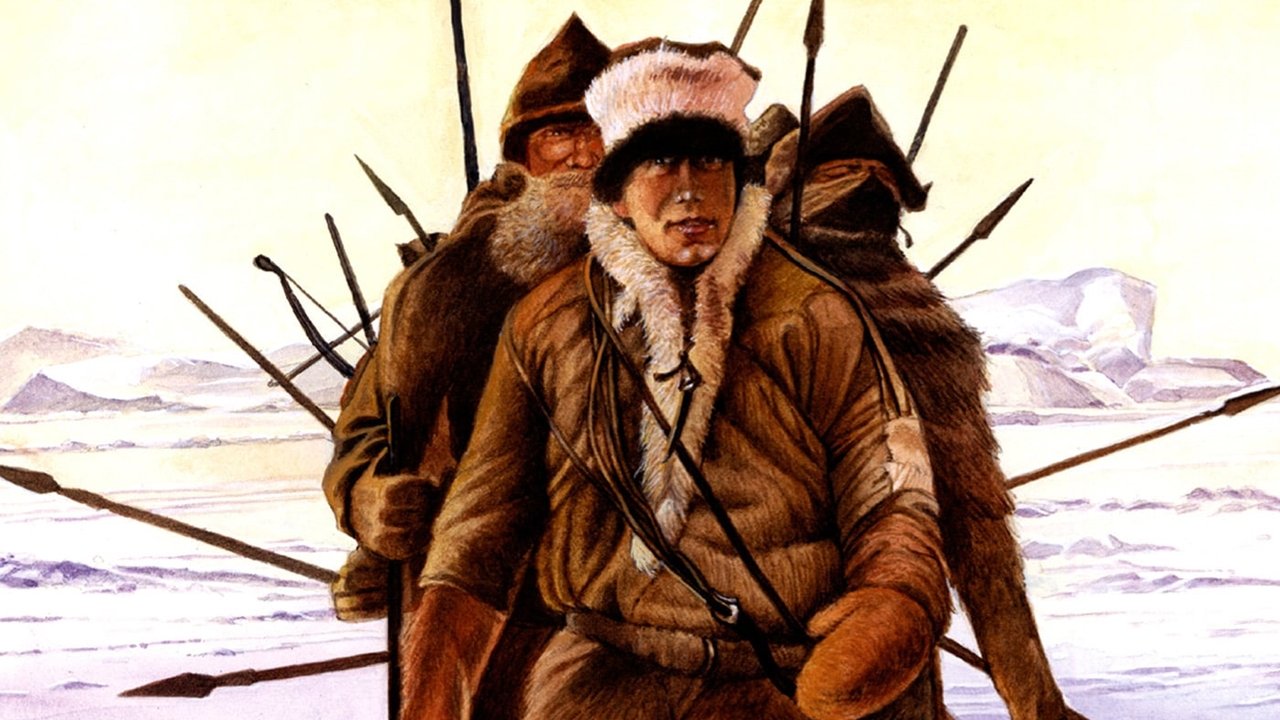
Mikkel Gaup carries the film admirably as Aigin. His transformation from terrified survivor to cunning strategist, using his deep knowledge of the land – the titular pathfinding skills – against his pursuers, is the heart of the film. The supporting Sámi cast, including Ingvald Guttorm and Nils Utsi, lend quiet dignity and strength to their roles. The Chude villains are perhaps less developed, functioning more as relentless antagonists, but their imposing presence and chilling war cries are undeniably effective.
Retro Fun Facts: Braving the Elements
Making Pathfinder was an adventure in itself. Shot on location in Kautokeino, Norway, during the dead of winter, the cast and crew endured temperatures plummeting to -47°C (-53°F)! Nils Gaup has spoken about the immense challenges – cameras freezing, equipment failing, the sheer physical toll on everyone involved. This struggle, however, arguably infuses the film with its palpable sense of realism and harsh beauty. It certainly wasn't faked on a sunny Hollywood backlot.
Despite its relatively modest budget (around $5 million USD, a fraction of contemporary Hollywood blockbusters), Pathfinder became a significant international success. It even snagged a surprise, but thoroughly deserved, Academy Award nomination for Best Foreign Language Film in 1988 (ultimately losing to Denmark's Babette's Feast). For a film spoken entirely in Sámi, originating from a legend centuries old, this was a remarkable achievement, bringing Sámi culture to global attention. It remains a cornerstone of indigenous filmmaking.
Echoes in the Snow
Watching Pathfinder today, its power remains undiminished. The stunning cinematography captures the stark majesty of the Arctic like few films before or since. The pacing is deliberate, building suspense gradually towards a truly clever and satisfying climax (no spoilers, but Aigin's ultimate strategy is brilliant). It’s a story about courage, resilience, and the deep connection between people and their environment. Sure, by modern standards, some characterizations might feel a touch archetypal, but the film’s elemental force and unique cultural perspective more than compensate. It resonates on a level that transcends language barriers.
For those of us who stumbled upon that distinctive VHS box art years ago, perhaps nestled between predictable action flicks, Pathfinder was a revelation. It was proof that powerful stories could come from anywhere, told in any language, and transport us to worlds utterly unlike our own. It was a reminder of cinema's ability to be both thrilling entertainment and a vital cultural document.
VHS Heaven Rating: 9/10
This score reflects the film's stunning visual artistry, gripping tension, cultural significance, and sheer uniqueness within the 80s cinematic landscape. It's a near-perfect execution of a primal survival story, elevated by its authentic Sámi perspective and breathtaking Arctic setting. A true gem that felt special the moment you slid that tape into the VCR.
Pathfinder isn't just a movie; it's an experience – a chilling, beautiful, and ultimately triumphant journey into the heart of the Arctic north, and a standout discovery from the golden age of video rentals.