Okay, let's settle in and talk about a film that washes over you with beauty before hitting with the force of an unexpected wave: Ridley Scott's White Squall from 1996. It's a curious entry in Scott's filmography, isn't it? Nestled between projects like Thelma & Louise and G.I. Jane, this sea-faring drama based on harrowing true events feels both grandly cinematic and deeply personal. Seeing that worn VHS box again, maybe with the Blockbuster sticker still half-peeled on the spine, definitely brings back a specific feeling – a promise of adventure tinged with something more profound.
Beyond the Horizon
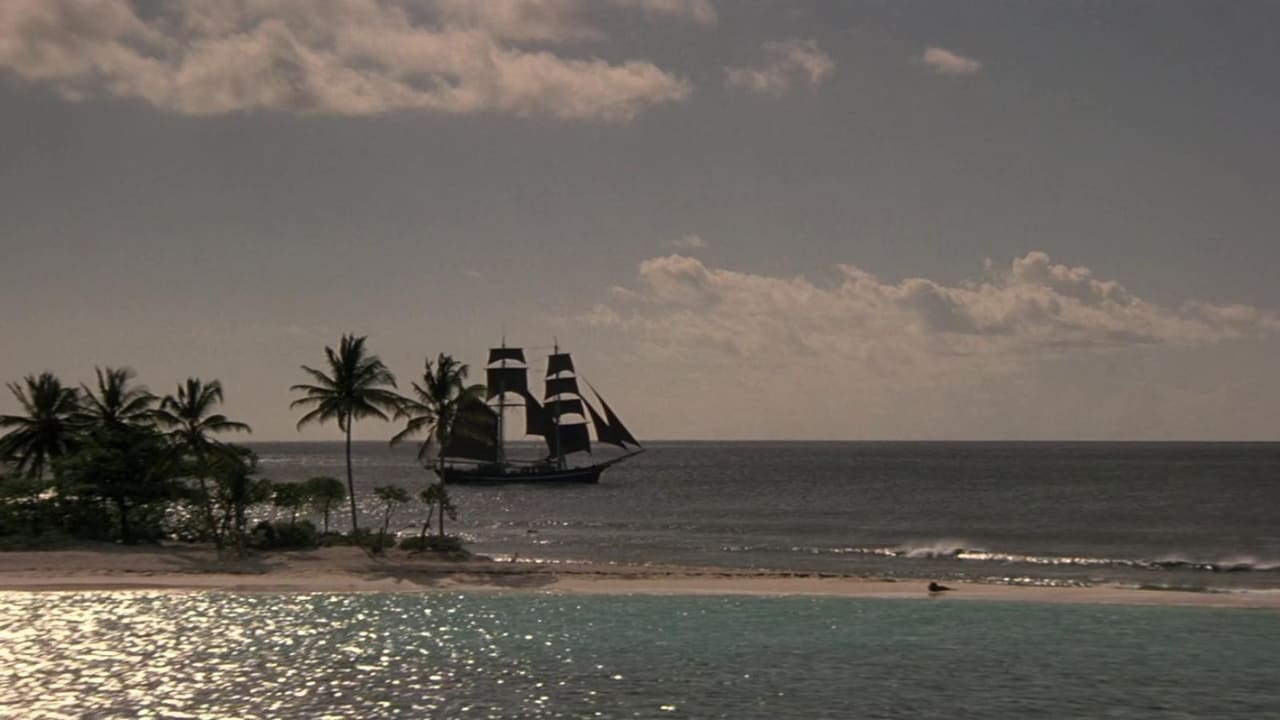
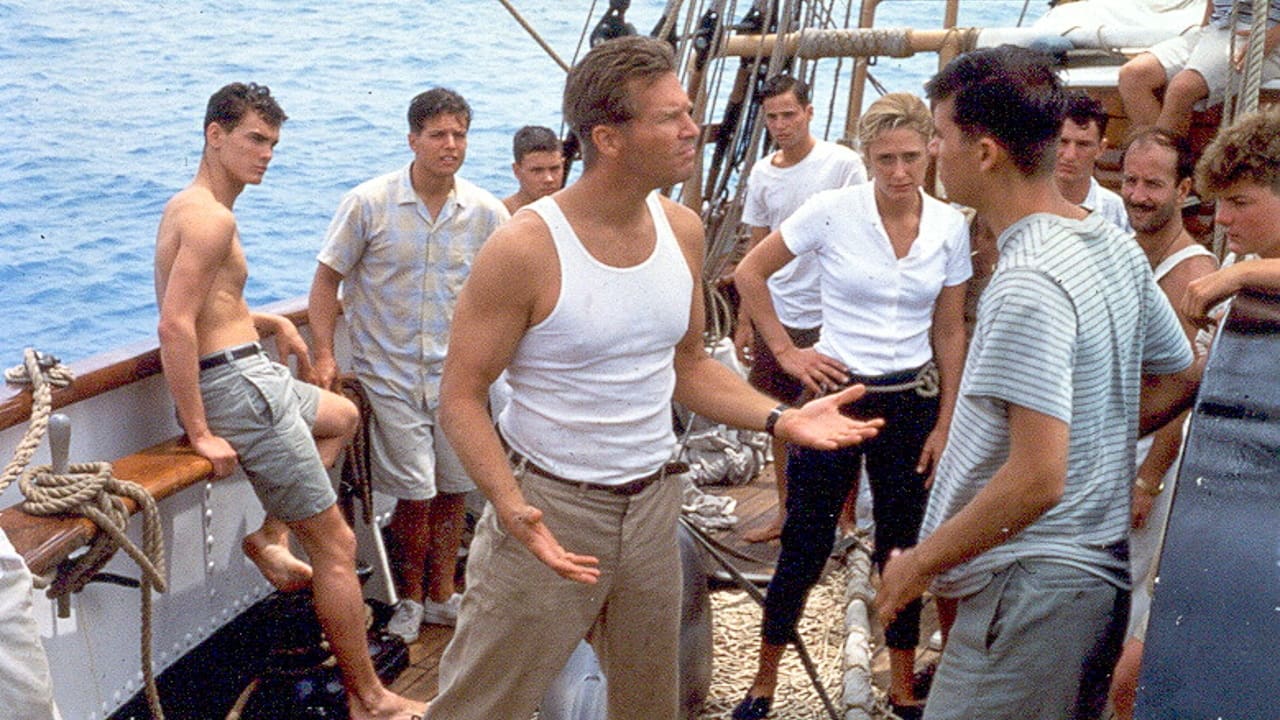
What immediately strikes you watching White Squall again is its sheer visual scope. Scott, ever the master stylist, captures the allure and menace of the ocean with breathtaking beauty. The film follows a group of disparate high school boys spending a year aboard the brigantine sailing ship, the Albatross, under the tutelage of Captain Christopher Sheldon, known as 'Skipper', and his wife, Dr. Alice Sheldon, who serves as the ship's doctor and teacher. It's essentially a floating classroom, a crucible designed to forge character through discipline, teamwork, and confronting the vast indifference of nature. The premise itself, based on the tragic 1961 sinking of the real Albatross, lends an immediate weight to the proceedings. You know something is coming, a sense of foreboding that hangs in the salty air even amidst scenes of camaraderie and youthful discovery.
The Captain and His Crew
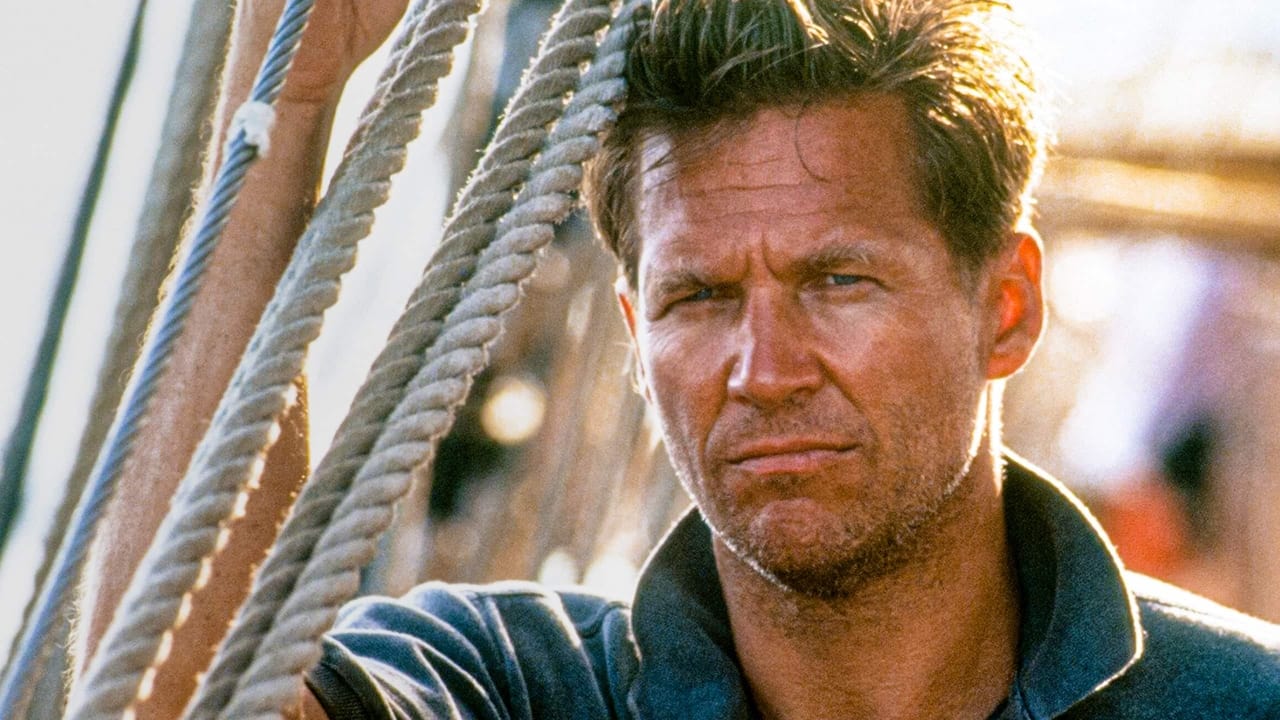
At the heart of the film is Jeff Bridges as Skipper. Bridges delivers a performance of sturdy, quiet authority mixed with a palpable vulnerability. He's the demanding father figure, pushing these boys – who range from the privileged and arrogant to the troubled and insecure – towards manhood. It’s a role that could easily slip into caricature, but Bridges grounds Skipper in a believable sense of duty and flawed humanity. His chemistry with Caroline Goodall as Alice provides the film's emotional anchor; she’s not just the supportive wife but an integral part of the educational and emotional journey, often seeing the boys with a clarity Skipper sometimes lacks.
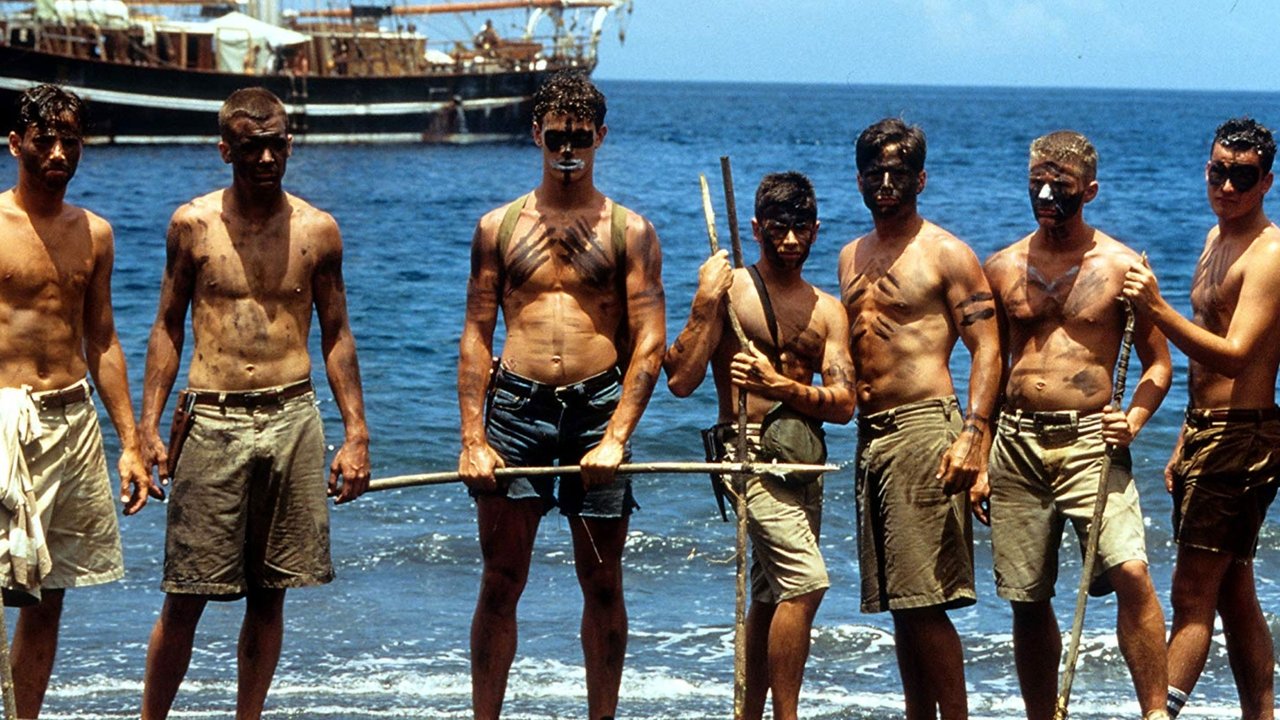
The young cast, featuring familiar faces like Scott Wolf, Ryan Phillippe, Jeremy Sisto, and Balthazar Getty, does a solid job portraying the archetypal struggles of adolescence against this extraordinary backdrop. While some characters feel more developed than others – a common challenge with ensemble casts – they effectively convey the bonding, rivalries, and eventual shared trauma that define their experience. You see the awkwardness, the bravado, the fear – it feels authentic to that volatile period of life, amplified by the unique pressures of their environment.
Riding Out the Storm
Let's talk about the titular event. The white squall sequence remains a stunning, terrifying piece of filmmaking. Scott orchestrates chaos with masterful precision. The sudden shift from relative calm to utter pandemonium is visceral. One minute the boys are managing the sails, the next the sky turns an unnatural colour, and the sea erupts. The practical effects, combined with sophisticated (for the time) digital augmentation and clever model work, create a sequence that still holds up remarkably well. Reportedly, filming this required constructing one of the largest indoor water tanks in Malta, capable of holding 1.8 million gallons, and using massive wave machines and wind generators. You feel the terrifying power of the water, the splintering wood, the sheer helplessness against nature's fury. It’s a sequence Scott reportedly spent five weeks shooting.
(Mild Spoilers Ahead regarding the storm's immediate aftermath)
The aftermath is where the film finds its deeper resonance. The shock, the grief, the sudden, brutal loss – it shifts the narrative from a coming-of-age adventure to a somber reflection on responsibility and survival. The subsequent inquiry forces Skipper, and the audience, to confront difficult questions about leadership, judgment, and the unpredictable nature of fate. Was anyone truly at fault, or was it simply a tragic encounter with an unstoppable force?
Navigating the Waters of Memory
White Squall wasn't a box office smash ($10.3 million gross against a $38 million budget, roughly $72 million today), perhaps because it defied easy categorization. It wasn't just an action film, nor purely a teen drama. It aimed for something more elegiac, a tribute to those lost and an examination of the burdens carried by survivors. Writer Todd Robinson adapted the story from the book The Last Voyage of the Albatross by Chuck Gieg, one of the actual survivors, lending the script an air of authenticity. The real Captain Sheldon even served as a technical advisor, adding another layer of veracity, though some survivors later contested aspects of the film's portrayal.
Watching it now, decades removed from its release, the film feels like a poignant time capsule. It captures that specific 90s earnestness, tackling serious themes without overt cynicism. The score by Jeff Rona beautifully complements both the majesty of the sea and the emotional weight of the story. It’s a film that asks us to consider the moments that irrevocably change us, the bonds forged in adversity, and how we navigate the unpredictable storms of life.
Rating and Final Thoughts
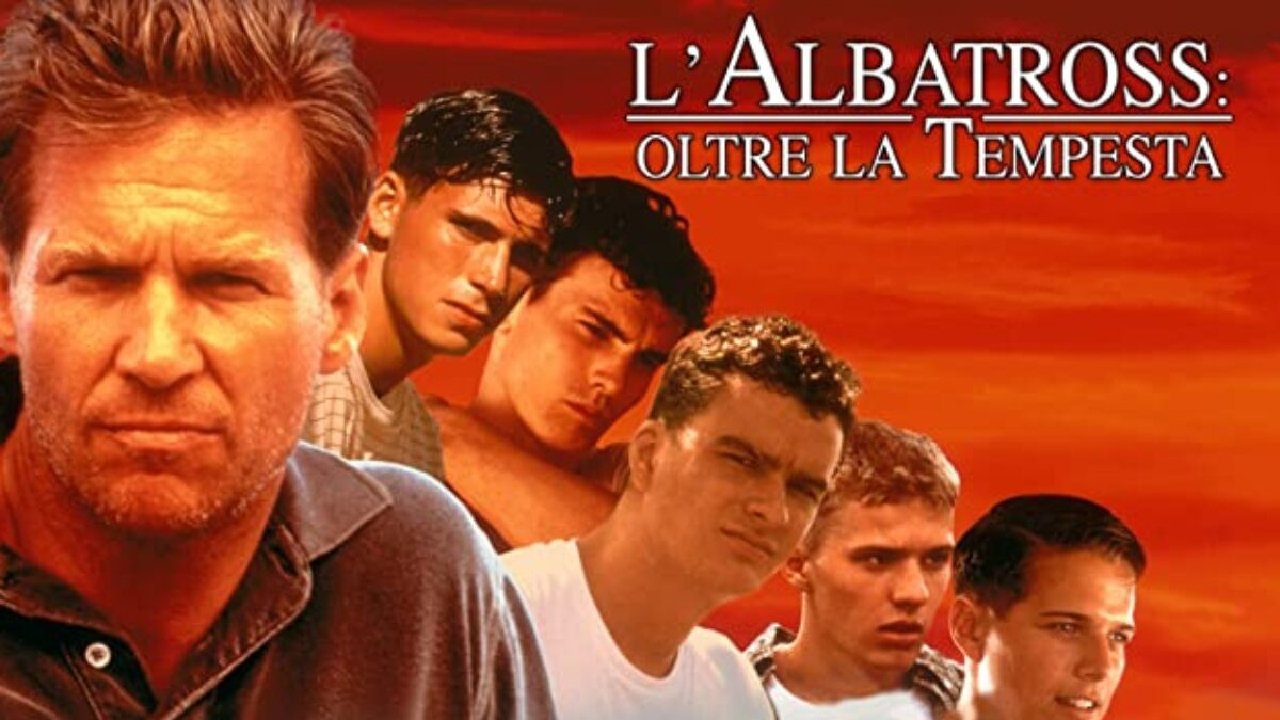
White Squall is a visually stunning, emotionally resonant film anchored by a superb performance from Jeff Bridges and featuring a truly harrowing central sequence. While the large ensemble means some character arcs feel thinner than others, and the pacing occasionally dips, its thematic depth and respectful handling of the true story leave a lasting impression. It captures the grandeur and danger of the sea alongside the complexities of growing up and facing tragedy.
Rating: 7.5/10
It’s a film that stays with you, much like the memory of a powerful storm encountered long ago. It doesn’t offer easy answers, but instead invites reflection on courage, loss, and the indelible marks left by life-altering experiences – a journey well worth taking, even if you know rough seas lie ahead. Did this one leave a similar mark on you back in the day?