The electric chair hums, not with power, but with a sickening finality. It’s an image burned into the start of The Crow: Salvation, a promise of injustice served cold and a darkness that clings long after the initial shock. Released in 2000, just as the flickering glow of the VHS era was beginning to fade into the sharper gleam of DVD, this third flight for the vengeful spirit felt different. It arrived not with the tragic mystique of the original, nor the stylized grime of its first sequel, but with a weary sense of obligation, landing mostly direct-to-video in the States after a quiet international theatrical bow. Yet, even in its diminished form, the core mythos retains a certain pull, a grim allure rooted in love, loss, and brutal retribution.
A Different Kind of Darkness
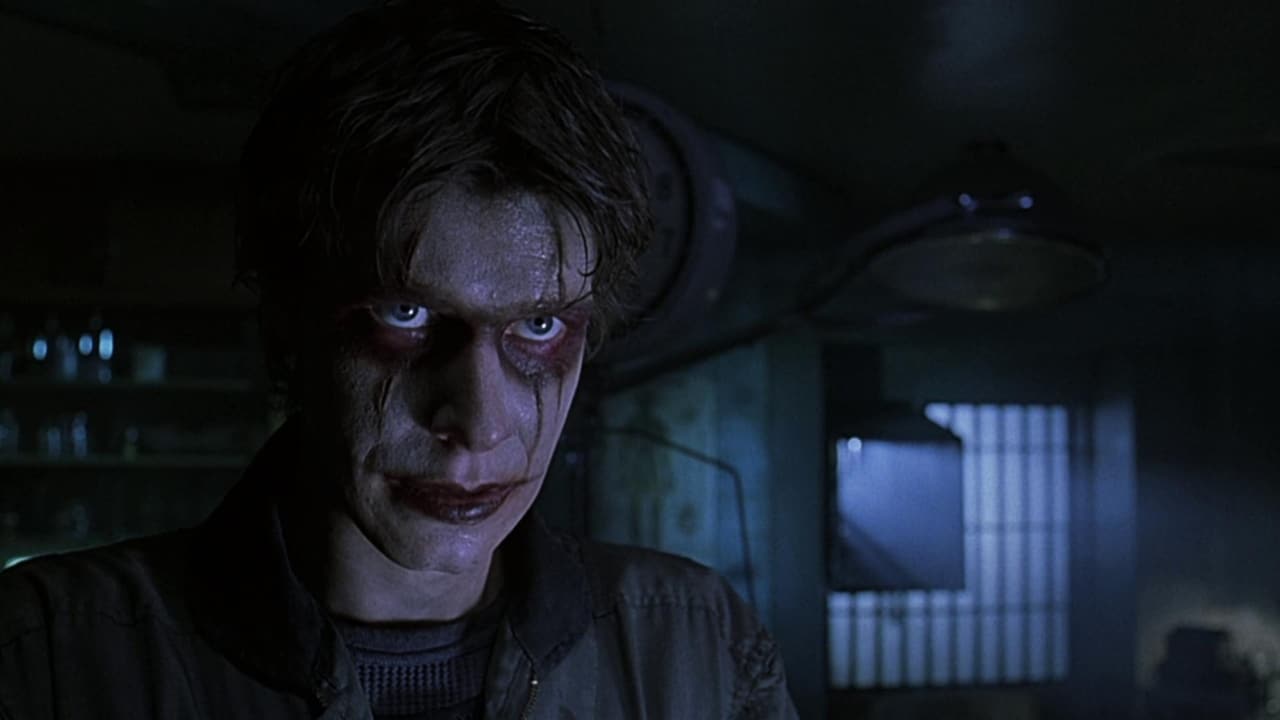
This time, the mantle falls upon Alex Corvis (Eric Mabius), framed for the savage murder of his girlfriend, Lauren Randall (Jodi Lyn O'Keefe). His execution is swift, brutal, and deeply unjust. Naturally, the crow finds him, pulling his soul back from the abyss to stalk the rain-slicked streets – this time, Salt Lake City standing in for the perpetual night of Detroit or Los Angeles. His mission: unravel the conspiracy of corrupt cops who silenced Lauren and sent him to the chair, all while protecting Lauren's younger sister, Erin, played by a then-ascendant Kirsten Dunst. The setup is classic Crow: a righteous quest fueled by anguish, marked by stark black and white flashbacks and punctuated by bursts of supernatural violence.
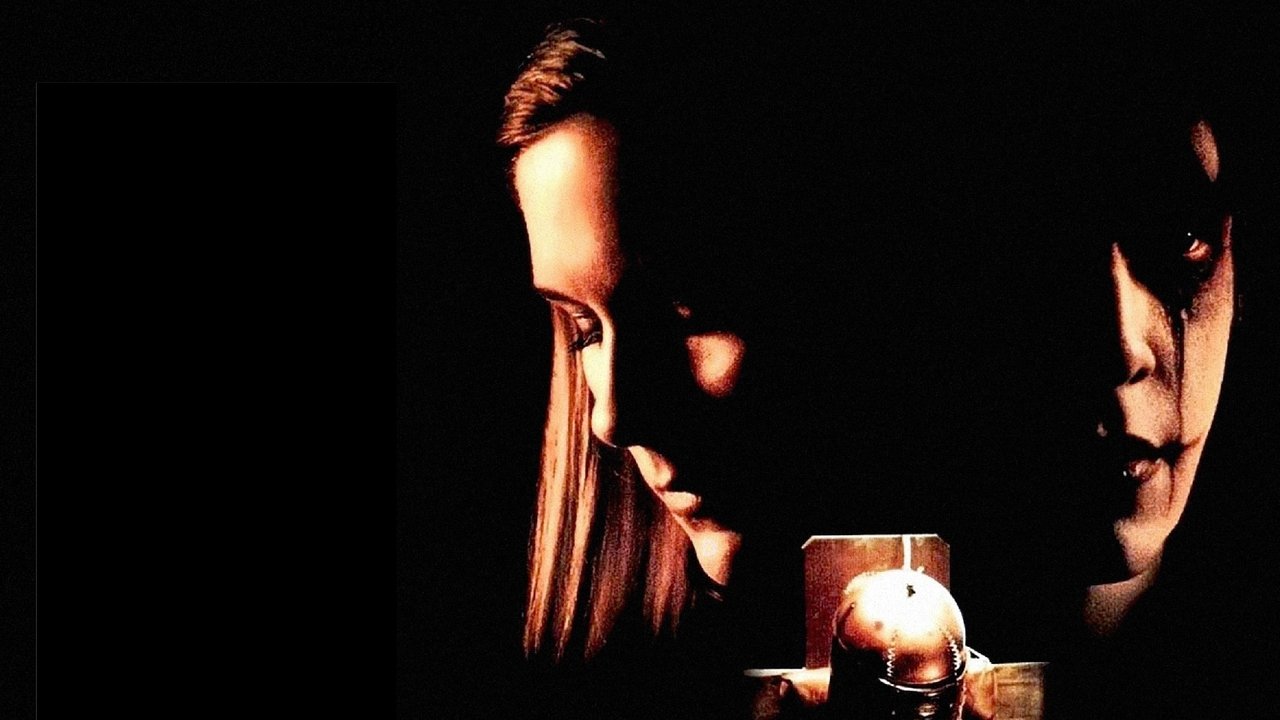
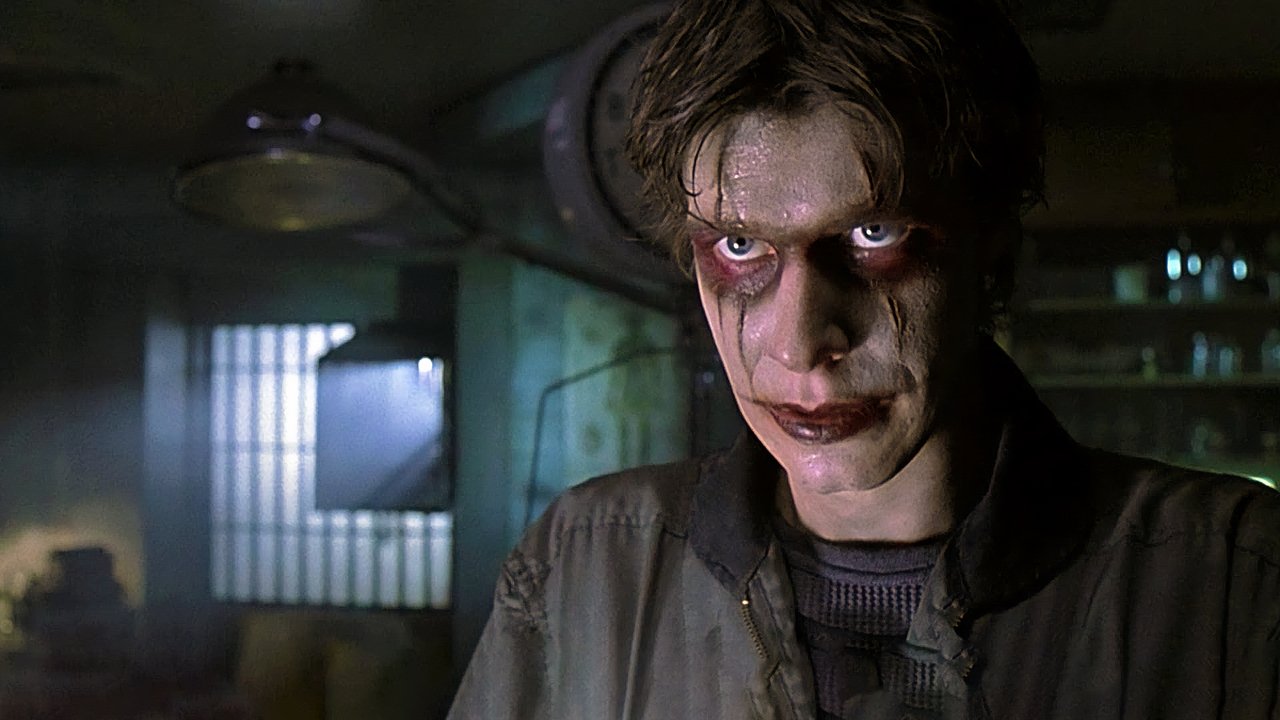
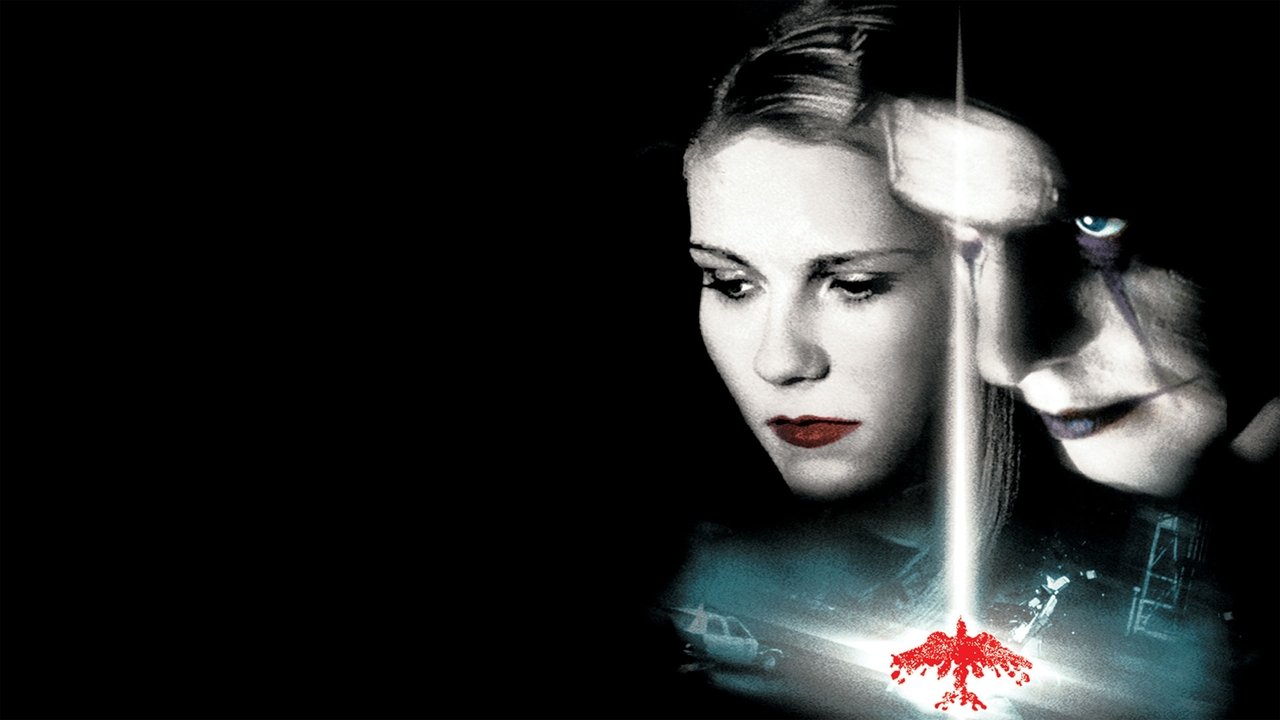
Eric Mabius, known later for TV roles like Ugly Betty, steps into daunting shoes. He wisely doesn't imitate the legendary Brandon Lee. Instead, his Corvis carries a more grounded bewilderment mixed with simmering rage. There's a vulnerability beneath the makeup, a sense that this avenger is still grappling with the sheer cosmic unfairness of it all. While he lacks Lee's ethereal grace or Vincent Perez's brooding intensity from City of Angels, Mabius delivers a committed performance that anchors the film. Seeing Kirsten Dunst here, navigating roles between teen fare like Bring It On and more complex work like The Virgin Suicides, is a reminder of her early versatility. She brings a necessary emotional counterpoint to Corvis's quest, though the script doesn't always give her enough to chew on.
Shades of Grey in a Black and White World
Director Bharat Nalluri, who would later find success with films like Miss Pettigrew Lives for a Day, works admirably within the reported $10 million budget constraints. The film lacks the distinctive gothic operatics of Alex Proyas's original masterpiece or the sprawling, decaying beauty of Tim Pope's sequel. Salvation feels… cleaner. More conventional. The visual palette leans towards blues and greys, the action staged with competency but rarely achieving the poetic brutality that defined the first film. Salt Lake City offers a different kind of urban landscape, less overtly stylized, perhaps reflecting the more grounded conspiracy plot. Yet, something of the signature Crow atmosphere feels diluted, traded for a more standard revenge thriller framework. Doesn't that almost procedural feel slightly undercut the mystical core?
The supporting cast boasts reliable character actors doing what they do best. Fred Ward (Tremors, Remo Williams: The Adventure Begins) brings his usual gruff authority as Erin's concerned father figure, Captain John L. Book. And then there's William Atherton. Seeing him appear as Nathan Randall, Lauren and Erin's father, feels almost like a genre requirement. The man who gave us Walter Peck in Ghostbusters (1984) and Richard Thornburg in Die Hard (1988) is once again embodying institutional corruption and smarmy deceit. It’s typecasting, perhaps, but undeniably effective. You just know he’s involved the moment he appears on screen.
Echoes in the Alleyways
While it may lack the iconic status of its predecessors, The Crow: Salvation does attempt to explore the mythology. The conspiracy involving crooked cops and hidden evidence feels less personal, perhaps, than the street-level thuggery of the first film, moving the narrative into slightly different territory. The core themes of love enduring beyond death and the quest for truth remain intact, even if the execution feels more workmanlike. Some interesting trivia surrounds its creation; comic creator James O'Barr reportedly had more input on this script initially compared to City of Angels, though how much of his vision survived the development process is debatable. The film’s journey straight to video shelves in the US, bypassing a wide theatrical release, likely spoke volumes about the studio's confidence at the time, slotting it firmly into that late-90s/early-00s category of franchise entries that felt more like brand maintenance than cinematic events. I distinctly remember seeing the box art appear on the rental store shelf, a familiar logo promising darkness, but the buzz felt muted compared to the anticipation that surrounded the first two.
The practical effects, particularly the makeup and Corvis's healing abilities, are handled serviceably, though they lack the visceral impact or unsettling quality often found in earlier genre films of the VHS heyday. The action sequences are competent but rarely innovative, relying on standard shootouts and chases rather than the more balletic or inventive violence sometimes associated with the character. It functions, but seldom truly sings in the way the original did.
Final Verdict
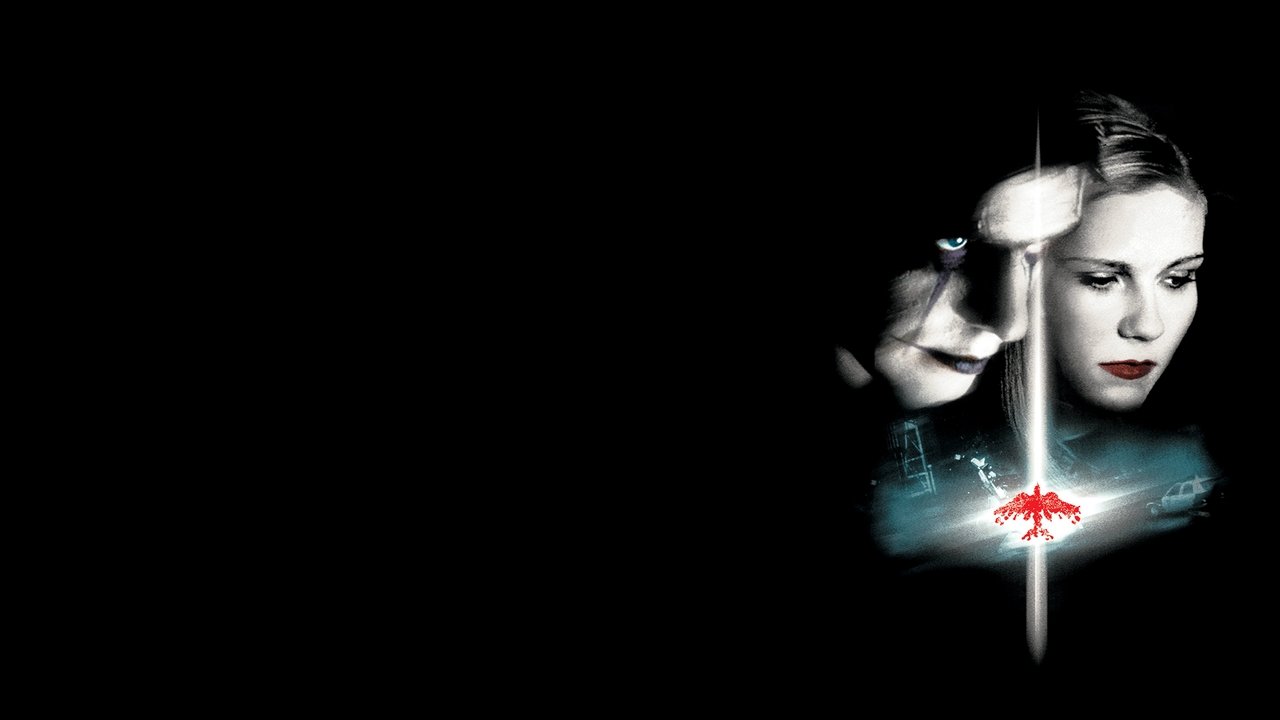
The Crow: Salvation is often regarded as the point where the franchise truly lost its way, and it's hard to argue against that entirely. It lacks the groundbreaking visual style, the raw emotional power, and the tragic real-world resonance of the 1994 original. However, viewed on its own terms, particularly through the nostalgic lens of late-era VHS/early DVD releases, it’s a competent and occasionally engaging supernatural thriller. Eric Mabius gives a sympathetic performance, Kirsten Dunst offers glimpses of her burgeoning talent, and the core concept retains its dark appeal. It’s just… less. Less stylish, less impactful, less essential.
Rating: 4/10
The score reflects a film that fulfills the basic requirements of a Crow sequel but fails to capture the magic or menace of what came before. It’s competently made but ultimately derivative and forgettable, lacking the atmospheric depth and unique identity that made the original a gothic touchstone. For die-hard fans of the Crow mythos or completists hunting down every iteration on tape or disc, it offers a couple of hours of familiar themes, but it remains firmly in the shadow of its predecessors – a faint echo rather than a resonant cry in the night.