Alright, fellow tapeheads, settle in. Dim the lights, maybe crack open a dusty can of something vintage, because tonight we're diving headfirst into a post-apocalyptic wasteland that only the mid-90s could deliver: the live-action Fist of the North Star (1995). You remember this one, right? Sitting there on the shelf at Blockbuster, maybe tucked between a Van Damme flick and something starring Lorenzo Lamas, its cover art promising a level of martial arts mayhem that seemed almost mythical. Trying to bring one of the most iconic, hyper-violent manga and anime series ever conceived to life with real actors? On a budget that probably wouldn't cover the catering on a modern superhero film? Bless their cotton socks, they actually tried it.
Wasteland Warriors on a Budget
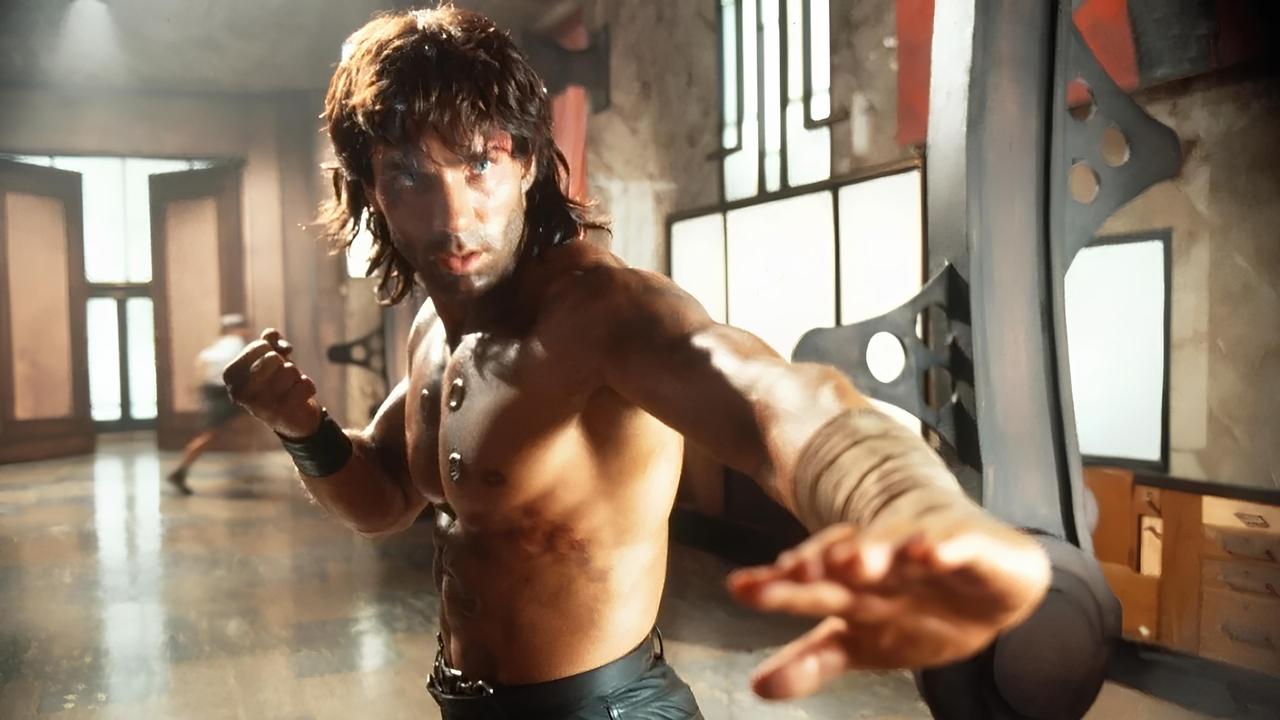
Let's set the scene: nuclear war has scorched the Earth, leaving behind deserts, ruins, and roaming gangs preying on the weak. Into this charming landscape walks Kenshiro (Gary Daniels), the stoic successor to the deadly assassination art of Hokuto Shinken, searching for his kidnapped fiancée Julia (Isako Washio) and squaring off against his power-hungry "brother" Shin (Costas Mandylor). Sound familiar? The core plot beats are there, transplanted from Japan to… well, probably some very affordable California desert locations like Red Rock Canyon State Park, doing their best impression of Armageddon chic.
Director Tony Randel, who previously gave us the gloriously gruesome Hellbound: Hellraiser II (1988), certainly knew his way around dark fantasy, but translating the sheer operatic insanity and stylised violence of Fist of the North Star was always going to be a monumental task. Penned by Randel and Hellraiser franchise scribe Peter Atkins, the script tries to capture the essence, but inevitably feels constrained. The estimated $8 million budget, while not shoestring for an indie actioner back then, clearly forced compromises. You can almost feel the production meetings where someone nervously asked, "Can we really make heads explode quite like that?"
ATATATATATATATAAAA! (Sort Of)
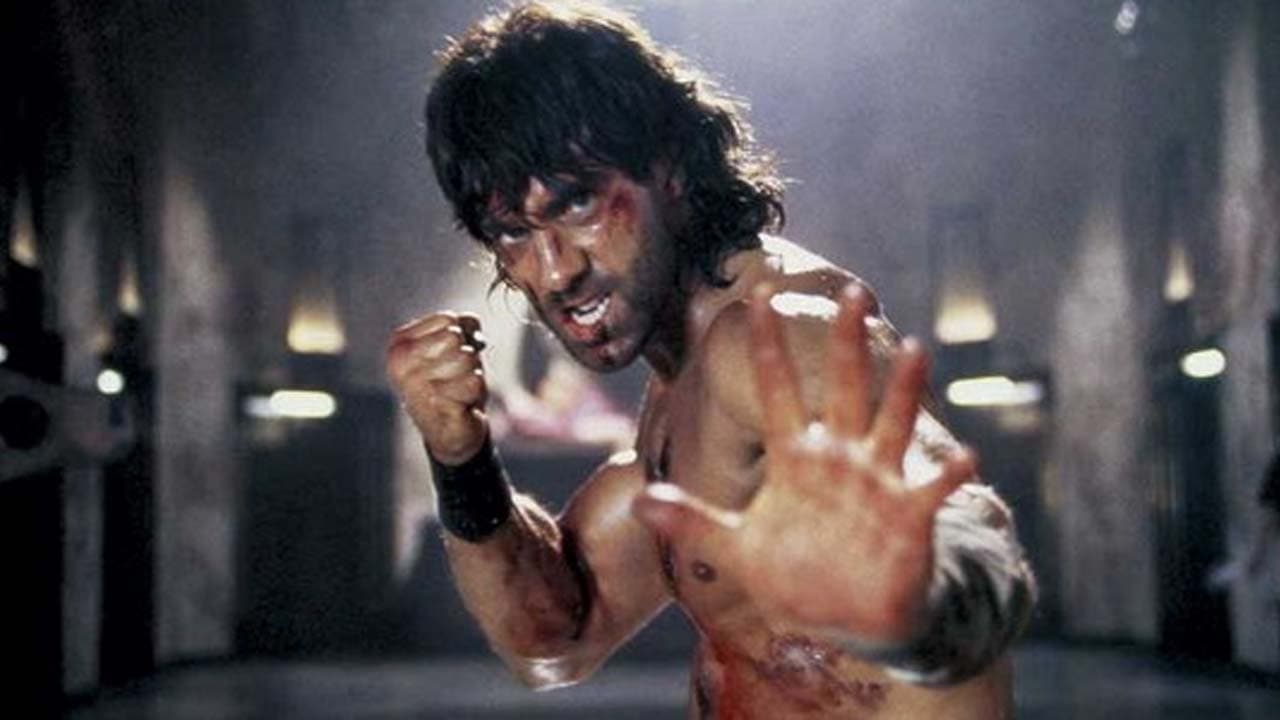
Now, let's talk about the main event: Hokuto Shinken. Kenshiro's signature style, hitting pressure points to make opponents internally combust in spectacular fashion, is the stuff of legend. Bringing this to life with practical effects in 1995 was… ambitious. We get some pulsing veins, some contorted faces, and the occasional burst pack, but the truly graphic, over-the-top gore of the source material is understandably dialled way back for the R-rating. Remember the sheer visceral crunch those animated head-pops had? The live-action version often feels more like severe indigestion followed by a quick cutaway.
But credit where it's due: Gary Daniels is a legitimate martial artist. A prolific kickboxing champion and action star in his own right, he brings a physical credibility to Kenshiro that grounds the film. His kicks are sharp, his movements precise, even if his stoicism sometimes borders on wooden. He sells the fight choreography, which, while not reaching the dizzying heights of Hong Kong cinema, has a certain raw, physical energy. These are real stunt performers hitting the dirt, executing throws and wire-assisted leaps that feel tangible in a way often missing today. There's a weight and impact to the practical fights that CGI, for all its slickness, sometimes struggles to replicate. Wasn't there something satisfying about seeing actual bodies fly across the screen, even if the wires were occasionally visible if you squinted?
Rogues Gallery Rumble
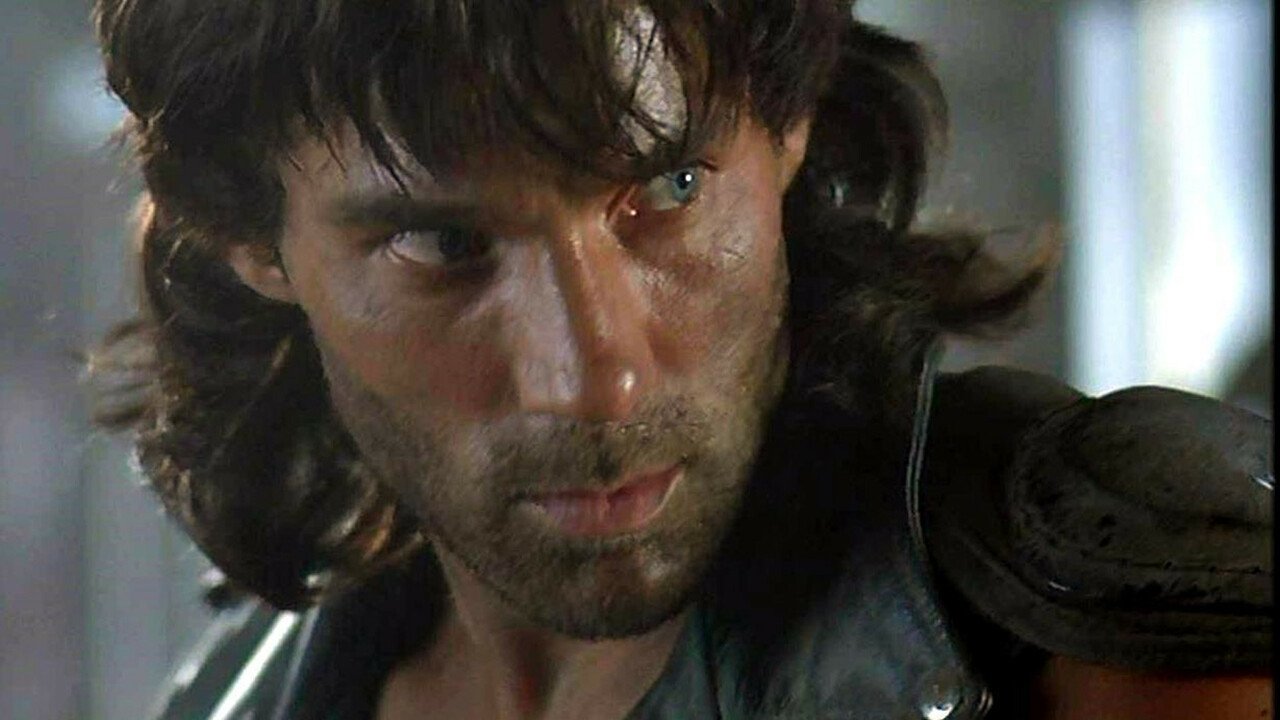
Opposite Daniels, Costas Mandylor (later known for the Saw franchise) chews the scenery effectively as the arrogant Shin. But the real scene-stealer, as he often was, is the late, great Chris Penn as Jackal. Decked out in grungy biker gear and leading a gang of wasteland thugs, Penn seems to be having an absolute blast, injecting a much-needed dose of sleazy charisma and unpredictable energy into the proceedings. You even get a brief appearance from the legendary Malcolm McDowell as Kenshiro's master, Ryuken, lending a touch of gravitas, and some truly bizarre cameos including Downtown Julie Brown and Melvin Van Peebles. Casting like that just screams "mid-90s video store discovery."
The film struggles most when it tries to replicate the manga's more outlandish character designs and emotional melodrama. The costumes sometimes look like they raided a Mad Max-themed fancy dress party, and the attempts at capturing the operatic tragedy often fall flat, hampered by the dialogue and budget constraints. It’s a film caught between wanting to be a faithful adaptation and needing to be a marketable American action flick.
A Relic Worth Revisiting?
Finding this tape back in the day was often a mix of excitement and trepidation for fans of the original. Would it capture the magic? Would it be laughably bad? The truth, as is often the case with these ambitious adaptations, lies somewhere in between. It's undeniably flawed, cheesy in parts, and fails to live up to the epic scale and brutal poetry of its source material. The critical reception at the time reflected this – it wasn't exactly a box office smash or a critical darling.
Yet, watching it now through the warm, fuzzy glow of a metaphorical CRT screen, there's an undeniable charm. It represents a specific moment in action filmmaking – post-Cold War anxieties morphing into apocalyptic fantasy, practical effects pushed to their limits (even if those limits were modest), and a genuine, if misguided, attempt to bring a beloved, complex property to a new audience. I distinctly remember renting this, hoping for the ultimate anime adaptation and getting… well, this. And you know what? It was still kind of fun in its own weird way.
Rating: 5/10
Justification: The score reflects the film's earnest effort and Gary Daniels' solid martial arts performance, alongside some enjoyably grubby practical action sequences and Chris Penn's standout turn. However, it's heavily docked for the visible budget limitations, inconsistent tone, clunky dialogue, and ultimate failure to capture the epic spirit and unique violence of the legendary source material.
Final Take: Fist of the North Star (1995) is a fascinating, flawed time capsule. It’s the kind of movie you’d find on a dusty VHS shelf, rent on a whim, and watch with a mixture of cringing and cheering – a perfect example of 90s B-movie ambition meeting brutal reality, powered by practical grit and sheer audacity. You already know if you need to see it again.