Alright wasteland warriors, dim the lights, maybe crack open a can of something cheap and fizzy, and let’s talk about a tape that practically radiated testosterone from the rental shelf. I’m talking about the 1986 animated atom bomb, Fist of the North Star (or Hokuto no Ken, if you’re feeling authentic). Finding this gem back in the day felt like uncovering some kind of forbidden knowledge – animation packed with a level of brutality and raw, post-apocalyptic despair that made He-Man look like Care Bears picnic. This wasn't your Saturday morning fare; this was something else entirely.
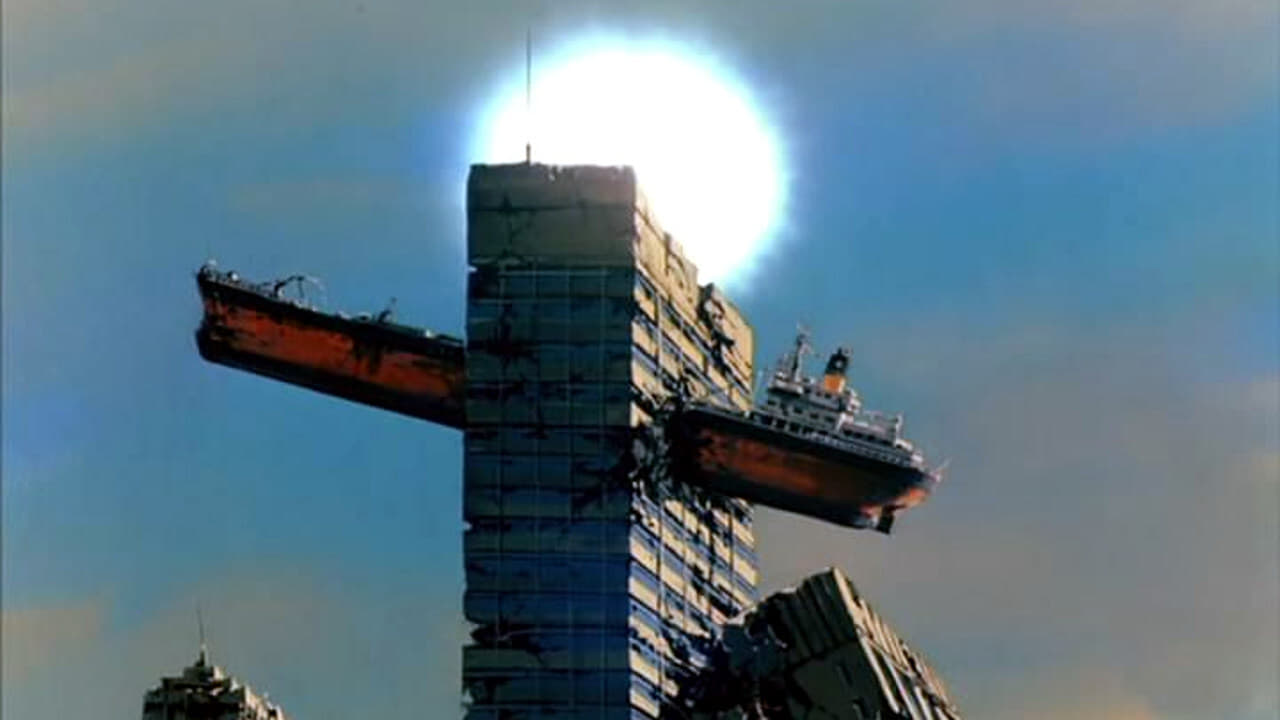
Welcome to the End of the World (Again)
If you somehow missed the phenomenon, Fist of the North Star plunges us into a familiar 80s hellscape: nuclear war has scorched the Earth, leaving behind biker gangs, mohawked mutants, and muscle-bound warlords ruling the ruins. Sound familiar? Yeah, the influence of Mad Max 2: The Road Warrior (1981) hangs heavy, but the source manga by writer Buronson and artist Tetsuo Hara twisted that into something uniquely Japanese, drenched in martial arts mythos and operatic melodrama.
The movie essentially compresses the early arcs of the sprawling manga and the concurrently running TV series. We follow Kenshiro, the stoic successor to the deadly assassination art of Hokuto Shinken, as he wanders the wastes searching for his kidnapped fiancée, Yuria. Along the way, he encounters his power-hungry brothers-in-arms – the noble Toki, the ruthless Jagi (who tricked Shin into betraying Ken), and the ultimate antagonist, the imposing Raoh, Ken-Oh, the King of Fists. It’s a tale of betrayal, honour, and dudes punching each other so hard they literally explode.
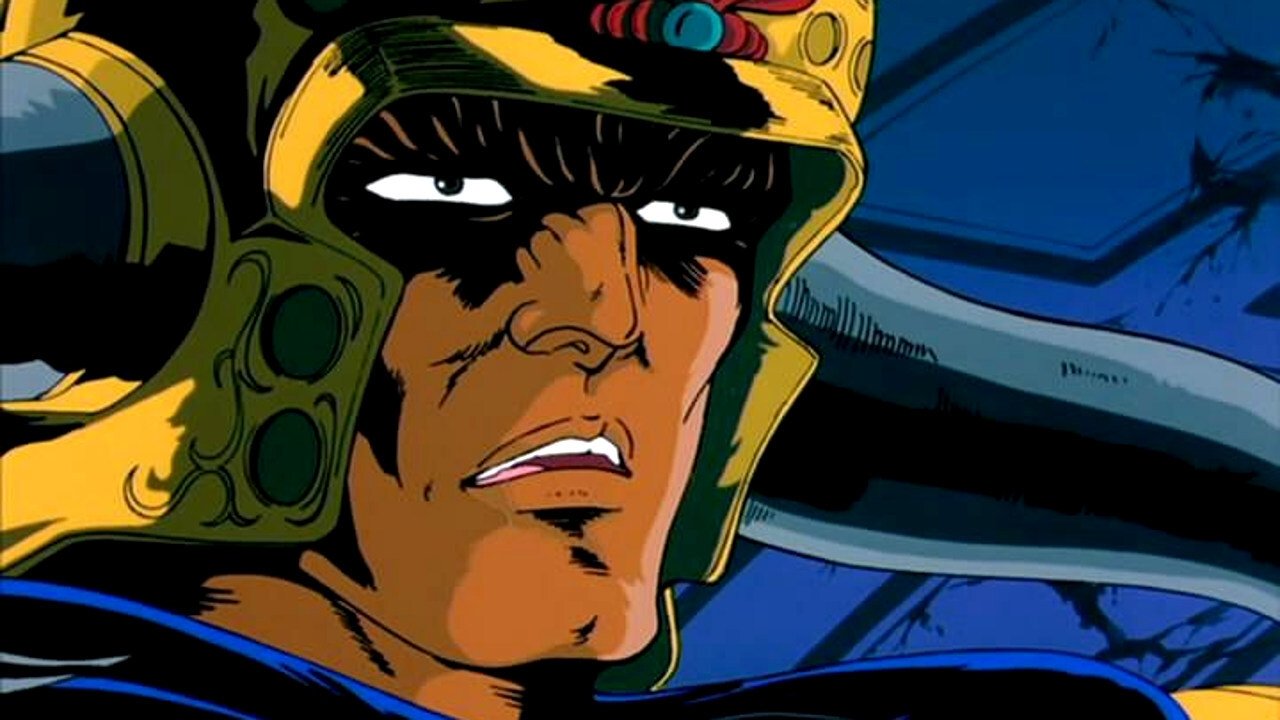
Animation That Hits Like a Hundred Crack Fist
Let's get right to it: the action. Forget smooth, computer-generated ballets. This is raw, visceral, hand-drawn mayhem. Director Toyoo Ashida, who also gave us the stylishly gothic Vampire Hunter D just a year prior in 1985, knew how to stage violence for maximum impact. When Kenshiro unleashes Hokuto Shinken, hitting pressure points to cause catastrophic internal destruction, the animation doesn't shy away. Bodies contort, bulge, and detonate in sprays of pixelated (well, cel-painted) gore. It’s ridiculously over-the-top, sure, but there's an undeniable power to it. Remember how real those exploding heads felt back then on a fuzzy CRT? The sheer kinetic energy, the dramatic close-ups, the speed lines – it felt dangerous and incredibly cool.
This film was actually produced by Toei Animation alongside the TV series, serving as a theatrical retelling. While trimming the story means losing some character depth explored in the show, it allows the film to focus purely on the high-impact moments and showcase animation quality that often surpassed the weekly TV budget. It's a concentrated dose of Hokuto Shinken's greatest hits.

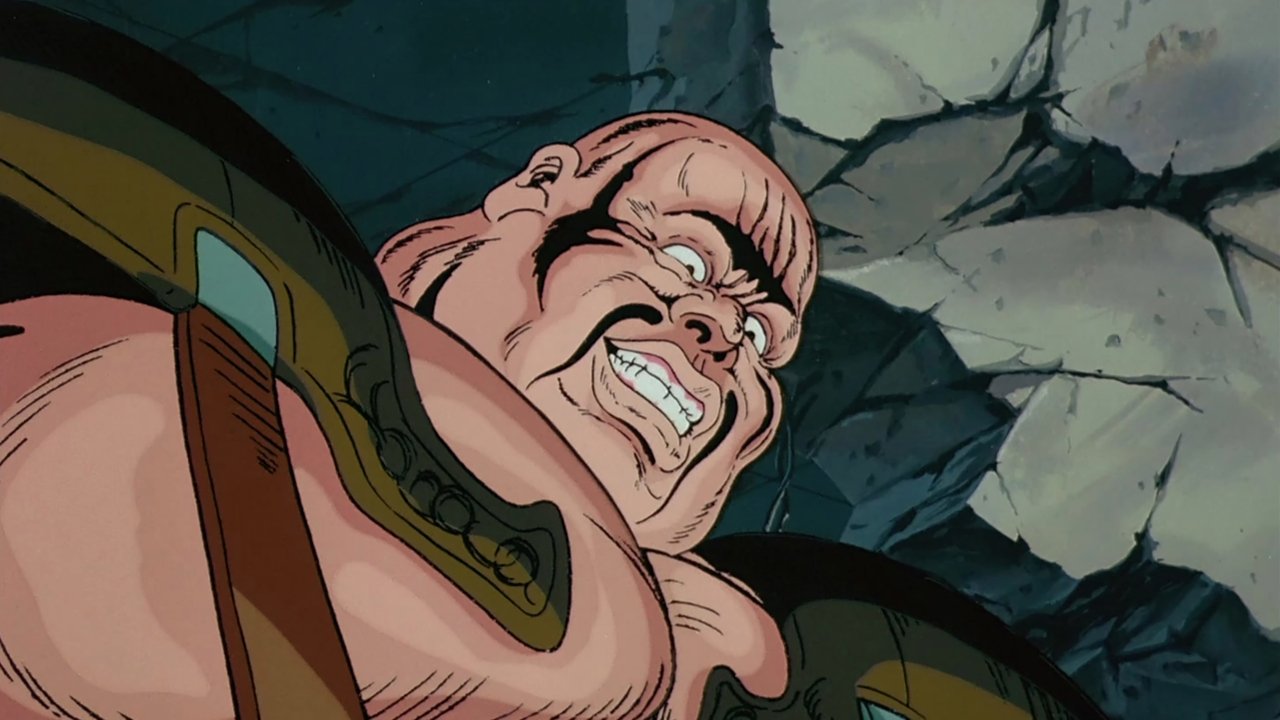
Voices of Fury
The Japanese voice cast is legendary. Akira Kamiya brings Kenshiro to life with his signature blend of stoic calm and explosive battle cries ("ATATATATATATA!"). If his voice sounds familiar, it’s because Kamiya is anime royalty, also voicing iconic characters like Ryo Saeba in City Hunter and Shutaro Mendo in Urusei Yatsura. The rest of the cast, including Kenji Utsumi as the booming Raoh and Yuriko Yamamoto as the tragic Yuria, deliver performances soaked in the heightened emotion the story demands. It’s pure melodrama, and they commit completely.
A Product of Its Time, And Gloriously So
Watching Fist of the North Star today is a potent shot of 80s anime aesthetic. The character designs are pure Tetsuo Hara – impossibly muscular heroes, scarred villains, damsels in distress. The pacing can feel breakneck, rushing through plot points to get to the next confrontation. Does the story hold up? It’s simple, archetypal stuff – duty, love, revenge – painted in broad, bloody strokes. It’s not subtle, but subtlety was never the point. This film aimed for your gut, not your nuanced appreciation of narrative structure.
Interestingly, while a cult classic now, especially in the West where it often arrived via gritty, sometimes heavily edited VHS tapes, the movie wasn't a massive box office smash in Japan initially. The ongoing TV series arguably overshadowed it. But its influence is undeniable, becoming a cornerstone of the "ultra-violent" anime boom and leaving its mark on countless shonen battle manga and anime that followed. It practically wrote the book on escalating power levels and signature finishing moves.
The Verdict

Fist of the North Star (1986) is a time capsule. It’s brutal, melodramatic, occasionally nonsensical, and visually unforgettable. The condensed plot might frustrate purists of the manga or TV series, and newcomers might be taken aback by the sheer, unrelenting violence and 80s cheese factor. But for fans of retro anime, grindhouse aesthetics, and action that feels genuinely impactful (even if anatomically impossible), it remains a must-see. It captures a specific, bygone era of animation where artists pushed boundaries with ink, paint, and sheer audacity.
Rating: 7/10 – The plot compression holds it back from perfection, but the iconic moments, raw animation energy, and historical significance make it essential viewing. It’s a visceral blast from the past that still knows how to hit all the right pressure points.
Final Punch: It may look dated, the story might be thinner than Raoh's patience, but the sheer explosive impact of 80s Hokuto no Ken animation? You're already dead... impressed. Still wildly entertaining after all these nuclear apocalypses.