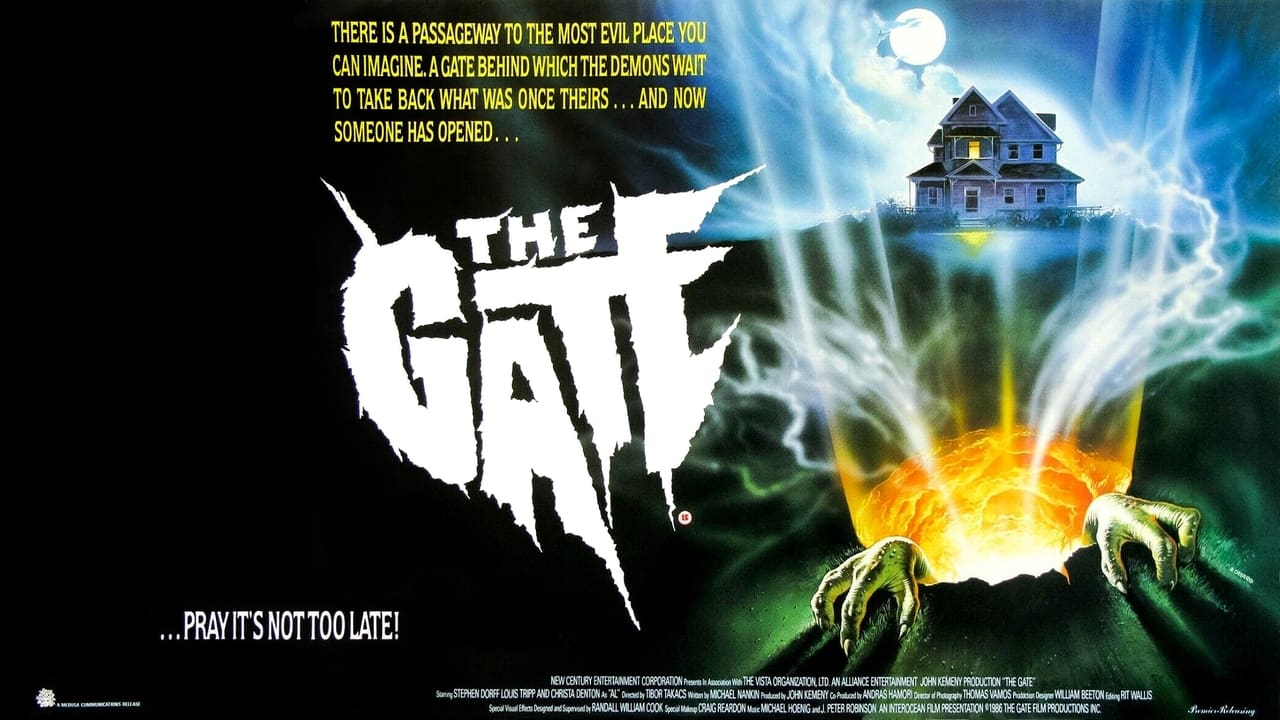
The ordinary silence of a suburban backyard can hold its own kind of dread, can't it? That feeling when dusk settles, the familiar shapes of trees and fences morph into something unknown, and every creak of the house sounds amplified. Now imagine digging a hole in that yard, right where lightning struck down the old tree, and finding... something else. Something ancient and unsettling nestled in the dirt. That's the chillingly effective hook of Tibor Takács' 1987 cult classic, The Gate – a film that burrowed under the skin by unleashing primal fears right onto shag carpeting and wood-paneled walls.
### When the Backyard Becomes a Portal
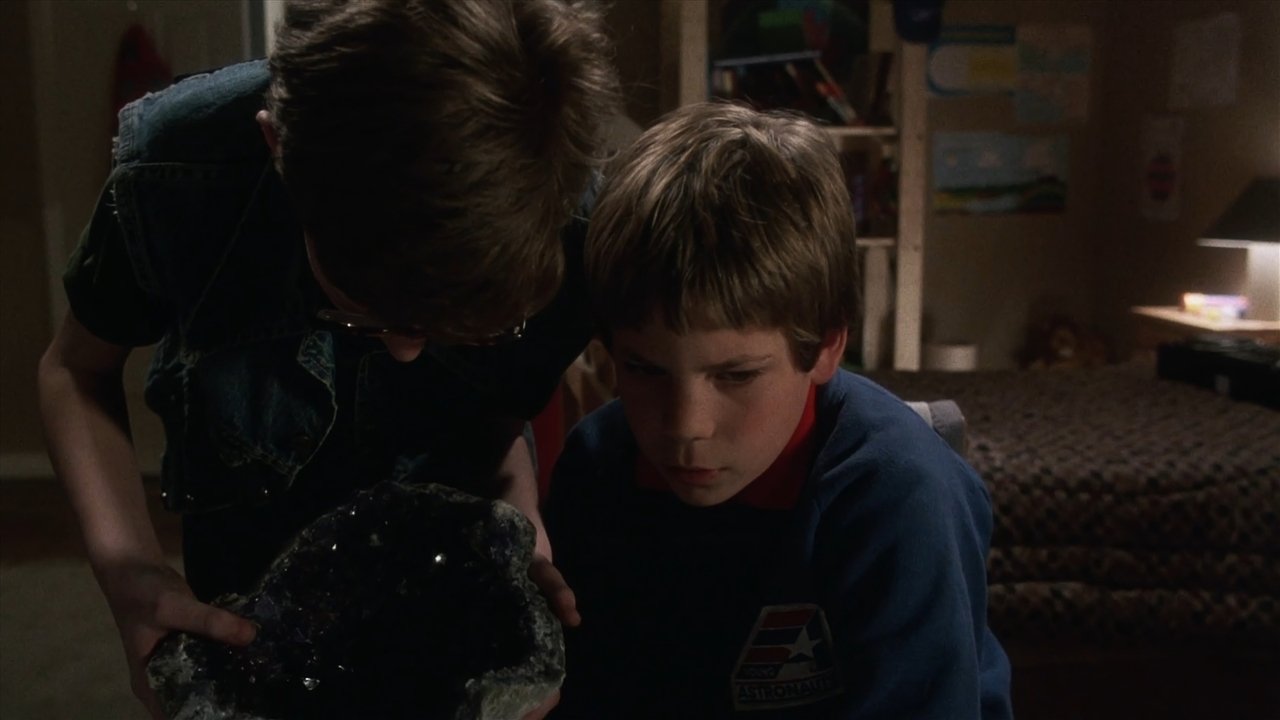
For many of us who haunted video store horror aisles, The Gate felt different. It wasn't just another slasher stalking teens; it tapped into that specific childhood vulnerability of being left alone, where imagination blurs with reality, and the floorboards groaning upstairs could genuinely be something else. The setup is pure 80s latchkey kid nightmare fuel: young Glen (Stephen Dorff in his feature debut, already showing that intensity), his older sister Al (Christa Denton), and Glen's wonderfully cynical, heavy-metal-obsessed best friend Terry (Louis Tripp) are left home alone for the weekend. What could go wrong? Well, everything, starting with that strange geode unearthed from the backyard hole. Terry, armed with liner notes mythology gleaned from his favorite fictional band Sacrifyx, suspects it's a gateway. A few accidental rituals later – involving a dead dog, levitation, and incantations read aloud from a record sleeve – and wouldn't you know it, the gates of hell are creaking open right by the swing set.
### Miniature Mayhem and Practical Magic
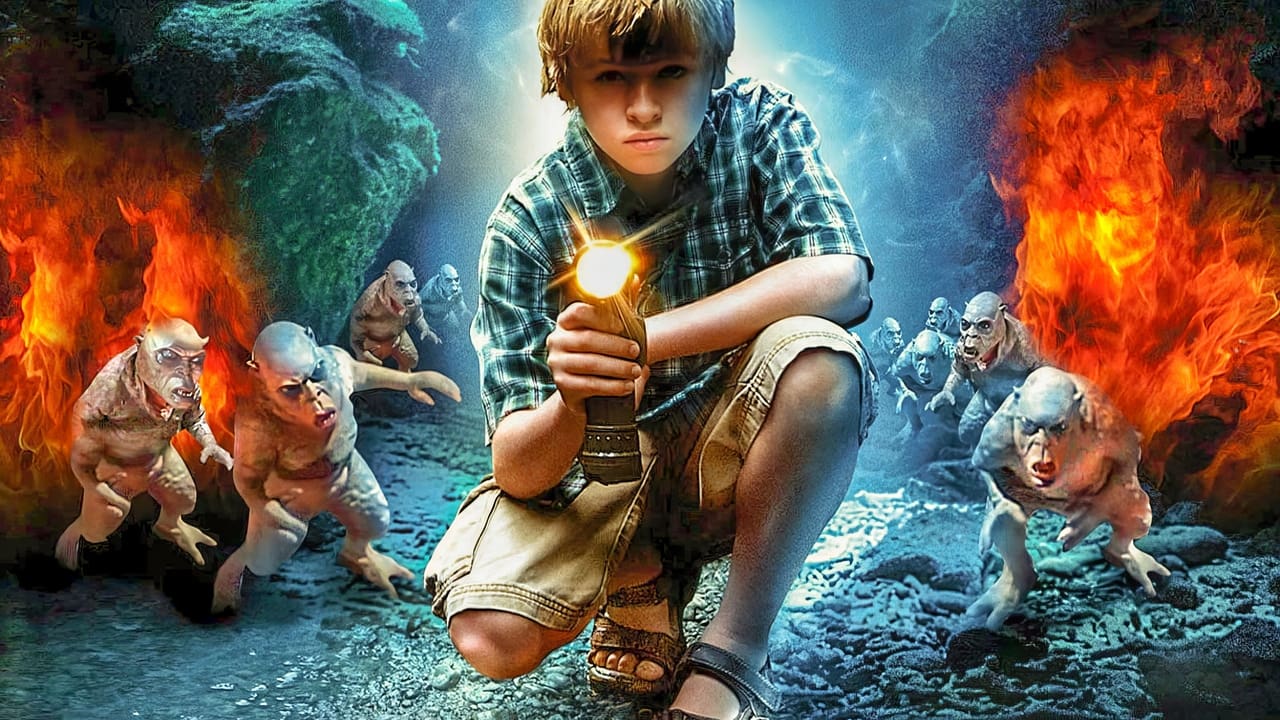
What truly cements The Gate in the annals of VHS Heaven is its wonderfully tactile sense of menace, achieved largely through ingenious practical effects that still impress. Forget seamless CGI; this was the era of stop-motion, forced perspective, and good old-fashioned latex. The film's signature monsters, those mischievous, bug-eyed 'minions', are brought to life primarily through painstaking stop-motion animation by Randall William Cook (who would later work on The Lord of the Rings trilogy, believe it or not). Their jerky, unnatural movements only add to their unsettling quality. Director Takács and his team cleverly used forced perspective shots – placing actors far behind miniature sets or costumed performers closer to the camera – to make these diminutive demons seem threateningly large compared to our young protagonists. Remember the sequence where they swarm the house? It felt genuinely overwhelming, a tide of tiny terrors. It's a testament to the filmmakers' resourcefulness, stretching a modest Canadian production budget of around $2.5 million into something that felt genuinely epic in scale to our younger eyes.
Then there's the other stuff. The chilling sequence with the workman seemingly melted into the wall – a truly disturbing image conjured through clever puppetry and prosthetics – reportedly gave Dorff nightmares himself during the shoot. Or the reveal of the towering demon lord at the climax, a triumph of suit-acting and smart camera angles. These weren't just jump scares; they were carefully constructed moments of visual dread that lingered. Doesn't that image of the eye peering from the palm of a hand still feel unnerving? It’s the kind of handcrafted horror that feels almost quaint now, but possessed a disturbing tangibility back then.
### More Than Just Monsters
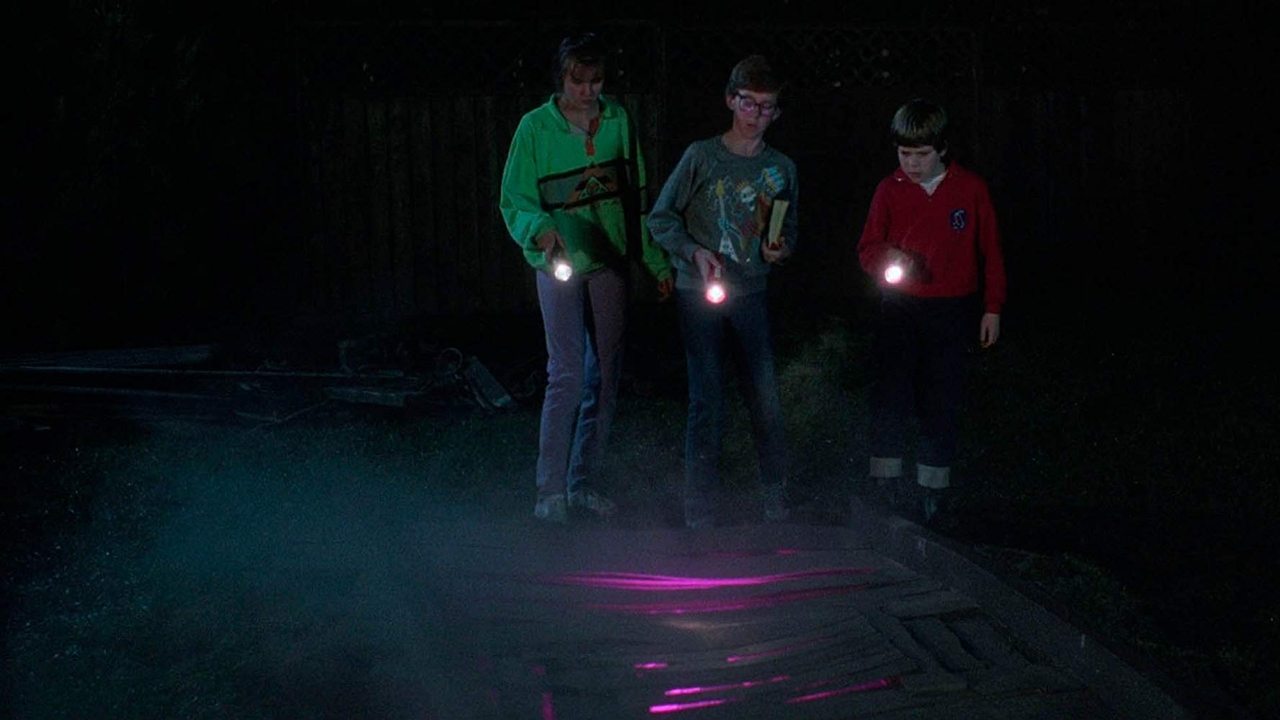
While the creature effects are the main draw, The Gate works because it grounds its fantasy in relatable childhood anxieties. Dorff carries the film admirably as Glen, wrestling with fears both supernatural and mundane (like his crush on his sister's friend). Louis Tripp as Terry is the quintessential 80s metalhead sidekick, providing exposition laced with occult warnings derived from album lyrics – a fantastic touch that felt perfectly authentic to the era. His deadpan delivery ("Demons... they aren't angels.") is iconic. The script by Michael Nankin (who later directed episodes of shows like Battlestar Galactica and Hell on Wheels) smartly keeps the focus tight on the kids, emphasizing their isolation and forcing them to rely on their own wits (and a conveniently placed model rocket) to fight back against the forces of darkness.
The film wasn't a runaway smash, but it performed admirably, earning over $13.5 million at the box office, proving there was an audience hungry for this blend of Amblin-esque adventure and genuine horror chills. It even spawned a less-remembered sequel, Gate II: Trespassers (1990), which sadly lacked the original's charm and focus. But the original remains a standout, a perfect example of mid-budget 80s genre filmmaking firing on all cylinders. It captured that feeling of suburban safety being horrifyingly breached, something films like Poltergeist (1982) had explored, but The Gate brought it down to a kid's-eye level with delightful results.
***
VHS Heaven Rating: 8/10
Justification: The Gate earns a solid 8 for its incredibly effective practical effects (especially given the budget), its genuinely unsettling atmosphere that transforms suburbia into a nightmare zone, and strong performances from its young leads, particularly Stephen Dorff and the iconic Louis Tripp. It perfectly balances childhood adventure with legitimate scares and creature feature thrills. While some pacing might feel slightly dated to modern eyes, its creativity and sheer fun factor hold up remarkably well. The stop-motion minions and that 'man in the wall' remain standouts of 80s practical horror craftsmanship.
Final Thought: More than just a creature feature, The Gate is a potent shot of 80s nostalgia that reminds us how terrifying the ordinary could become when the parents left town and the backyard held secrets far darker than buried treasure. It’s a true gem from the era when practical effects reigned supreme and heavy metal albums held the keys to unlocking Hell itself. Fire up the VCR for this one.