Here’s a potential review for "Moonlight and Valentino" (1995), crafted for "VHS Heaven":
***
Sometimes grief arrives not as a storm, but as a sudden, shattering silence. The world keeps spinning, the coffee still brews, but the central rhythm of a life is abruptly gone. 1995’s Moonlight and Valentino understands this quiet devastation perhaps better than many films that tackle loss head-on. It’s a film less about the dramatic peaks of mourning and more about the strange, disorienting valley that follows, and the unexpected company one finds there. I remember picking this one up from the ‘New Releases’ wall at Blockbuster, drawn perhaps by the intriguing cast, expecting maybe a straightforward romance, but finding something gentler, sadder, and ultimately more resonant.
After the Silence
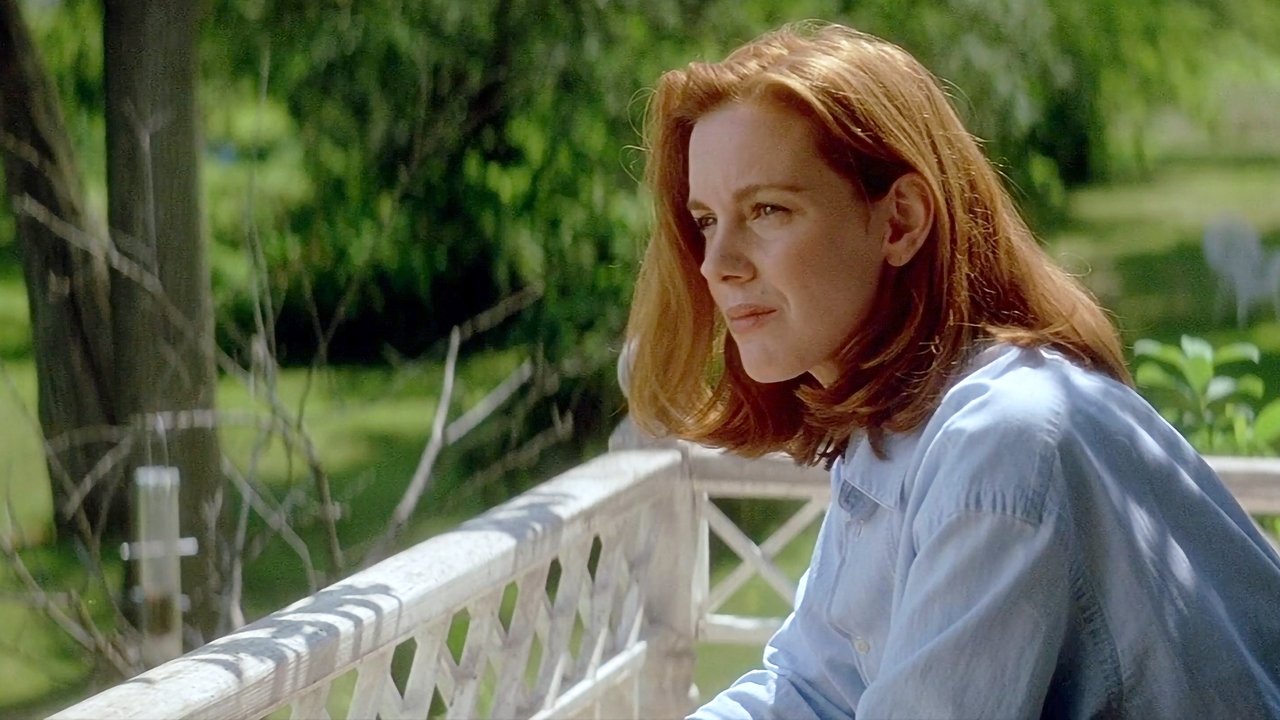
The story centers on Rebecca Lott (Elizabeth Perkins), a poet and teacher whose life implodes when her husband is struck and killed while jogging. Perkins, often remembered for brighter roles in films like Big (1988), delivers a performance here steeped in authentic numbness and disorientation. It’s not showy; it’s the quiet, hollowed-out feeling of someone trying to remember how to breathe. Her grief isn't performative; it's a palpable weight she carries into every scene, making her journey feel incredibly grounded and relatable. We watch her navigate the awkward condolences, the sudden solitude, the way everyday objects become painful reminders. What does one do when the future you mapped out vanishes in an instant?
An Unlikely Circle of Support
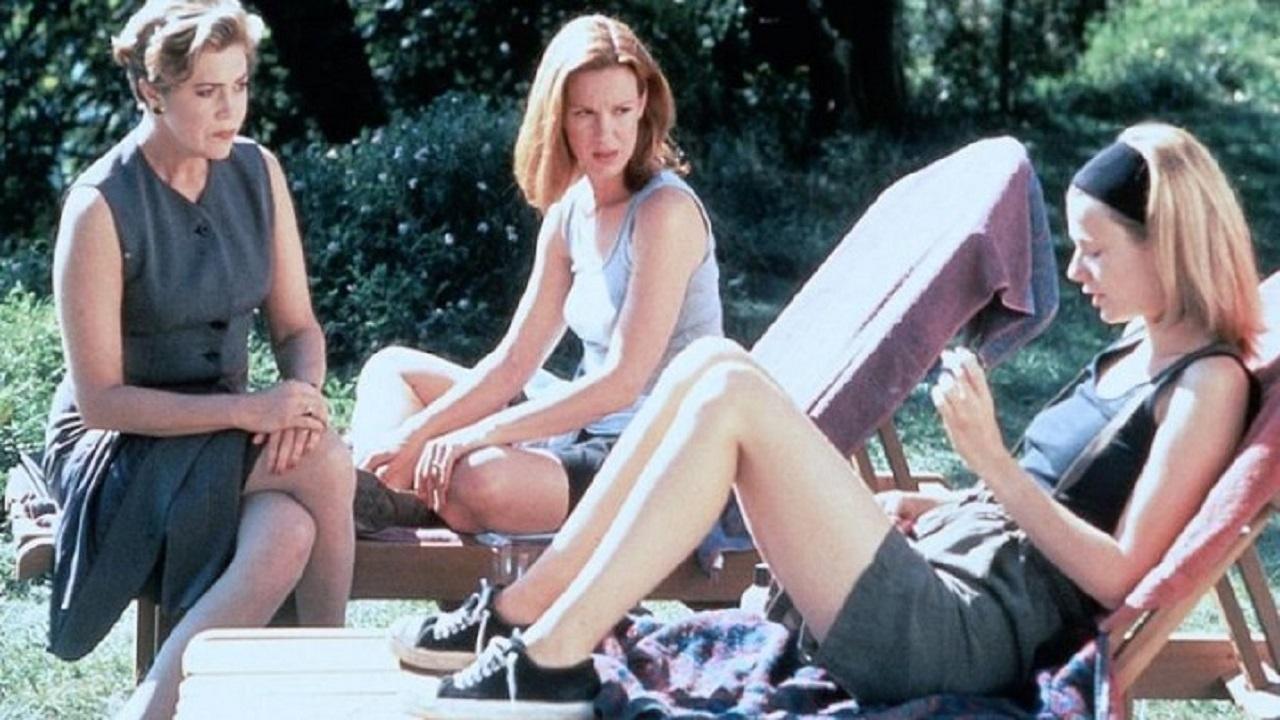
If Rebecca is the anchor of sorrow, her support system is a quirky, contrasting constellation. There’s her volatile, chain-smoking younger sister Lucy (Gwyneth Paltrow), brimming with restless energy and ill-timed advice. Paltrow, caught here right before her meteoric rise with films like Seven (also 1995) and Emma (1996), embodies youthful insecurity masked by bravado. Then comes Sylvie (Whoopi Goldberg), Rebecca's best friend and colleague, offering pragmatic wisdom often laced with sharp humor – Goldberg playing comfortably in her wheelhouse, providing moments of levity without diminishing the gravity. And perhaps most intriguingly, there’s Alberta (Kathleen Turner), Rebecca's sophisticated, somewhat estranged former stepmother. Turner, navigating a fascinating career shift from the sultry leads of the 80s (Body Heat (1981), Romancing the Stone (1984)) into richer character work, imbues Alberta with a world-weary elegance and surprising vulnerability. The dynamic between these four women – their clashes, their comfort, their shared history – forms the film's emotional core. They don’t always get it right, but their collective presence feels like a genuine, messy, lifeline.
Enter the House Painter
And then there’s the ‘Valentino’ of the title. In a casting choice that certainly raised eyebrows back in ’95, rock star Jon Bon Jovi plays a charming, enigmatic house painter who enters Rebecca’s orbit. His arrival is meant to inject a spark of life, a distraction, perhaps even a path forward. Does it entirely work? Bon Jovi isn't a revelation, perhaps, but he brings a gentle, unassuming quality to the role that mostly sidesteps the potential awkwardness. He’s less a smoldering romantic hero and more a catalyst, forcing Rebecca to confront the possibility of feeling something again, even if it’s just confusion. His presence highlights one of the film's central questions: how does one reopen the door to the world, and who gets to hold the key, even temporarily?
From Stage to Screen, With Heart
What lends the film its particular texture of authenticity is knowing its origins. Playwright Ellen Simon (daughter of the legendary Neil Simon) adapted her own stage play, which was deeply rooted in her own experience of losing her husband suddenly. This personal connection permeates the script; the dialogue often feels observed rather than merely written, capturing the awkward pauses, the half-finished thoughts, the things left unsaid that hang heavy in the air. Director David Anspaugh, known primarily for his uplifting, male-centric sports dramas like Hoosiers (1986) and Rudy (1993), might seem an odd choice. Yet, he brings a quiet sensitivity to the material, allowing the performances and the emotional landscape to take center stage. He doesn’t rush the grief or force the healing, instead letting the film unfold with a patient, observational quality. The film wasn't a box office smash – earning just over $5 million on a $14 million budget – perhaps suggesting its gentle pacing and focus on character over plot didn't quite capture the zeitgeist of the mid-90s blockbuster scene, making it more of a discovery on home video for many.
Finding Light in the Quiet Moments
Moonlight and Valentino isn’t a film packed with dramatic incident. Its power lies in the subtleties – the shared glances between sisters, the tentative reaching out for comfort, the slow, painful process of finding footing after the world shifts beneath you. It’s a film about the different shapes grief takes and the resilience found not in grand gestures, but in the persistent, sometimes clumsy, love of those around us. It examines how friendship, family (biological or chosen), and even unexpected encounters can provide fragile bridges over seemingly uncrossable chasms.
Rating: 7/10
This score reflects the film's heartfelt intentions, strong ensemble performances (especially Perkins), and authentic portrayal of the grieving process. It avoids melodrama and earns its emotional moments honestly. While the pacing might feel slow to some, and the 'Valentino' plotline perhaps a little convenient, the core strength lies in its exploration of female relationships and the quiet endurance of the human spirit. It might not have set the box office alight, but its sincerity makes it a worthy rediscovery on VHS – or whatever format you find it on now.
It leaves you pondering not the shock of loss, but the slow, tentative, and often surprising ways life begins to seep back in, like moonlight finding cracks in the darkness.