It starts, as so many seismic shifts in youth do, not with a bang, but with a pop song. Sandusky, Ohio, 1984. The air hangs thick with summer humidity and the synthesized beats pouring from car stereos. For young Eric Hunter, poised precariously on the titular edge of seventeen, that summer promises change, though he likely couldn't articulate its shape or significance. Watching Edge of Seventeen (1998) now feels less like revisiting a mere movie and more like unearthing a time capsule – one filled not just with killer 80s tunes and questionable fashion choices, but with the raw, often clumsy, universally recognizable ache of figuring out who you are.
Summer of Reckoning
The film plunges us headfirst into Eric's world: the last day of school, the tentative plans with his longtime best friend Maggie (Tina Holmes), the looming summer job at the local amusement park's kitschy food stand. Director David Moreton, working from a deeply personal script by Todd Stephens (who drew heavily on his own experiences growing up gay in Sandusky), captures the specific languor and anticipation of that Midwestern summer. There’s a palpable sense of place, a feeling that this story couldn't unfold anywhere else, at any other time. It’s pre-internet, pre-cell phone; connections are immediate, face-to-face, and secrets feel harder to keep, yet somehow more intensely guarded.
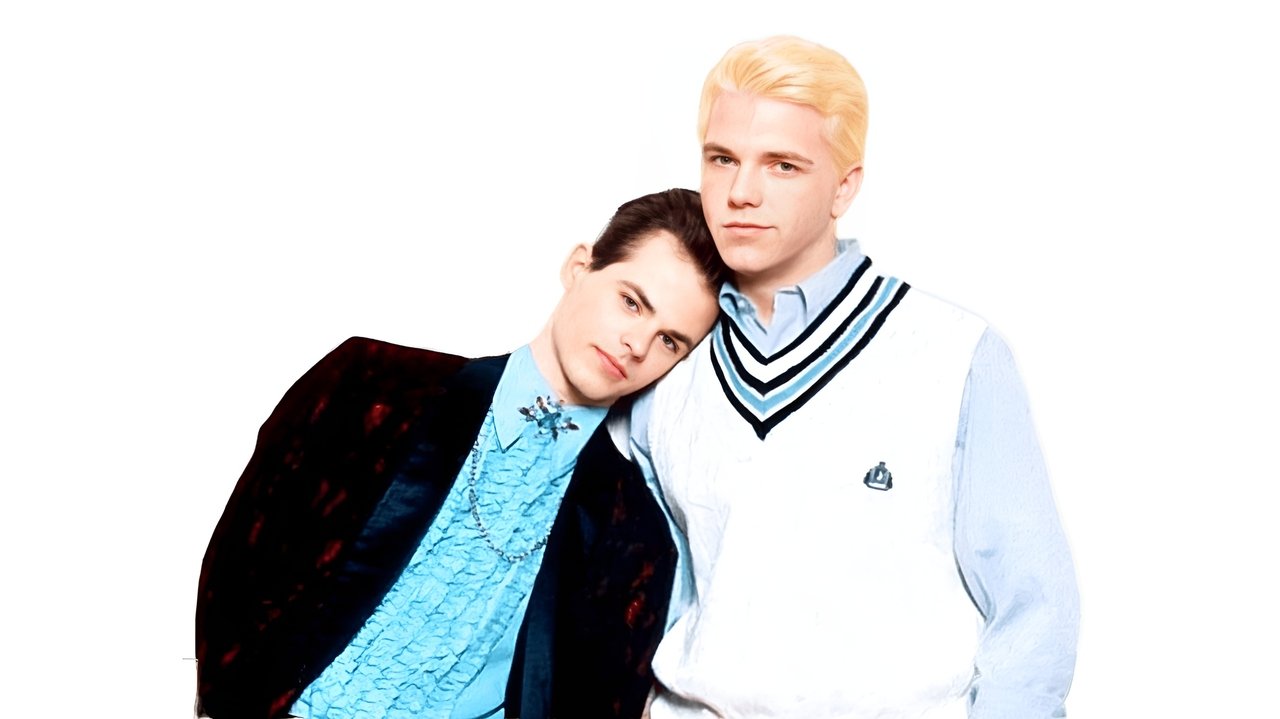
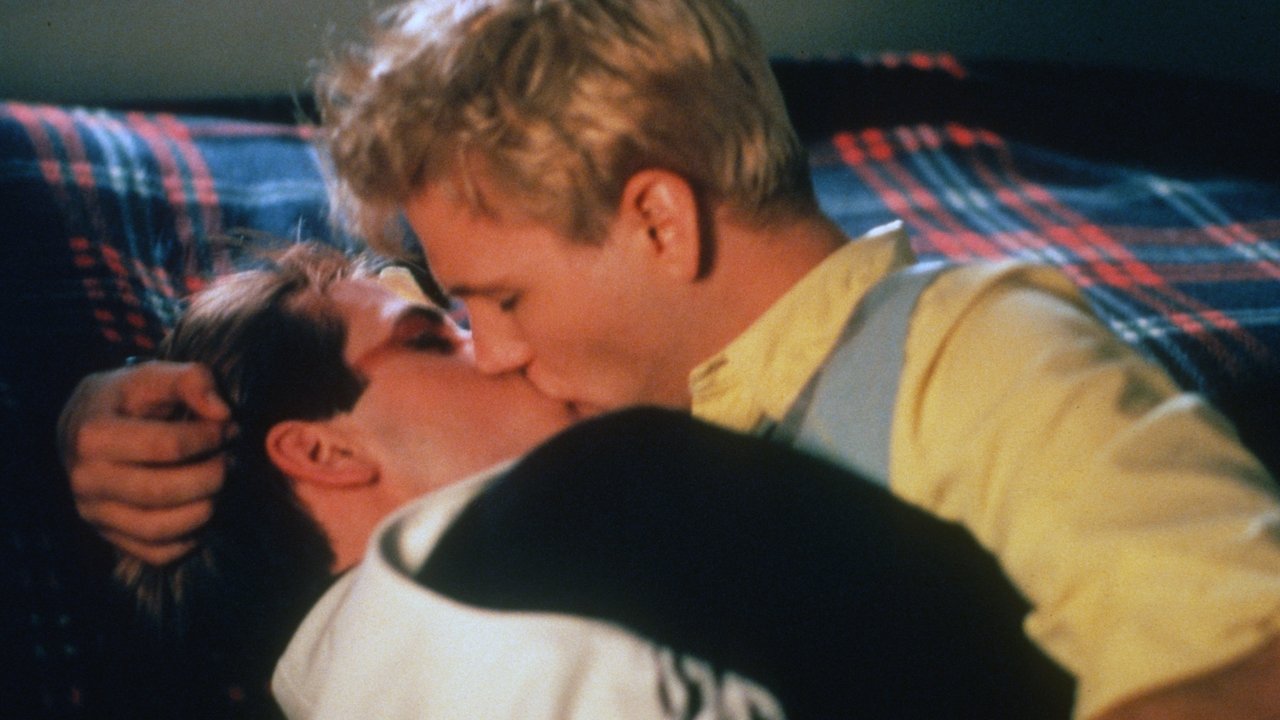
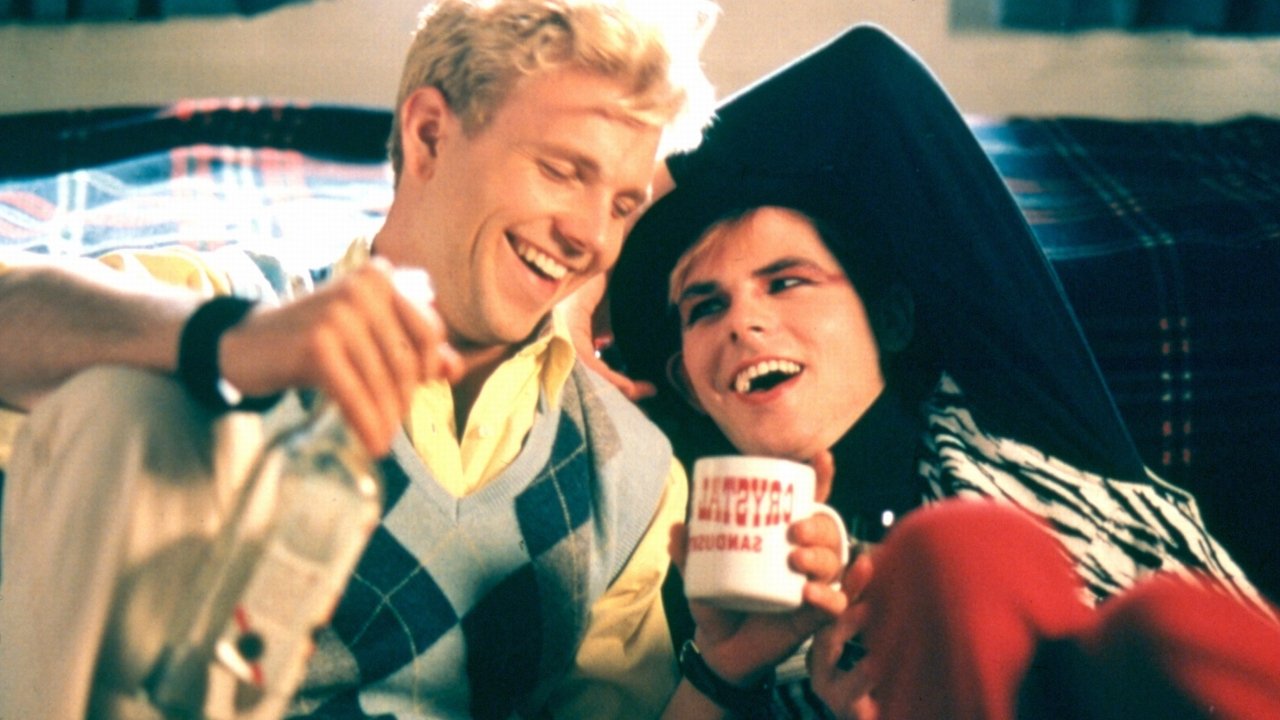
The catalyst arrives in the form of Rod (Andersen Gabrych), a confident, slightly older college student working alongside Eric. He represents everything Eric isn't yet: self-assured, openly navigating his sexuality, seemingly free. The initial spark between them ignites Eric’s journey of self-discovery, sending him spiraling into a world of furtive glances, confusing encounters at the local gay bar (The Universal Fruit and Nut Company – a name dripping with a certain era's coded charm), and the exhilarating terror of embracing his true identity.
The Unvarnished Truth of Youth
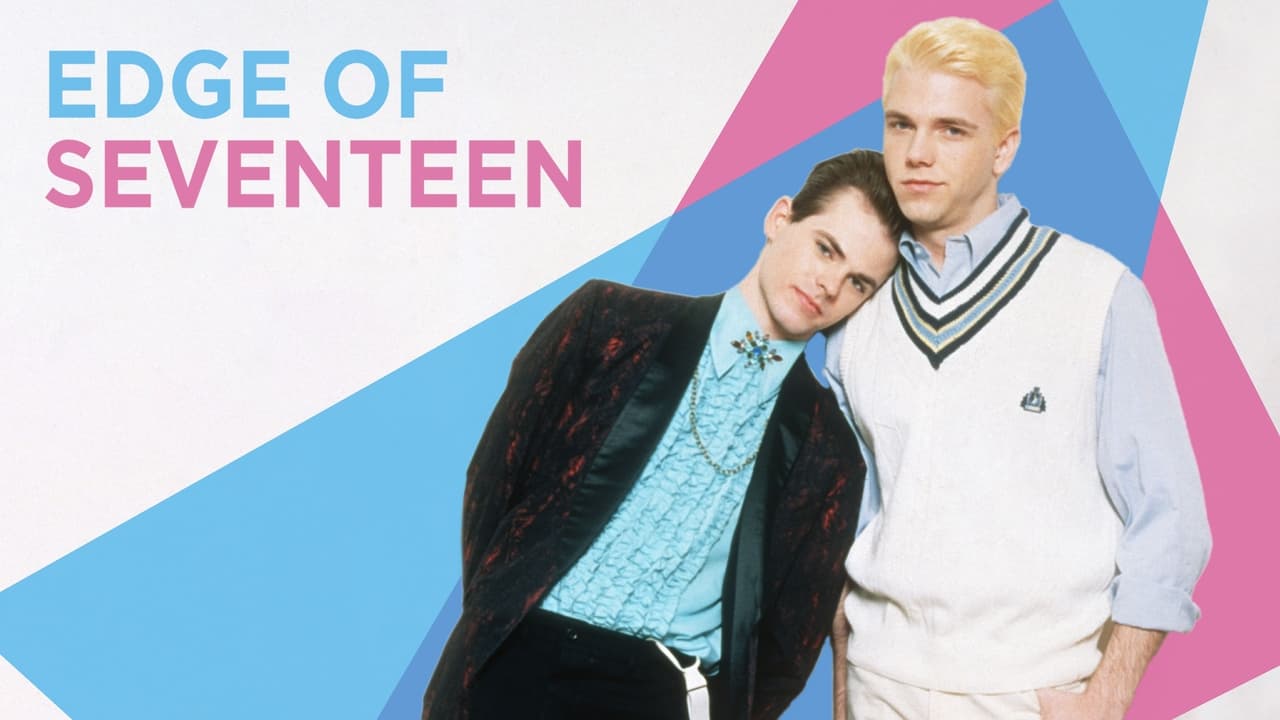
What makes Edge of Seventeen resonate, decades after its quiet arrival on the indie scene (it premiered at Sundance in 1998), is its unwavering commitment to emotional honesty. Chris Stafford, in a remarkable debut performance, embodies Eric's turmoil with a vulnerability that feels startlingly real. He isn't instantly heroic or effortlessly cool. He's awkward, often makes selfish choices, fumbles through conversations, and breaks hearts – particularly Maggie's. Stafford conveys the internal battle – the magnetic pull towards Rod versus the ingrained fear and societal conditioning – often through just a flicker in his eyes or a hesitant shift in posture. Remember finding films like this tucked away in the 'Drama' aisle of the video store? The ones that felt less like Hollywood productions and more like windows into actual lives? This has that feeling.
The relationship between Eric and Maggie is perhaps the film's most poignant and painful thread. Tina Holmes is simply heartbreaking as the loyal friend blindsided by Eric's changes. Their scenes together crackle with the messy, unspoken history of shared childhoods colliding with the divergent paths of adolescence. There’s no easy resolution, no neat Hollywood wrap-up, just the uncomfortable, recognizable reality of friendships evolving, sometimes painfully, sometimes irrevocably.
Sounds and Sights of '84
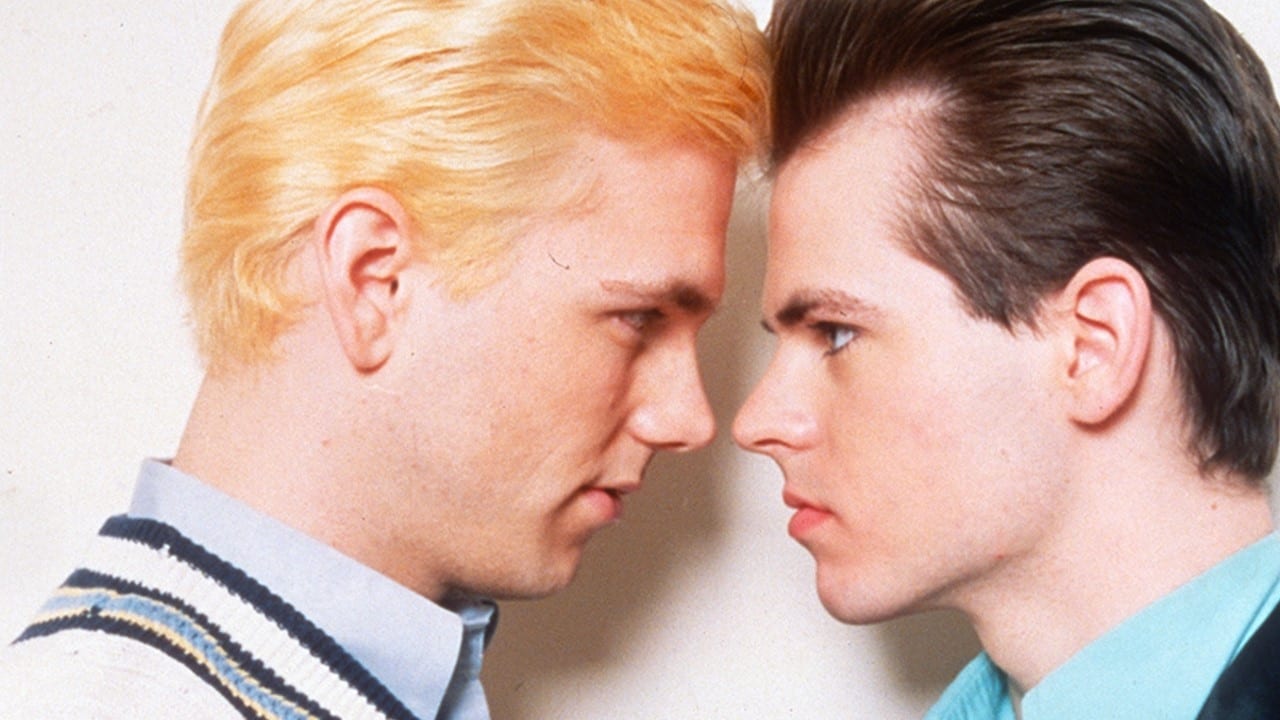
The film's 1984 setting isn't just window dressing; it's integral. The soundtrack, pulsating with iconic tracks from The Eurythmics, Bronski Beat, and Yazoo, isn't merely nostalgic – it is Eric's internal landscape externalized. Music becomes his guide, his solace, his connection to a burgeoning identity. Visually, the film captures the era without excessive gloss, grounding the story in a specific reality – the wood-paneled rec rooms, the feathered hair, the amusement park uniforms. It feels lived-in, authentic. Interestingly, this deeply personal story was made on a shoestring budget, reportedly around $500,000, barely breaking even upon its initial release but finding a dedicated audience on VHS and DVD – a testament to its quiet power.
Todd Stephens' Sandusky Stories
It adds another layer of appreciation knowing that writer Todd Stephens returned to his hometown setting multiple times. Edge of Seventeen is often considered the first part of his "Sandusky Trilogy," which also includes Gypsy 83 (2001) and the much later Swan Song (2021). This film laid the groundwork, establishing a specific emotional geography that Stephens would explore further. It’s a reminder that sometimes the most resonant stories come from those deeply personal, specific places. There's a bravery in putting your own vulnerable teenage experiences on screen, especially in the late 90s when nuanced portrayals of young gay characters outside major urban centers were still relatively rare.
Lingering Questions
Does the film feel dated in places? Perhaps inevitably, in some of its dialogue or stylistic choices. But the core emotional journey – the confusion, the longing for connection, the difficult steps towards self-acceptance – remains timeless. It forces us to consider: how much has changed, and how much remains the same, in the often-turbulent passage from adolescence to adulthood? What does it truly mean to find your place when the map feels entirely unfamiliar?
***
VHS Heaven Rating: 8/10
Justification: Edge of Seventeen earns its high marks for its raw emotional honesty, particularly Chris Stafford's knockout central performance and the painfully authentic depiction of fracturing friendship. Its specific sense of time and place, anchored by Todd Stephens' autobiographical script and a killer 80s soundtrack, creates a powerful, immersive experience. While its low budget sometimes shows and some elements feel distinctly of their era, its unflinching look at the complexities of coming out and growing up in a specific environment gives it enduring power and relevance. It’s a vital piece of late 90s indie and queer cinema that still resonates deeply.
Final Thought: It’s a film that reminds you, with a bittersweet pang, of the intensity of first discoveries – first loves, first heartbreaks, and the first, tentative steps towards becoming yourself, all played out under the neon glow of a Midwestern summer sky.