### The Wisdom Before Its Time

Some performances just lodge themselves in your memory, don't they? Long before she was wielding lightsabers or captivating audiences in psychological thrillers, a young Natalie Portman delivered something truly remarkable in Beautiful Girls (1996). As Marty, the wise-beyond-her-years "old soul" neighbour, she embodies the film's core tension: the confusing space between idealized potential and the often messy, compromised reality of adult life. Her presence hangs over the film, a quiet challenge to the floundering men returning to their snow-covered hometown for a high school reunion. It’s an arresting start to a film that unfolds less like a traditional plot and more like eavesdropping on late-night conversations in a familiar, slightly faded bar.
### Thawing Out in Knight's Ridge
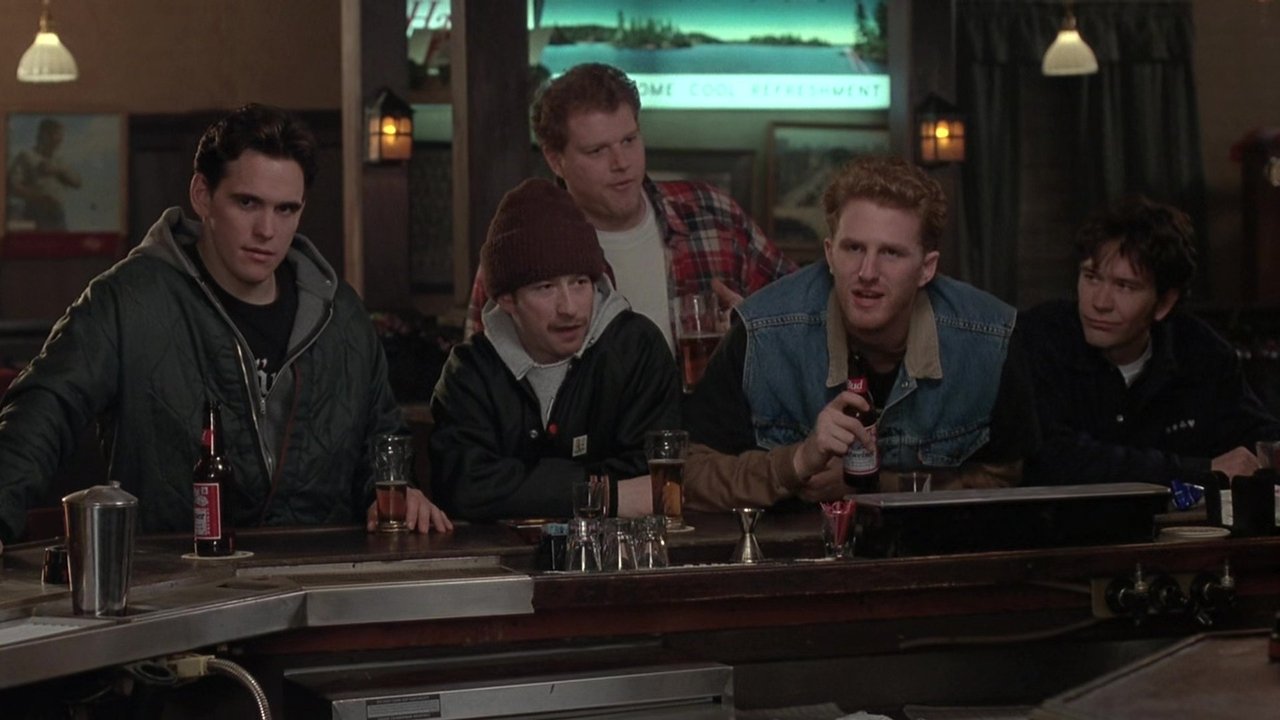
The setup is simple enough: Willie Conway (Timothy Hutton, bringing his signature thoughtful vulnerability), a pianist playing bars in New York City, comes home to Knight's Ridge, Massachusetts, for his reunion. He's dragging his feet about committing to his girlfriend Tracy (Annabeth Gish) and finds himself reconnecting with his old crew: the perpetually unsatisfied Tommy "Mo" Morris (Matt Dillon, perfecting the kind of charming cad he played so well in the 90s), who cheats on his devoted girlfriend Sharon (Mira Sorvino); the snowplow king Paul (Michael Rapaport), obsessed with supermodels and clinging to impossible dreams; and the settled-down family man Kev (Max Perlich). They drink, they shoot the breeze, they lament their lots, and they grapple, often clumsily, with what it means to actually grow up. Overseeing much of this with sharp wit are Gina (Rosie O'Donnell) and Jan (Martha Plimpton), offering a much-needed female perspective on the guys' often self-absorbed anxieties.
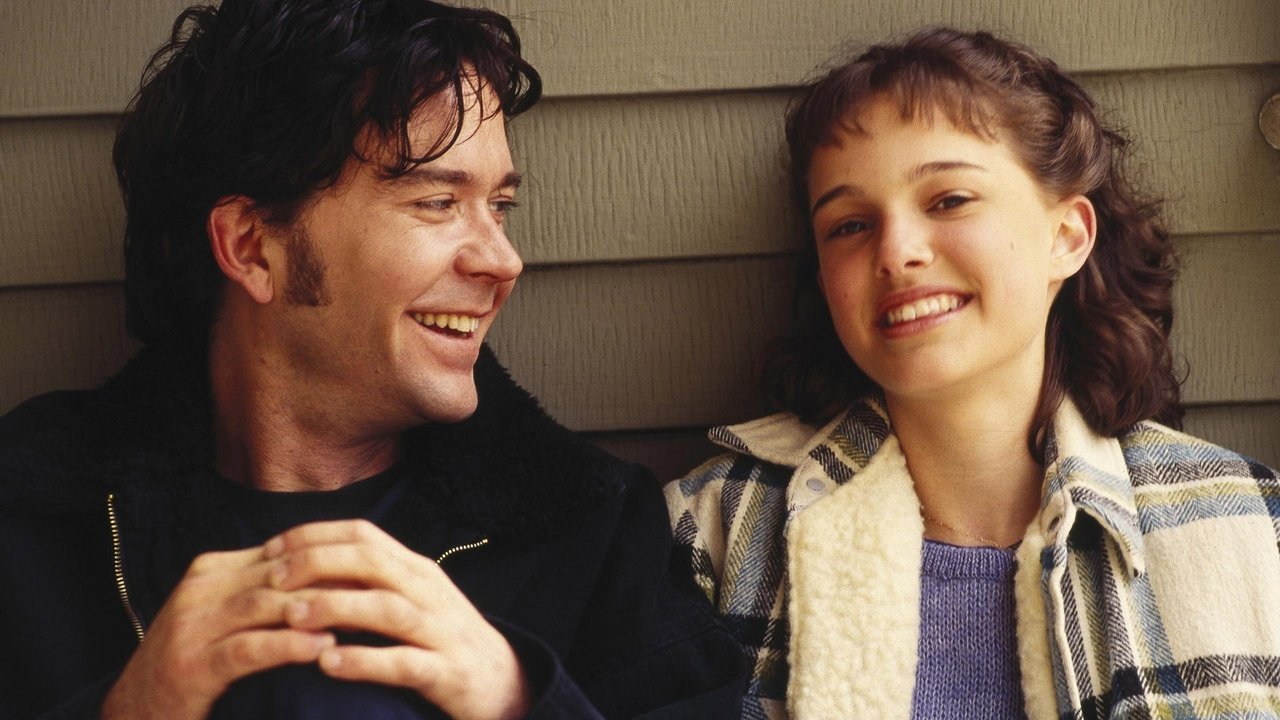
Director Ted Demme (nephew of Jonathan Demme, and who would later give us Blow (2001)) crafts a specific, palpable atmosphere. You can almost feel the bite of the Massachusetts winter air (though interestingly, the film was primarily shot in Stillwater, Minnesota, chosen for its quintessential small-town look). The snow isn't just scenery; it feels like a blanket covering unspoken disappointments and frozen dreams. Demme lets the conversations breathe, favouring longer takes and relying on the strength of his ensemble cast. There’s a lived-in quality to their interactions, a sense of shared history that feels utterly authentic.
### Echoes of Reality
Part of that authenticity likely stems from Scott Rosenberg's script, which he has acknowledged was deeply personal, drawn from his own experiences and friends growing up in Needham, Massachusetts. This wasn't just conjured Hollywood angst; it felt rooted in something real, something many of us who came of age around that time recognised – that strange push-and-pull between the comfort of the familiar and the fear of being trapped by it. Rosenberg, who also penned Things to Do in Denver When You're Dead (1995) and Con Air (1997), shows a real knack here for dialogue that sounds like people actually talking, complete with the rambling tangents, inside jokes, and moments of unexpected vulnerability. Demme reportedly encouraged improvisation, allowing the actors to further deepen that sense of realism. You get the feeling these guys have known each other forever.
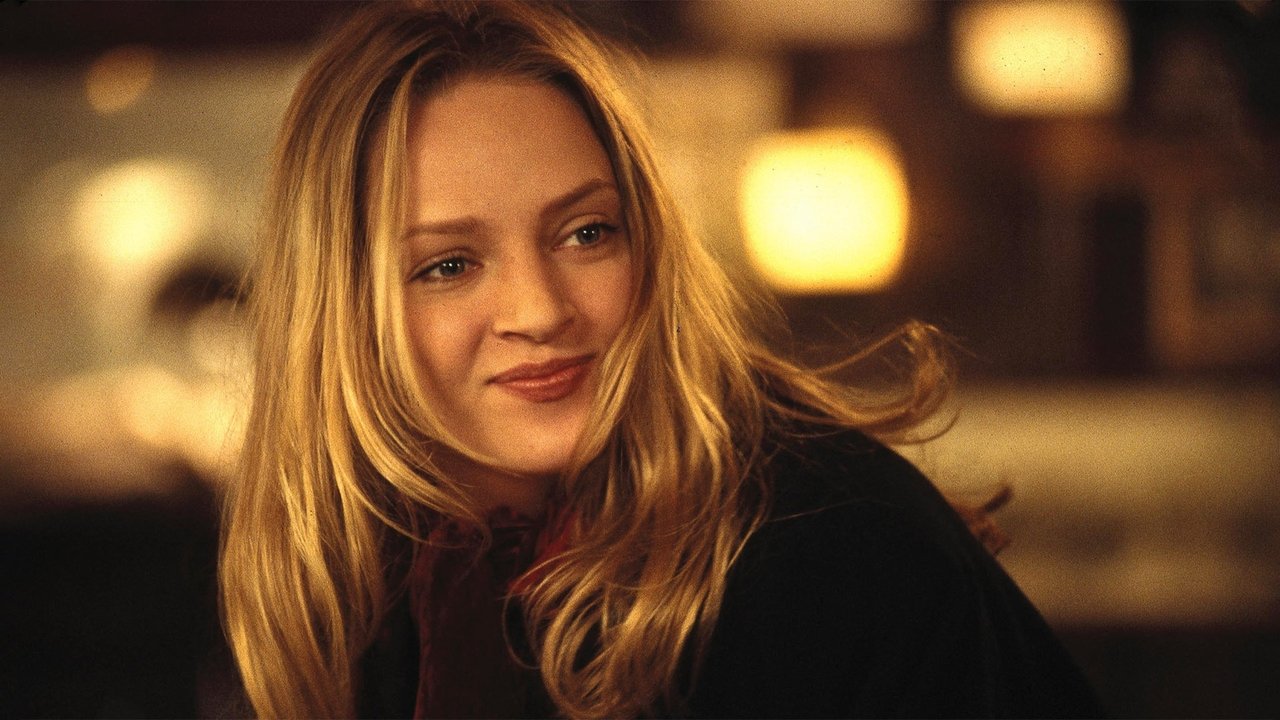
The casting feels pitch-perfect across the board. Hutton carries the film's contemplative center, his Willie acting as our weary guide through this landscape of arrested development. Dillon leans into Mo's less savory aspects but finds flickers of the scared kid underneath. Lauren Holly as Darian, Mo's former flame and now married with kids, brings a poignant sense of roads not taken. And then there's Uma Thurman as Andera, the visiting cousin, radiating an almost otherworldly beauty that throws the local guys completely off-kilter – the "beautiful girl" of the title who represents an escape, an ideal, perhaps just as unattainable as Paul's supermodels. It’s said that both Thurman and Mira Sorvino (who shines as the long-suffering Sharon) were considered for each other's roles initially, a fascinating "what if" for fans of the film.
### That Sweet Caroline Feeling
Of course, you can't talk about Beautiful Girls without mentioning its soundtrack. It’s woven into the film's DNA, perfectly capturing the mood – from the Spin Doctors to Afghan Whigs. But the undeniable centerpiece is the bar scene singalong to Neil Diamond's "Sweet Caroline." It's such a pure moment of communal, slightly drunken joy, a temporary escape from the anxieties pressing in on everyone. It feels spontaneous, earned, and utterly relatable – who hasn't found solace or connection yelling along to a beloved song with friends? Apparently, Demme had the cast genuinely drinking during the filming of these bar scenes to capture that loose, uninhibited energy. Budgeted at a modest $16 million, the film wasn't a huge box office smash ($10.6 million domestic), but its resonance grew over time, finding its audience on VHS and cable – precisely the kind of film that thrives in the "VHS Heaven" ecosystem.
### Last Call
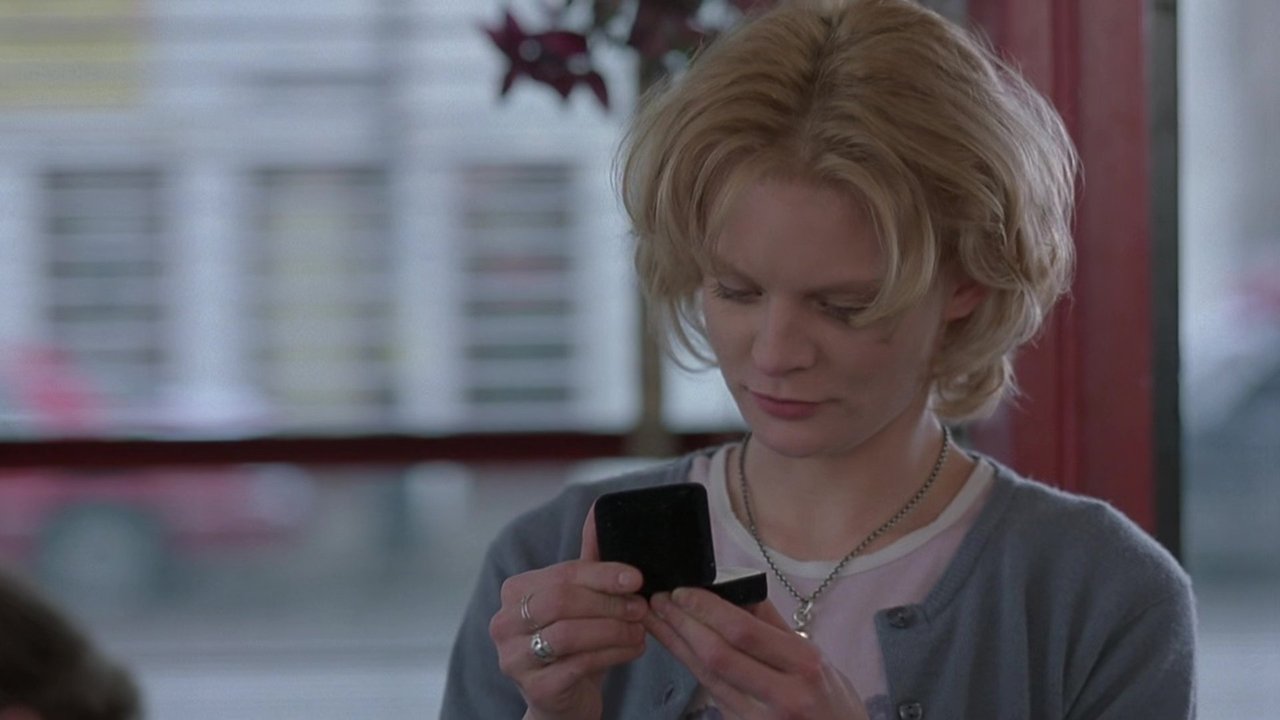
Beautiful Girls isn't driven by high stakes or dramatic plot twists. Its power lies in its quiet observations, its relatable characters, and its melancholic charm. It asks questions about happiness, commitment, and whether the dreams of youth can survive the compromises of adulthood. Willie's interactions with young Marty tread a delicate, potentially uncomfortable line, exploring the allure of youthful certainty from the perspective of adult confusion, but the film handles it with surprising sensitivity, largely thanks to Portman's remarkably mature performance. It doesn't offer easy answers, mirroring the uncertainty its characters feel.
Rating: 8/10
This score reflects the film's exceptional ensemble cast, its authentic dialogue and atmosphere, and its thoughtful exploration of relatable themes. Portman's performance is a standout, and Demme’s direction creates a palpable sense of place and mood. While the pacing might feel slow to some, and not every character arc feels fully satisfying, its strength lies in its honest portrayal of that confusing drift into adulthood. It's a film that lingers, much like the winter chill of Knight's Ridge, prompting reflection on our own journeys and the ghosts of expectations past. It remains a standout 90s dramedy, a tape well worth revisiting.