Okay, fellow travelers through the magnetic tape jungle, let's dim the lights and rewind to a place where the neon bleeds into the grime, and loyalty is as disposable as a cheap burner phone. Some films arrive quietly, settling into the back corners of the video store. Others kick the door down, dragging you into their world whether you're ready or not. Takashi Miike's 1995 Molotov cocktail, Shinjuku Triad Society (新宿黒社会 チャイナ マフィア戦争 / Shinjuku kuroshakai: Chaina mafia sensô), belongs firmly in the latter camp. This wasn't just another yakuza flick; it felt like a transmission straight from the Tokyo underworld, raw, unpredictable, and utterly volatile.
### Neon Nightmare Fuel
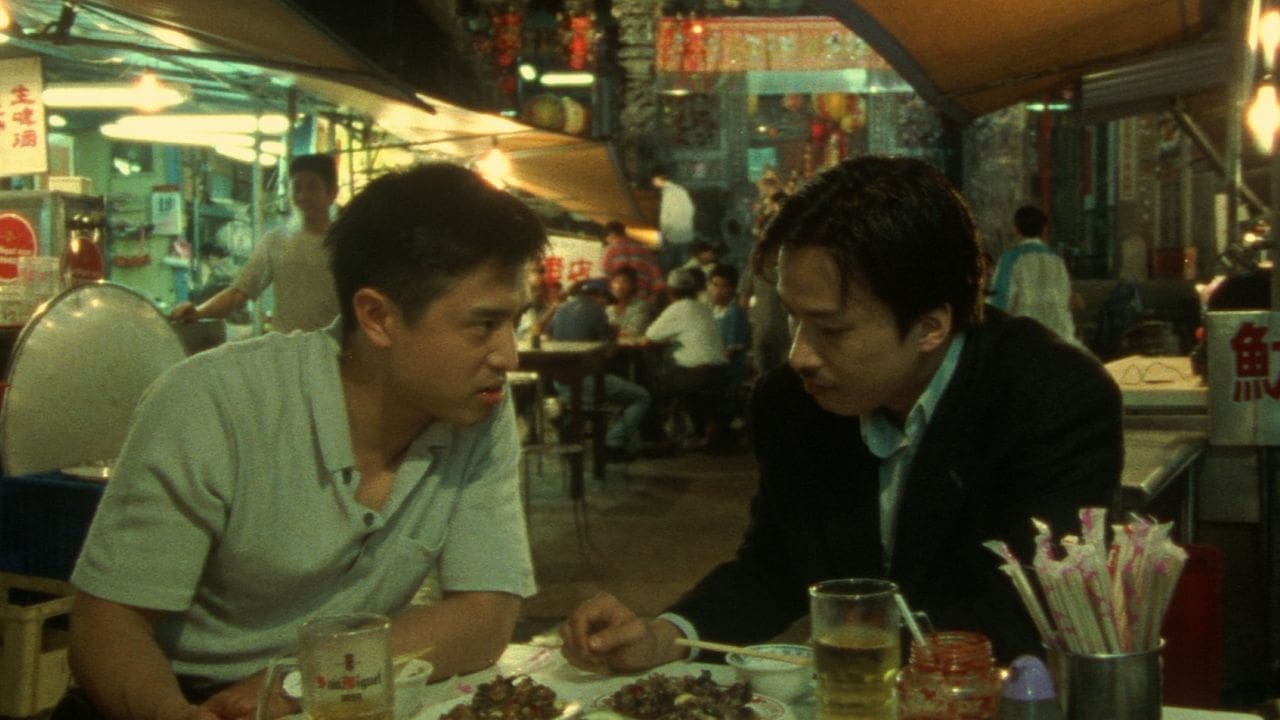
Forget polished gangster epics. Shinjuku Triad Society plunges you headfirst into the chaotic melting pot of its titular district, a place teeming with Japanese yakuza, Chinese triads, and corrupt cops barely distinguishable from the criminals they pursue. The air itself feels thick with desperation and imminent violence. Miike, even relatively early in his feature film career after honing his craft in the direct-to-video (V-Cinema) market, already displays his signature fearlessness. He doesn’t just depict crime; he dissects the frayed nerves, the tribal hatreds, and the simmering ethnic tensions that fuel it. The film practically vibrates with a restless energy, shot with a handheld immediacy that often feels more like a combat documentary than a crime thriller. This wasn't slick Hollywood nihilism; this felt dirty, authentic, and dangerously close to the bone.
### A Cop on the Razor's Edge
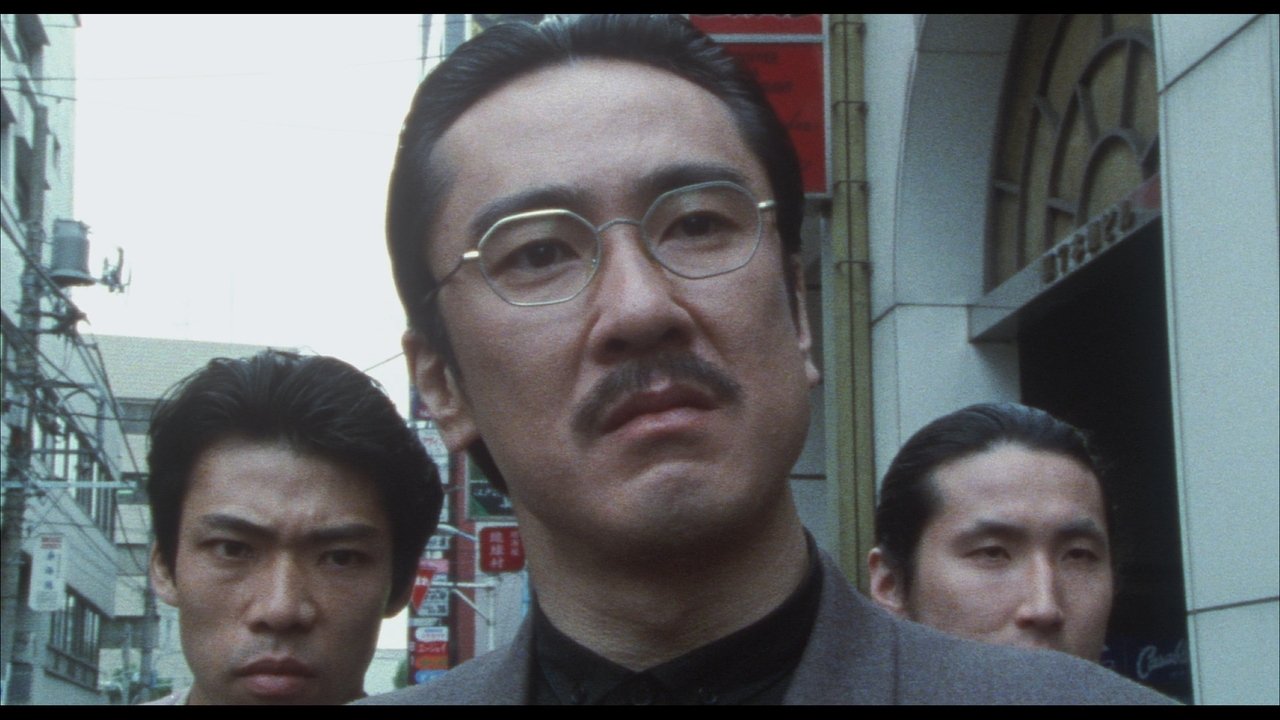
At the centre of this maelstrom is Detective Kiriya, played with a weary intensity by Kippei Shiina. Kiriya isn't your typical hero cop. He's compromised, violent, and walking a tightrope defined by his own mixed heritage – half-Japanese, half-Taiwanese – which leaves him distrusted by both sides. His younger brother has fallen in with the ruthless Taiwanese Dragon's Claw gang, led by the utterly psychotic Wang. Shiina embodies the internal conflict beautifully; you see the struggle in his eyes, the constant calculation behind the aggressive facade. He's a man drowning in the filth he's supposed to be cleaning up, and his journey is less about redemption and more about desperate survival. It's a complex portrayal that grounds the film's more extreme elements.
### The Unforgettable Villain
And then there's Wang. Oh, Wang. Portrayed by the incredibly versatile Tomorowo Taguchi (often seen in more comedic or quirky roles, making this performance even more jarring), Wang isn't just a villain; he's a force of nature, a chilling embodiment of unchecked sadism and ambition. Forget eloquent speeches or tragic backstories. Wang operates on pure predatory instinct, his unsettling calm often more terrifying than his explosive violence. His methods, particularly his unique and disturbing means of smuggling illicit goods, are the stuff of midnight movie legend. Taguchi's performance is magnetic and repulsive in equal measure. Doesn't that unsettling grin still linger long after the credits roll? It’s a character that burns himself into your memory, a benchmark for screen villainy that feels genuinely dangerous. Miike reportedly encouraged Taguchi to push the boundaries, resulting in a performance that feels almost feral.

### Miike's Raw Vision & Retro Facts
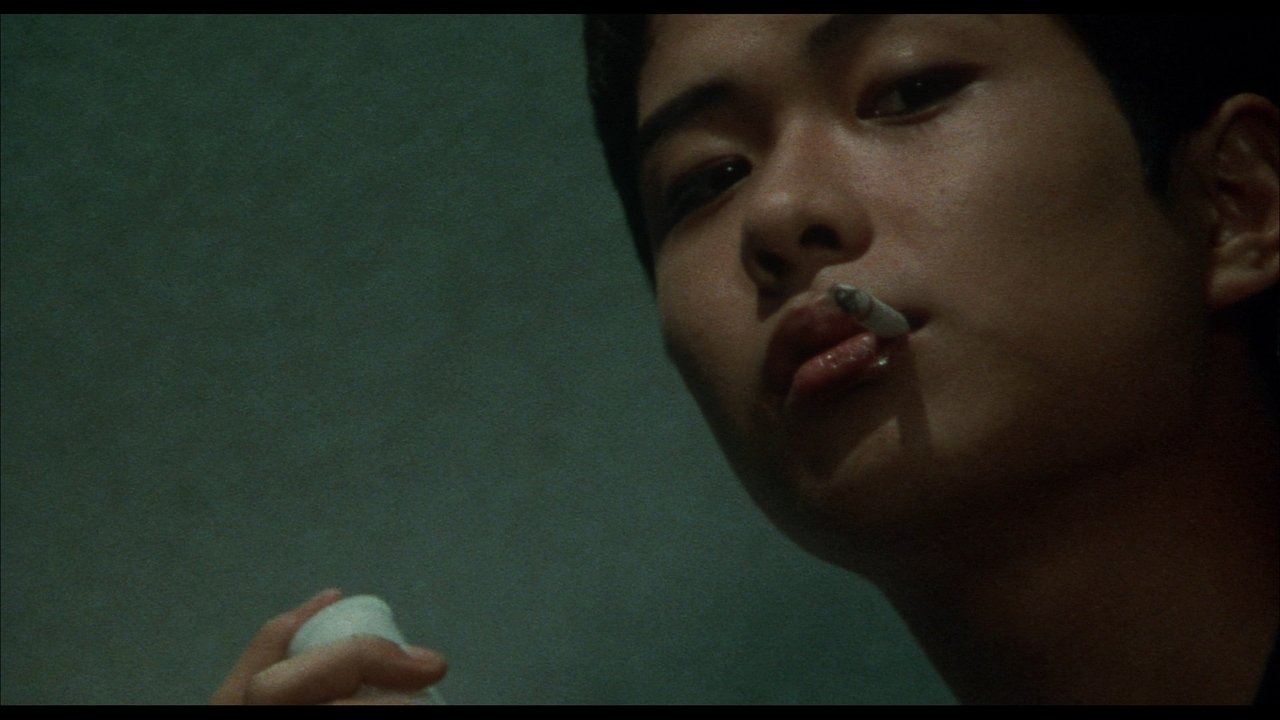
This film marked the beginning of Miike's unofficial "Black Society Trilogy" (followed by Rainy Dog (1997) and Ley Lines (1999)), exploring themes of identity and belonging amongst Japan's marginalized communities. Shot quickly and likely on a tight budget typical of Miike's V-Cinema origins transitioning to theatrical release, Shinjuku Triad Society uses its limitations to its advantage. The rough edges, the sometimes-gritty cinematography, the lack of gloss – it all adds to the suffocating realism. You can almost smell the stale cigarette smoke and damp concrete.
- Miike's Pace: Known for his prolific output, Miike often shot films incredibly quickly. This pace sometimes translates into a raw, almost improvisational energy on screen, perfectly suiting the chaotic narrative here.
- Controversial Content: The film didn't shy away from taboo subjects, including graphic violence and hints of incestuous undertones, which certainly made it a conversation starter and likely limited its mainstream appeal outside of Japan and cult circles. Remember seeing this on a grainy VHS, maybe passed hand-to-hand? It felt like forbidden knowledge.
- Real Locations: Much of the film was shot guerilla-style in the actual Shinjuku district, adding an undeniable layer of authenticity to the bustling, often seedy, atmosphere. You weren't just watching a set; you were immersed in the real deal.
The violence, when it erupts, is brutal and unflinching. It lacks the balletic quality of Hong Kong actioners or the stylised cool of Tarantino. Here, violence is ugly, desperate, and has tangible consequences. It’s designed to shock, yes, but also to underscore the dehumanizing nature of the world these characters inhabit.
### Enduring Power of Grit
Watching Shinjuku Triad Society today, it still packs a visceral punch. While some elements might feel dated to modern eyes accustomed to slicker productions, the raw power and confrontational energy remain undeniable. It's a film that grabs you by the throat and refuses to let go, forcing you to confront the darkness festering beneath the neon glow. It perfectly captures that feeling of discovering something truly transgressive on a late-night video store run – a film that didn’t play by the rules and left you reeling. For fans of uncompromising crime cinema and those interested in the origins of one of modern Japanese cinema's most vital (and controversial) directors, this is essential viewing. It’s a harsh, often unpleasant ride, but an undeniably potent one.
---
VHS Heaven Rating: 8.5/10
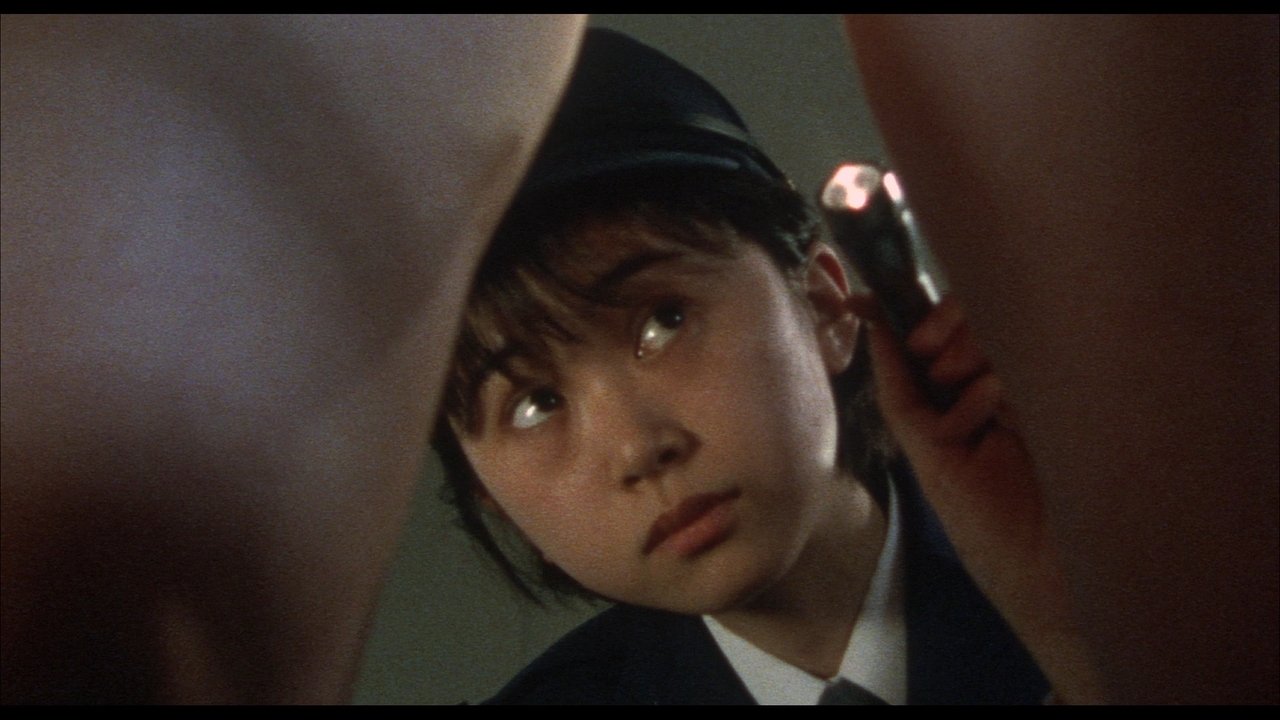
Justification: The rating reflects the film's raw power, Takashi Miike's bold direction, and the unforgettable performances, particularly from Tomorowo Taguchi. Its unflinching portrayal of violence and taboo themes, coupled with its gritty atmosphere and exploration of identity, make it a standout cult classic. While its relentless grimness and rough edges might not be for everyone, its impact and energy are undeniable. It loses a point or so for pacing that occasionally stumbles amidst the chaos, but its strengths far outweigh its minor flaws.
Final Thought: Shinjuku Triad Society isn't just a movie; it's an experience – a brutal, electrifying plunge into an underworld that feels disturbingly real, showcasing the nascent genius of a director who would continue to shock and provoke for decades to come. A true gem from the grittier side of the 90s VHS shelf.