Here we go, another dive into the stacks, pulling out a film that, while technically landing just as the new millennium dawned (2000), feels absolutely steeped in the gritty, confrontational spirit often found tucked away in the 'Crime' or 'Cult' sections of those beloved video stores. We're talking about Andrew Dominik's startling debut feature, Chopper. This isn't a comfortable watch, mind you. It’s a film that grabs you by the collar, stares you down, and dares you to look away – largely thanks to one of the most astonishing screen transformations you're ever likely to witness.
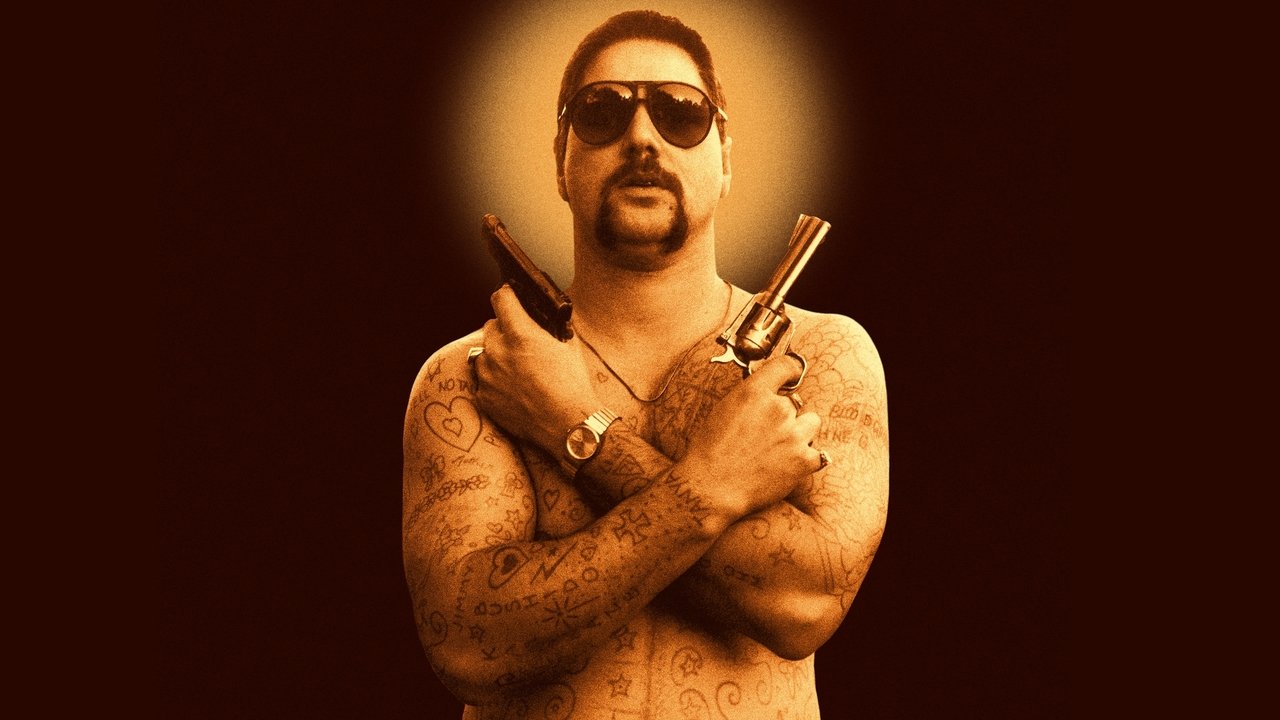
Meet Mark Read, Maybe
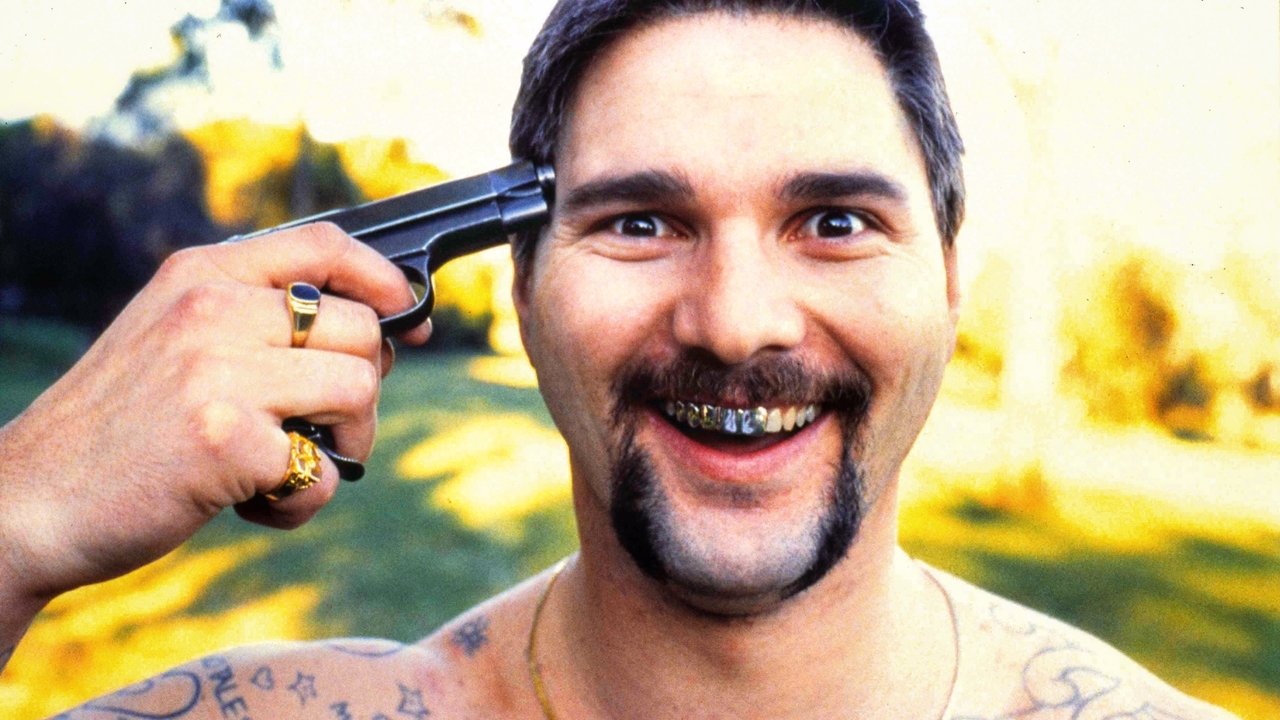
The first thing that hits you, and frankly, stays with you long after the credits roll, is Eric Bana. Before Hollywood came calling, before Hulk (2003) or Troy (2004), Bana was primarily known in Australia for his comedy sketch work. Seeing him embody Mark "Chopper" Read – the infamous, self-mythologizing Melbourne underworld figure – is nothing short of jaw-dropping. This isn't just mimicry; it's a full-bodied inhabitation. Bana gained significant weight (reportedly around 30 pounds), shaved his head, and adorned himself with crude prison tattoos, but the transformation runs far deeper than the physical. He captures Read's unsettling charisma, the volatile shifts between jovial raconteur and menacing brute, the glint in the eye that suggests both calculated performance and genuine psychopathy. It’s a performance built on contradictions, making Read simultaneously repellent and magnetic. You can't quite believe this is the same guy who was doing celebrity impersonations on TV just a few years prior. It’s said that director Andrew Dominik, searching for his lead, was convinced after seeing Bana perform a particularly intense, borderline psychotic character in his comedy show – a leap of faith that paid off immensely.
The Unreliable Narrator Incarnate
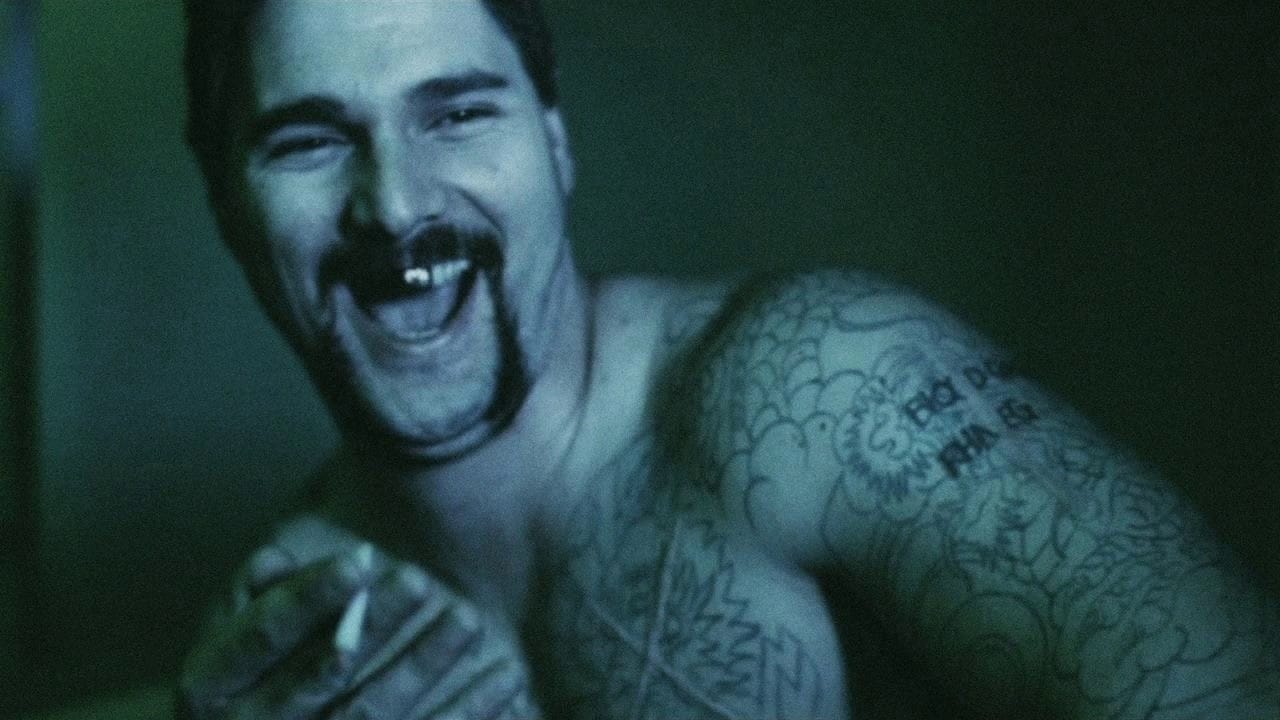
What elevates Chopper beyond a standard biopic is its embrace of ambiguity. Based on Read's own semi-autobiographical (and often contradictory) books, the film doesn't pretend to offer the definitive truth. Instead, it leans into the idea of Chopper as a performer, a man constructing his own legend, often through violence and exaggerated tales. Dominik, in his writing and directing, cleverly presents events with a kind of detached brutality, often followed by Read's own televised interviews where he spins the same incidents with a self-serving, darkly humorous gloss. We see the horrifying ear-cutting incident in Pentridge Prison, then we hear Read's almost nonchalant retelling. Which version is real? Does it even matter? The film seems to suggest that the performance is the reality for a man like Read. Apparently, the real Mark Read, who consulted briefly with Bana (spending a day together where Bana absorbed his mannerisms), generally approved of the film and Bana's portrayal, though naturally, he contested certain details – perfectly in character, wouldn't you say?
A Symphony of Tone Shifts
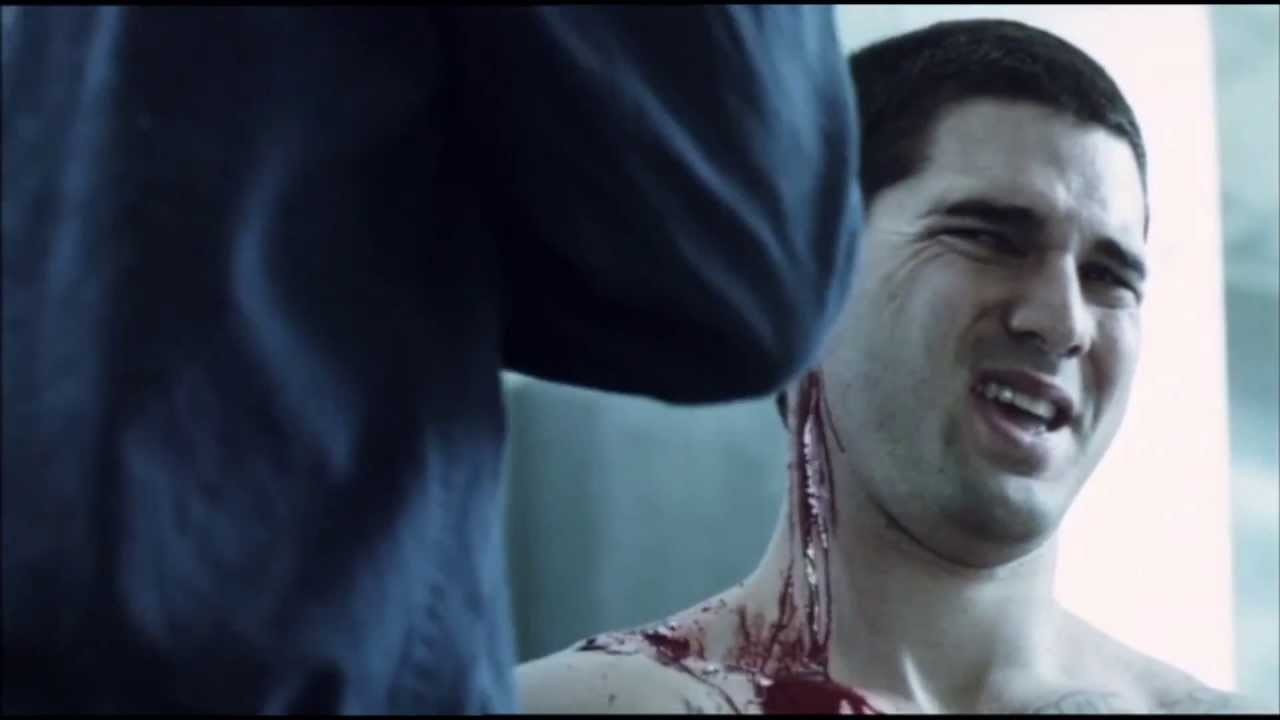
Dominik orchestrates the film with a confidence that belies his debut status. He masterfully navigates jarring tonal shifts, lurching from moments of shocking violence to scenes laced with absurd, pitch-black humour, often within the same breath. The visual style is raw and immediate, often using tight close-ups that force intimacy with Bana's imposing presence, interspersed with almost hallucinatory sequences that reflect Read's state of mind or the haze of drugs and paranoia. The soundtrack, too, plays a crucial role, juxtaposing gritty diegetic sounds with unexpected musical choices that somehow amplify the disorientation. It's a film that feels deliberately off-kilter, mirroring the protagonist's own fractured personality. The low budget (estimated around $3-5 million AUD) seems almost an advantage, lending a necessary roughness to the aesthetic, perfectly capturing the grimy milieu of Melbourne's criminal underworld and stark prison life, filmed partly within the forbidding walls of the actual, decommissioned Pentridge Prison.
Challenging Comfort Zones
Chopper isn't seeking your approval. It presents its subject, warts and all (and there are many, many warts), without easy condemnation or glorification. It forces us to confront uncomfortable questions about the nature of celebrity, violence, and truth itself. Why are we drawn to figures like Read? What does his ability to manipulate his own narrative say about our media landscape? The supporting cast, including Vince Colosimo as Neville Bartos and Simon Lyndon as Jimmy Loughnan, provide effective foils to Bana's whirlwind energy, grounding the film in moments of desperate reality amidst Read's grandstanding. It's a testament to the filmmaking that even amidst the brutality and bleakness, there's a strange, compelling energy that keeps you hooked. This wasn't just another crime flick; it felt like a genuine cinematic event, sparking considerable debate upon its release about its unflinching portrayal of a violent criminal.
A Lasting Impression
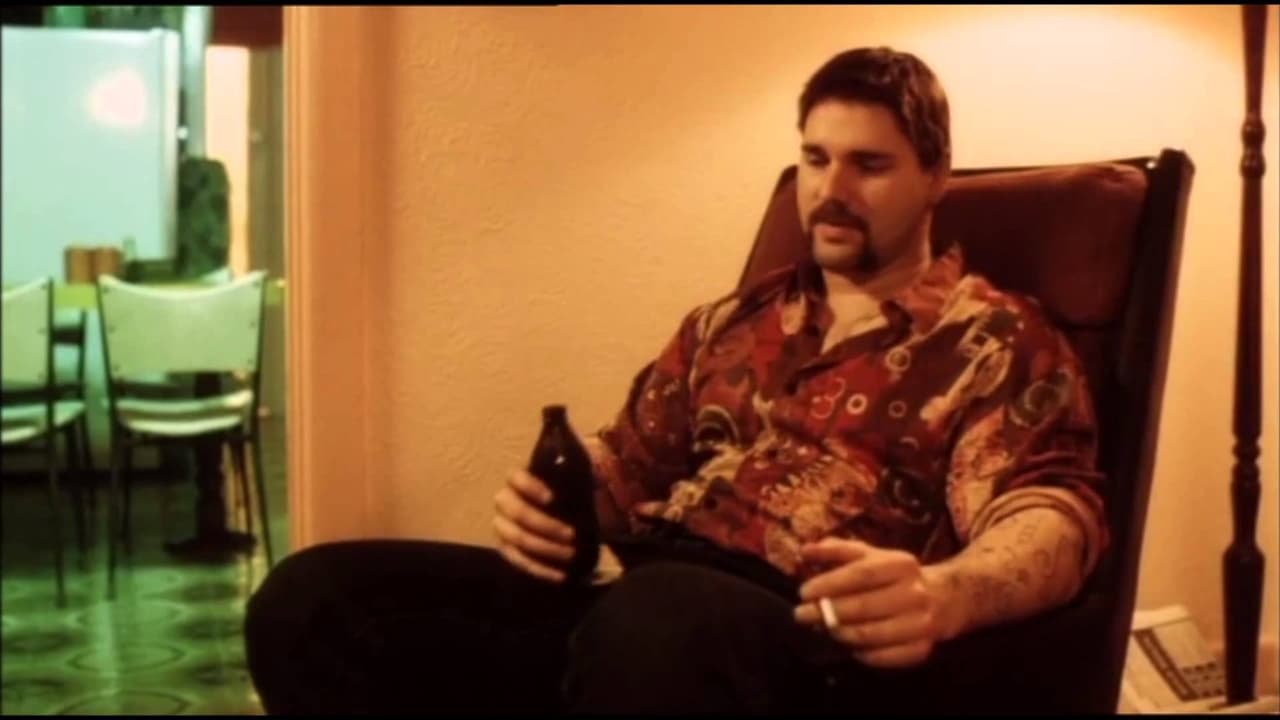
Though released in 2000, Chopper possesses the enduring power of the best cult discoveries from the VHS era. It's raw, uncompromising, and features a central performance for the ages – one that deservedly launched Eric Bana onto the international stage and marked Andrew Dominik (who would later give us the meditative The Assassination of Jesse James by the Coward Robert Ford (2007)) as a director of singular vision. It’s the kind of film that might have sat on the shelf at the local video store, its cover art hinting at something intense and unusual, rewarding the adventurous renter with an experience they wouldn't soon forget.
Rating: 9/10
This score reflects the film's sheer audacity, its technical proficiency, and above all, Eric Bana's monumental, star-making performance. It’s a near-perfect execution of a challenging concept, crafting a biopic that's as complex and contradictory as its subject. Chopper doesn't just recount a life; it pulls you into a disturbed psyche, leaving you rattled, maybe a little queasy, but undeniably impressed. It lingers, much like the ghost of those video store aisles, a potent reminder of cinema's power to confront and provoke.