Alright, let's rewind the tape. Pop this one in the VCR, maybe fiddle with the tracking just a hair, and settle in. Because some comedies from the 90s weren't just funny – they had a surprising amount of heart beating beneath the slapstick. And few hammered that home, quite literally sometimes, like 1995's Tommy Boy. Dismissed by some critics upon release, this road trip rescue mission became a bona fide phenomenon on home video, a testament to the raw, untamed comedic force of nature that was Chris Farley.
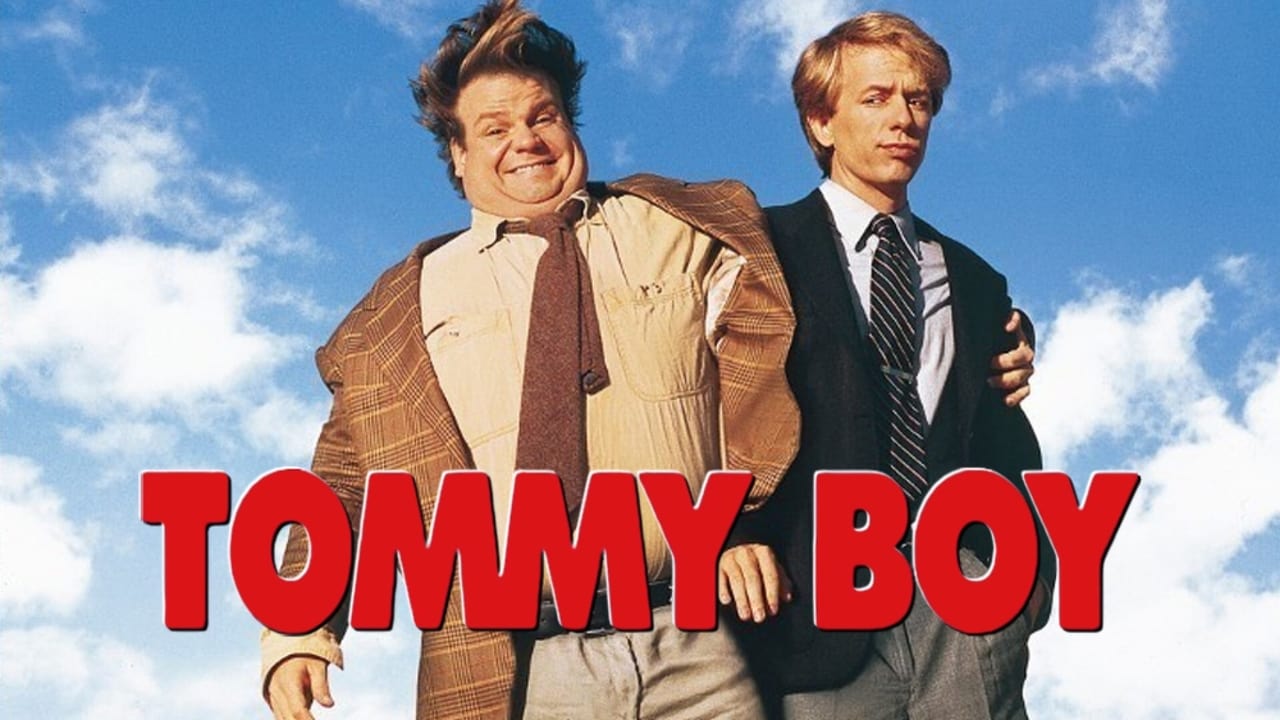
### Seven Years of College Down the Drain... Or Was It?
The premise is simple enough for a back-of-the-box blurb: Thomas R. Callahan III (Chris Farley), a lovable, walking disaster area who finally graduates college after seven long years, returns home to Sandusky, Ohio. His proud father, Big Tom Callahan (Brian Dennehy, bringing his reliable gravitas), owns the local auto parts factory. Tragedy strikes, Big Tom passes away, and the company's future rests squarely on Tommy's inexperienced, perpetually flustered shoulders. To save the family business from predatory relatives (a perfectly smarmy Rob Lowe) and his stepmother (the iconic Bo Derek), Tommy hits the road with his dad's uptight, sarcastic assistant, Richard Hayden (David Spade), to drum up sales. It's the classic odd couple formula, supercharged by Farley's explosive energy.
### The Farley & Spade Show
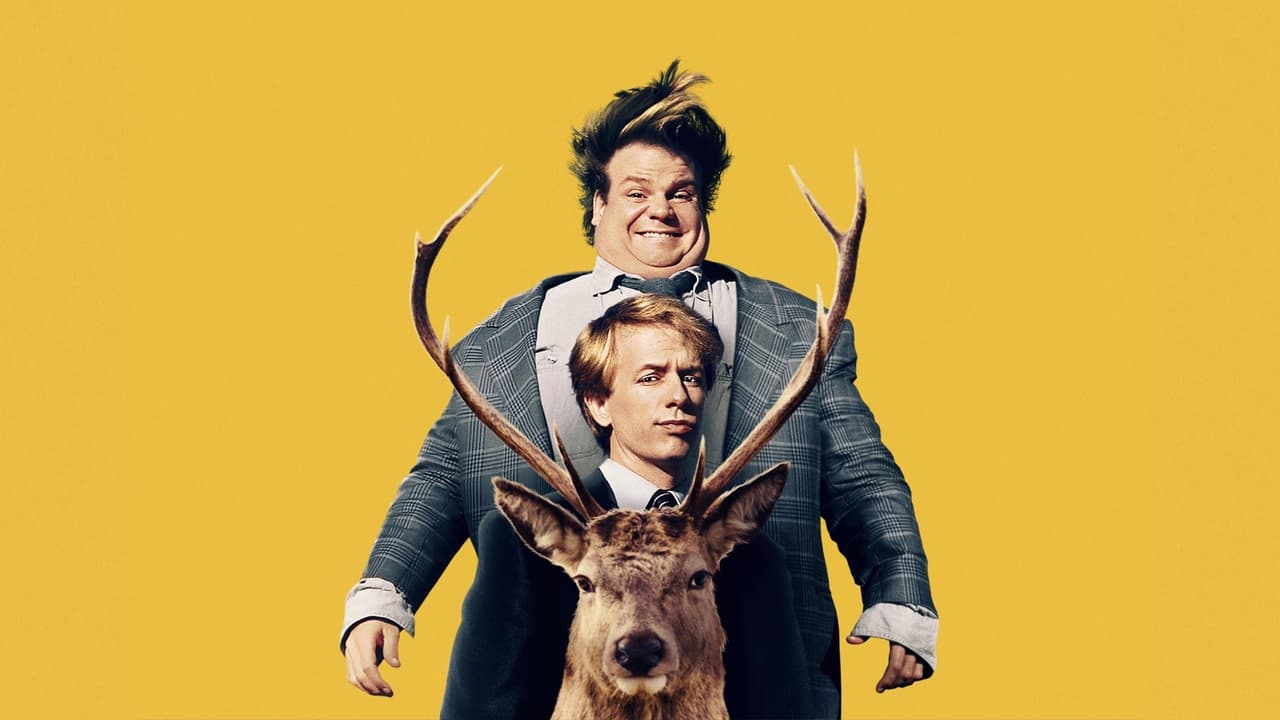
Let's be honest, the plot is merely the vehicle (pun intended) for the glorious chemistry between Farley and Spade. Their real-life friendship, famously forged during their Saturday Night Live tenure, crackles on screen. Farley is a whirlwind of physical comedy – pratfalls, bellowing insecurity, moments of surprising sweetness – while Spade delivers perfectly timed, acerbic zingers that cut through the chaos like a finely sharpened knife. You absolutely believe their exasperated, yet ultimately loyal, bond. Watching them riff off each other feels less like scripted dialogue and more like eavesdropping on two buddies constantly trying to one-up (or just survive) each other. It's a dynamic few comedy duos have ever truly matched. Interestingly, while their friendship was genuine, reports from the set often mentioned the pair could drive each other nuts, mirroring their on-screen dynamic perhaps a little too closely at times, adding another layer of authenticity to their bickering.
### Highway to Hilarious Hell
The road trip structure allows for a series of now-legendary comedic set pieces. Who can forget the tormented deer regaining consciousness in the backseat of their borrowed classic Plymouth GTX? Or Tommy accidentally setting a potential client's desk ablaze? Or the sublime absurdity of the "fat guy in a little coat" routine? That last one, by the way, wasn't just a script invention – it was a bit Chris Farley and David Spade genuinely performed backstage at SNL to amuse themselves and Lorne Michaels. Its inclusion feels like a wonderful inside joke shared with the audience.
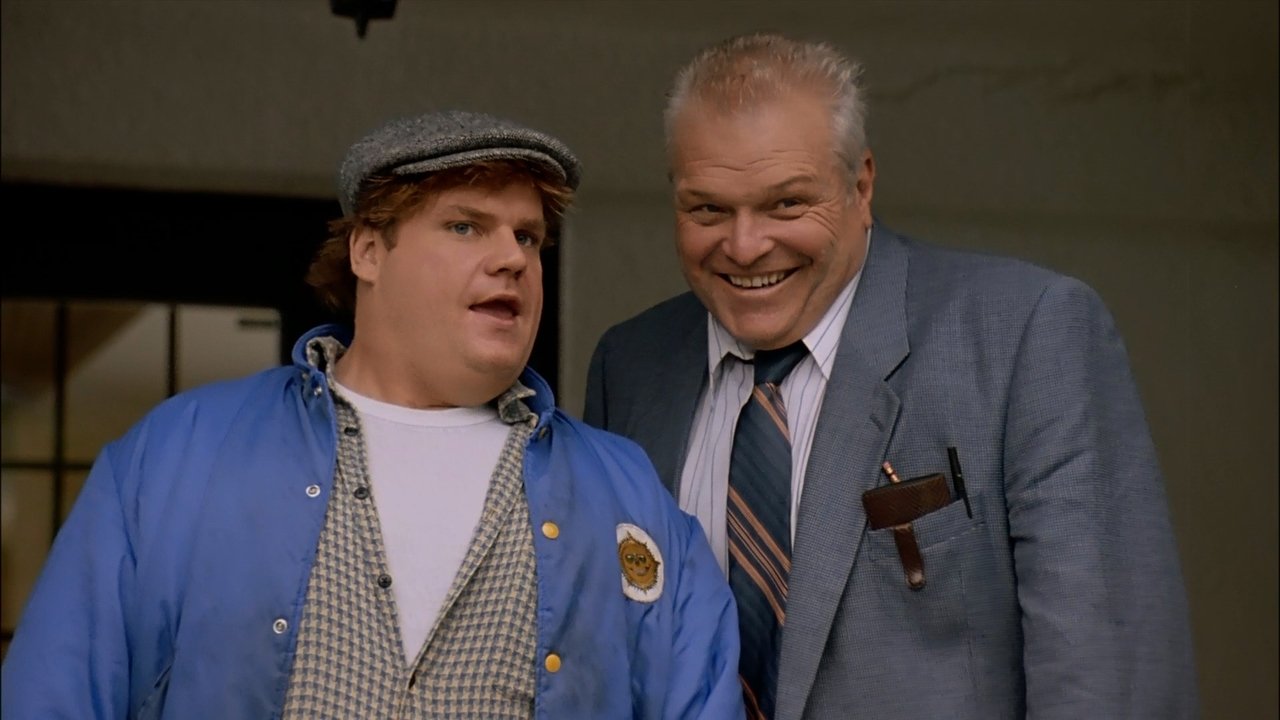
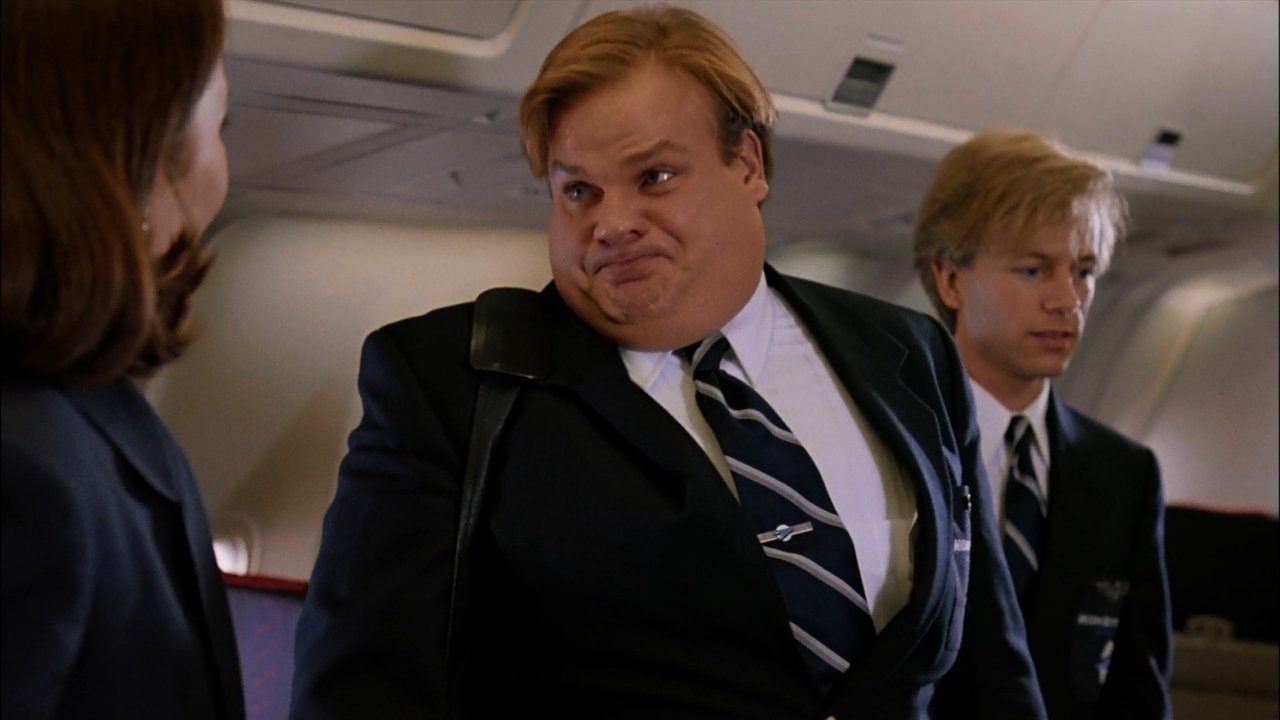
These moments aren't built on witty wordplay alone; they rely heavily on Farley's incredible physical commitment. He throws himself into every gag with a startling lack of vanity. It’s the kind of practical, tangible comedy that feels almost quaint today. There’s no CGI smoothing the edges – when Tommy face-plants, you feel it. Director Peter Segal, who had just come off directing Naked Gun 33 1/3: The Final Insult (1994), clearly understood how to frame Farley's genius, letting the camera capture the beautiful disaster unfolding without getting overly flashy.
### More Than Just Laughs?
Beneath the spilled coffee, mangled car parts, and singed suits, Tommy Boy smuggles in a surprising amount of warmth. Tommy’s genuine desire to live up to his father’s legacy, his underlying insecurity masked by bravado, gives the film an unexpected emotional anchor. Brian Dennehy, though his screen time is limited, casts a large shadow, making Tommy's quest feel meaningful. Even Richard, Spade's character, reveals flickers of humanity beneath the sarcasm, genuinely rooting for Tommy by the end. It’s this heart, mixed with the gut-busting laughs, that elevates Tommy Boy beyond a simple gag-fest. It's why lines like "Holy Schnikes!" entered the lexicon and why you find yourself genuinely cheering for Callahan Auto.
### The Little Engine That Could (Sell Auto Parts)
Upon its release in March 1995, Tommy Boy wasn't exactly a critical darling. Reviews were mixed, often criticizing the thin plot and reliance on slapstick. It performed decently at the box office, pulling in around $32.7 million domestically against a reported $20 million budget, but it wasn't a runaway smash hit. Its true success story unfolded on VHS. Word-of-mouth and endless replays on home video turned it into a massive cult classic, the kind of tape permanently lodged in VCRs across the nation throughout the late 90s. Its success led Paramount to quickly re-team Farley and Spade for Black Sheep (1996), a film that, while sharing DNA, never quite recaptured the specific magic of Tommy Boy.
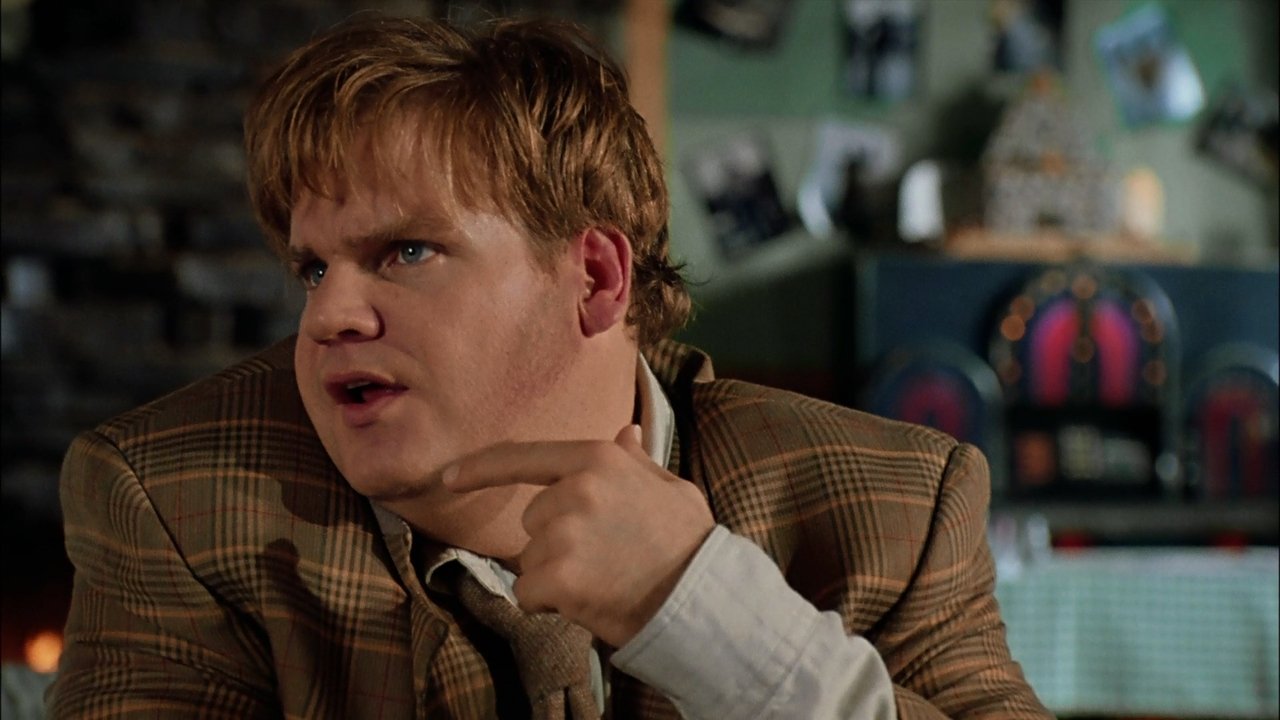
Rating: 8/10
This rating feels right because while Tommy Boy isn't narratively complex or cinematically groundbreaking, it achieves comedic perfection within its specific aims. The Farley/Spade chemistry is legendary, the physical comedy is top-tier, iconic gags abound, and it possesses a genuine, undeniable heart that resonates even more strongly today. It perfectly captured Farley's unique, vulnerable energy at his leading-man peak.
Tommy Boy remains a joyous, endlessly rewatchable slice of 90s comedy. It’s a film powered by pure, unadulterated Farley, a reminder of a comedic talent gone far too soon, forever preserved on those well-loved VHS tapes. Turn down the lights, ignore the slightly fuzzy picture, and just enjoy the ride. You know you want to.