Picture this: the Berlin Wall has crumbled, a continent is breathing a collective sigh of relief and change, and an East German family decides the perfect vehicle for their first taste of Western freedom and a grand Italian tour is… a Trabant. Yes, that plucky, puttering symbol of the GDR, made partially of recycled cotton waste. If that premise doesn't immediately spark a sense of affectionate absurdity, then buckle up, because 1991's Go Trabi Go is exactly that kind of charmingly offbeat adventure, a time capsule wrapped in a road trip comedy.

For many outside Germany, this film might be a delightful discovery stumbled upon in the dusty corners of a video store's foreign film section, or perhaps remembered from a late-night TV broadcast. But in Germany, hitting screens barely months after reunification in October 1990, Go Trabi Go wasn't just a movie; it was a phenomenon, tapping directly into the zeitgeist of newfound possibilities and cross-cultural bewilderment. It drew around 1.5 million viewers to cinemas, a testament to how perfectly it captured a unique historical moment with humor and heart.
### From Bitterfeld to Bella Italia
The film follows the Struutz family – patriarch and German teacher Udo (Wolfgang Stumph), his wife Rita (Marie Gruber), and their teenage daughter Jacqueline (Claudia Schmutzler). Udo, a man whose dreams have always been bigger than his modest Bitterfeld surroundings, harbours a lifelong ambition: to follow in the footsteps of Goethe and undertake the classic "Italian Journey." With the borders now open, he sees his chance. The chariot for this epic voyage? Their beloved, sky-blue Trabant 601 Universal (the estate version!), affectionately nicknamed "Schorsch."
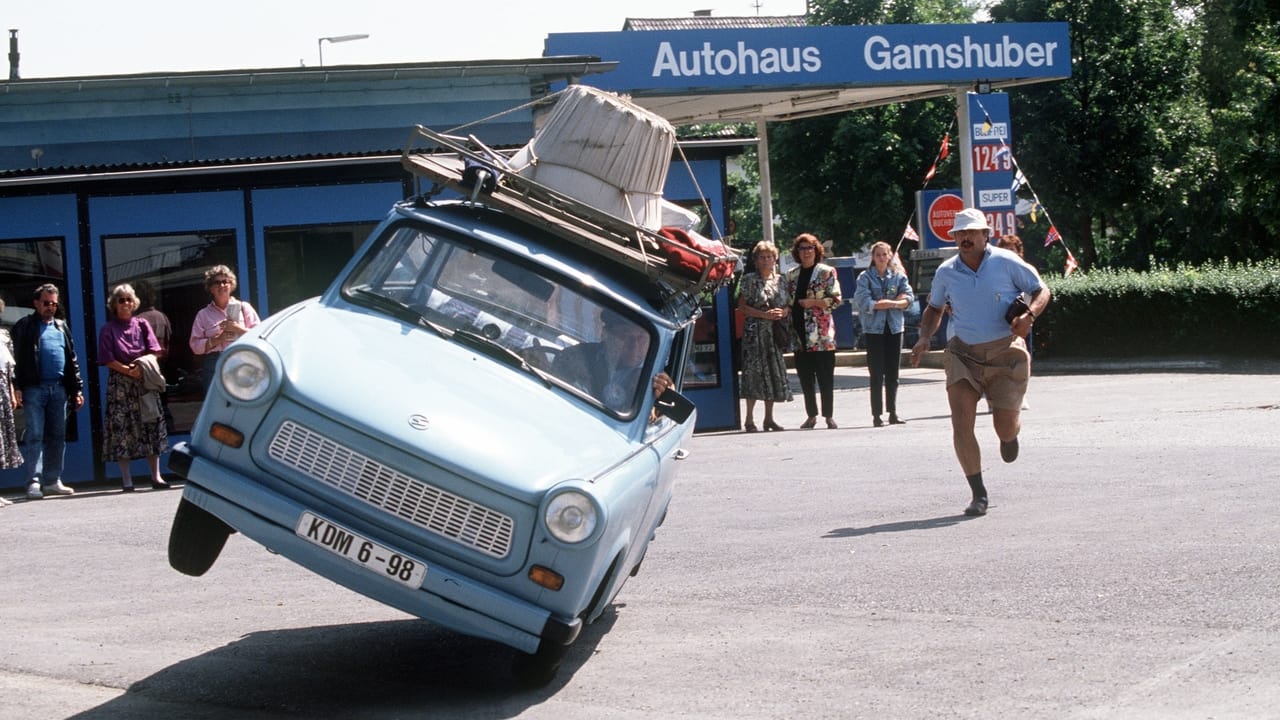
What follows is a classic fish-out-of-water narrative, amplified by the sheer unlikeliness of the vehicle. Director and co-writer Peter Timm (who also gave us the car-centric comedy Manta – Der Film) crafts a journey filled with predictable but warmly executed comedic scenarios. There are misunderstandings fueled by language barriers, encounters with bemused Westerners, and the constant, nagging anxiety about whether Schorsch will actually make it over the Alps, let alone survive the chaotic streets of Naples.
### The Little Car That Could (Maybe)
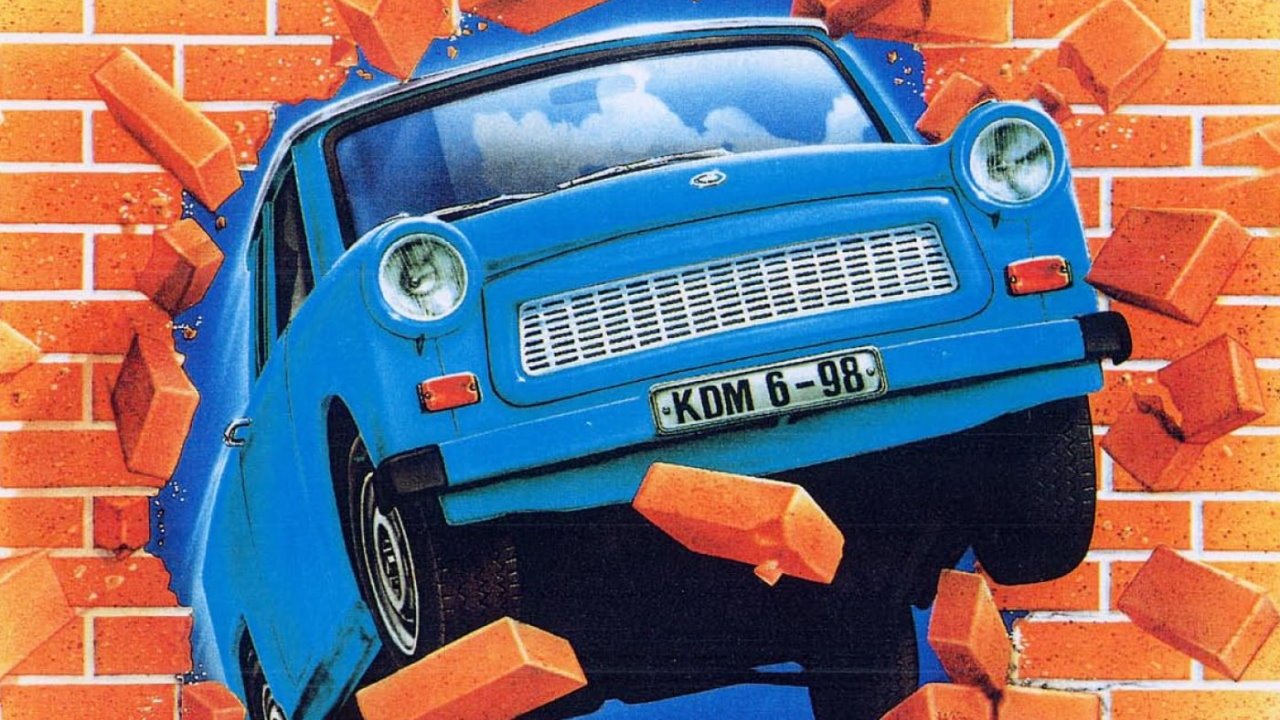
Let's be honest, the real star here is Schorsch. The Trabant, with its noisy two-stroke engine and Duroplast body (a resin composite that gave rise to jokes about it being made of cardboard), is both the enabler of the dream and its biggest obstacle. The film leans heavily into the car's legendary reputation for... well, character. Breakdowns are frequent, repairs are improvised, and the sheer audacity of taking this car on this trip becomes a running gag that never quite wears out its welcome. I remember watching scenes of Udo lovingly tending to Schorsch, coaxing it back to life, and feeling a strange sort of kinship. It wasn't just a car; it represented a past they were driving away from, yet couldn't entirely leave behind.
Wolfgang Stumph embodies Udo perfectly. He’s not just a bumbling tourist; he’s a proud intellectual, slightly pedantic, fiercely attached to his Trabi, and utterly convinced of the righteousness of his Goethe-inspired quest. His interactions with the more pragmatic Rita and the eye-rolling Jacqueline provide much of the film's relatable family dynamic. Claudia Schmutzler, as the daughter embracing Western pop culture with wide-eyed enthusiasm, offers a glimpse into the generational shift happening at the time.
### More Than Just a Laugh?
While primarily a lighthearted comedy, Go Trabi Go carries a gentle undercurrent of the historical moment. It doesn't delve deeply into the complexities of reunification, but it captures the initial wave of optimism, the culture clash, and the simple, profound joy of freedom of movement. Seeing the little Trabi navigate the grandeur of Rome or the sun-drenched landscapes of Italy is inherently poignant – a symbol of confinement breaking free into a wider world.
Retro Fun Fact: Filming the journey wasn’t just fictional adventure; the crew literally traced the path from former East Germany, through Bavaria and Austria, all the way down to Naples, capturing the contrasts along the way. Imagine the logistics of keeping multiple Trabants running for a film shoot across Europe! Another fun tidbit: the film's success immediately led to a sequel, Go Trabi Go 2 – Das war der wilde Osten (1992), which reversed the premise, bringing Westerners into the "wild East."
The film isn't without its flaws. The plot is fairly episodic, relying on vignettes rather than strong narrative drive, and some jokes might feel a bit dated now. But its charm is infectious. It’s a film made with genuine affection for its characters and, yes, even for that famously unreliable little car. It doesn't aim for biting satire, but rather a warm embrace of a unique transitional period.
### The Verdict
Go Trabi Go is a delightful slice of early 90s European nostalgia. It’s a film that wears its heart on its sleeve, offering gentle laughs and a surprisingly touching portrayal of a family navigating a changed world in the most unlikely of vehicles. It perfectly captured a moment for German audiences and remains a charming curiosity for retro film fans elsewhere. If you appreciate good-natured road trip comedies with a unique historical backdrop, or just have a soft spot for automotive underdogs, tracking down this VHS-era gem (or its digital equivalent) is well worth the effort.
Rating: 7/10 - While perhaps simple by today's standards, its warmth, historical context, and the undeniable charm of Wolfgang Stumph and his plucky Trabi earn it a solid recommendation. It’s a feel-good journey fueled by optimism and questionable engineering.
So, next time you’re complaining about car trouble, spare a thought for Udo Struutz and his little Schorsch, proving that sometimes the most memorable adventures happen in the most improbable rides. It reminds us that the journey, especially the first one into freedom, is often more important than the destination… or the horsepower.