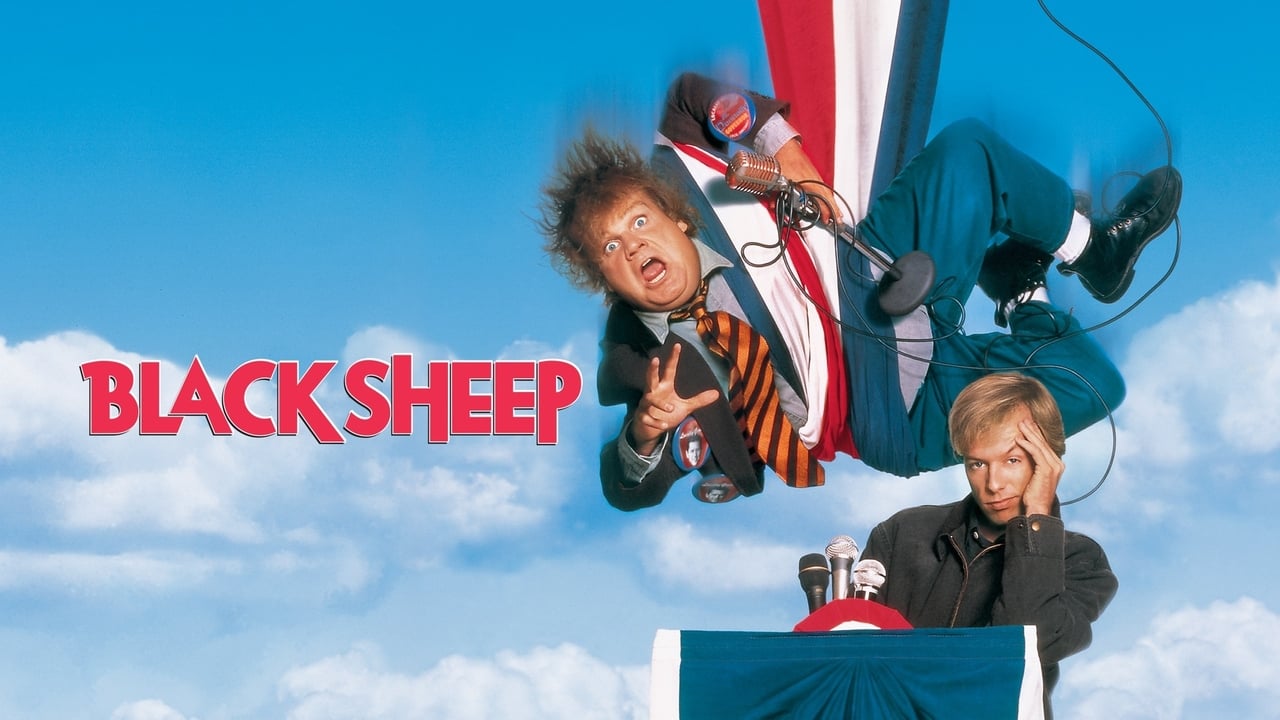
Alright, fellow tapeheads, slide that worn cassette into the VCR, maybe give the tracking knob a little tweak, and settle in. Tonight, we're diving into a mid-90s comedy artifact that always felt like it was trying really hard to recapture lightning in a bottle: 1996's Black Sheep. Coming hot on the heels of the surprise smash hit Tommy Boy, this film reunited the explosive physical comedy of Chris Farley with the dry, cutting wit of David Spade, aiming for another dose of that unlikely buddy magic. Did it succeed? Well, grab your oversized blazer and campaign button, because it's complicated.
Trying for Round Two
You can almost picture the studio executives at Paramount rubbing their hands together after Tommy Boy printed money in '95. "Get Farley and Spade back together! Now!" And so, Black Sheep was born, penned by Fred Wolf (a veteran of Saturday Night Live like the leads) and helmed by Penelope Spheeris, who'd already proven she could wrangle SNL energy into box office gold with Wayne's World (1992). The pressure was immense, and you can kind of feel it humming under the surface of the film. It follows Mike Donnelly (Chris Farley), the walking disaster area brother of squeaky-clean gubernatorial candidate Al Donnelly (Tim Matheson). To prevent Mike from torpedoing the campaign, aide Steve Dodds (David Spade) is assigned the unenviable task of keeping him out of trouble. Sound familiar?
Farley Unchained (and Downhill)
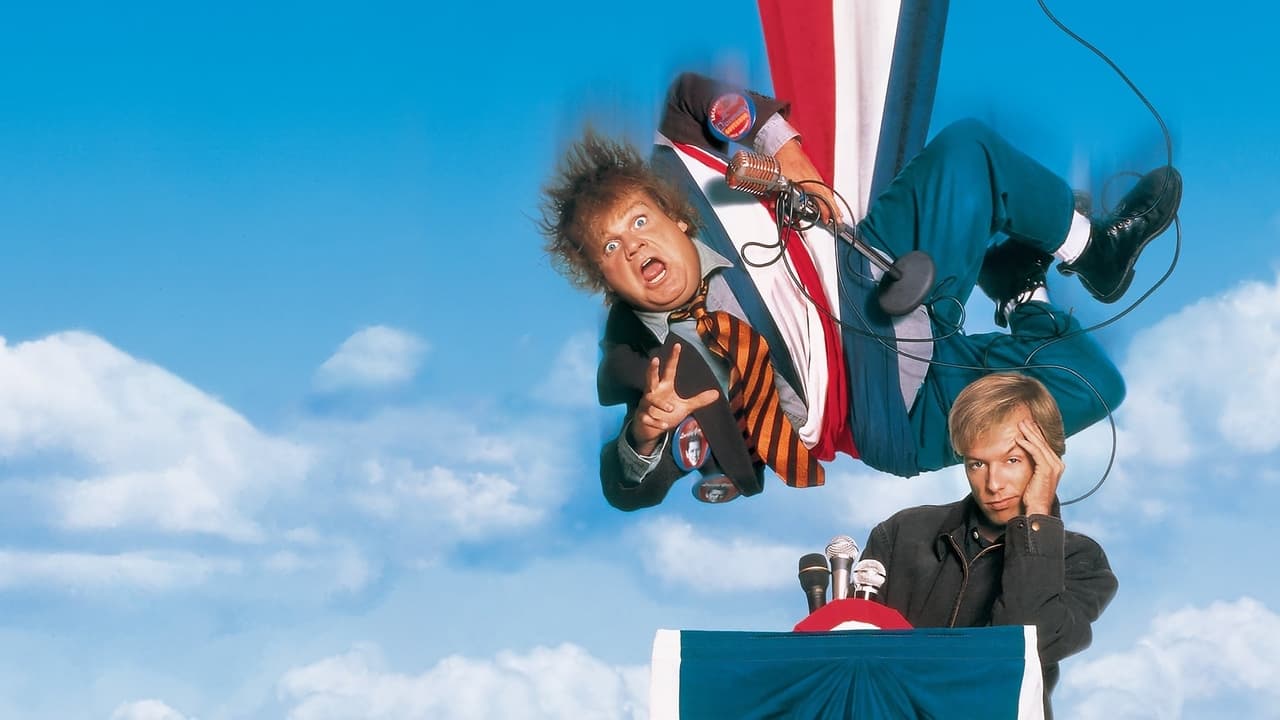
Let's be honest: the main reason to rewind this tape is Chris Farley. The man was a force of nature, a supernova of physical comedy whose commitment was absolute, bordering on alarming. While Tommy Boy had a certain sweetness underpinning the chaos, Black Sheep often feels a bit meaner, leaning harder into Mike's destructive potential. But Farley throws himself into it – literally. Remember that scene where he tumbles endlessly down that steep, wooded hill? They reportedly shot that multiple times, with Farley genuinely getting knocked around. That wasn't CGI trickery making him bounce off trees; that was pure, unfiltered, practical Farley-flinging. It’s the kind of raw, slightly dangerous physical comedy that feels like a relic of a bygone era, performed with an intensity that could be both hilarious and vaguely concerning. There were reports of friction between the leads during filming, stemming perhaps from Farley's personal struggles and the pressure of the follow-up, and sometimes that tension bleeds onto the screen, adding an odd, slightly uncomfortable edge to their dynamic compared to the easy chemistry of Tommy Boy.
A Different Shade of Funny
Penelope Spheeris brought a slightly grittier feel than Tommy Boy's director Peter Segal. Known for both comedy (Wayne's World) and raw documentaries (The Decline of Western Civilization series), Spheeris allows a touch more cynicism into the proceedings. Spade's Dodds feels more genuinely exasperated, less charmed by his charge's antics. The plot itself, involving political sabotage and an unhinged incumbent governor (played with game relish by Christine Ebersole), feels a bit more convoluted and less character-driven than its predecessor.
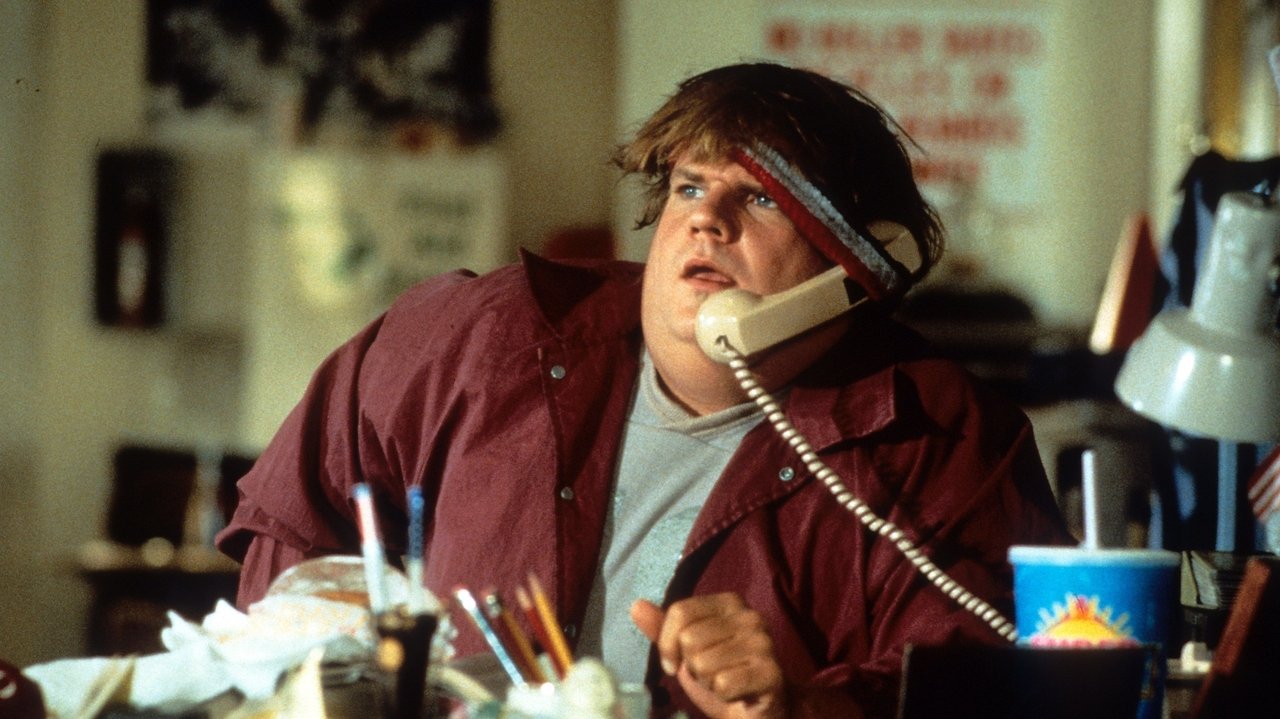
However, the supporting cast adds some memorable sparks. Tim Matheson, forever Otter from Animal House (1978) to many of us, plays the perfect straight man as the increasingly stressed candidate. And then there's Gary Busey. Unleashed as Drake Sabitch, a borderline-feral, Vietnam vet supporter living off the grid, Busey is... well, he's Busey. His scenes with Farley are genuinely unpredictable, adding a jolt of chaotic energy that the film sometimes desperately needs. It’s the kind of casting choice that feels perfectly suited to the slightly off-kilter vibe of mid-90s comedy.
The Echo of a Hit
While Black Sheep certainly has its laugh-out-loud moments – Farley desperately trying to handle bats, the infamous "Rock the Vote" rally meltdown, his interactions with the nitrous oxide tank – it never quite escapes the shadow of Tommy Boy. The structure feels recycled, some jokes land awkwardly, and the emotional core isn't as strong. Rushed into production to capitalize on the duo's success, it sometimes feels like a cover band playing the hits rather than an original composition. It turned a profit (around $32.4 million domestically on a reported $20 million budget), but didn't capture the audience's hearts or the critical nod (even a reluctant one) that Tommy Boy managed. It often gets labelled the lesser of the Farley/Spade pairings, and that assessment isn't entirely unfair.
Yet, watching it now on a (perhaps metaphorical) fuzzy screen, there's undeniable charm. It’s a testament to Farley's unique, irreplaceable talent. Even in a slightly weaker vehicle, his energy is infectious, his willingness to do anything for a laugh, awe-inspiring. Spade lands his share of zingers, providing the necessary sarcastic anchor to Farley's hurricane. It’s a snapshot of a specific moment in comedy, before things got quite so polished, when sheer star power and a willingness to bounce off the scenery could carry a film.
Rating: 6/10
Why this score? Black Sheep earns points for Chris Farley's monumental physical comedy effort, David Spade's reliable snark, and some genuinely funny supporting turns (hello, Gary Busey!). However, it loses points for feeling like a calculated retread of Tommy Boy, possessing a slightly meaner spirit, and lacking the surprising heart of its predecessor. The laughs are there, but they feel a bit more forced this time around.
Final Thought: It might be the less-loved sibling in the Farley/Spade VHS library, but Black Sheep still offers a potent dose of pure, uncut 90s Farley – a raw energy you just don't see anymore, best enjoyed with the volume up and maybe a cushion nearby for sympathetic flinching.