There are films that lodge themselves in your memory not just for their story, but for the sheer force of the questions they hurl at you, demanding you take a side, challenging your sense of justice versus the letter of the law. Joel Schumacher’s 1996 adaptation of John Grisham’s A Time to Kill was precisely that kind of film – a sweltering, intense courtroom drama that felt less like escapism and more like a direct confrontation with uncomfortable truths, all wrapped up in the buzz of a major Hollywood release. Pulling that tape off the shelf at the local video store, you knew you were in for something heavy, something that would spark conversation long after the credits rolled.

Southern Discomfort and Moral Reckoning
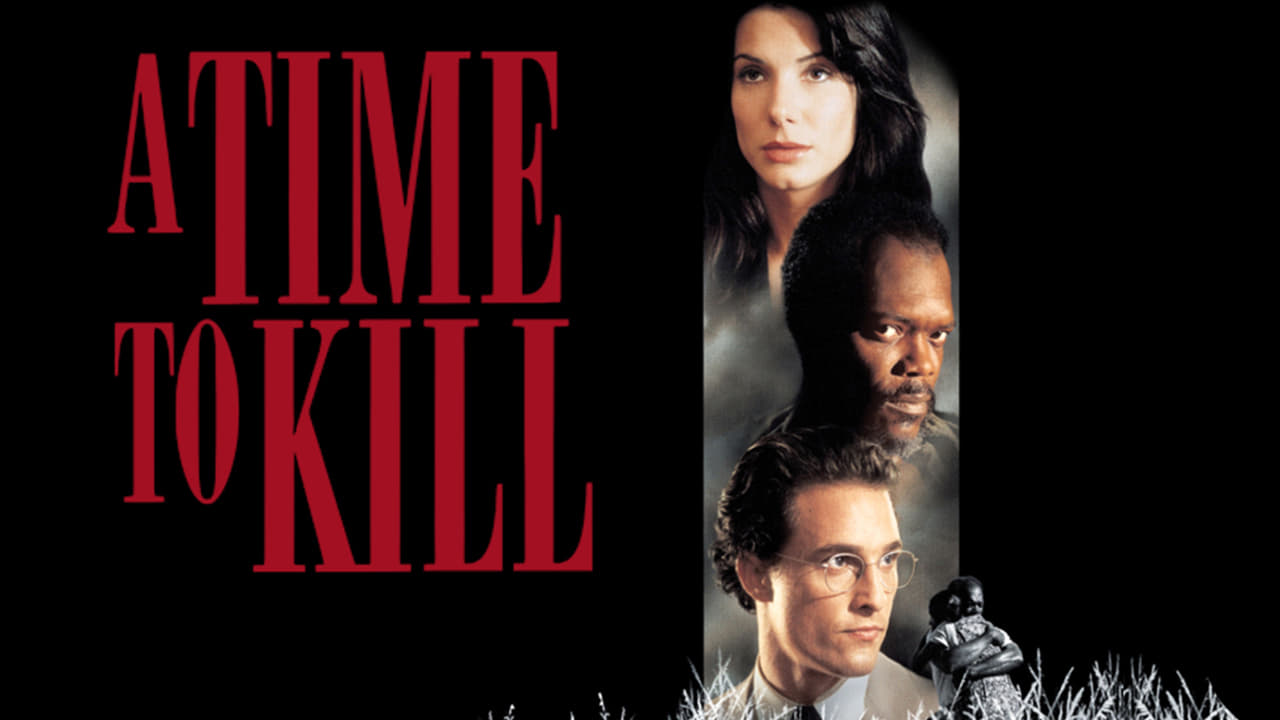
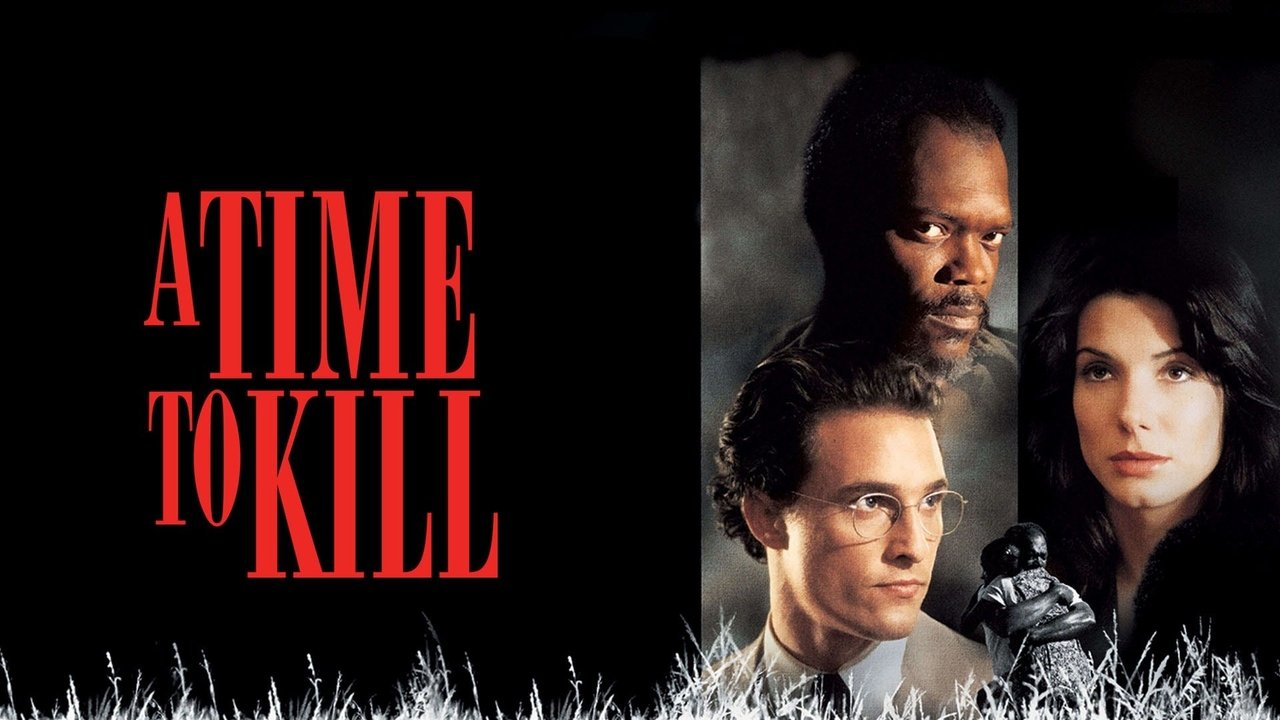
Set in the fictional, humid pressure cooker of Clanton, Mississippi, the film wastes no time plunging the audience into a horrific crime: the brutal assault of a young Black girl, Tonya Hailey. Her father, Carl Lee Hailey, portrayed with simmering rage and profound grief by Samuel L. Jackson, takes the law into his own hands, gunning down the perpetrators on the courthouse steps. The narrative then pivots to the impossible defense undertaken by young, idealistic lawyer Jake Brigance, a role that famously catapulted Matthew McConaughey from promising actor to bona fide movie star. Can Brigance convince an all-white jury in the Deep South to acquit a Black man for murdering two white men, regardless of the provocation? It’s a premise fraught with tension, exploring the chasm between legal justice and moral justice, particularly within the charged landscape of Southern race relations.
One of the fascinating tidbits behind McConaughey's casting is Grisham's initial insistence on an unknown for Jake. While names like Kevin Costner and Woody Harrelson were floated, it was McConaughey's electrifying screen test, reportedly capturing the intensity needed for the closing argument, that sealed the deal. Schumacher, who had just come off the neon spectacle of Batman Forever (1995) and was eager to tackle more serious fare, saw something raw and right in McConaughey. It’s hard to imagine anyone else embodying that blend of southern charm, burgeoning desperation, and hard-won conviction quite so effectively. He wasn't just reciting lines; you felt the weight of the community, the case, and his own conscience pressing down on him.

A Powder Keg of Performances
While McConaughey provided the anchor, the film ignites thanks to a truly stellar ensemble cast firing on all cylinders. Samuel L. Jackson delivers a performance of volcanic power. His Carl Lee Hailey is not simply a grieving father seeking vengeance; he’s a man pushed beyond endurance, embodying generations of injustice and pain. His iconic courtroom testimony ("Yes, they deserved to die, and I hope they burn in hell!") remains utterly electrifying, delivered with a conviction that transcends the screen. Jackson reportedly maintained that intense emotional pitch take after take, a testament to his commitment.
Sandra Bullock, then at the peak of her 90s stardom after Speed (1994) and While You Were Sleeping (1995), brings intelligence and a necessary spark as Ellen Roark, the sharp law student who volunteers to help Jake. It’s said she took a pay cut specifically to be part of this project, recognizing the power of the story. Her chemistry with McConaughey adds a layer of human connection amidst the swirling chaos. And who could forget the supporting players? Kevin Spacey is chillingly effective as the ambitious, morally flexible prosecutor Rufus Buckley. Kiefer Sutherland is terrifyingly believable as a virulent Klan leader, a stark reminder of the hate simmering just beneath the surface. Add in formidable talents like Donald Sutherland, Oliver Platt, Charles S. Dutton, and Ashley Judd, and you have a cast that elevates the material at every turn.
Atmosphere and Authenticity
Joel Schumacher, often known for his visual flair, largely reins it in here, focusing instead on capturing the oppressive heat and simmering racial tensions of the setting. Filming on location in Canton, Mississippi, using many local extras, lends a palpable authenticity to the proceedings. You can almost feel the humidity clinging to the characters, mirroring the suffocating weight of the trial. While some critics at the time found the film occasionally leaned into melodrama or applied a Hollywood sheen to raw subject matter, Schumacher successfully orchestrates the rising tension, culminating in explosive courtroom confrontations and unsettling scenes of Klan intimidation. The film doesn’t shy away from the ugliness, and that’s part of its enduring power.
Adapting John Grisham’s sprawling first novel (published in 1989, based on a case he witnessed in 1984) was no small feat, and screenwriter Akiva Goldsman (who would later win an Oscar for A Beautiful Mind) skillfully distills the core conflicts. The film became a significant box office success, grossing over $150 million worldwide against its $40 million budget – a figure that translates to nearly $300 million today, proving audiences were ready to engage with challenging themes even in a summer blockbuster context.
Justice, Law, and Lingering Questions
A Time to Kill wasn't subtle, but its power lay in its directness. It forced audiences to confront deeply ingrained prejudices and the often-blurry line between law and justice. Does the horror of the initial crime justify Carl Lee's actions? Can a system historically skewed against Black defendants ever truly deliver fairness in such a charged case? Jake’s closing argument, asking the jury to imagine the victim as white, remains a potent, if controversial, piece of cinematic rhetoric. It’s a film that sticks with you, prompting reflection on whether things have truly changed, or if these same tensions merely manifest in different ways today. It was a mainstream film tackling systemic racism head-on, a significant event for mid-90s cinema.
Rating: 8/10
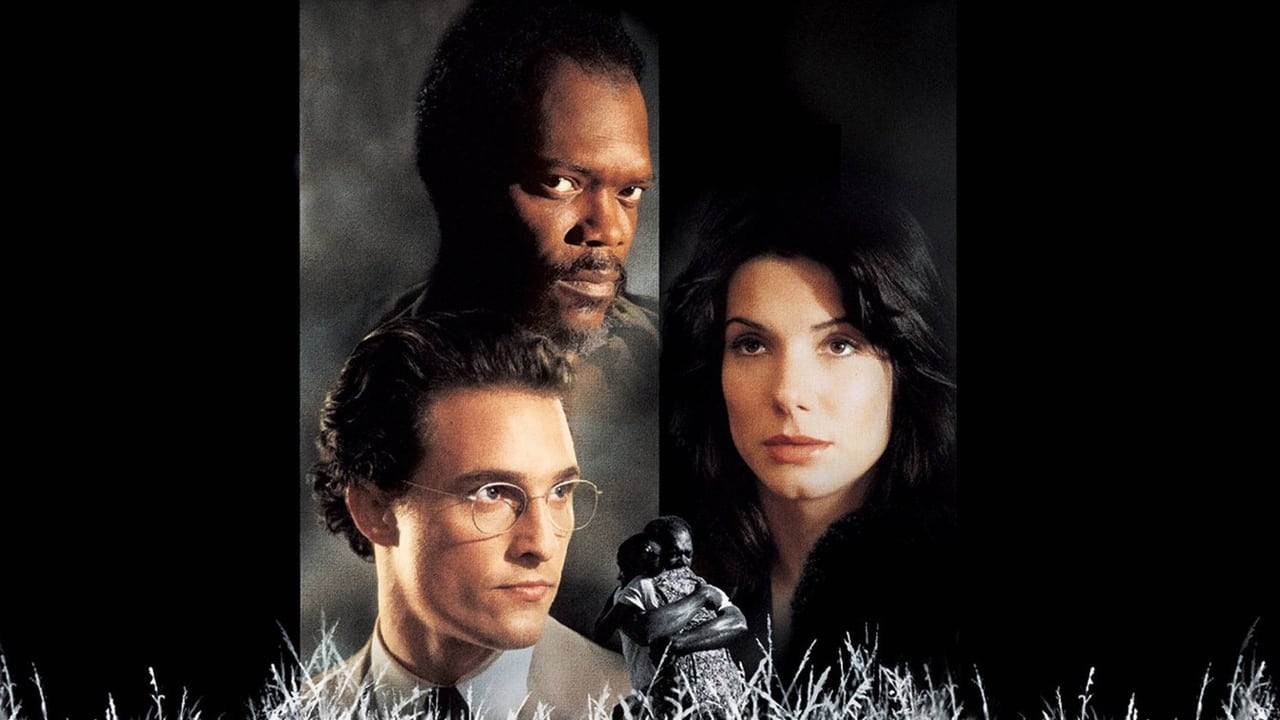
This score reflects the film's undeniable impact, driven by powerhouse performances (especially from McConaughey and Jackson in career-defining turns), its gripping narrative tension, and its courage in tackling difficult subject matter within a mainstream framework. While perhaps not perfectly nuanced and occasionally heavy-handed, its emotional honesty and the questions it raises are profoundly affecting. The craft is solid, capturing the atmosphere effectively, and the ensemble cast is exceptional. It earns its place as a memorable and important 90s legal thriller.
A Time to Kill remains a potent viewing experience, a film that felt significant upon its VHS release and continues to resonate. It’s a stark reminder of the power of courtroom drama to dissect societal fault lines, leaving you wrestling with its moral complexities long after the tape spools to its end.