### The Mask That Slips
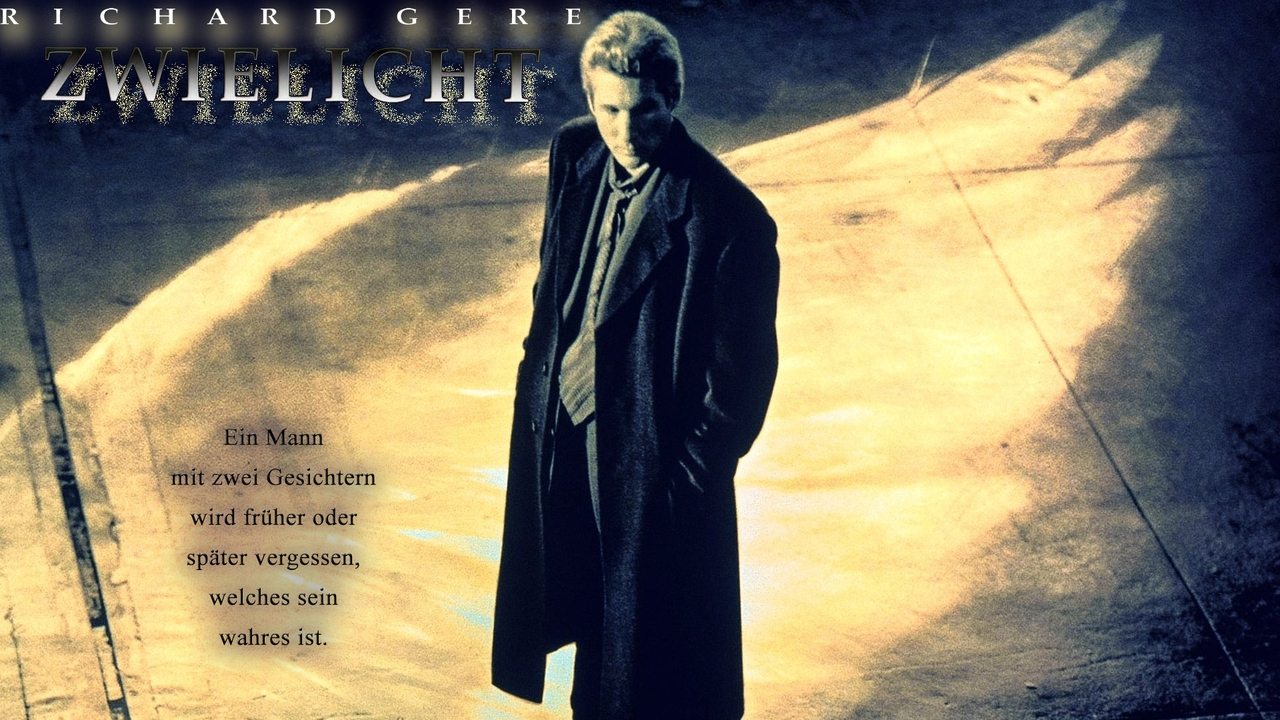
There are courtroom dramas, and then there’s Primal Fear. Released in 1996, it arrived near the tail end of a wave of popular legal thrillers, yet it managed to carve out its own distinct, unsettling space. Watching it again recently, that familiar tension coiled tight in my stomach, the kind you only get when you know the path ahead is riddled with trapdoors. It wasn't just the thrill of the case; it was the chilling exploration of identity, manipulation, and the terrifying thought that we might never truly know the person standing right in front of us. What lingers most, even after all these years, isn't just the plot mechanics, but the questions it forces upon the viewer about the very nature of truth.
A Case That’s More Than Meets the Eye
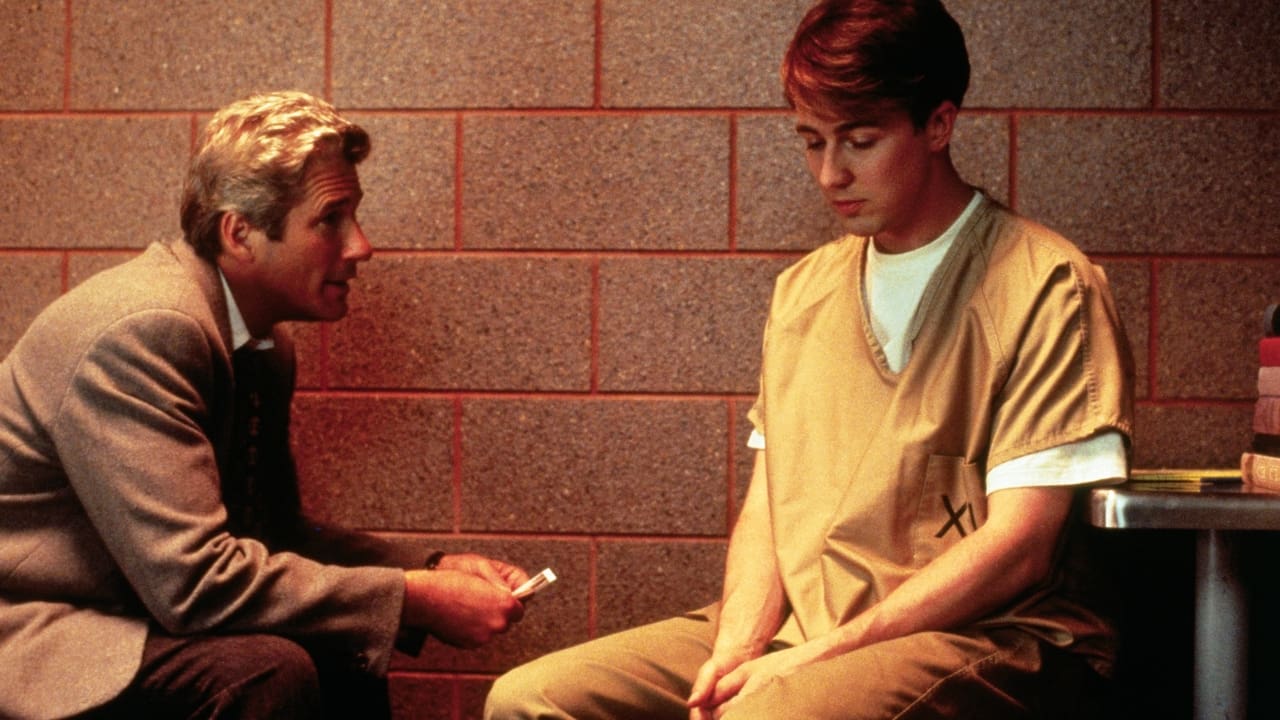
The setup feels classic 90s: Richard Gere, embodying peak slick-lawyer energy as Martin Vail, chases the media spotlight like a moth to a flame. He’s arrogant, cynical, maybe even believes his own hype. When a young, stuttering altar boy, Aaron Stampler, is found fleeing the scene of a beloved Archbishop’s gruesome murder, Vail jumps at the chance to defend him pro bono, sensing the career-defining publicity. The case seems unwinnable, but Vail smells reasonable doubt, especially when faced with the seemingly fragile, traumatized Aaron. Pitted against him is his former protégé and lover, prosecutor Janet Venable, played with sharp intelligence by Laura Linney. Their dynamic adds a layer of personal stakes to the already intense courtroom battles. Director Gregory Hoblit, who would later helm thrillers like Fallen (1998) and Frequency (2000), masterfully builds the atmosphere – the dark wood of the courtroom, the claustrophobic interview rooms, the oppressive weight of the Church's influence hanging over Chicago.
The Arrival
Let's be honest, though. The gravitational center of Primal Fear, the element that blasted it beyond standard thriller fare and still resonates today, is the astonishing debut performance of Edward Norton. It’s hard to overstate the impact he had. Here was this unknown actor, plucked from relative obscurity after a reported search that saw over 2,000 actors audition (even Leonardo DiCaprio apparently passed), delivering a performance of such staggering complexity it felt less like acting and more like witnessing a genuine psychological fissure. He portrays Aaron with a heartbreaking vulnerability – the stutter, the downcast eyes, the palpable fear. But then there's "Roy," the violent, manipulative alternate personality Aaron claims emerges under stress. Norton navigates these shifts with terrifying precision. You watch him, utterly convinced by the fragile boy, only to have the rug pulled out from under you by Roy's chilling confidence. It’s a tightrope walk of performance, and Norton doesn’t just walk it; he owns it, earning himself a well-deserved Oscar nomination right out of the gate. His commitment was total; legend has it he suggested the stutter himself to further differentiate Aaron.
Unpeeling the Layers
While Norton’s performance is the explosive core, the film works because the surrounding elements are so solid. Richard Gere delivers one of his most interesting turns as Vail. He’s not the hero; he’s a man whose cynicism is both his greatest tool and his potential downfall. Watching his dawning realization as the case twists in unexpected ways is compelling. Laura Linney provides the necessary counterbalance, sharp and determined, refusing to be swayed by Vail's theatrics or Aaron's apparent fragility. Their shared history adds a crackle to their courtroom exchanges. The script, adapted by Steve Shagan and Ann Biderman from William Diehl's novel, keeps the tension high, layering reveals and red herrings effectively. It smartly plays with the audience's assumptions, making us complicit in Vail's journey of discovery.
Retro Fun Facts & The Twist
Digging into the VHS vault often unearths fascinating tidbits. Primal Fear was a solid commercial success, turning its $30 million budget into over $102 million worldwide (that’s roughly $58 million yielding nearly $200 million in today’s money – not bad at all). But perhaps the most crucial production detail involves the ending. Spoiler Alert! for the three people who haven’t seen it: The film's devastating final twist – revealing that the meek Aaron was the act, and the calculating "Roy" was the true personality all along ("There never was an Aaron, counsellor.") – was reportedly a significant departure from the novel's conclusion. This change, delivering that gut-punch moment where Vail (and the audience) realizes he’s been masterfully played, is arguably what cemented the film's legacy. It’s a moment I remember vividly, watching slack-jawed on my trusty old CRT, the kind of ending that sparks immediate rewinds and frantic discussion as soon as the credits roll. It recontextualizes everything we've seen, forcing a chilling re-evaluation of Norton's entire performance.
More Than Just a Thriller
Beyond the courtroom mechanics and the shocking twist, Primal Fear taps into deeper anxieties. It explores the fallibility of the justice system, the seductive power of narrative, and the terrifying ease with which appearances can deceive. Vail starts the film believing he can manipulate the truth for his own gain, only to find himself profoundly manipulated by a force far more cunning. Doesn't this resonate with the performative nature of so much public life, even today? The film asks us to consider what truly constitutes evidence, how much we rely on our gut feelings, and whether justice is ever truly blind when personality and perception play such crucial roles.
Rating and Final Thought
Primal Fear remains a potent and brilliantly constructed thriller. It’s anchored by solid direction, a sharp script, and compelling performances from Gere and Linney, but it’s utterly elevated by Edward Norton's unforgettable debut. The tension holds up, the atmosphere is thick, and that ending… well, it’s still a knockout. Sure, some courtroom tropes feel familiar now, but the execution is top-tier for its era. This was premium VHS rental material back in the day, the kind of movie you talked about for weeks.
Rating: 9/10
Its lasting impact lies not just in launching a major star or delivering an all-time great twist, but in the unsettling question it leaves echoing long after the tape clicks off: How well can we ever truly know what lurks behind someone's eyes?