The groan of twisting steel echoes long after the credits roll. It’s the sound of imminent collapse, of crushing weight and suffocating darkness, the sound that sits at the heart of Rob Cohen’s 1996 subterranean thriller, Daylight. Forget jump scares; this film aimed for something deeper, more primal – the cold dread of entrapment, the chilling certainty that the walls are closing in, and the river above is waiting to claim you. Watching it again now, on a format far removed from the original VHS tapes that wore thin in rental stores, that core anxiety remains remarkably potent.

Beneath the River
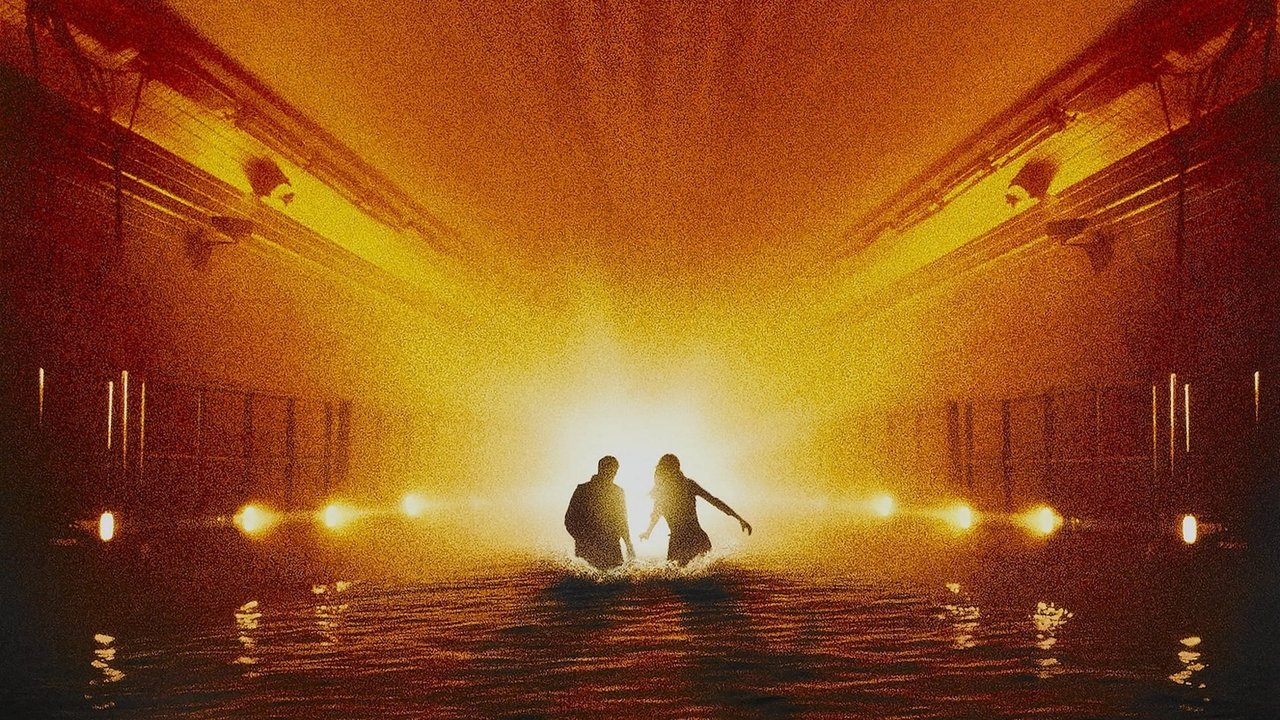
The premise is pure, distilled disaster flick: a botched getaway following a jewel heist, volatile chemical trucks, and the catastrophic resulting explosion seals both ends of a major New York commuter tunnel beneath the Hudson River. Air is thinning, the structure is failing, fires rage, and the icy river water is finding every new crack. Trapped inside are a disparate group of survivors – ordinary people suddenly facing extraordinary terror. Their only hope? Kit Latura (Sylvester Stallone), a disgraced former Chief of Emergency Medical Services haunted by a past tragedy, who happens to be on the scene. Persuaded to venture into the unstable passage through a perilous ventilation shaft system, Latura becomes the reluctant shepherd for this flock of the doomed.
It's a classic setup, reminiscent of 70s titans like The Poseidon Adventure (1972), but Daylight carves its own niche through sheer, brutal physicality. Cohen, who would later bring explosive vehicular chaos to the screen with The Fast and the Furious (2001), orchestrates the claustrophobia masterfully. The film reportedly utilized massive, intricately detailed tunnel sets built at Rome's legendary Cinecittà studios – some sources claim five stages were used, making it one of the largest and most expensive sets constructed there at the time. You feel the oppressive confinement, the dripping water, the falling debris. The darkness isn't just visual; it’s palpable, punctuated by the terrifying orange glow of uncontrollable fires.
Everyman Hero, Extreme Stakes
Stallone, pocketing a reported $17.5 million for the role, slips comfortably into the Kit Latura persona. It's less the muscle-bound action god of Rambo or Cobra (1986) and more the weary, determined survivor seen in Cliffhanger (1993). Latura isn't infallible; he's resourceful, burdened, and driven by a need for redemption. He grounds the escalating chaos, providing a focal point amidst the panic. It's a performance that relies heavily on presence and physicality, perfectly suited to the film's demanding environment. Stallone reportedly performed many of his own demanding stunts, including navigating the tight ventilation shafts and extensive underwater sequences, adding a layer of tangible effort to the role.
The supporting cast fills out the expected disaster movie archetypes, but with some memorable turns. Amy Brenneman brings intelligence and vulnerability to Madelyne, the struggling playwright who finds unexpected resilience. And then there’s Viggo Mortensen as Roy Nord, the arrogant, gear-obsessed extreme sports celebrity. Mortensen leans into the character's hubris, making Nord both irritating and tragically human – a man whose confidence becomes his fatal flaw. Doesn't his desperate attempt to find a way out still feel like a gut punch, a stark warning against ego in the face of overwhelming force?

The Glory of Practical Effects
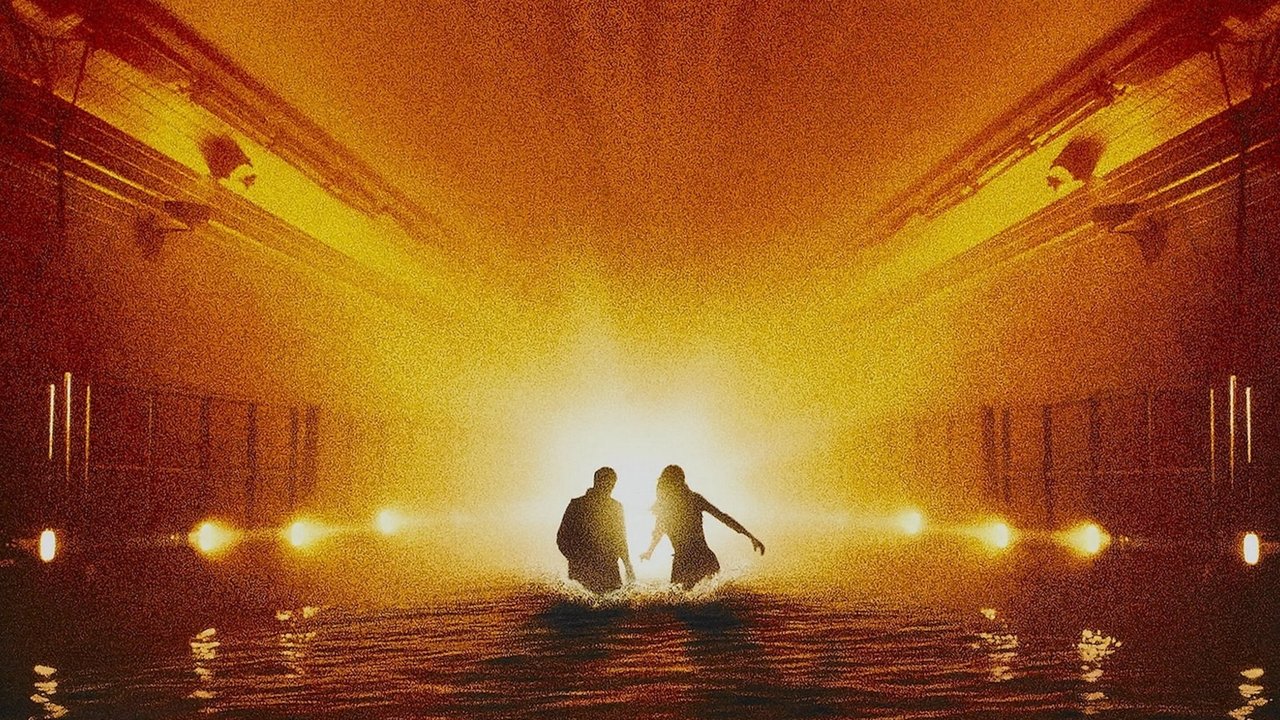
Where Daylight truly shines, especially viewed through a modern lens saturated with CGI, is its commitment to practical effects. The explosions feel concussive, the fire genuinely threatening, the water scenes terrifyingly real. Remember the sequence involving navigating past giant, submerged ventilation fans? The sheer scale and mechanical menace of that set piece, achieved largely in-camera, delivers a kind of visceral thrill that digital rendering often struggles to replicate. The filmmakers faced enormous challenges coordinating the water, fire, and collapsing set elements safely, pushing the boundaries of practical stunt work for the era. It’s this gritty, tactile reality that gives the film its lasting power and makes it a standout example of 90s disaster spectacle. Initial test screenings reportedly even had audiences feeling physically uncomfortable due to the intensity and claustrophobia.
Of course, it's not without its flaws. The script by Leslie Bohem (who also penned Dante's Peak the following year) relies on familiar tropes, and some character arcs feel rushed or predictable. The pacing occasionally stumbles as the survivors move from one perilous obstacle to the next. But these are quibbles often inherent in the genre. What Daylight delivers is sustained tension and a palpable sense of place – or rather, placelessness, trapped between two shores with salvation seemingly impossible.
Final Descent
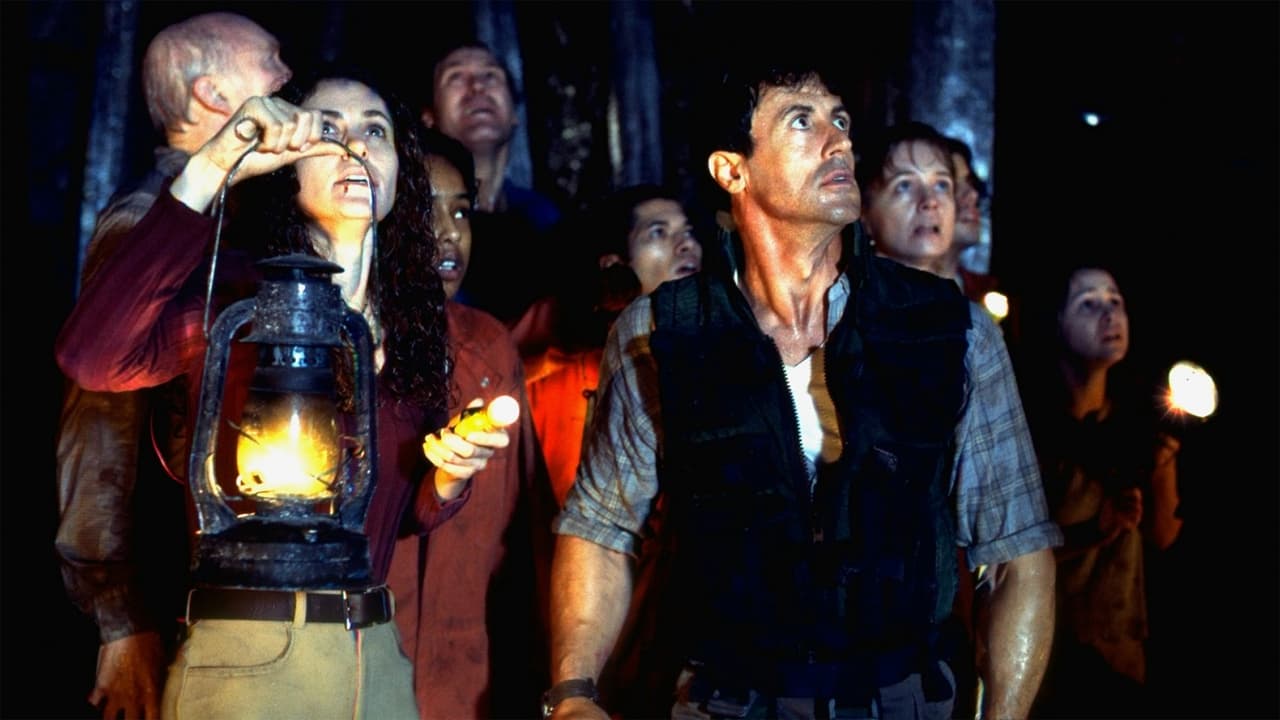
Daylight landed right in the middle of the 90s disaster movie revival, alongside blockbusters like Twister (1996) and Independence Day (1996). While perhaps not reaching the box office heights ($159 million worldwide on an $80 million budget) or critical acclaim of some contemporaries, it holds a special place for its grounded approach and relentless focus on claustrophobic survival. It’s a film built on practical craft, tangible danger, and Stallone’s unwavering hero persona. It captures that specific thrill of watching seemingly insurmountable odds met with sheer human grit.
Rating: 7/10
This score reflects Daylight's success as a highly effective, atmospheric disaster thriller powered by outstanding practical effects and a committed lead performance. While hampered slightly by genre conventions and some thin characterizations, the palpable tension, masterful set design, and visceral, hands-on filmmaking make it a standout example of its era. It doesn’t just show disaster; it makes you feel the suffocating pressure, the rising water, and the desperate, primal urge to reach the surface. For fans of 90s action and practical spectacle, Daylight remains a deeply satisfying, nerve-wracking journey into the dark.