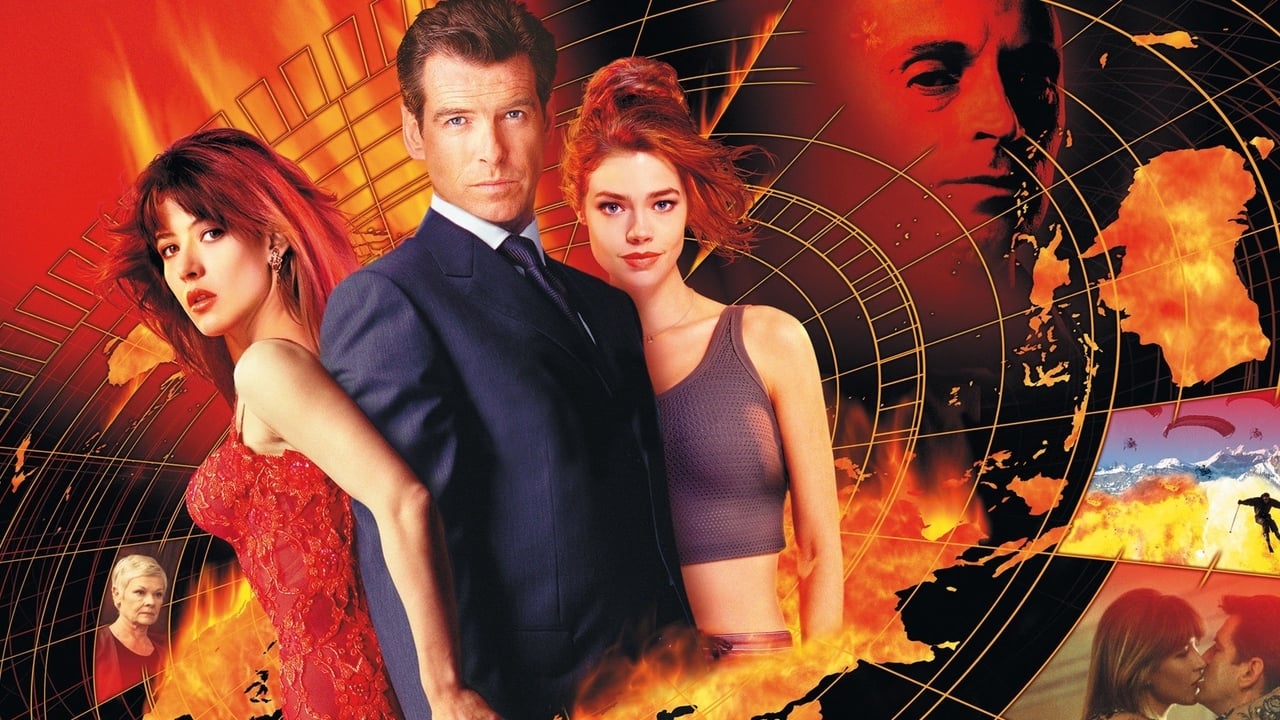
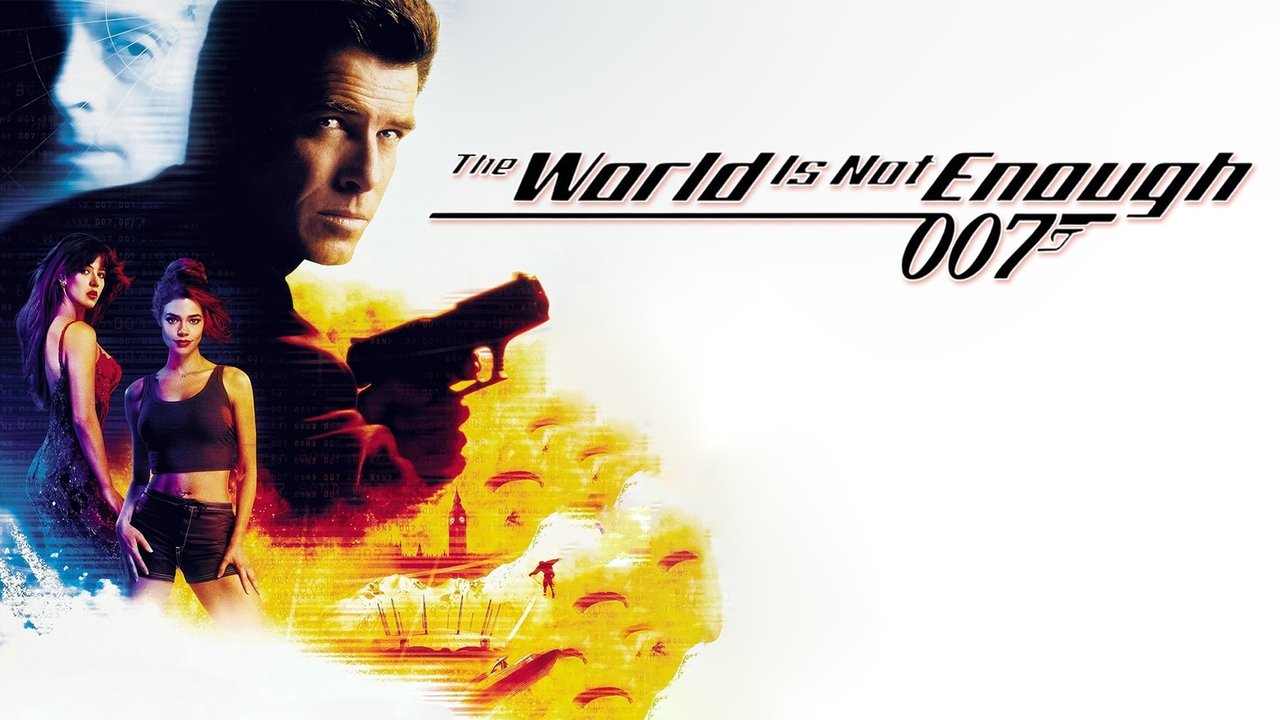
Alright, rewind your minds with me. Picture this: it's late '99, maybe early 2000. You slide that hefty VHS tape into the VCR, hear the satisfying clunk, and settle in. The fuzzy studio logos fade, the iconic gun barrel sequence fires up, and then... BAM! That Thames boat chase hits you like a rogue speedboat wave. That, my friends, was the explosive promise of Pierce Brosnan's third outing as 007 in The World Is Not Enough (1999), a film that felt slick, modern, yet reassuringly old-school Bond in all the right places. It wasn't perfect, but grabbing this tape felt like securing prime weekend viewing.
Shaken, Stirred, and Spectacularly Exploded
The pre-title sequence alone is worth the rental fee. Kicking off inside a Swiss bank and escalating to a full-blown aquatic pursuit through the heart of London, culminating right outside the newly built Millennium Dome – it felt huge. This wasn't just green screen fakery; we're talking real boats, real water, real choppers buzzing dangerously close. Director Michael Apted, an interesting choice known more for character dramas like Coal Miner's Daughter (1980) and the groundbreaking Up documentary series, certainly didn't shy away from the large-scale mayhem expected of the franchise. Apparently, filming that opening sequence took a staggering seven weeks and involved 35 boats – a logistical headache that paid off in pure, adrenaline-pumping spectacle. Remember how visceral those impacts felt on a CRT screen?
The plot kicks in after an attack on MI6 headquarters itself (using some rather impressive practical pyrotechnics just outside the real building, which reportedly caused some minor actual scorching!). Bond is assigned to protect Elektra King (Sophie Marceau), the daughter of a murdered oil tycoon who was a friend of M. Elektra survived a previous kidnapping by the notorious anarchist Renard (Robert Carlyle), a man unique in the Bond villain pantheon: a bullet lodged in his brain is slowly killing him, rendering him unable to feel pain and growing stronger as he approaches death. It's a genuinely intriguing setup, adding a layer of vulnerability and twisted tragedy unusual for a Bond antagonist. Robert Carlyle, fresh off searing roles in films like Trainspotting (1996), really committed, researching neurological conditions to give Renard a physical presence beyond just sneering menace.
Brosnan Hits His Stride, Villains Intrigue
By his third film, Pierce Brosnan had fully settled into the tux. He had the swagger, the charm, and crucially, the ability to convey the weariness beneath the polished surface. He navigated Apted's slightly more character-focused approach well, especially in his complex relationship with Elektra. Sophie Marceau (Braveheart, 1995) is magnetic as Elektra, bringing a captivating mix of vulnerability and steel. She wasn't just a damsel; her arc provided the film with its most compelling emotional core, a welcome twist penned partly by an uncredited script polish from Dana Stevens, intended to deepen the female roles. She stands out as one of the more memorable Bond women, playing a role initially conceived very differently before she came aboard.
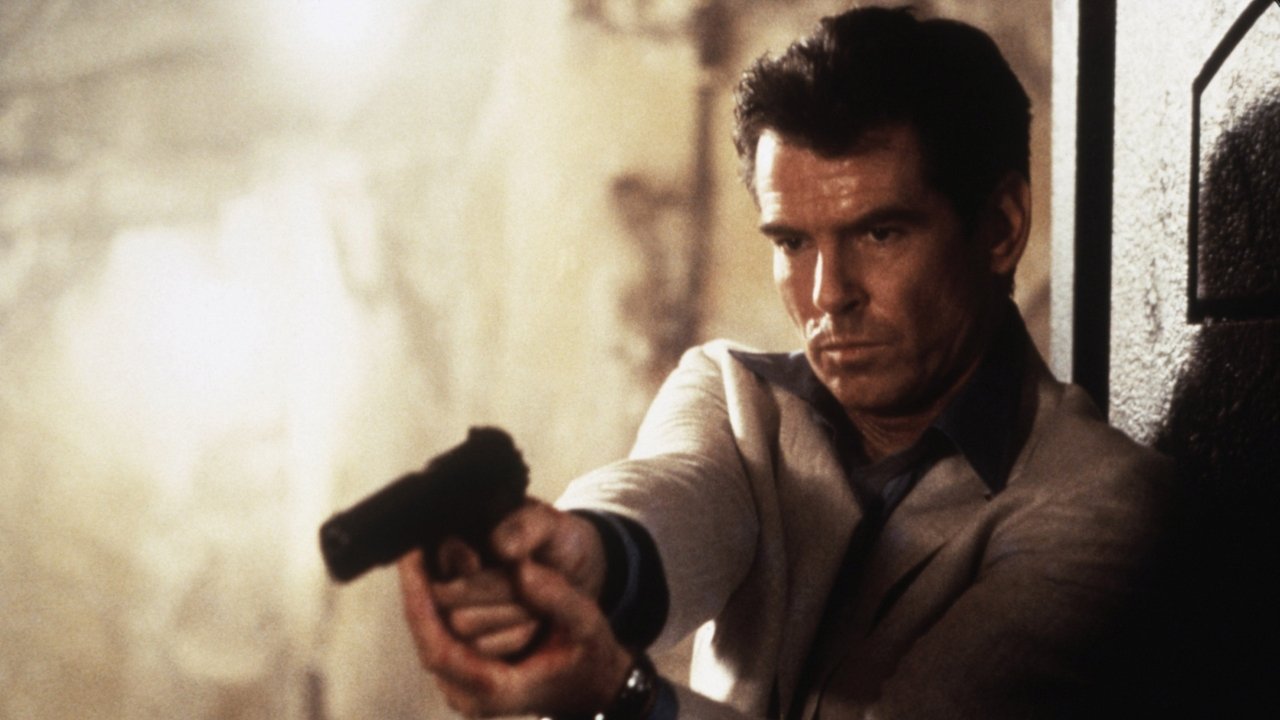
Carlyle’s Renard, while perhaps slightly underutilized, remains a fascinating concept. The idea of a villain who literally cannot feel pain, driven by a warped sense of love and impending doom, had so much potential. Carlyle gives him a palpable sense of physical discomfort despite the numbness, a man acutely aware his time is running out. It’s a performance that deserved even more screen time to explore its inherent pathos.
More Bang for Your Buck (Literally)
Beyond the Thames chase, the action keeps delivering that late-90s practical punch. The ski sequence – a Bond staple making a welcome return – feels appropriately dangerous, blending location shooting with clever stunt work. Remember those parahawks? They looked like something Q cooked up after a particularly potent martini, yet they were real, functional machines adding a unique visual flair. Then there’s the caviar factory explosion and the pipeline battle – lots of actual fireballs, real debris flying, stunt performers earning their paychecks. It’s that tangible sense of danger, the knowledge that things could go wrong, that gives these sequences a grit often missing in today’s smoother, more digitized action extravaganzas. It wasn't always graceful, but it felt real. This was a hefty production, costing around $135 million back then (that's north of $240 million today!), and you could see every dollar exploding beautifully on screen.
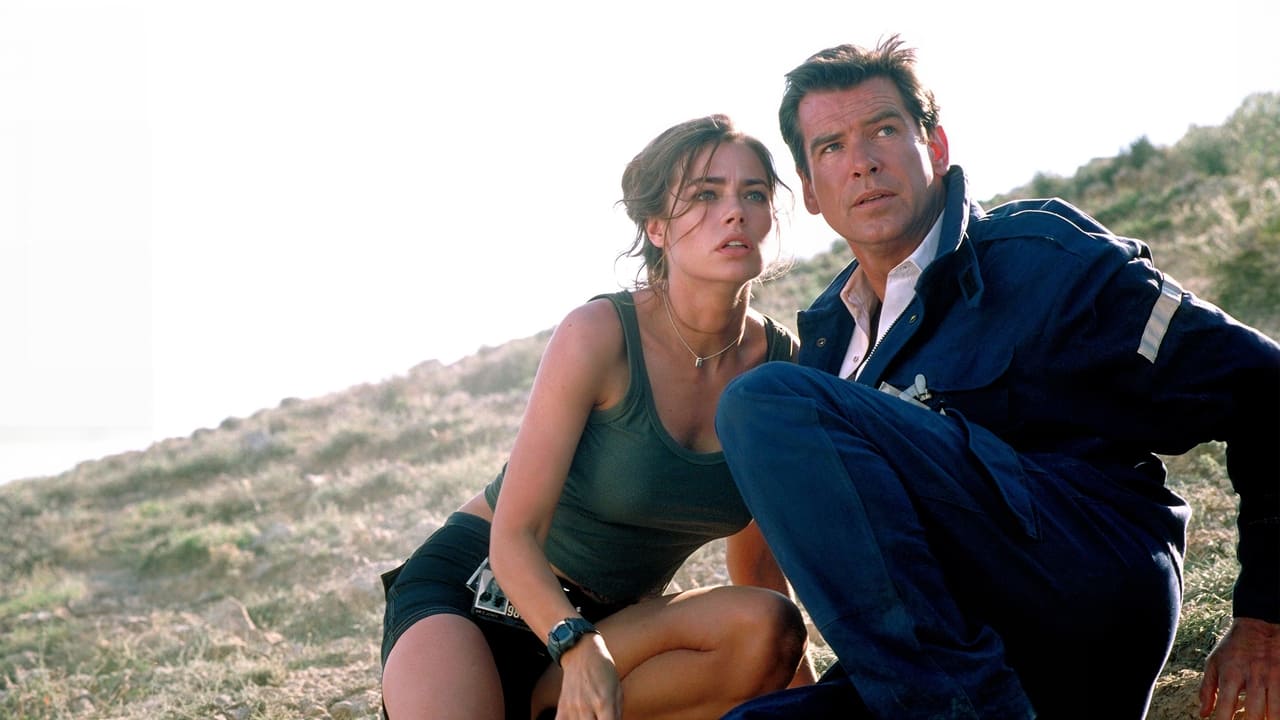
Of course, we have to talk about Dr. Christmas Jones. Played by Denise Richards, the casting of a nuclear physicist who looks like... well, Denise Richards, wearing shorts and a tank top in hazardous environments, remains one of the most debated elements of the film. Look, it's a Bond movie, suspension of disbelief is part of the deal, but even by Bond standards, it stretched credibility wafer-thin. Was it a studio decision? A script compromise? Whatever the reason, it provides some unintentional chuckles and cemented one of the most infamous Bond puns in history. Let's just say it's peak late-90s blockbuster logic, for better or worse.
Q's Farewell and Bond's Endurance
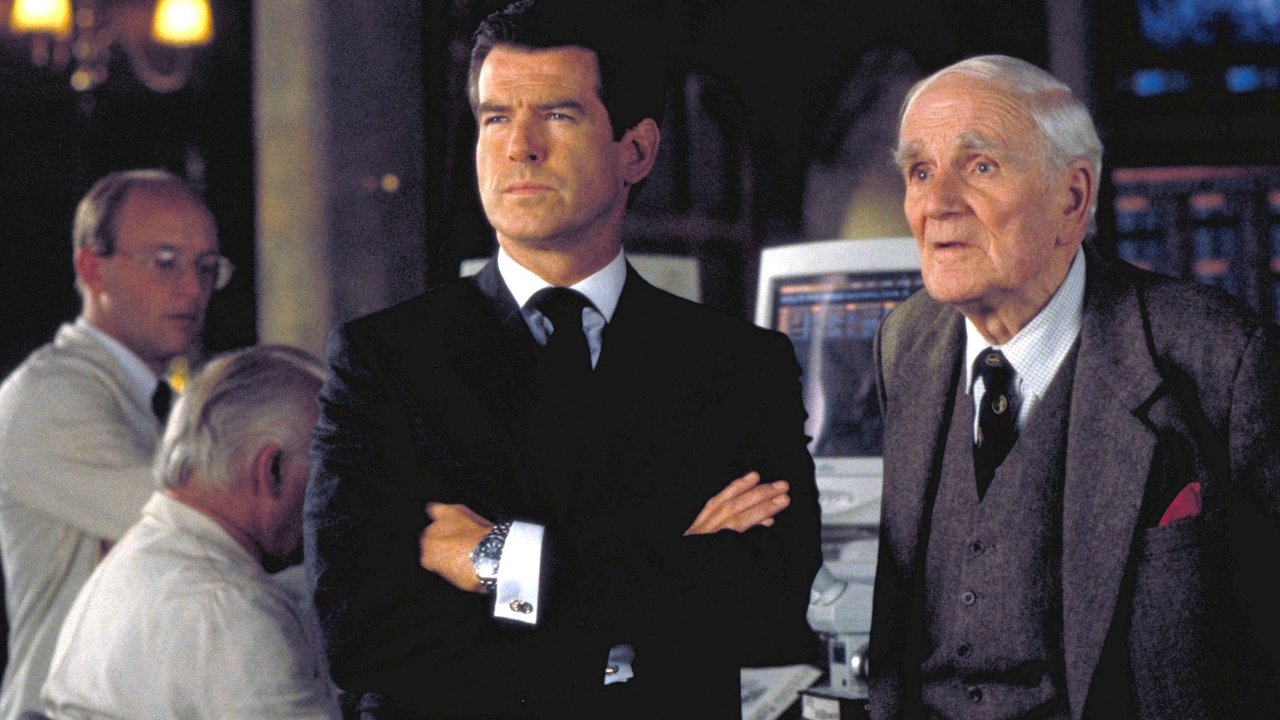
The film also holds a special place for Bond aficionados as the final appearance of the legendary Desmond Llewelyn as Q. His send-off scene, where he introduces his potential successor (played by John Cleese, initially dubbed "R") and delivers his final piece of advice to Bond before slowly lowering out of frame, is genuinely touching. It’s a poignant moment that resonates even more knowing it was his last time equipping 007.
Musically, David Arnold continued his excellent run, delivering a score that blended traditional Bond motifs with a contemporary electronic edge, perfectly capturing the film's late-90s vibe. The title song by Garbage also remains a fan favorite, one of the stronger themes of the era.
The Verdict:
The World Is Not Enough isn't top-tier Bond, but it's a thoroughly entertaining entry from the Brosnan era that absolutely delivered the goods on VHS night. It boasts one of the best pre-title sequences ever, a compelling female lead/villain dynamic thanks to Sophie Marceau, a solid performance from Brosnan, and action scenes packed with that glorious, high-stakes practical stunt work we crave. Yes, the Christmas Jones character is a bit daft, and Robert Carlyle's intriguing villain could have been fleshed out more, but director Michael Apted still managed to blend the required spectacle with some welcome character depth. It successfully carried the Bond torch into the new millennium, even if it stumbled occasionally.
Rating: 7.5 / 10
Justification: Scores high for Brosnan's confident portrayal, Marceau's performance, the incredible practical action set pieces (especially the Thames chase), and the poignant farewell to Q. Docked points for the questionable casting/writing of Christmas Jones and slightly under-developing Renard's potential.
Final Thought: For all its late-90s quirks and one infamous pun, The World Is Not Enough reminds you of a time when Bond action felt thrillingly tangible – you could almost smell the cordite and feel the heat off those explosions through the screen. It’s a blast from the recent past, well worth tracking down for a dose of explosive nostalgia.