Alright, fellow tapeheads, let's rewind to 1997. The digital age was dawning, the internet was this mysterious, dial-up thing, and James Bond was back, riding high after Pierce Brosnan spectacularly reignited the franchise with GoldenEye (1995). The question on everyone's lips, probably whispered over a bowl of popcorn during the trailers at the multiplex, was: could he deliver again? The answer arrived tucked inside a clamshell case with Tomorrow Never Dies, a Bond adventure plugged directly into the anxieties of the burgeoning 24-hour news cycle.
### Brosnan Hits His Stride
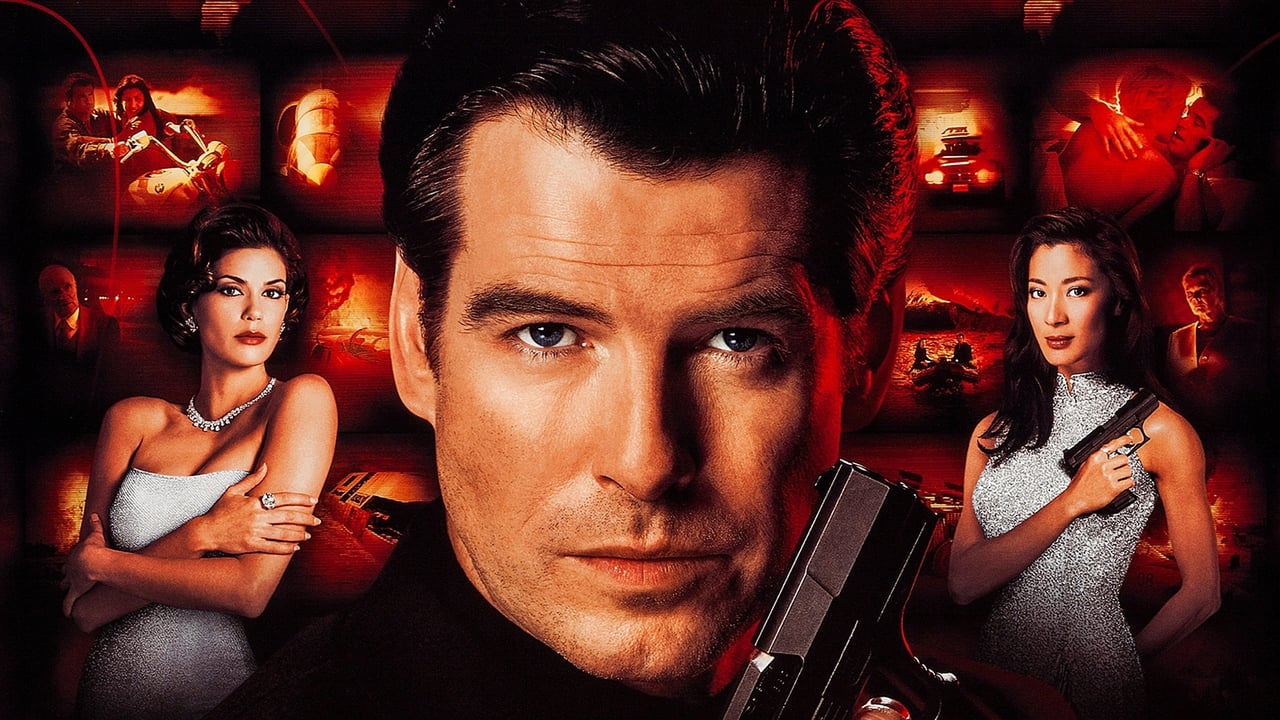
Following the critical and commercial smash of GoldenEye, the pressure cooker was definitely on for Brosnan's sophomore outing. He confidently slips back into the tuxedo here, perhaps even more comfortably than before. There's less of the slightly haunted quality established in his debut; this is Bond as a seasoned, ruthlessly efficient professional, maybe a tad colder, but with that undeniable charm still firmly in place. He owns the role, navigating the chaos with a raised eyebrow and an impeccably aimed Walther PPK. You really felt like this was the Bond for the tail end of the millennium.
### News At 11: World War III

The premise felt startlingly relevant then, and maybe even more so now. Enter Elliot Carver, played with scenery-chewing glee by the brilliant Jonathan Pryce (who many might remember from Terry Gilliam's Brazil (1985)). Carver isn't your typical megalomaniac aiming for world domination through nukes or lasers; he’s a media mogul, a proto-Zuckerberg with a satellite network instead of a social media platform, intent on manufacturing a war between the UK and China simply to secure exclusive broadcasting rights in the ensuing chaos. It's a deliciously cynical concept penned by Bruce Feirstein, tapping into that late-90s unease about the power of global media conglomerates. It felt new for Bond, a villain whose weapon was information itself.
### Enter Wai Lin: A True Partner in Action
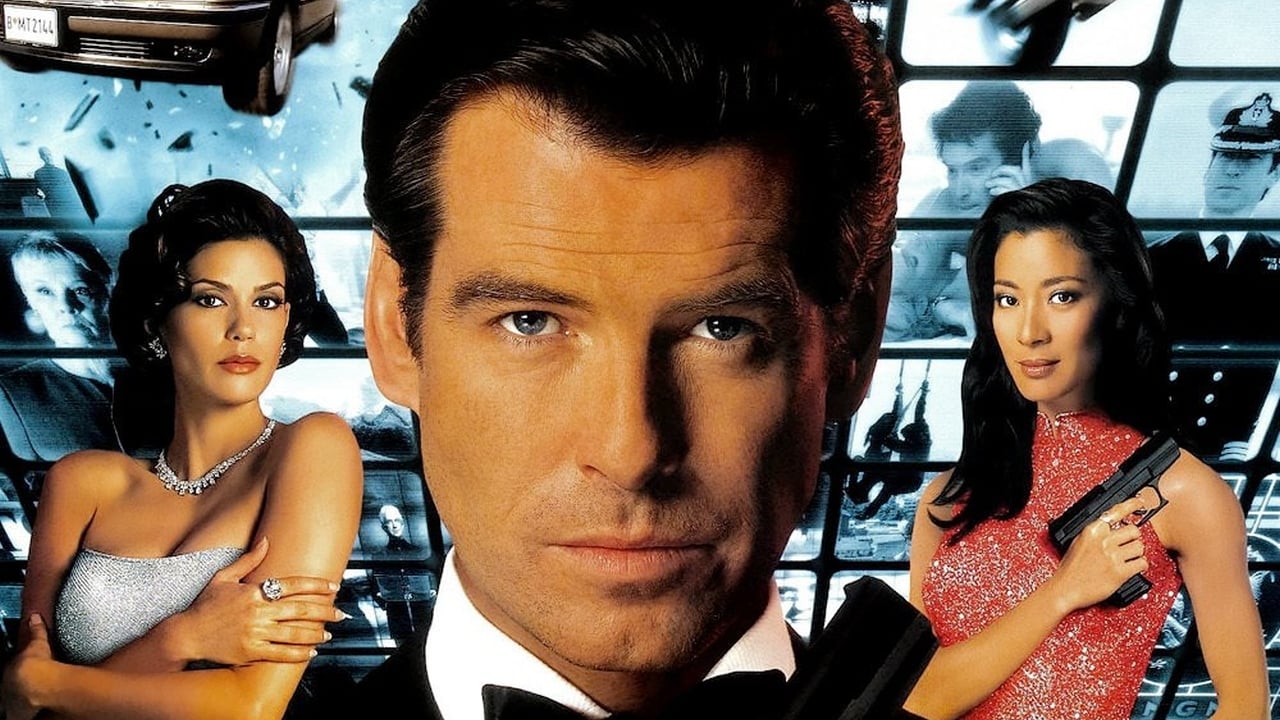
Let’s be honest, while Teri Hatcher (fresh off TV's Lois & Clark) brings a tragic glamour as Bond's former flame Paris Carver, the real co-star here is the phenomenal Michelle Yeoh as Wai Lin. Already a martial arts icon in Hong Kong cinema, Yeoh wasn't just another 'Bond Girl'; she was a formidable Chinese agent, easily Bond's equal in skill and arguably surpassing him in close-quarters combat. Remember how refreshing that felt? She wasn't just arm candy waiting to be rescued; she was kicking serious butt alongside 007. Retro Fun Fact: Yeoh, true to her reputation, performed many of her own demanding stunts, adding a layer of authenticity that digital trickery often lacks. Her presence elevated the entire film, making the action sequences crackle with genuine chemistry and shared peril.
### That Glorious 90s Action Spectacle
And oh, that action! Directed by Roger Spottiswoode (who, despite helming the family-friendly Turner & Hooch (1989), also knew his way around action with films like Air America (1990)), Tomorrow Never Dies absolutely delivers the goods in that tangible, pre-millennium style we crave. The pre-title sequence involving the arms bazaar takedown is pure Bond adrenaline, but it’s the later set pieces that truly shine.
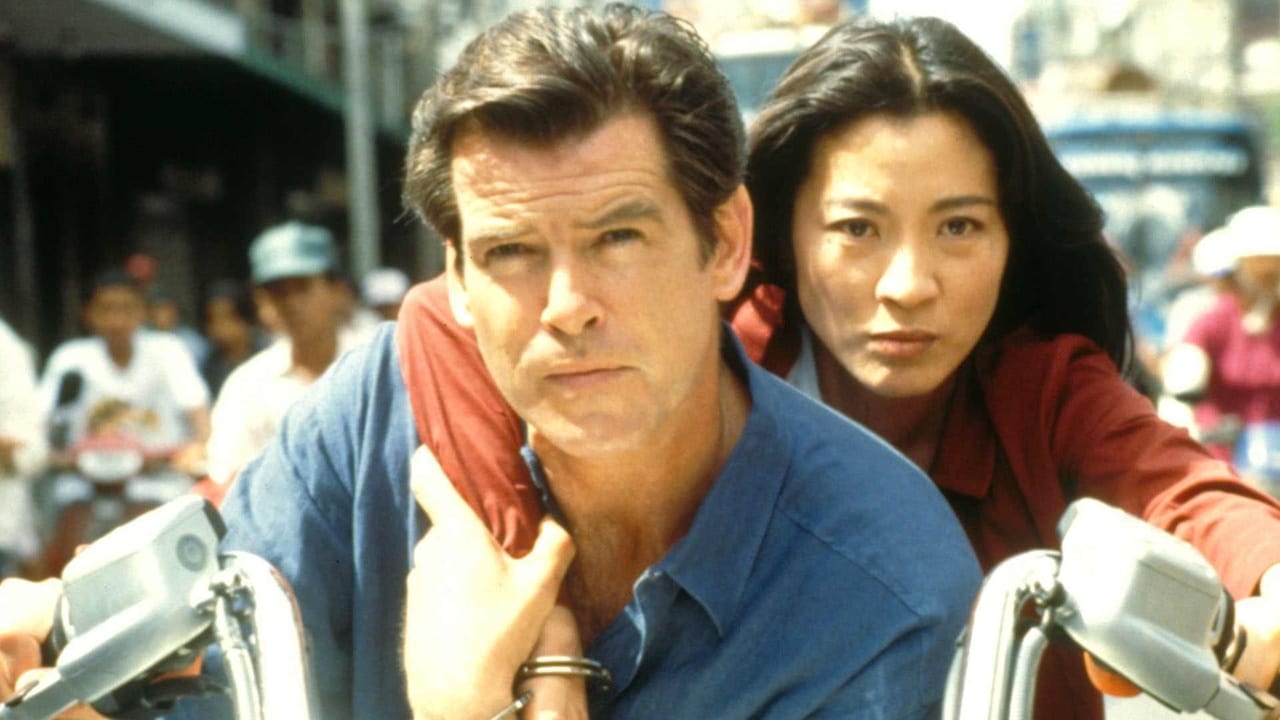
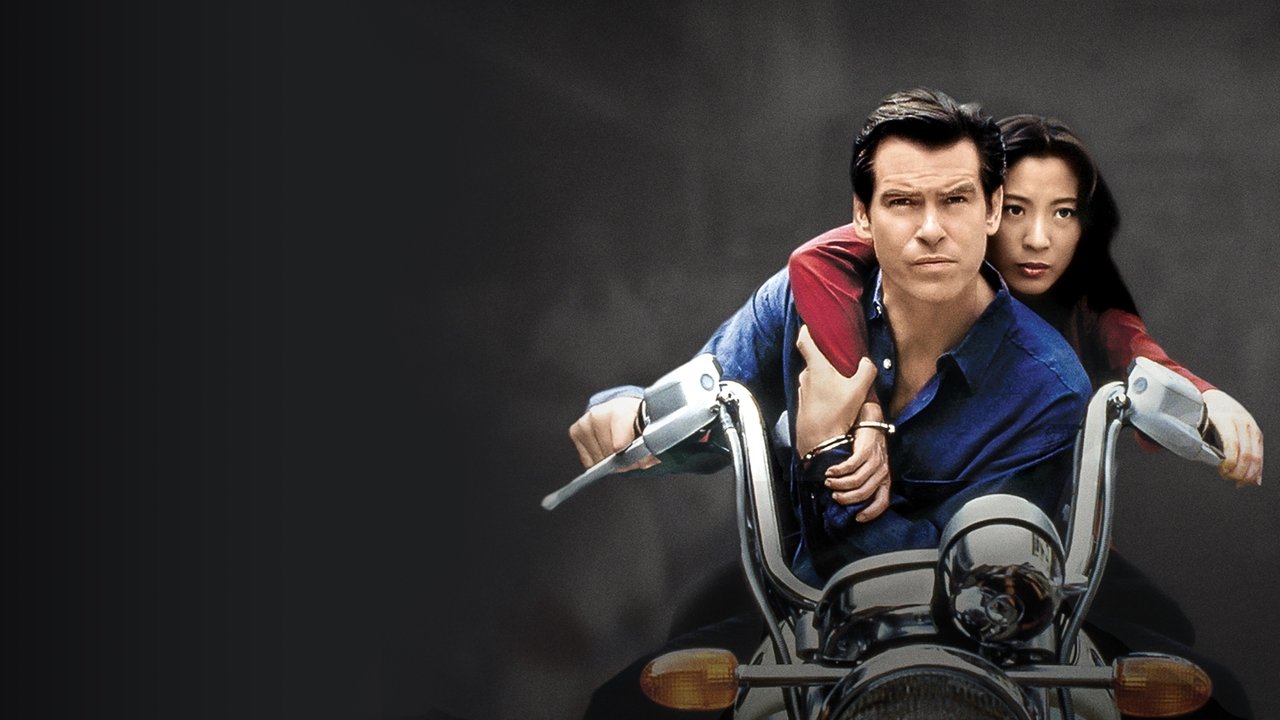
Remember that insane motorcycle chase through the streets (actually filmed in Bangkok, standing in for Saigon)? Bond and Wai Lin, handcuffed together, weaving through chaotic traffic on a BMW R1200C – it’s a masterclass in practical stunt coordination. Then there’s the parking garage sequence where Bond remotely controls his gadget-laden BMW 750iL using his Ericsson phone (how cool did that seem in '97?!). Retro Fun Fact: Apparently, seventeen BMWs were used, and largely destroyed, during the filming of that sequence alone! It’s the kind of large-scale vehicular mayhem, full of real metal crunching and sparks flying, that feels almost artisanal compared to today's often weightless CGI destruction. The climactic battle aboard Carver's stealth ship is pure explosive chaos, relying on massive sets and real fireballs, giving the action a visceral weight. Was it perfectly smooth? Maybe not by today's standards, but it felt real and dangerous in a way that grabs you.
### Behind the Headlines: A Rushed Affair?
While the action delivers, it’s worth noting that Tomorrow Never Dies had a notoriously troubled production. Retro Fun Fact: The script was reportedly being rewritten constantly during filming, with pages sometimes arriving on set mere hours before cameras rolled. Original director concepts fell through, and Spottiswoode stepped in relatively late, facing immense pressure to meet a locked-in release date dictated by studio and marketing demands. This perhaps explains why the plot, while intriguing conceptually, sometimes feels a bit disjointed or rushed compared to the more tightly woven GoldenEye.
Despite the production hurdles, David Arnold stepped in to compose the score, delivering a brassy, energetic sound that thrillingly evoked the classic John Barry Bond themes – a welcome return after the more electronic score of its predecessor. The film was a box office success (grossing around $333 million worldwide on its hefty $110 million budget), though critical reception was perhaps a little cooler than for GoldenEye, with some finding the story less compelling.
### The Verdict on Rewind
Watching Tomorrow Never Dies today is like cracking open a time capsule of late-90s blockbuster filmmaking. Brosnan is effortlessly cool, Yeoh is a revelation, and Pryce provides a memorable, if slightly cartoonish, villain perfectly suited to the era's anxieties. The breakneck pace rarely lets up, delivering those glorious, practically achieved action sequences that made renting the VHS and settling in for the night such a thrill. Sure, the plot might have a few logic holes stitched together by the frantic production schedule, but the sheer energy and commitment on screen are undeniable. I distinctly remember renting this one multiple times, just soaking in the spectacle on my trusty CRT.
Rating: 7.5 / 10
Justification: While the script doesn't quite match the heights of GoldenEye and suffers slightly from its rushed development, Tomorrow Never Dies scores major points for Brosnan's assured performance, Michelle Yeoh's iconic turn as a truly capable partner, a timely villain concept, and, most importantly, delivering spectacular, practical action set pieces that represent the best of 90s blockbuster filmmaking. It’s a blast of pure, unadulterated Bond entertainment.
Final Thought: Forget HD sharpness; the slightly fuzzy, explosive charm of this Bond adventure on tape is a reminder of when action felt heavy, stunts looked genuinely dangerous, and the biggest threat could be the guy controlling the headlines. Still packs a satisfying punch.