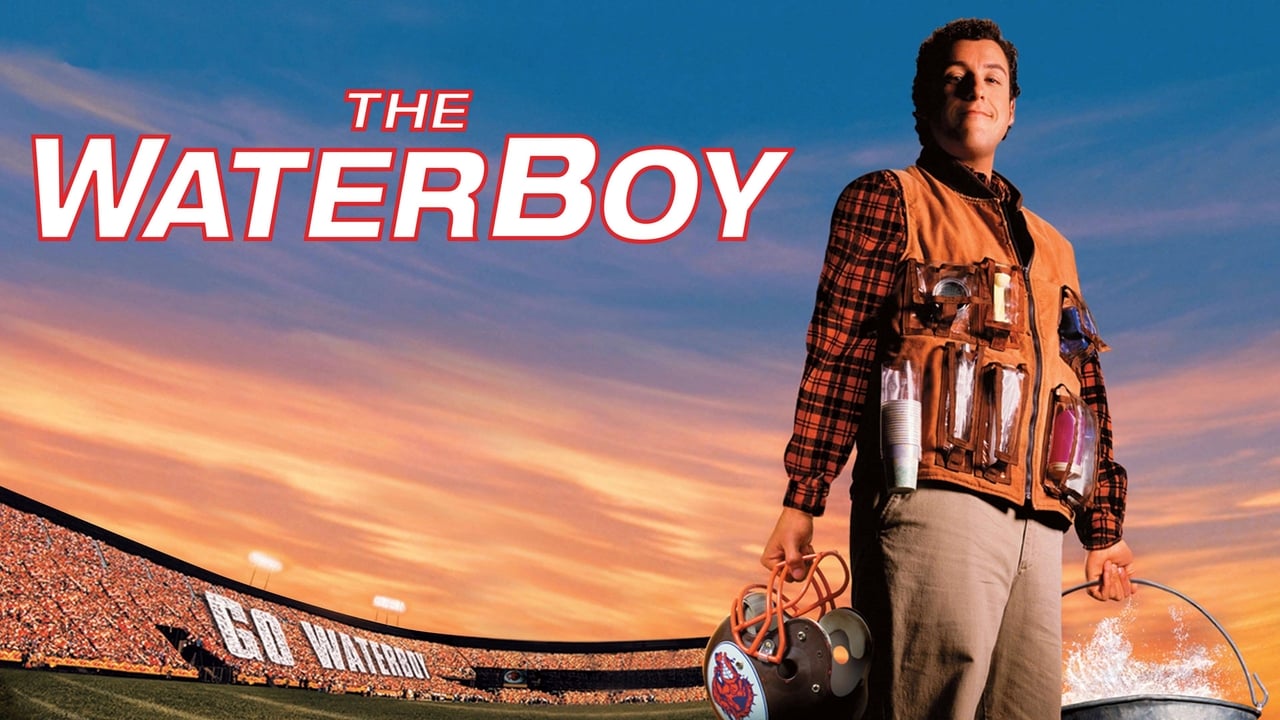
Alright, rewind time. Picture this: it's 1998. You wander down the aisles of Blockbuster, the smell of plastic cases and faintly stale popcorn in the air. Your eyes land on a bright yellow cover, a goofy-looking guy in a football helmet holding a water cooler. Maybe you'd heard the buzz, maybe Adam Sandler’s name alone was enough after Billy Madison (1995) and Happy Gilmore (1996). Whatever the reason, you grabbed The Waterboy, took it home, and popped that chunky VHS tape into the VCR. What unfolded was… well, it was pure, unadulterated late-90s Sandler magic, wasn't it?
### Gatorade Ain't Got Nothin' on H2O
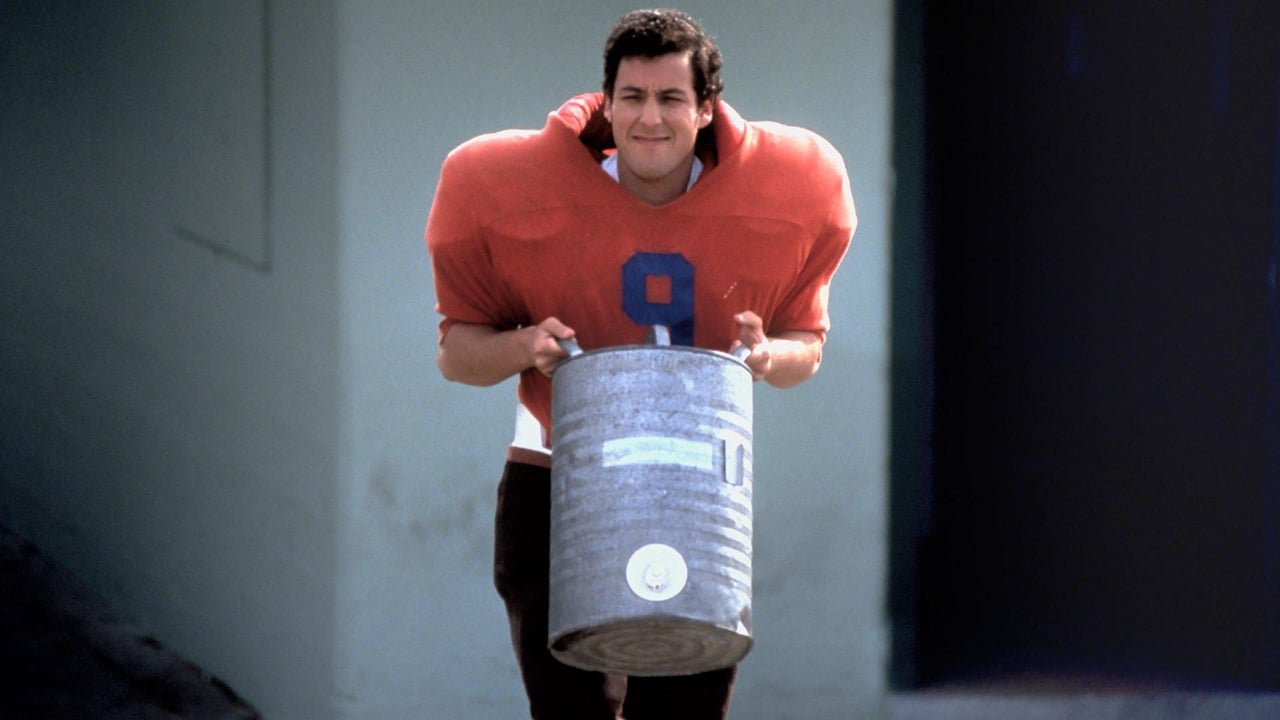
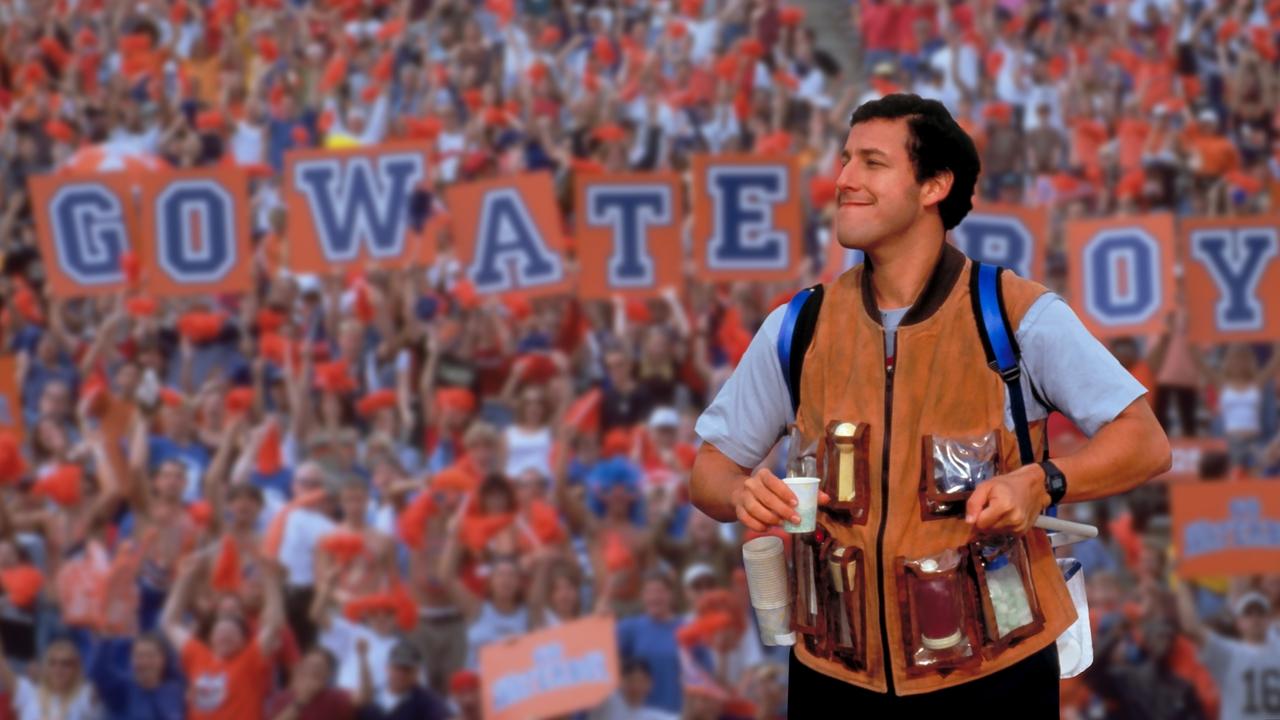
The Waterboy isn't exactly complex storytelling. We meet Bobby Boucher (Adam Sandler), a socially awkward, homeschooled 31-year-old man-child from the Louisiana bayou, utterly devoted to his overbearing Mama (Kathy Bates) and his sacred duty: providing high-quality H2O to college football players. Fired from the successful University of Louisiana Cougars for being too "disruptive," Bobby finds a new, unpaid gig with the perpetually losing South Central Louisiana State University (SCLSU) Mud Dogs, led by the equally down-on-his-luck Coach Klein (Henry Winkler). When years of pent-up rage, fueled by relentless bullying, accidentally transforms Bobby into a devastating tackling machine, Coach Klein sees his unlikely path back to glory.
Sandler, working from a script he co-wrote with longtime collaborator Tim Herlihy, isn't just playing a character here; he is Bobby Boucher. The distinctive lispy voice, the hunched posture, the wide-eyed innocence mixed with terrifying bursts of fury – it’s a performance that could have easily been just annoying caricature. Yet, somehow, Sandler imbues Bobby with a strange sweetness. It's a comedic tightrope walk, and for fans of his specific brand of humor from that era, he absolutely nails it. Interestingly, Sandler had already debuted the Bobby Boucher voice and some mannerisms years earlier on his platinum-selling comedy album They're All Gonna Laugh At You! (1993), planting the seeds for this unlikely football hero.
### More Than Just a One-Man Show
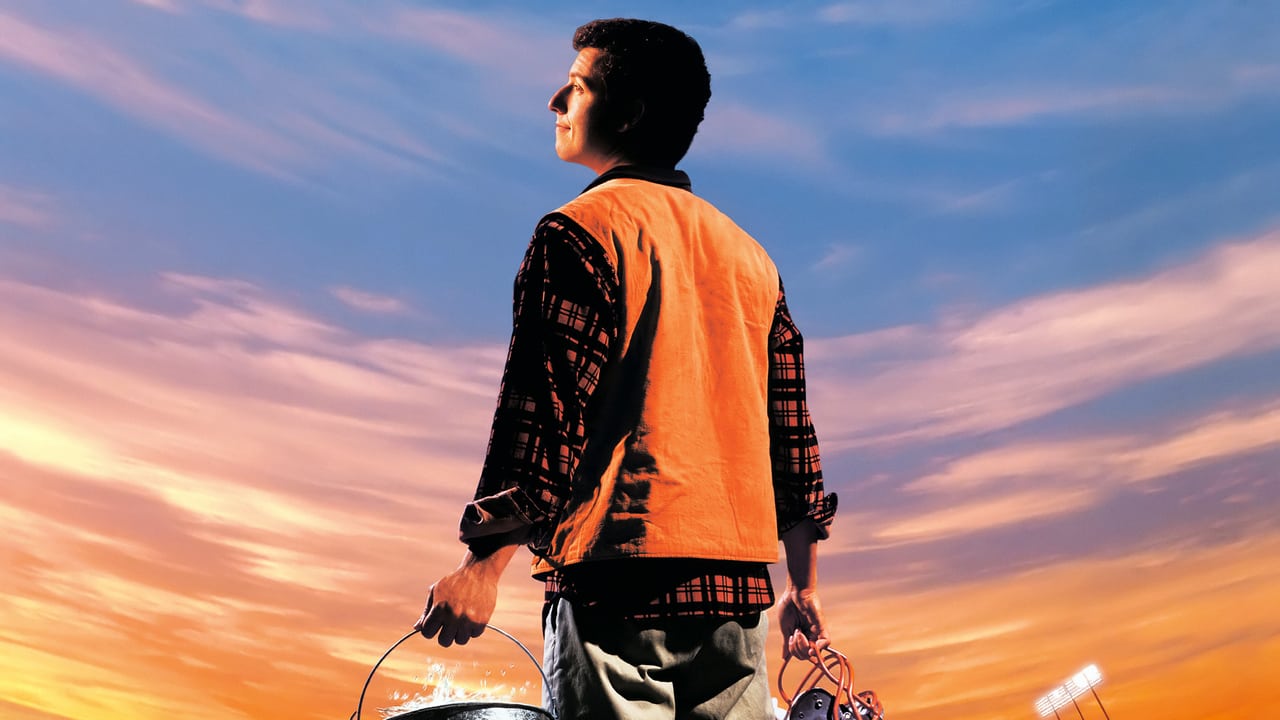
While Sandler is the undeniable engine, the supporting cast elevates The Waterboy beyond a simple star vehicle. Kathy Bates, fresh off more serious roles and even an Oscar win for Misery (1990), is hilariously terrifying as Helen "Mama" Boucher. Her smothering control over Bobby, her disdain for "foosball," and her bizarre culinary creations ("That's some high-quality H2O!") are comedic gold. It’s a performance so committed, it borders on the surreal.
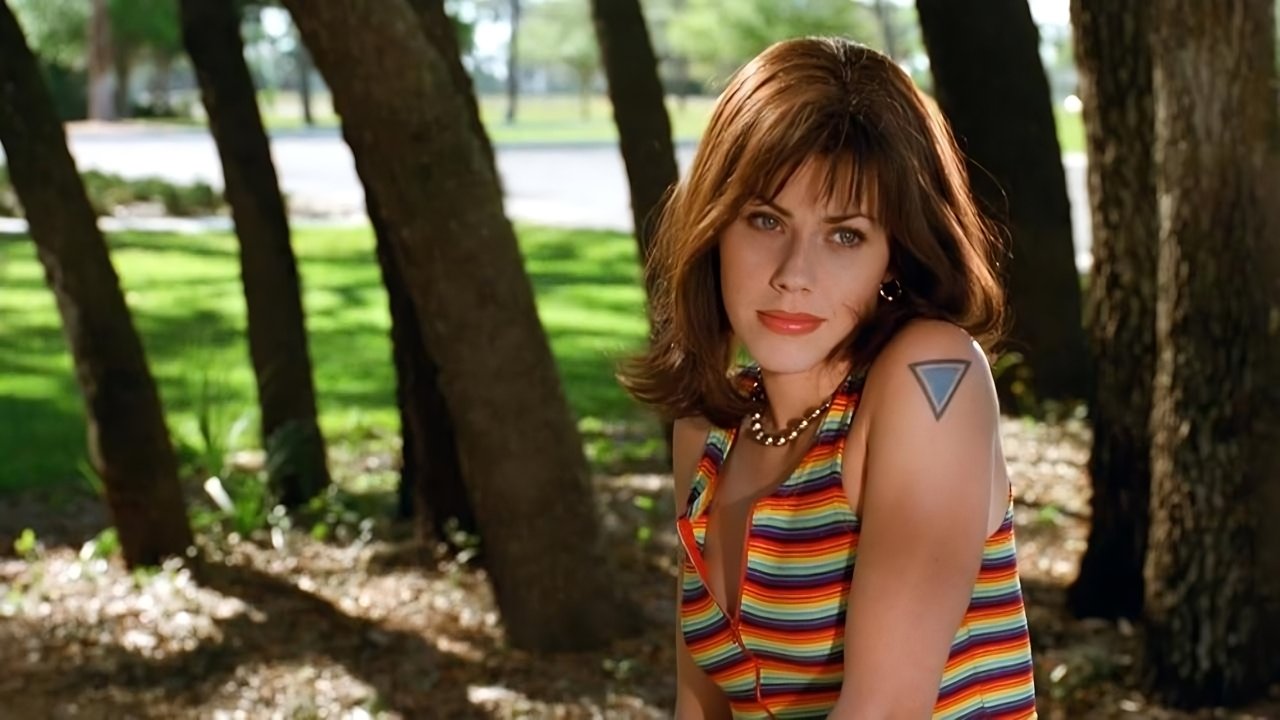
And then there's Henry Winkler. Seeing Arthur "The Fonz" Fonzarelli as the timid, borderline broken Coach Klein, haunted by past failures and scribbling nonsensical plays, is a stroke of genius casting. Winkler brings a warmth and vulnerability to the role that perfectly complements Sandler's manic energy. Their scenes together, particularly as Coach Klein tries to channel Bobby’s rage, are some of the film’s highlights. Add in Fairuza Balk as the intense, slightly intimidating love interest Vicki Vallencourt, and a host of memorable side characters and cameos (yes, that’s Rob Schneider yelling "You can do it!"), and you have a surprisingly robust comedic ensemble.
### Tackling the Production
Directed by Frank Coraci, who had just teamed up with Sandler for the much sweeter The Wedding Singer earlier the same year, The Waterboy embraced its absurdity. Filmed primarily in Central Florida locations like DeLand (standing in for Louisiana swamp country) and utilizing Orlando's Citrus Bowl for the stadium scenes, the movie visually captured that slightly hazy, humid Southern atmosphere. While not an action film in the traditional sense, the football sequences were key. The "tackles" weren't about realism; they were about comedic impact. The slow-motion build-up, the exaggerated sound design, the sheer cartoonish violence of Bobby laying waste to opponents – it was pure physical comedy, amplified for maximum effect. You didn't need CGI back then; just clever editing, sound effects, and maybe a few brave stunt doubles hitting the turf hard.
Made for a relatively modest $23 million (around $43 million today), The Waterboy became a box office phenomenon, raking in over $186 million worldwide (nearly $350 million adjusted for inflation). Critics at the time were... let's say divided, with many panning its lowbrow humor. But audiences didn't care. They flocked to it, quoting lines endlessly ("My Mama says…", "Captain Insano shows no mercy!") and cementing Sandler's status as a 90s box office king. This was pure crowd-pleasing comfort food cinema, perfect for a Friday night rental.
### Does the Water Still Taste Good?
Watching The Waterboy today is like opening a time capsule. Yes, some of the humor feels distinctly of its time, maybe even a little juvenile by today's standards. The plot is flimsy, relying heavily on Sandler's central performance and running gags. But there's an undeniable charm to its earnest silliness. It doesn't aspire to be high art; it aspires to make you laugh with jokes about medulla oblongatas, angry gators, and the sheer catharsis of seeing the underdog finally unleash his inner fury. It's a reminder of a time when a simple, goofy concept, executed with infectious energy by a star hitting his stride, could dominate the box office and become a beloved cult favorite. I distinctly remember the worn-out cardboard sleeve of my own VHS copy, a testament to countless rewatches.
VHS Heaven Rating: 7/10
Justification: While undeniably dated in spots and built on a foundation of pure Sandler-brand silliness, The Waterboy succeeds brilliantly at what it sets out to do. It delivers laugh-out-loud moments, features iconic supporting turns from Bates and Winkler, and possesses a strange, enduring charm fueled by its central, bizarrely sweet performance. It was a massive hit for a reason and remains highly quotable. Points deducted for the thin plot and humor that hasn't all aged gracefully, but it earns its score as a prime example of late-90s blockbuster comedy.
Final Thought: Forget your fancy electrolytes; sometimes, all you need is some high-quality H2O and a reminder that even the weirdest amongst us can tackle their demons… literally. A true relic of the video store era, best enjoyed with low expectations and a high tolerance for absurdity.