### The Jagged Edge Beneath the Nursery Rhyme
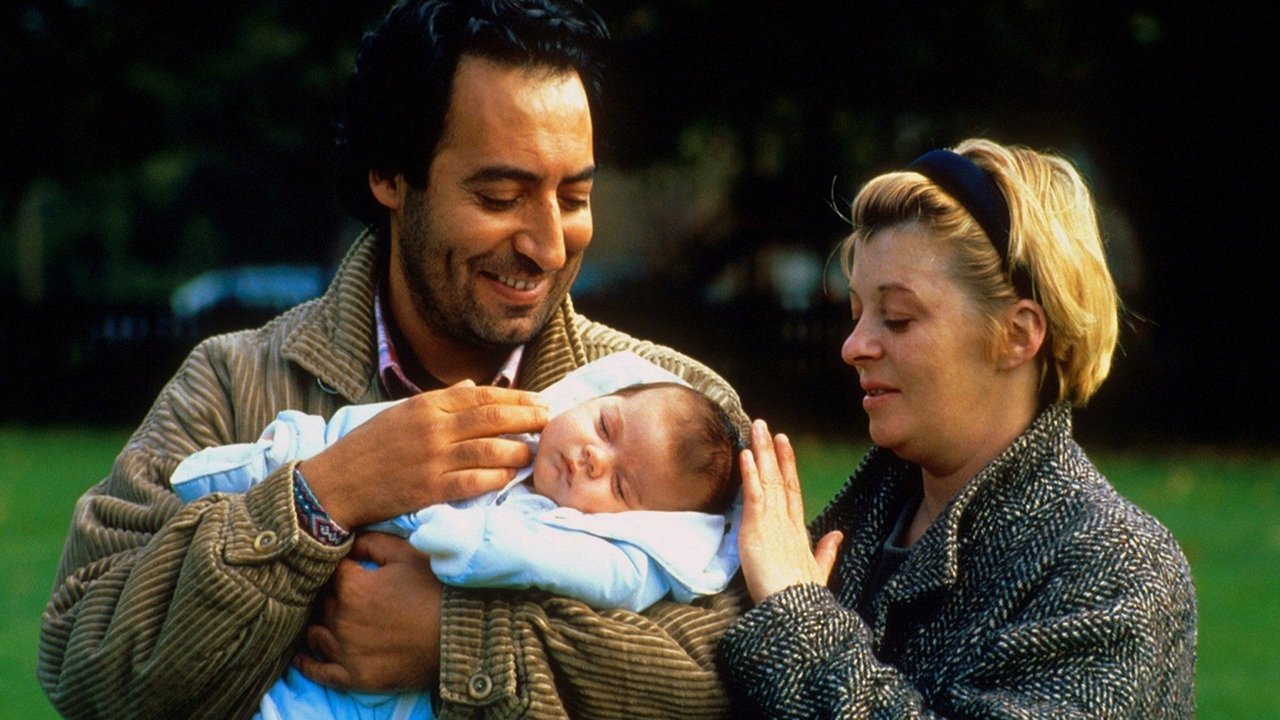
There’s a certain expectation that comes with renting a movie from the shelves of Blockbuster or your local corner store back in the day. You might grab the latest action spectacle, a familiar comedy, maybe a sci-fi romp. But sometimes, tucked away, you'd find something else entirely – a film that didn't offer escapism, but instead grabbed you by the collar and demanded you witness a raw, uncomfortable truth. Ken Loach's 1994 film, Ladybird Ladybird, was precisely that kind of experience. The title, evoking a gentle children's nursery rhyme, stands in brutal contrast to the harrowing reality depicted within, a reality based on the true story of a woman battling poverty, abuse, and a social system that seems determined to break her spirit.
### A Life on Fire
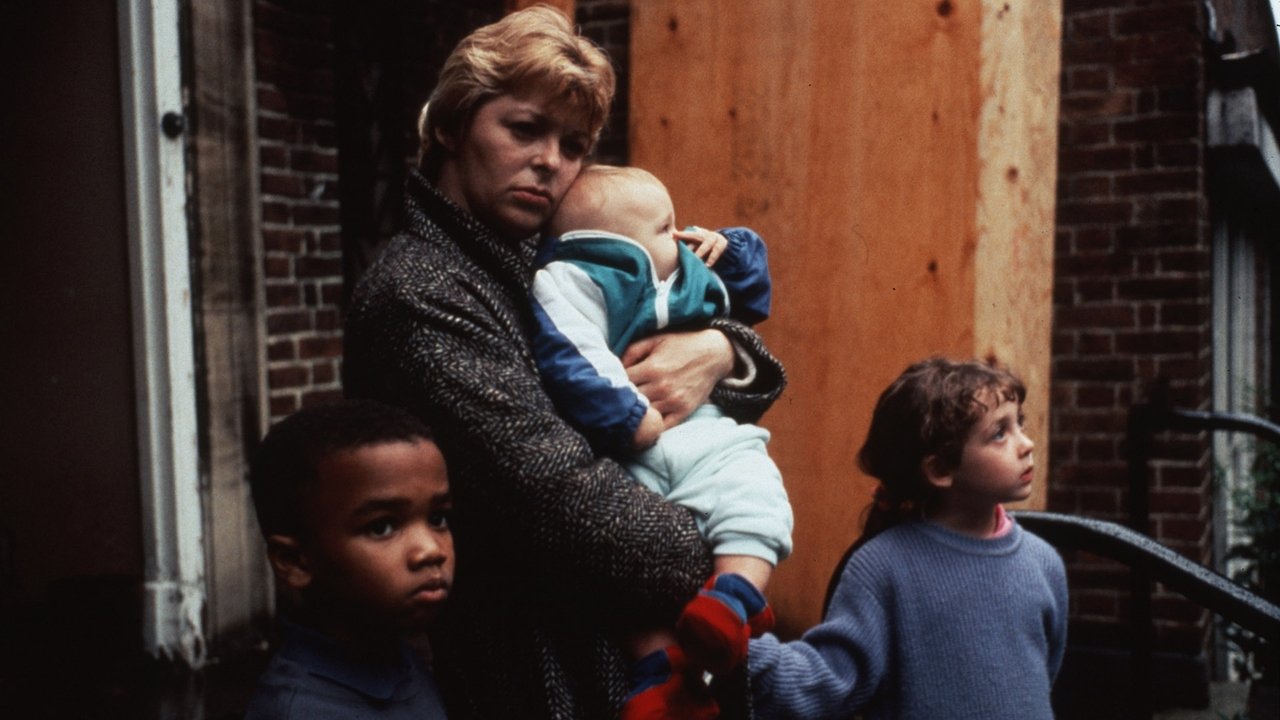
At the heart of the film is Maggie Conlan, portrayed with astonishing, almost terrifying authenticity by Crissy Rock. We meet Maggie living in a women's shelter, her life already a catalogue of trauma, including escaping an abusive relationship and having her children taken into care after a fire. She's volatile, deeply wounded, and fiercely protective, prone to explosive outbursts born from desperation and pain. When she meets Jorge (Vladimir Vega), a gentle Paraguayan refugee, a flicker of hope ignites. They fall in love, dream of building a new life, a stable home for Maggie's existing children and the ones they hope to have together. But the shadow of social services looms large, scrutinizing Maggie's past, her temper, and her perceived fitness as a mother. What unfolds is a relentless cycle of hope and crushing despair, as Maggie fights tooth and nail against a system that seems incapable of seeing the person behind the case file.
### Unvarnished Truth: The Loach Approach
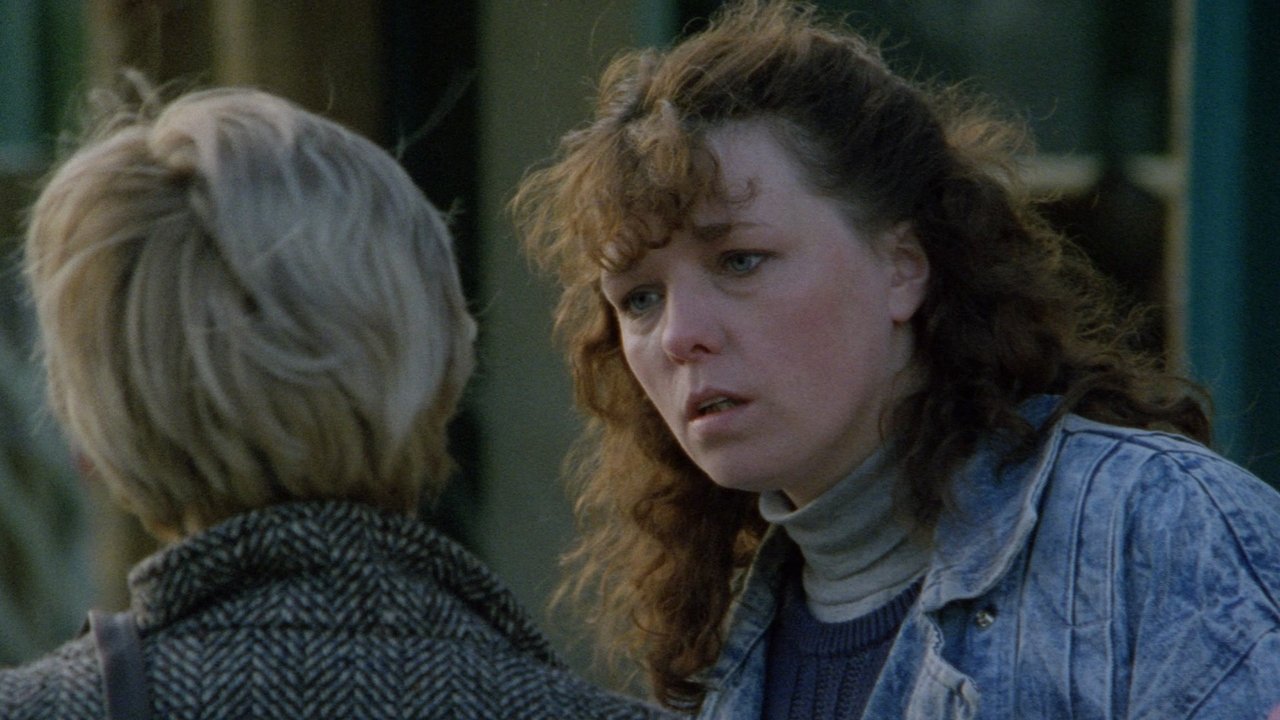
Understanding Ladybird Ladybird means understanding Ken Loach's unwavering commitment to social realism. Known for films like Kes (1969) and later works like I, Daniel Blake (2016), Loach crafts films that feel less like fiction and more like urgent documentaries. He often employs non-professional actors or those new to the screen, seeking performances stripped of artifice. Crissy Rock, famously a stand-up comedian discovered by Loach in a Liverpool pub, had never acted in a film before. This lack of formal training becomes her greatest asset here. Her portrayal of Maggie isn't 'acting' in the conventional sense; it feels like bearing witness. Loach reportedly employed his usual methods, sometimes giving actors only pages of the script at a time, or surprising them on set to elicit genuine reactions. This technique contributes significantly to the film's cinéma vérité feel – the raw, unpredictable energy that makes it so compelling and, at times, almost unbearable to watch. Rock's performance was rightly lauded, earning her the Silver Bear for Best Actress at the Berlin International Film Festival – a testament to its visceral power.
The film itself was born directly from life. Writer Rona Munro based the screenplay on hours of interviews with the real woman whose experiences inspired Maggie's story. This grounding in lived experience permeates every frame. There are no easy answers, no simple villains (though the bureaucratic indifference can feel villainous). The social workers aren't depicted as monsters, but as cogs in a machine, bound by rules and procedures that often fail to account for the complexities of human trauma and resilience. It’s a stark reminder of the limitations and potential damages of state intervention, forcing us to ask uncomfortable questions about who gets to decide what makes a 'good enough' parent, especially when poverty is intrinsically linked to the equation.
### More Than Just Misery
While undeniably bleak, Ladybird Ladybird isn't solely an exercise in misery. The relationship between Maggie and Jorge provides moments of genuine warmth and tenderness. Vladimir Vega offers a performance of quiet strength and unwavering support, his character acting as an anchor in Maggie's turbulent life. Their connection feels real and hard-won, a small pocket of peace amidst the chaos. It’s these moments that make the subsequent blows land even harder.
The film’s low-budget aesthetic, a hallmark of Loach's work, further enhances its authenticity. Shot largely on location in London, it captures the drabness of shelters, the impersonal nature of council offices, and the precariousness of life on the margins. There are no stylistic flourishes to distract from the human drama unfolding. It’s filmmaking stripped bare, focused entirely on character and circumstance. Thinking back to seeing this on a fuzzy CRT via a worn VHS tape, the lack of gloss somehow made it feel even more immediate, more real, than the polished Hollywood dramas of the era. It was a jolt, a reminder that cinema could be a window into lives far removed from our own, yet grappling with universal themes of love, loss, and the desperate need for agency.
### Lasting Echoes
Ladybird Ladybird is not an easy watch. It's emotionally draining, unflinching in its depiction of suffering, and deeply critical of societal structures. It’s the kind of film that stays with you, prompting reflection long after the credits roll. What does it mean to be deemed unfit, and by whom? How does trauma shape a person's ability to navigate the world, and how much responsibility does society bear for those cycles? The film doesn't offer simple solutions, but its power lies in forcing us to confront these difficult questions. For those of us who remember stumbling upon it in the video store, perhaps expecting something lighter based on the title, it served as a potent reminder of cinema's power to challenge, provoke, and foster empathy.
Rating: 9/10
This score reflects the film's undeniable power, Crissy Rock's extraordinary, award-winning performance, and Ken Loach's masterful, unflinching direction. It’s a near-perfect execution of social realist filmmaking, achieving exactly what it sets out to do, even if the experience is profoundly difficult. It loses a point only because its sheer intensity makes it a film many might understandably find hard to revisit, despite its brilliance.
Ladybird Ladybird remains a vital piece of 90s British cinema – a raw, essential, and unforgettable cry from the heart, echoing with questions about compassion and judgment that still resonate today.