Rebound: The Legend of Earl 'The Goat' Manigault
It's a name whispered with a kind of reverence on cracked asphalt courts, a legend spun from near-mythical leaps and impossible shots: Earl 'The Goat' Manigault. But legends often cast long shadows, obscuring the complex, sometimes tragic, human stories beneath. Rebound: The Legend of Earl 'The Goat' Manigault, the 1996 HBO film directed by Eriq La Salle (then best known as Dr. Peter Benton on ER), doesn't just recount the playground exploits; it digs into the painful space between potential and reality, leaving you with a profound sense of what was lost, and perhaps, what can still be found.

### Harlem's Concrete Kingdom
The film instantly immerses us in the vibrant, tough world of 1960s Harlem basketball. La Salle, making a confident directorial debut here, captures the energy and the almost religious fervor surrounding streetball. It wasn't just a game; it was a proving ground, a potential ticket out, a source of pride and identity. We see a young Earl (played with astonishing fire and grace by Don Cheadle) soaring, seemingly defying gravity, inventing moves like the "double dunk" that left seasoned players speechless. Legends like Kareem Abdul-Jabbar (who appears briefly as himself) have spoken of Manigault's talent in hushed tones, calling him the greatest player he ever saw outside the NBA – a staggering claim that the film makes believable through Cheadle’s electrifying portrayal of Manigault's raw ability. The early scenes pulse with the hope and kinetic energy of youth, set against the backdrop of a community both nurturing and perilous.
### A Star Ignited, A Future Dimmed
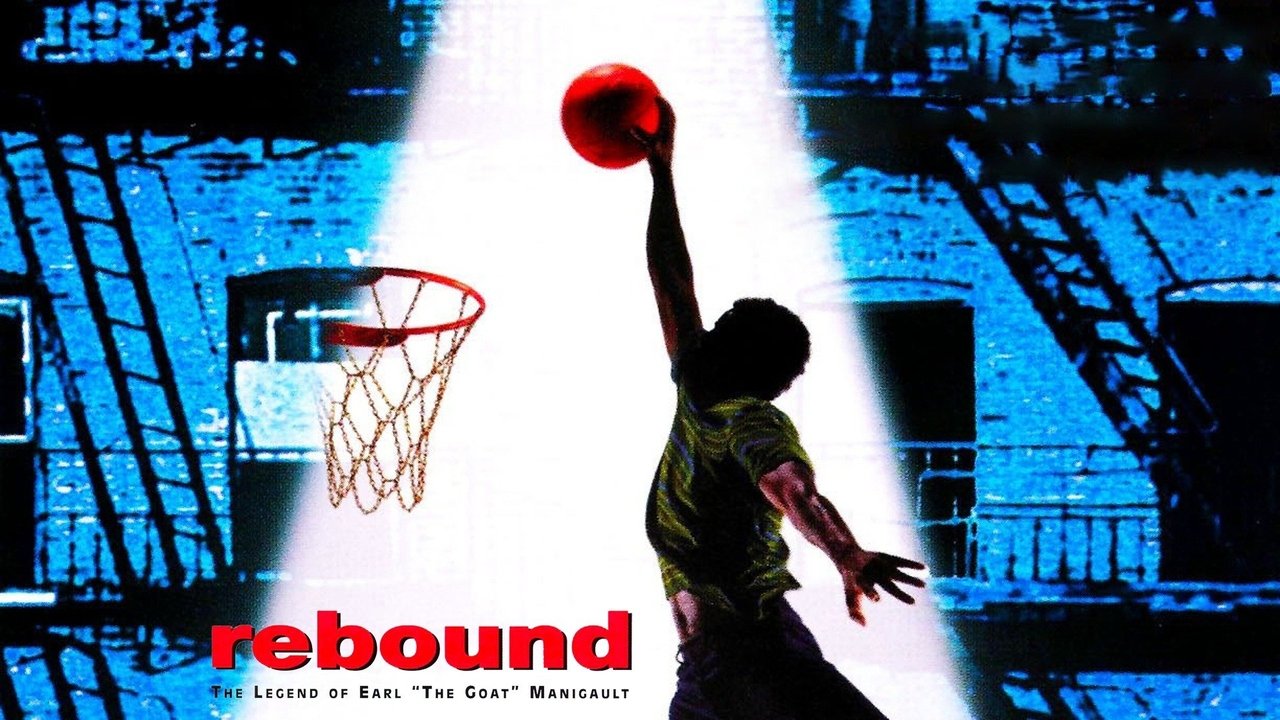
The heart of Rebound lies in Don Cheadle's phenomenal performance. This wasn't just acting; it felt like channeling. Long before his acclaimed turns in films like Hotel Rwanda or Crash, Cheadle delivered a performance here that absolutely cemented him as a major talent. He embodies Manigault's swagger, the balletic grace on the court, but crucially, he also captures the vulnerability, the quick temper, and the devastating slide into heroin addiction that derailed a seemingly inevitable professional career. Watching Cheadle portray Earl's descent is heartbreakingly authentic. There's no gloss, no easy explanation; it’s a raw depiction of talent squandered, opportunities fumbled, and the insidious grip of addiction that plagued so many, especially in that era and environment. It's a performance that forces you to confront the human cost behind the legend.
Interestingly, the nickname 'The Goat' itself carries a poignant piece of trivia. It wasn't, as many assumed, an acronym for "Greatest Of All Time." Rather, it reportedly stemmed from a teacher mispronouncing his last name, Manigault, which morphed into "Manny Goat" among his peers. It's a small detail, but it underscores the almost accidental nature of legends, built layer by layer through playground feats and neighborhood talk. The real Earl Manigault even has a brief cameo in the film, adding another layer of authenticity to the proceedings.
### More Than Just Moves
While the basketball sequences are dynamic, Rebound succeeds because it's not solely focused on the sport. It's a character study, a cautionary tale, and ultimately, a story about resilience. The supporting cast adds considerable weight. James Earl Jones, bringing his signature gravitas, plays Dr. McDuffie, a scout who recognizes Earl's potential but also sees the dangers surrounding him. Michael Beach (Third Watch, Aquaman) portrays Legrand, Earl’s streetwise friend, representing the allure and peril of the life Earl ultimately succumbs to. Their interactions ground the narrative, highlighting the choices and pressures Earl faced.
Eriq La Salle’s direction, while occasionally showing the budgetary constraints of a TV movie (it originally aired on HBO, a fact many might recall from catching it late at night back in the day), is remarkably assured. He avoids sensationalism, focusing instead on the internal struggles and the environmental factors contributing to Earl's downfall and eventual attempt at redemption. The film doesn't shy away from the grim realities of addiction – the desperation, the health consequences, the burned bridges – making Earl's later efforts to steer kids away from drugs all the more meaningful. He understands that the story's power lies in its truthfulness, not just its highlight reels.
### The Weight of What Might Have Been
What lingers most after watching Rebound isn't just the memory of impossible dunks, but the aching question of 'what if?' What if Manigault hadn't succumbed to addiction? Could he have been one of the NBA greats? The film doesn't offer easy answers, but it powerfully illustrates how fragile greatness can be, how easily potential can be extinguished by circumstance and self-destruction. Yet, it avoids being purely tragic. Manigault's later life, running his own "Goat Tournament" to keep kids off the streets, offers a measure of redemption, a testament to the enduring human spirit's capacity to find purpose even after falling hard. Doesn't this resonate with the understanding that second chances, while difficult, are profoundly important?
This film was one of those discoveries on cable or the video store shelf that felt significant – a story that stayed with you, more grounded and raw than many theatrical releases. It might not have had the blockbuster budget, but it had heart, grit, and a truly unforgettable central performance.
Rating: 8.5/10
Justification: Rebound earns its high score primarily through Don Cheadle's transcendent performance, which elevates the material beyond a standard biopic. Eriq La Salle's sensitive direction, the authentic depiction of streetball culture and the unflinching look at addiction and redemption contribute significantly. While it occasionally bears the hallmarks of its TV movie origins, its emotional power and compelling narrative make it a standout film of the era.
Final Thought: More than just a sports movie, Rebound is a poignant elegy for lost potential and a quiet celebration of finding meaning in the wreckage – a powerful reminder that even legends bleed.