### The Weight of the World on Young Shoulders
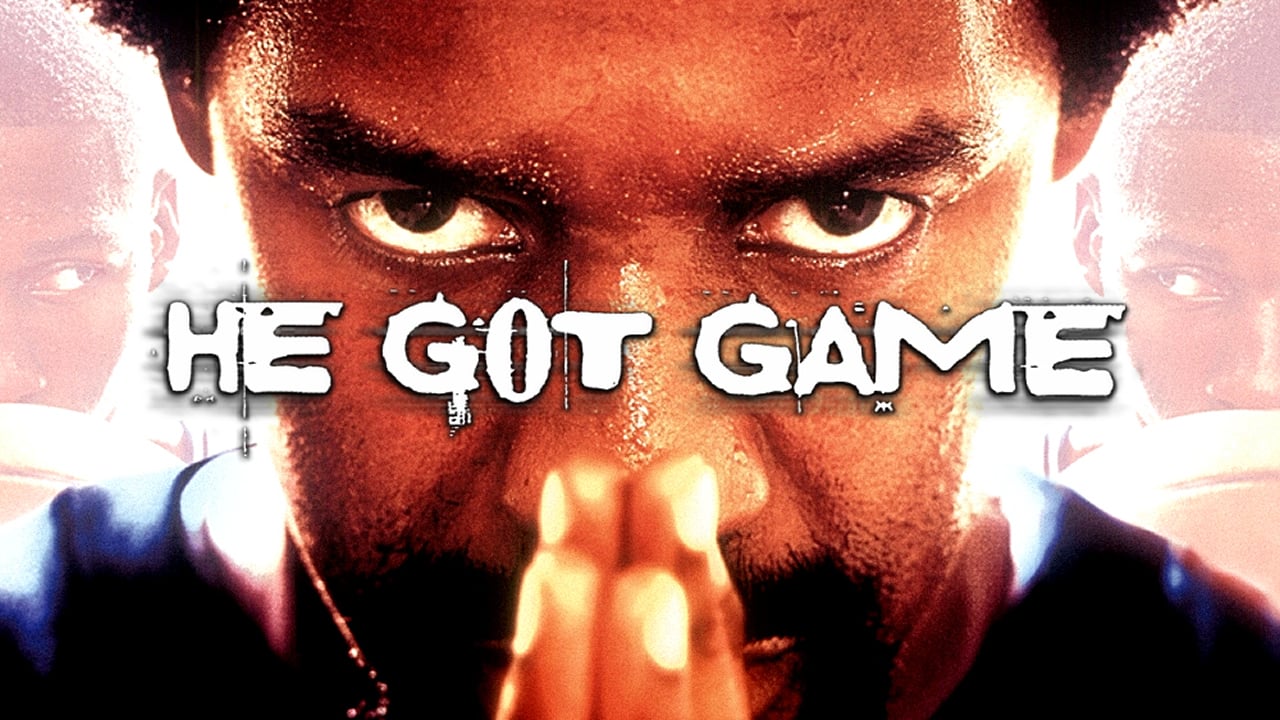
There’s a particular kind of pressure cooker atmosphere that Spike Lee seems drawn to, and in He Got Game (1998), it simmers constantly beneath the surface of Coney Island’s boardwalks and basketball courts. The film opens not just with a story, but with a burden – the immense, almost crushing weight placed upon Jesus Shuttlesworth (Ray Allen), the nation’s top high school basketball prospect. It’s more than just the pressure to perform; it’s the suffocating expectation of coaches, agents, family, hangers-on, and even the governor, all vying for a piece of his future. What choice does a young man have when his talent becomes everyone else's meal ticket?
### Father, Son, and a Devil's Bargain
At its core, He Got Game is a fractured father-son story, steeped in regret and the desperate hope for reconciliation. Jake Shuttlesworth (Denzel Washington) is serving a long sentence for the accidental killing of his wife, Jesus’s mother. In a move dripping with cynical opportunism, the governor offers Jake a week's parole. The deal? Convince his estranged son, Jesus, to sign with the governor’s alma mater, Big State University. Succeed, and Jake might see his sentence significantly reduced. Fail, and it’s back to Attica, hope extinguished. It’s a narrative engine fueled by desperation, forcing an impossible reunion under the most manipulative of circumstances. This premise alone forces us to confront uncomfortable questions about the systems that exploit talent and vulnerability. Remember pulling this tape from the shelf at Blockbuster? I do. It felt heavier, more significant than your average sports flick even then.

### Truth on the Court, Truth in Performance
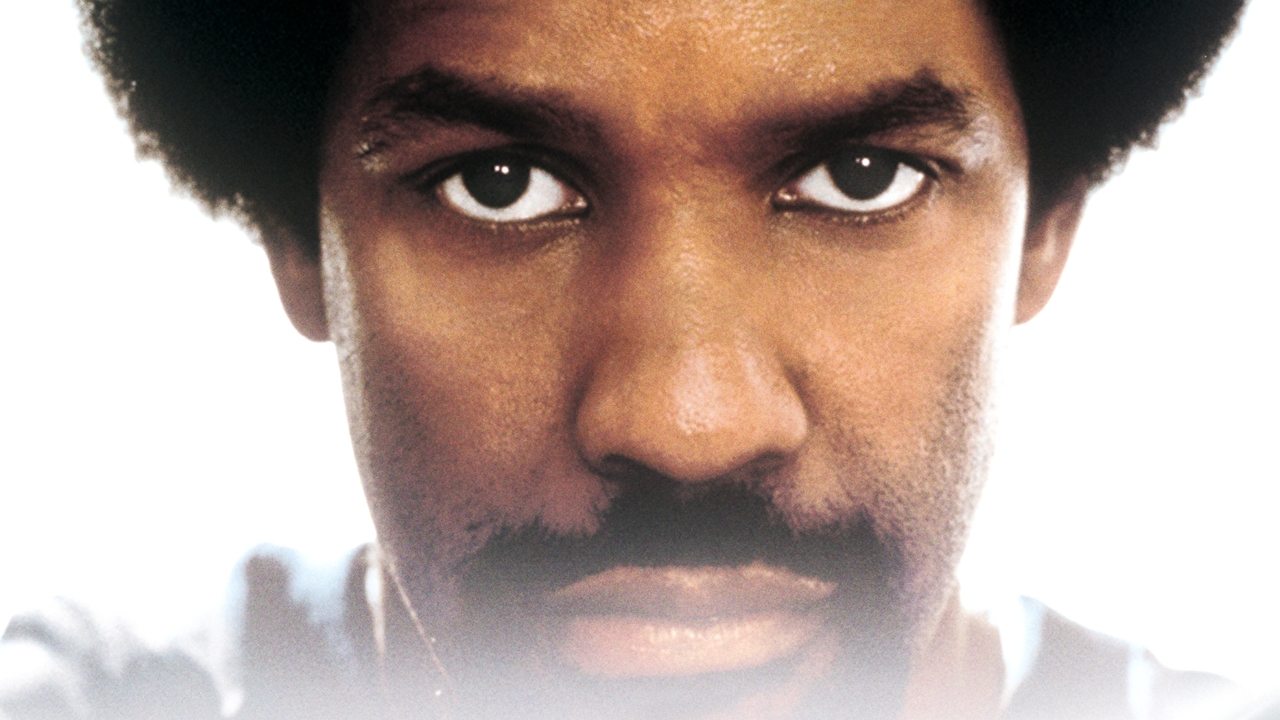
The casting here is crucial, and frankly, inspired. Denzel Washington, already a titan after films like Malcolm X (1992) and Philadelphia (1993), delivers a performance layered with simmering anger, profound guilt, and a raw, aching love for his son. Jake isn't simply a convict; he's a man wrestling with the ghost of his past actions and the impossible task before him. You see the hope flicker in his eyes, quickly followed by the shadow of his confinement.
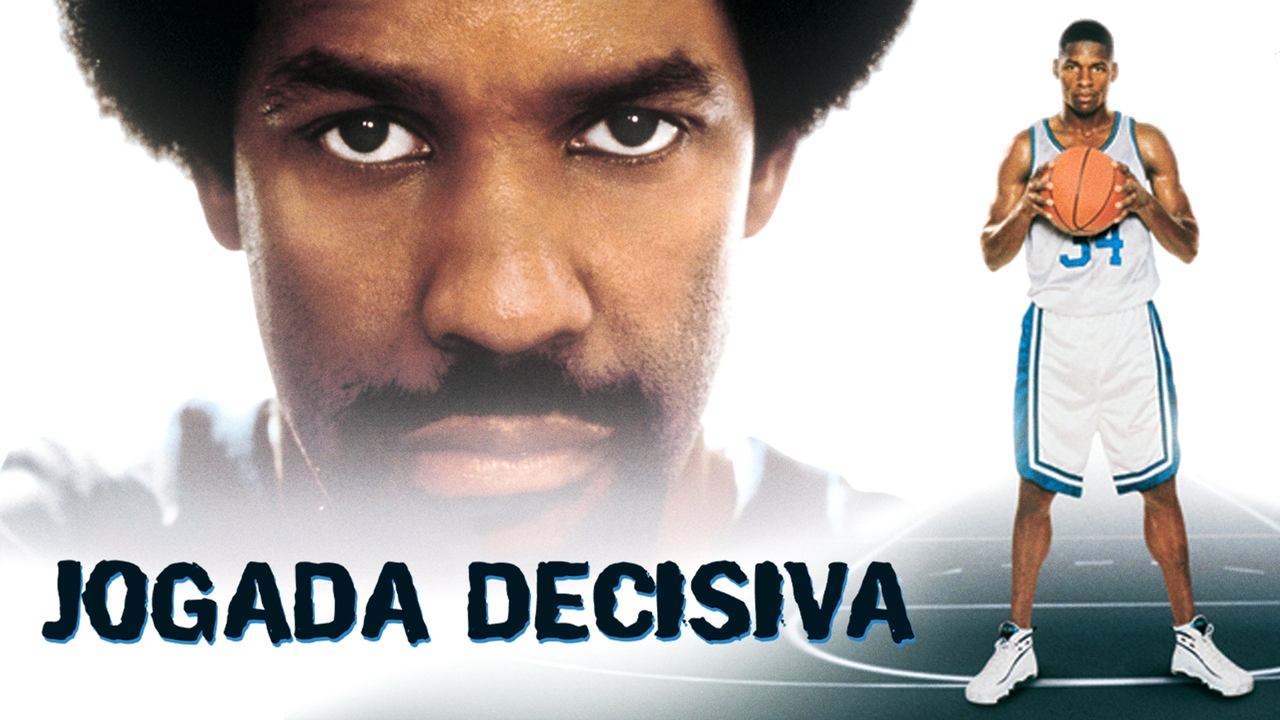
Then there's Ray Allen. It’s astonishing to remember this was his acting debut. Spike Lee reportedly considered several other NBA players, including Kobe Bryant and Tracy McGrady, but Allen, then a rising star with the Milwaukee Bucks, brought an incredible stillness and authenticity to Jesus. He conveys the character's burden not through histrionics, but through quiet intensity, wary eyes, and the palpable tension in his posture. He is Jesus Shuttlesworth, a young man besieged, trying to navigate a minefield of temptations and betrayals. The fact that Allen possessed genuine world-class basketball skills only adds to the film's realism. Reportedly, during filming of the pivotal one-on-one game, Lee just let Washington and Allen play, capturing the raw competitiveness and complex emotions boiling between father and son. Washington, a capable player himself, apparently held his own, but the dynamic benefited immensely from Allen’s professional prowess. It wasn’t just acting; it was real skill shaping the narrative.

### Spike's Joint: More Than Just a Game
This is unmistakably a Spike Lee Joint. His directorial signatures are all present: the vibrant, sometimes confrontational visual style, the direct engagement with social issues, the incredible use of music. The way he captures the energy of streetball, contrasting it with the sterile recruiting pitches, is masterful. Lee isn’t just telling a sports story; he's using basketball as a lens to critique the commodification of young Black athletes, the seductive allure of fame and fortune, and the systemic pressures that shape their lives.
And the soundtrack – how can you talk about He Got Game without mentioning Aaron Copland and Public Enemy? The juxtaposition is jarring, brilliant. Copland’s sweeping Americana underscores the dream Jesus represents, while Public Enemy’s defiant energy speaks to the anger, the struggle, and the urban reality Jake and Jesus inhabit. It’s a bold choice that elevates the film beyond genre conventions. It cost around $25 million to make back in '98, and while it didn't explode at the box office (grossing around $21.6 million domestically), its cultural resonance, particularly within sports and film circles, has far outlasted its initial financial return.
### Coney Island Blues and Lingering Questions
The film’s setting feels like another character. Coney Island, with its faded glory and underlying grit, perfectly mirrors the narrative's blend of hope and decay. Lee captures the texture of the place – the neon lights, the worn boardwalk, the cramped apartments – grounding the high-stakes drama in a tangible reality. Watching it now, the late 90s aesthetic feels both nostalgic and timelessly relevant in its depiction of urban life and struggle. We also see Milla Jovovich as Dakota, a prostitute living in the same transient hotel as Jake. Her storyline is perhaps the film's most debated element, a raw portrayal of survival and connection that adds another layer of desperation and unexpected tenderness, handled with a surprising lack of judgment by Lee.
What lingers most after the credits roll? For me, it’s the ambiguity. The film doesn't offer easy answers or neat resolutions. Jake’s fate, Jesus’s ultimate choice (and the motivations behind it), the cyclical nature of exploitation – these threads remain, prompting reflection long after the VCR clicks off. Does Jake truly achieve redemption? Can Jesus escape the system that seeks to devour him? The film leaves these questions hanging, trusting the audience to grapple with their weight.
---
Rating: 9/10
He Got Game stands as one of Spike Lee's most potent and emotionally resonant films, and arguably one of the greatest basketball movies ever made. Its power lies not just in the thrilling on-court action, but in its unflinching look at the complex relationship between a father and son, set against a backdrop of societal pressures and systemic exploitation. Washington is magnificent, and Ray Allen delivers a remarkably grounded debut performance. The direction is signature Lee – bold, stylish, and socially conscious. The slightly underdeveloped subplots barely detract from the central narrative's impact. This film earns its high rating through its powerful performances, thematic depth, masterful direction, and enduring relevance.