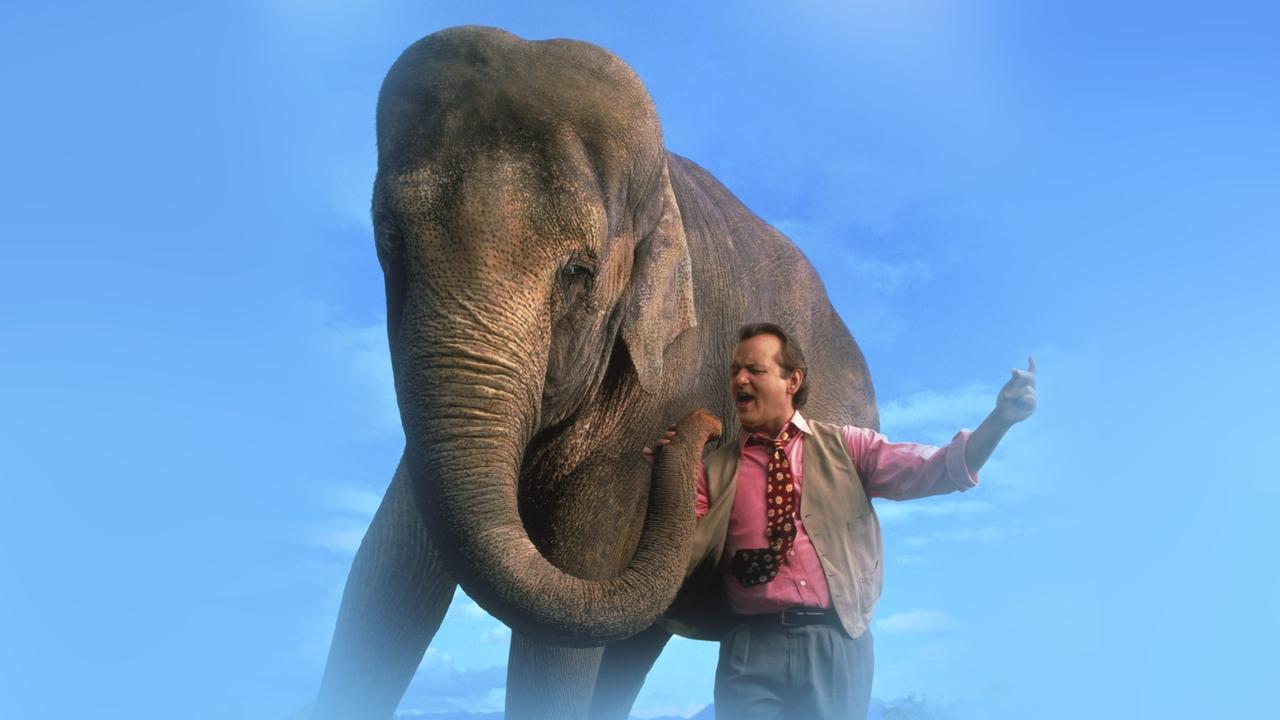
Okay, picture this: You're wandering the aisles of your favorite video rental spot, maybe a Blockbuster or perhaps one of those beloved local haunts. Your eyes scan the comedy section, past the usual big hitters, and land on a slightly peculiar cover: Bill Murray looking understandably flustered next to... an elephant? That, my friends, is the unique charm of 1996's Larger Than Life, a film that ambled onto screens with a premise so delightfully absurd it feels perfectly at home in the quirky landscape of 90s cinema. It wasn't a blockbuster smash, but for those of us who caught it on tape, it remains a rather sweet, surprisingly gentle road trip memory.
An Inheritance of... Epic Proportions
The setup is pure high-concept comedy gold, the kind studios seemed to greenlight with cheerful abandon back then. Bill Murray plays Jack Corcoran, a slick motivational speaker whose perfectly planned life gets derailed when he learns his estranged circus clown father has passed away, leaving him an inheritance. Not cash, not property, but Vera – a fully grown, 4-ton Indian elephant. Jack needs to get Vera across the country to a buyer (or perhaps a better life) to collect a hefty sum, setting the stage for a cross-country trek filled with predictable mishaps and, ultimately, unexpected bonding.
Directed by Howard Franklin, who had previously co-directed the criminally underrated Quick Change (1990) also starring Murray, Larger Than Life feels like a different beast altogether. Where Quick Change was sharp and cynical, this film, penned by humorist Roy Blount Jr. alongside Pen Densham and Garry Williams, aims for something warmer, more akin to a family-friendly fable with a Murray-esque edge. It’s a gentle giant of a movie, much like its pachyderm star.
Murray and the Majesty
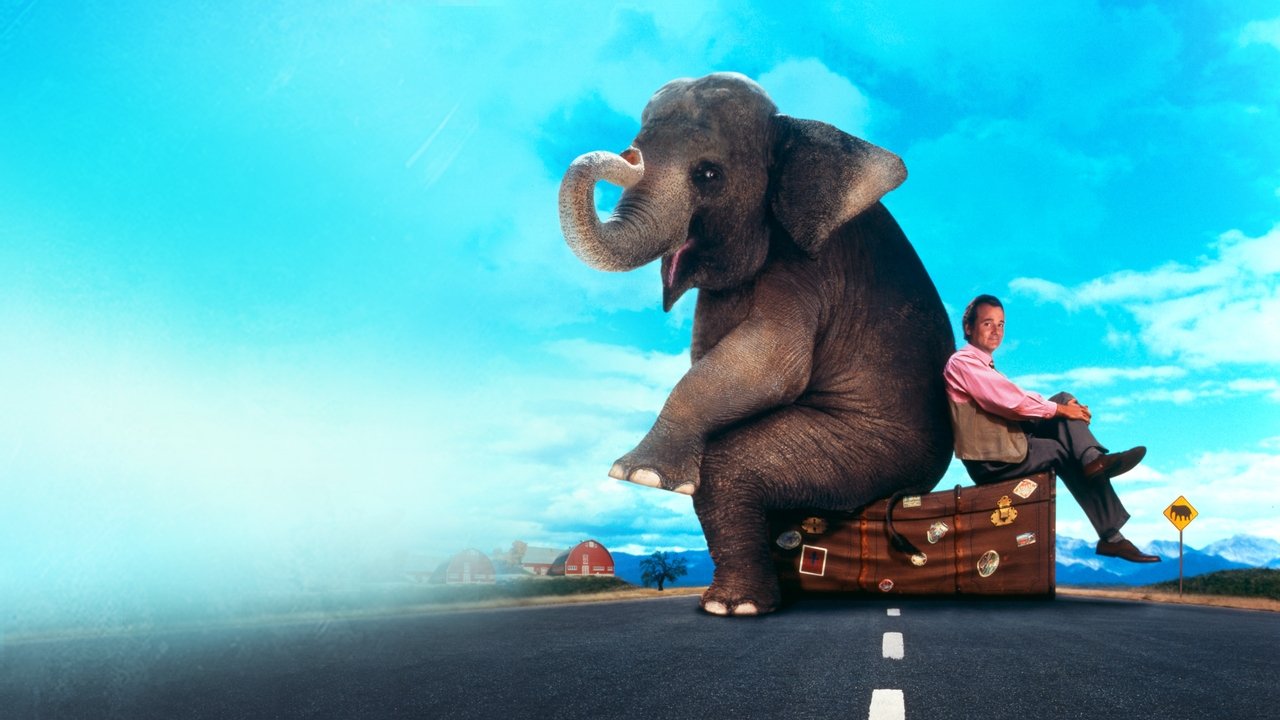
Let's be honest, the main draw here is Bill Murray sharing the screen with an elephant. And it works, mostly thanks to Murray's unparalleled ability to react to the absurd with world-weary exasperation that somehow remains endearing. His Jack Corcoran starts as a fairly standard self-involved character, but the sheer logistical nightmare and undeniable presence of Vera slowly chip away at his facade. Watching Murray trying to reason with, transport, and ultimately connect with his enormous co-star provides the film's most genuine and amusing moments. There’s a physical comedy element here that Murray leans into, reminding us he’s more than just dry wit; he can handle a pratfall or a moment of pure panic with the best of them.
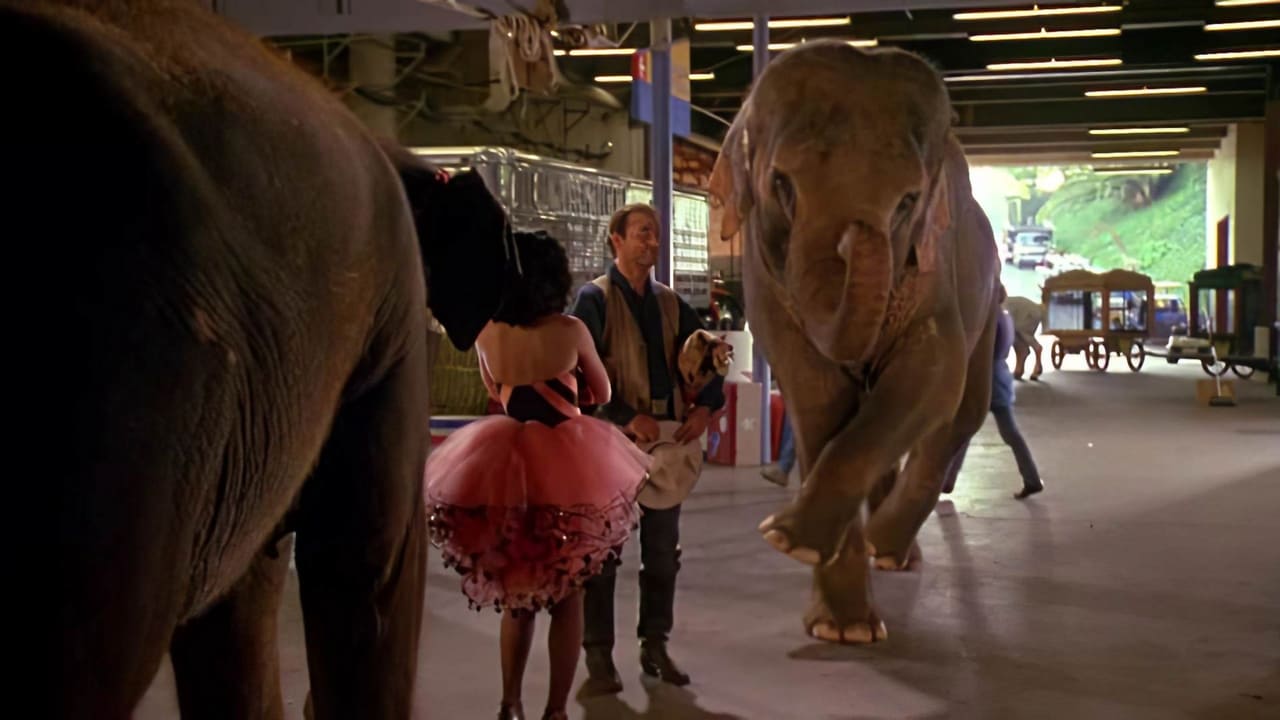
And what about Vera? She was primarily played by the talented elephant performer Tai, who many might recognize from her later role in Water for Elephants (2011). Working with such a massive, intelligent animal lends the film a grounded reality that CGI simply couldn't replicate back then. You feel the weight and presence of Vera, making the logistical challenges Jack faces feel palpable. There’s an inherent charm in seeing this real creature interact with the human cast, a kind of movie magic specific to the era of practical effects and animal stars.

A Road Trip Through 90s Quirk
Along the journey, Jack encounters a small but memorable supporting cast. Janeane Garofalo pops up as Mo, a sharp-tongued trucking expert whose cynicism offers a nice counterpoint to the film's generally sweet nature. And keep your eyes peeled for a pre-Alright, Alright, Alright Matthew McConaughey as Tip Tucker, a hyper-enthusiastic, almost maniacal trucker who represents one of the film's broader comedic swings. His performance is a jolt of wild energy, hinting at the unique screen presence he would later cultivate.
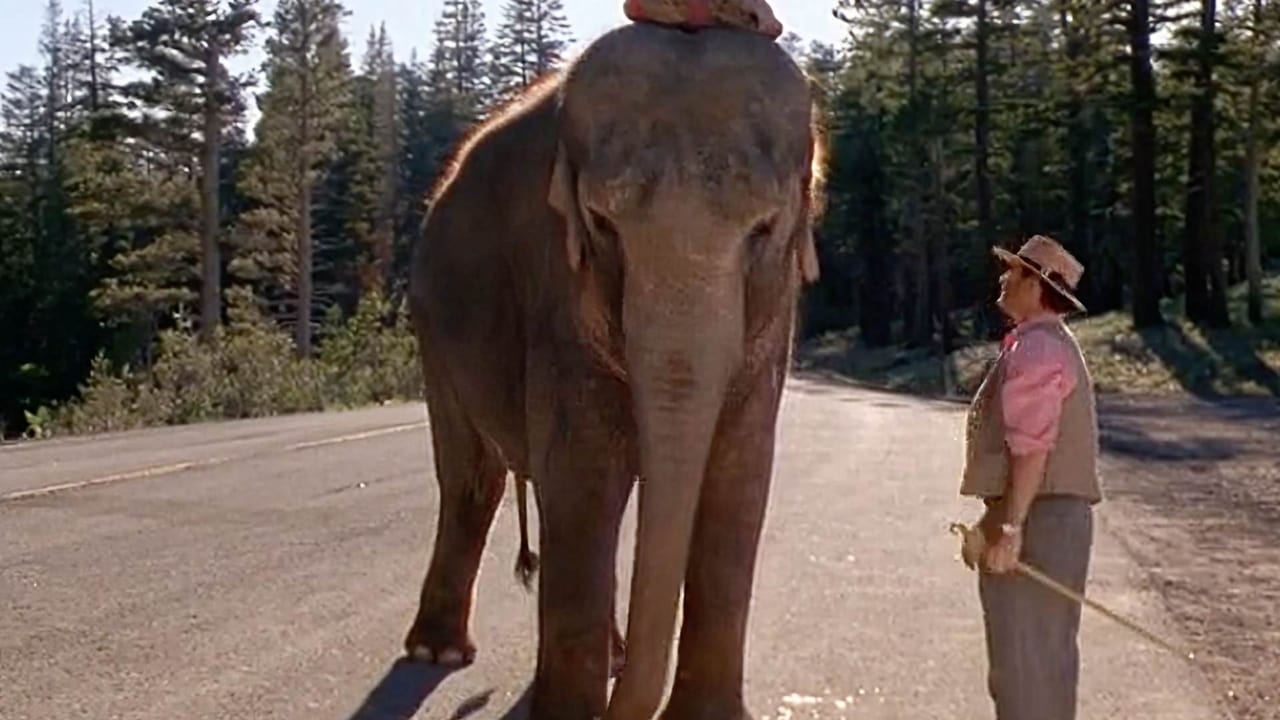
The film ambles along much like its elephant star, taking viewers on a scenic route through middle America. The cross-country journey provides plenty of opportunities for episodic encounters and challenges – finding food, shelter, and transportation for a multi-ton mammal isn't exactly straightforward. Some gags land better than others, and the pacing occasionally feels a bit sluggish between the standout moments.
Retro Fun Facts & Reception
Interestingly, Larger Than Life didn't exactly stampede the box office. Made on a fairly substantial budget (reportedly around $30 million), it brought in just over $8 million domestically. Critics at the time were also lukewarm, with reviews generally landing in the mixed-to-negative range (it currently holds a rather harsh 13% on Rotten Tomatoes and a 5.5/10 on IMDb). Murray himself reportedly wasn't thrilled with the final product and didn't do much promotion, which likely didn't help its chances. This lack of initial fanfare probably contributes to why it feels like a "VHS discovery" for many – something you stumbled upon rather than sought out, making the memory perhaps even fonder for its unexpectedness.
Despite its commercial struggles, the film has a certain undeniable heart. The core message about finding connection in unexpected places, and learning to care about something bigger than yourself (literally!), resonates gently. It's not trying to be a laugh-a-minute riot; it's content being a more character-driven piece wrapped in a quirky premise.
The Verdict
Larger Than Life isn't peak Bill Murray, nor is it a forgotten masterpiece of 90s comedy. It's a bit predictable, occasionally slow, and relies heavily on its central gimmick. But there's an undeniable sweetness and charm to it, largely thanks to Murray's reliable presence and the sheer novelty of the elephant co-star. It’s the kind of movie that might have played perfectly on a lazy Sunday afternoon after you brought it home from the rental store, offering gentle chuckles and a warm feeling without demanding too much. It captures a certain kind of earnest, slightly goofy filmmaking that feels distinctly of its time.
Rating: 6/10
This score reflects a film that's more charming than hilarious, carried by its star and its unique premise. It has definite flaws in pacing and comedic consistency, and its box office failure speaks volumes about its broad appeal (or lack thereof). However, for fans of Bill Murray, quirky 90s concepts, and films with tangible, real-world charm (like, you know, a real elephant), it offers enough heart and gentle amusement to be a worthwhile nostalgic revisit.
It’s a cinematic oddity, a gentle giant shuffling through the landscape of 90s comedies – perhaps not the loudest in the room, but certainly one you remember encountering on the shelf.