Alright, fellow tapeheads, let dim the lights, maybe crack open a Tab (if you can still find one!), and let’s rewind to a time when high-concept comedies didn’t need a universe attached. Remember browsing the aisles, the satisfying thunk of a tape dropping into the VCR slot? Sometimes you grabbed a sure thing, sometimes you took a gamble based on a wacky cover or a familiar face. And sometimes, you ended up with 1991’s Pure Luck.
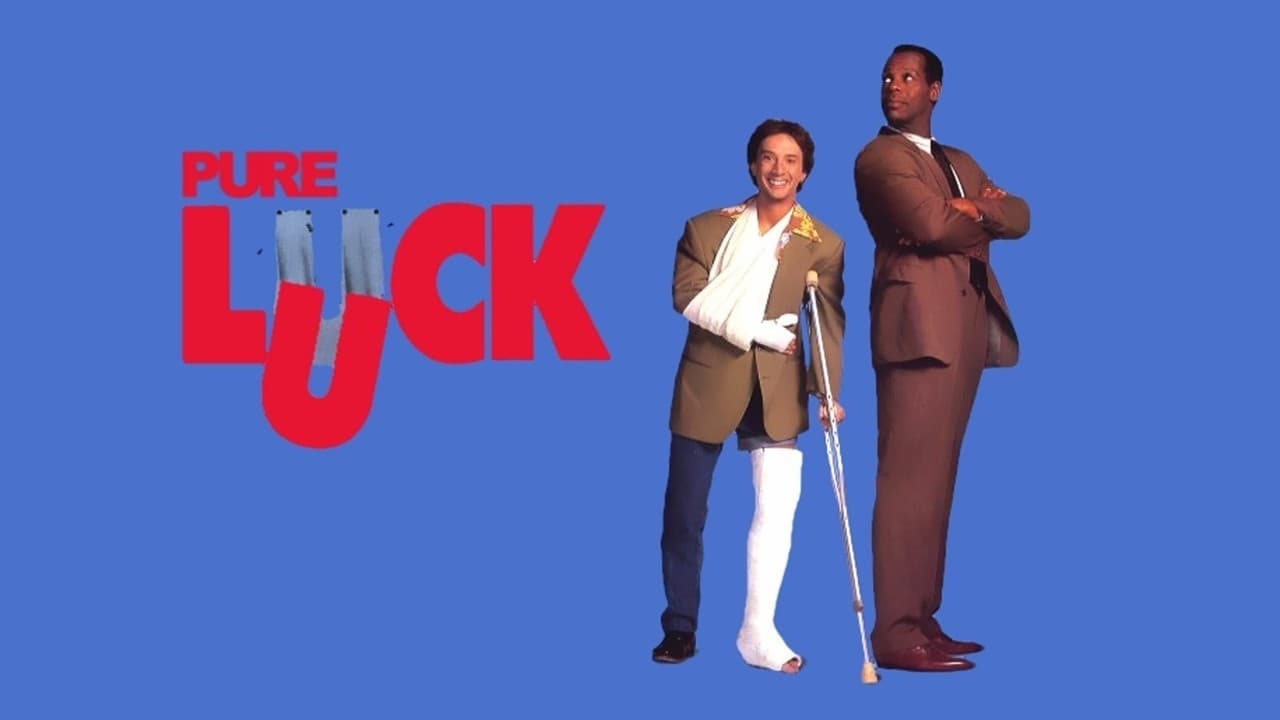
This flick often pops up in conversations like a half-remembered dream, usually prompted by someone asking, "Hey, remember that movie where Martin Short was incredibly unlucky, and Danny Glover had to follow him?" Yes, we remember. How could you forget a premise that specific? It’s the kind of oddball setup that feels quintessentially late 80s/early 90s – a strange comedic experiment banking entirely on its leads and its bonkers central idea.
### The Unluckiest Duo Since Laurel and Hardy (Probably)
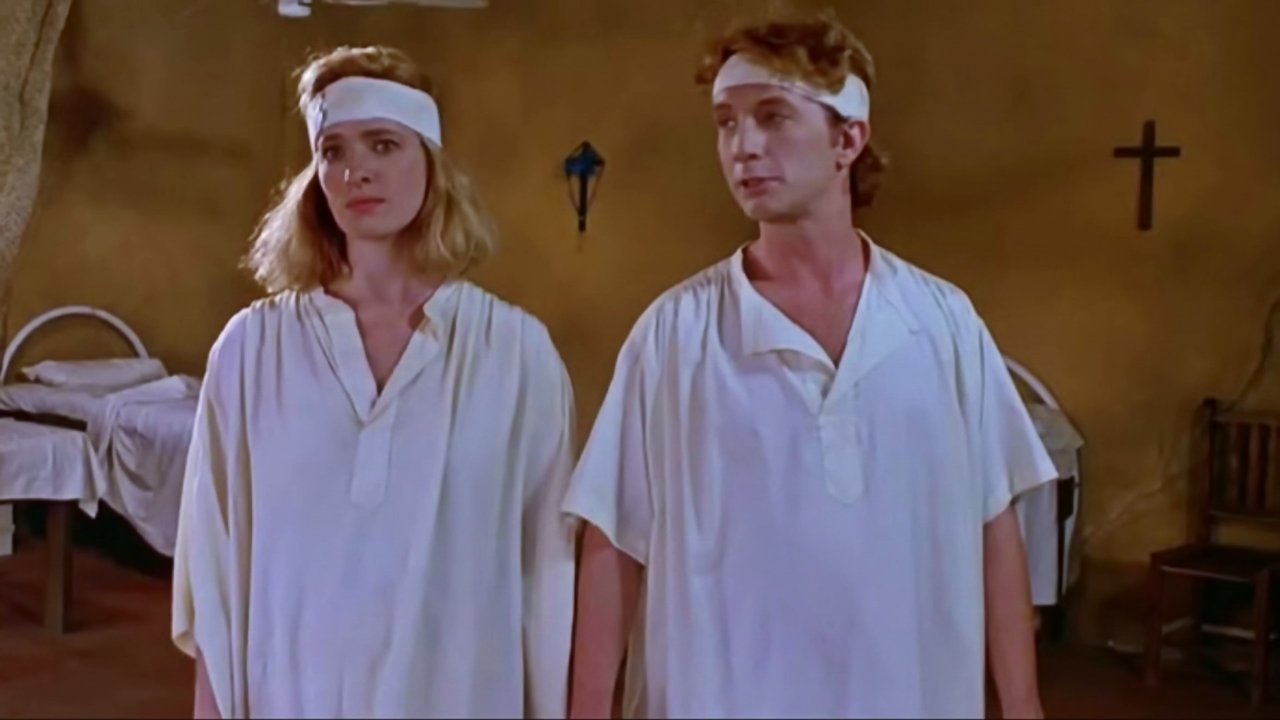
The plot, if you need a refresher, is delightfully absurd. Valerie Highsmith (Sheila Kelley), the daughter of a wealthy businessman, vanishes in Mexico. She's known for being extraordinarily accident-prone, a walking disaster zone. When traditional detective work fails, a company psychologist has a brainwave: send someone equally unlucky to find her, believing his misfortune will mirror hers and lead him right to her. Enter Eugene Proctor (Martin Short), a mild-mannered accountant whose life is a perpetual slapstick routine of minor catastrophes. Tasked with babysitting this human calamity magnet is the perpetually exasperated private investigator, Raymond Campanella (Danny Glover).
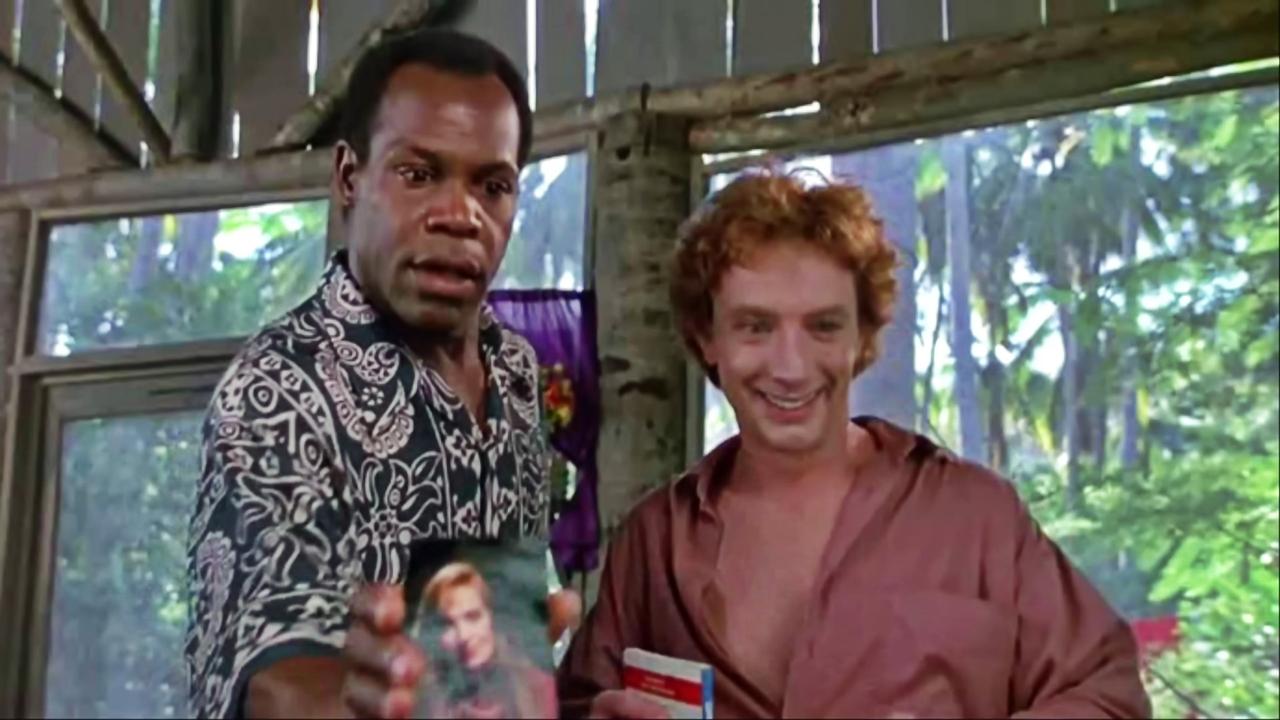
What follows is less a gripping mystery and more a series of escalating comedic mishaps as Proctor stumbles, bumps, trips, and gets stung through Mexico, with Campanella trying desperately to keep him (and himself) in one piece. Martin Short throws himself into the role with the kind of fearless physical commitment that defined so much of his best work. Remember that scene with the bee sting? Or the collapsing chair? It’s pure, unadulterated physical comedy, performed with gusto. There’s no CGI smoothing things over here; it’s just Short, a master of his craft, contorting and reacting with impeccable timing. It feels endearingly real in its silliness, a hallmark of comedy from this era.
Meanwhile, Danny Glover, fresh off the massive success of Lethal Weapon 2 (1989), plays the perfect foil. He's the grounded anchor in Proctor's storm of bad luck, his mounting frustration and disbelief mirroring the audience's. Glover’s slow burns and exasperated sighs are just as crucial to the comedy as Short's pratfalls. Their dynamic isn't about witty banter; it's about the inherent comedy of opposites thrown together by ludicrous circumstances.
### From Paris, With Pratfalls
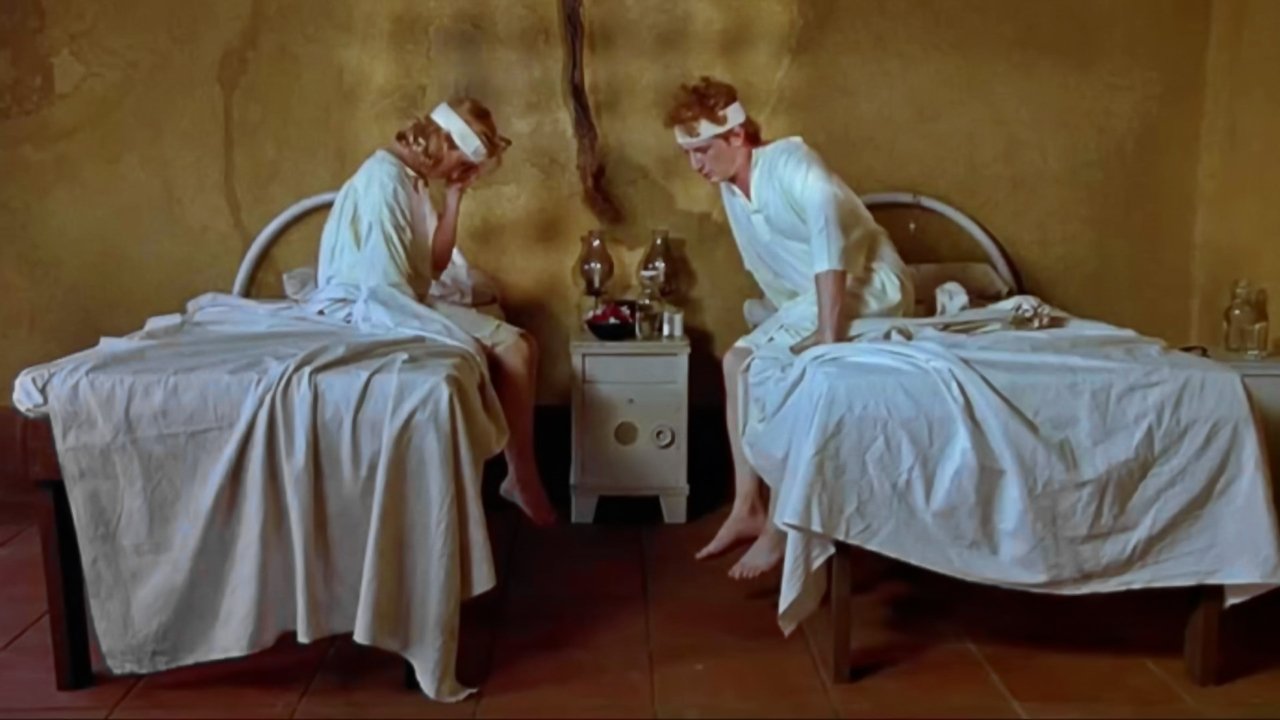
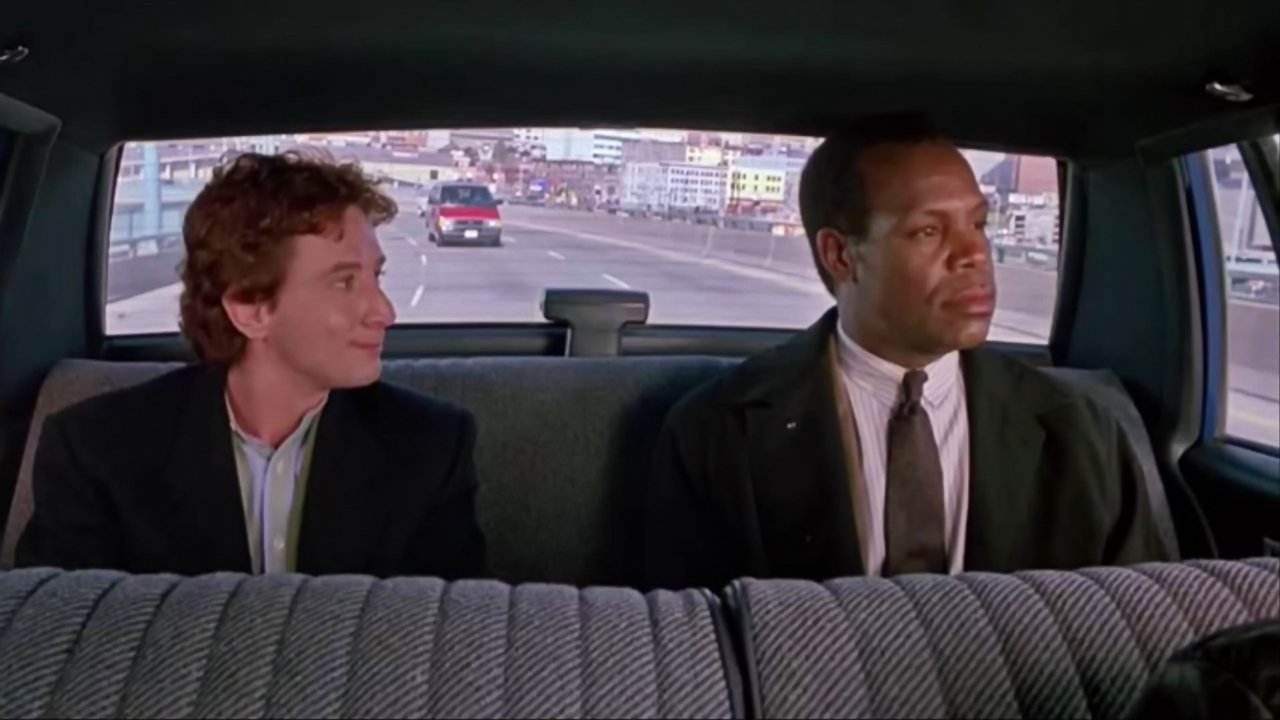
Now, here’s a little Retro Fun Fact that explains the film’s slightly European sensibility: Pure Luck is actually an American remake of a successful 1981 French film, La Chèvre (The Goat), starring Pierre Richard and Gérard Depardieu. Both films were written or co-written by the French master of high-concept comedy, Francis Veber, the same talent behind Le Jouet (remade as The Toy) and The Dinner Game (remade as Dinner for Schmucks). Knowing this connection makes the film's peculiar charm make a bit more sense. It has that slightly gentler, more character-focused feel than some of the brasher American comedies of the time. The screenplay adaptation was handled by Herschel Weingrod and Timothy Harris, a duo who certainly knew their way around a hit comedy, having penned classics like Trading Places (1983) and Twins (1988).
Another interesting tidbit: the film was directed by Australian filmmaker Nadia Tass. While maybe not a household name in the US, she had previously directed the acclaimed Aussie films Malcolm (1986) and The Big Steal (1990). Her involvement perhaps contributes to the film’s slightly off-kilter rhythm compared to standard Hollywood fare.
### Sun, Sand, and Stumbles
The Mexican setting, primarily filmed on location in Acapulco, Manzanillo, and Mexico City (Retro Fun Fact!), gives the film a nice visual backdrop. The sunny locations provide a vibrant contrast to Proctor’s endless stream of misfortune. It adds a layer of escapism – even if it’s escapism punctuated by falling luggage and unfortunate encounters with local wildlife. The practical nature of the gags feels right at home against these real-world backdrops. There's a tactile quality to the comedy; you feel the bumps and bruises (metaphorically, of course).
Let's be honest, Pure Luck wasn't exactly a critical darling back in '91. Reviews were mixed to negative, and its box office take of around $22.7 million wasn't exactly blockbuster territory. But like so many films from this era, it found its true life on the shelves of Blockbuster and local video stores. I distinctly remember renting this one weekend, drawn in by the actors and the goofy premise, and finding it a surprisingly amiable, if uneven, way to spend 90 minutes. It was the perfect kind of movie to watch on a lazy Saturday afternoon – funny, unchallenging, and possessing a certain strange sweetness beneath the slapstick.
### Final Verdict
Pure Luck is undeniably a product of its time – a high-concept comedy relying heavily on the charm and physical prowess of its leads, particularly Martin Short's rubber-faced brilliance. It's not consistently hilarious, and the plot is wafer-thin, but there’s an undeniable warmth and gentle silliness to it. Danny Glover is superb as the straight man, and the Mexican locations add a pleasant visual flavour. It coasts on charm and Short's relentless commitment to the bit.
VHS Heaven Rating: 6/10
Justification: It earns points for the fantastic physical comedy from Short, Glover's excellent straight-man performance, and its overall quirky charm. It loses points for an uneven pace and a premise that wears a little thin. It's good-natured fun, but not quite a classic.
Final Thought: In an age before bad luck could be CGI'd, Pure Luck offered misfortune served straight up, relying on pure performance – a charmingly clumsy artifact from the video store shelf that still raises a smile, even if you see the next trip hazard coming a mile away.