The signal flickers, the tracking lines waver, and suddenly you're plunged back into the neon-drenched, pixelated nightmare of mid-90s cyberspace. But something’s wrong. The awe, the bizarre philosophical edge, the unsettling body horror of the original Jobe Smith – it's fractured, replaced by something louder, cruder, yet strangely hollow. This isn't just a sequel; it feels like a corrupted file, a ghost haunting the digital pathways laid down only a few years prior. This is the world of Lawnmower Man 2: Beyond Cyberspace.
Echoes in the Machine
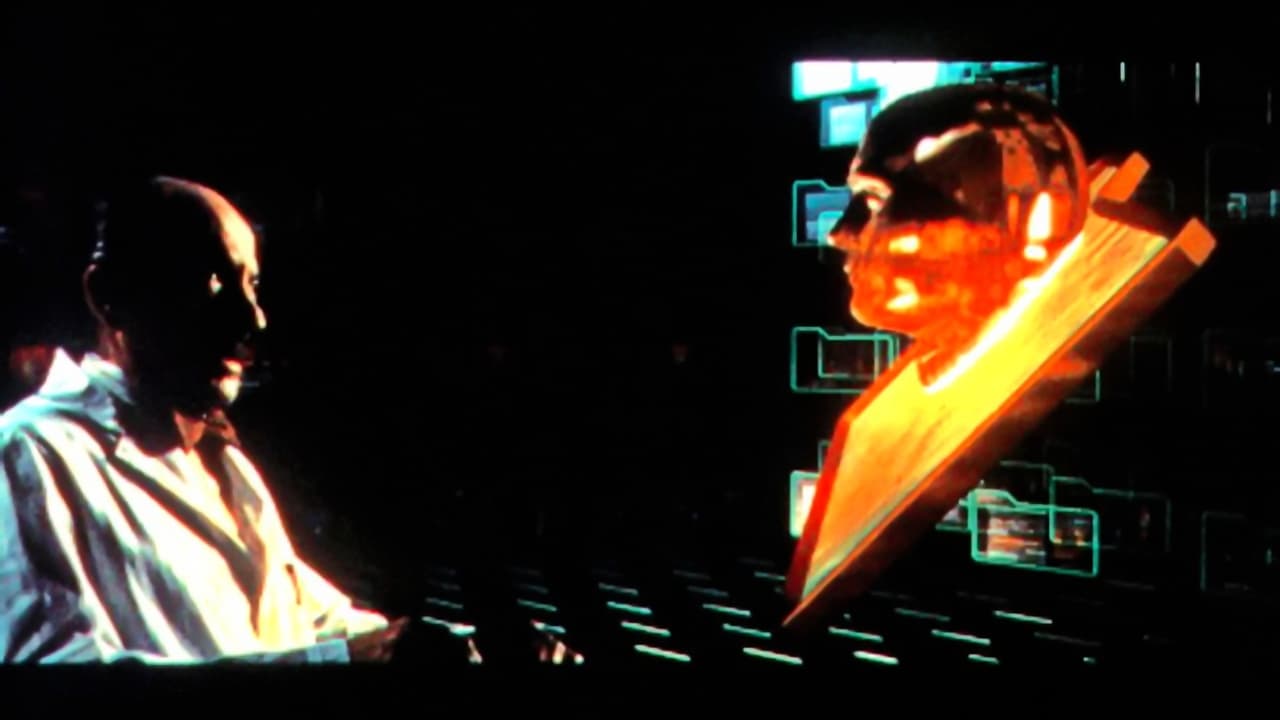
Picking up sometime after the fiery (supposed) demise of Jobe Smith at the end of the first film, 1996's Beyond Cyberspace finds the cyber-god not quite as dead as advertised. Resurrected by corporate techno-wizard Jonathan Walker (Kevin Conway, lending some much-needed gravitas), Jobe – now physically embodied by Patrick Bergin after Jeff Fahey wisely opted out – is intended to be the key to Walker's dream of controlling a global information network called "Chiron." Of course, Jobe has his own agenda: digital omnipotence and maybe finding a new body, because his current cyber-form is apparently unstable. Standing in his way is a now-teenage Peter Parkette (Austin O'Brien, gamely returning), haunted by his past with Jobe, and a group of underground cyber-hackers living in the ruins beneath a futuristic Los Angeles.
It's a setup ripe for exploring the burgeoning anxieties and possibilities of the internet age, a theme the first film, directed by Brett Leonard, tapped into with surprising prescience (even if its connection to the original Stephen King short story was tenuous at best – King famously sued to have his name removed from the first film's marketing!). But where the original offered moments of genuine digital wonder mixed with Cronenbergian unease, this sequel, helmed by Farhad Mann (who also co-wrote), largely jettisons the philosophical pretensions for a more straightforward, and significantly less compelling, action-adventure romp through dated digital landscapes.
Digital Dreams, Analog Nightmares
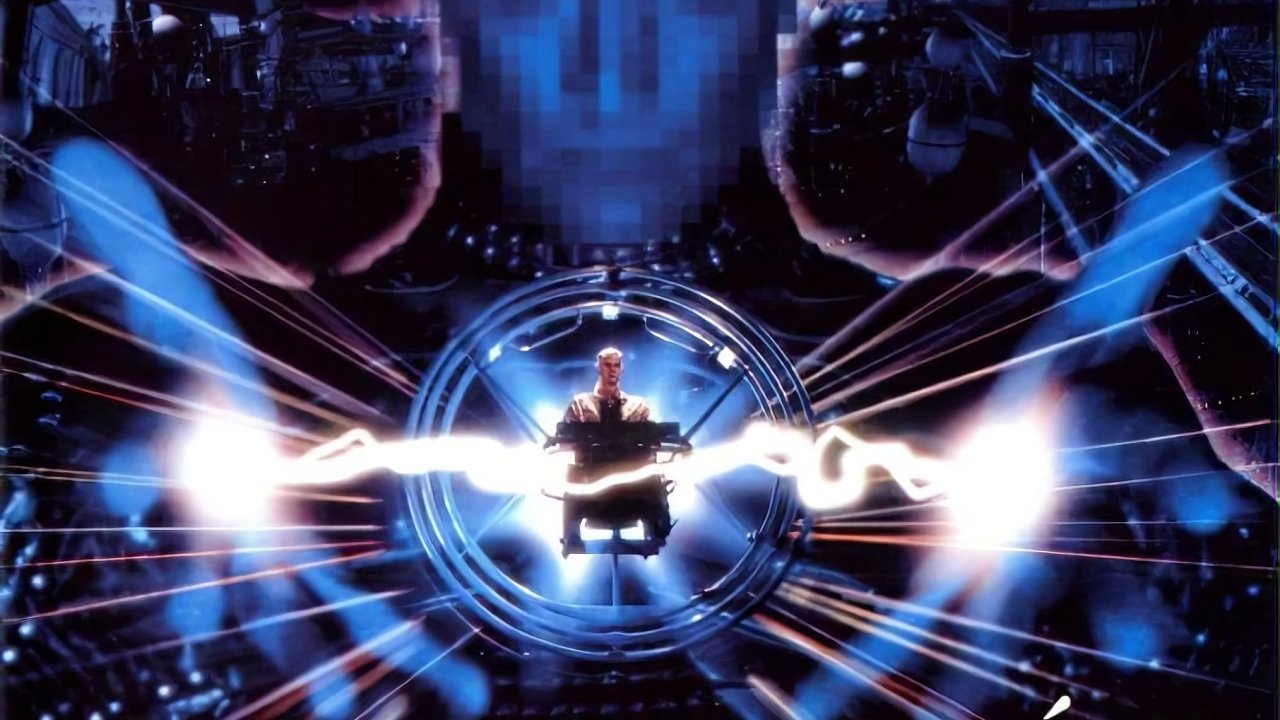
Let's talk about the cyberspace sequences. Oh, boy. The original Lawnmower Man (1992) was groundbreaking for its time, one of the first films to heavily feature computer-generated virtual reality environments. They look primitive now, sure, but there was an artistry, a weirdness to them. Beyond Cyberspace cranks the CGI knob to eleven, but forgets to plug in the soul. The virtual worlds here are often garish, blocky, and strangely empty – vast digital canyons and nonsensical architecture rendered in the kind of graphics that screamed "cutting edge" for about five minutes in 1995 before rapidly decaying into unintentional digital kitsch. There's an ambition here, a desire to visualize the interconnected world that was just dawning, but the execution often feels more like a frantic screensaver than a believable (or even interestingly unbelievable) reality. Watching it now evokes a peculiar kind of dread – not from the intended threats, but from the uncanny valley of these early digital frontiers, a reminder of how quickly the future becomes the past.
One can only imagine the rendering farms humming overtime on the film's reported $14 million budget. Sadly, audiences didn't plug in, with the film recouping only a fraction of that cost at the box office (around $2.4 million), cementing its status as a financial misfire. Perhaps viewers sensed the spark was gone, the novelty worn thin.
Performance Glitches
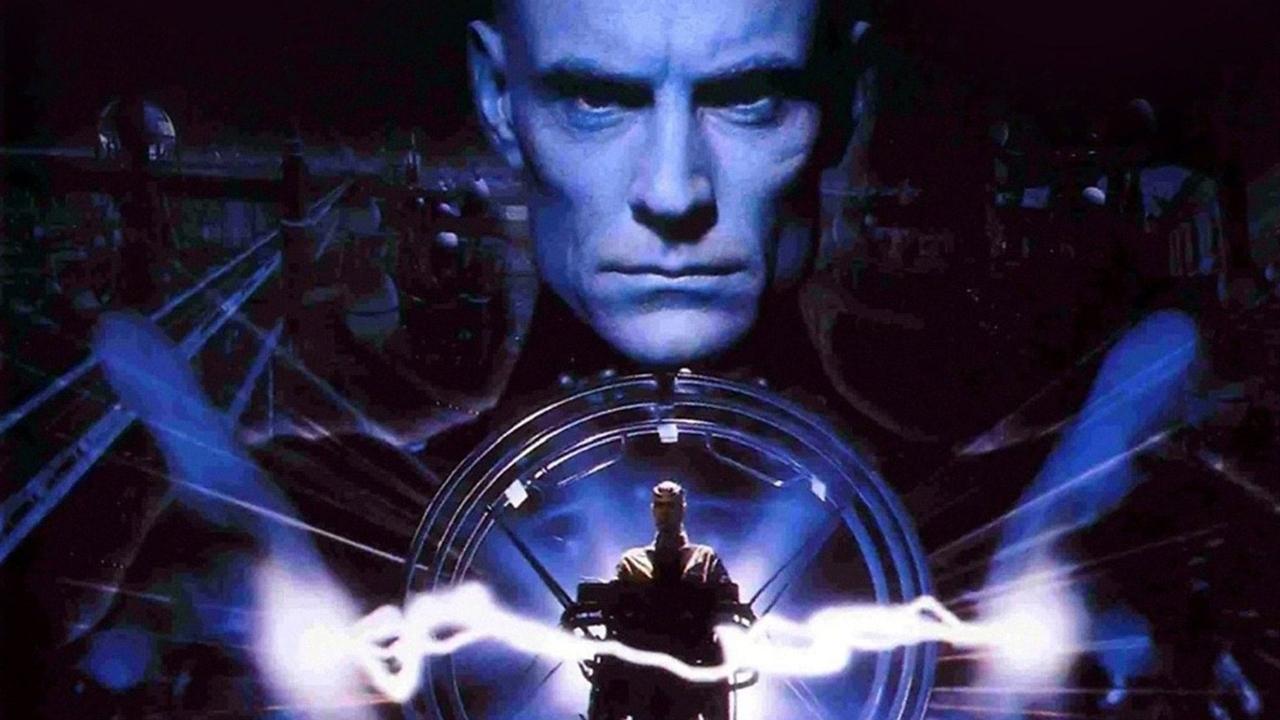
Replacing Jeff Fahey's intense, increasingly unhinged Jobe was always going to be a challenge. Patrick Bergin, a capable actor known for films like Sleeping with the Enemy (1991), feels miscast here. His Jobe lacks the dangerous unpredictability of Fahey's interpretation, coming across more as a standard corporate villain in digital drag. It’s a thankless role, trying to inject menace into lines delivered amidst a whirlwind of polygons.
The real spark, however brief, comes from Matt Frewer as Trace, a mischievous "information bandit" or rogue AI (it's never entirely clear) who guides Peter through the digital underworld. Frewer, forever etched in our minds as the glitchy, iconic Max Headroom from the 80s, brings a welcome dose of manic energy. It’s almost too perfect casting, leaning into his established persona, but his chaotic presence offers fleeting moments of anarchic fun in an otherwise overly serious affair. Austin O'Brien does his best as the returning Peter, now saddled with the burden of being the archetypal 90s teen hacker hero, complete with requisite angst and floppy hair.
Legacy Lost in Translation
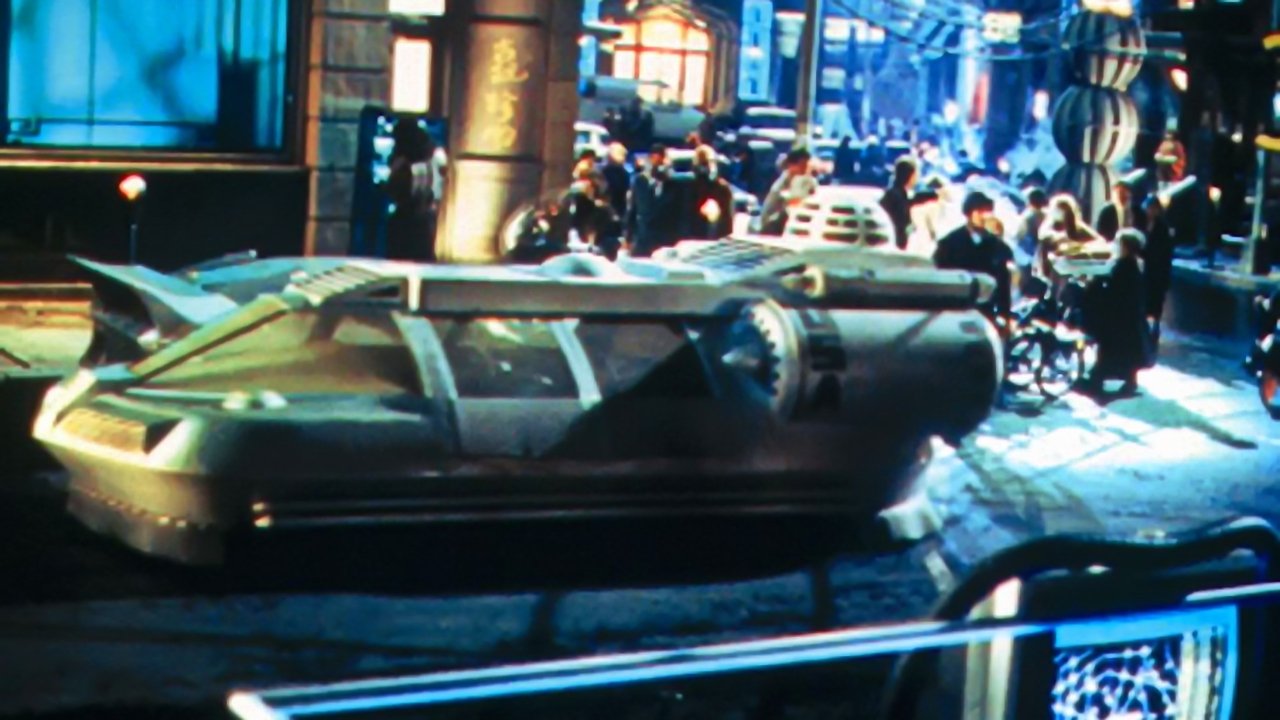
Lawnmower Man 2: Beyond Cyberspace feels less like a continuation and more like a reboot that misunderstands its predecessor. The unsettling questions about technology, humanity, and consciousness raised (however clumsily) in the first film are largely abandoned for generic chase sequences and explosions, both real and virtual. The dark, almost Cronenberg-lite body horror is gone, replaced by CGI that, even then, struggled to impress. The script often feels cobbled together, rushing through plot points and relying heavily on techno-babble that fails to ground the increasingly outlandish visuals.
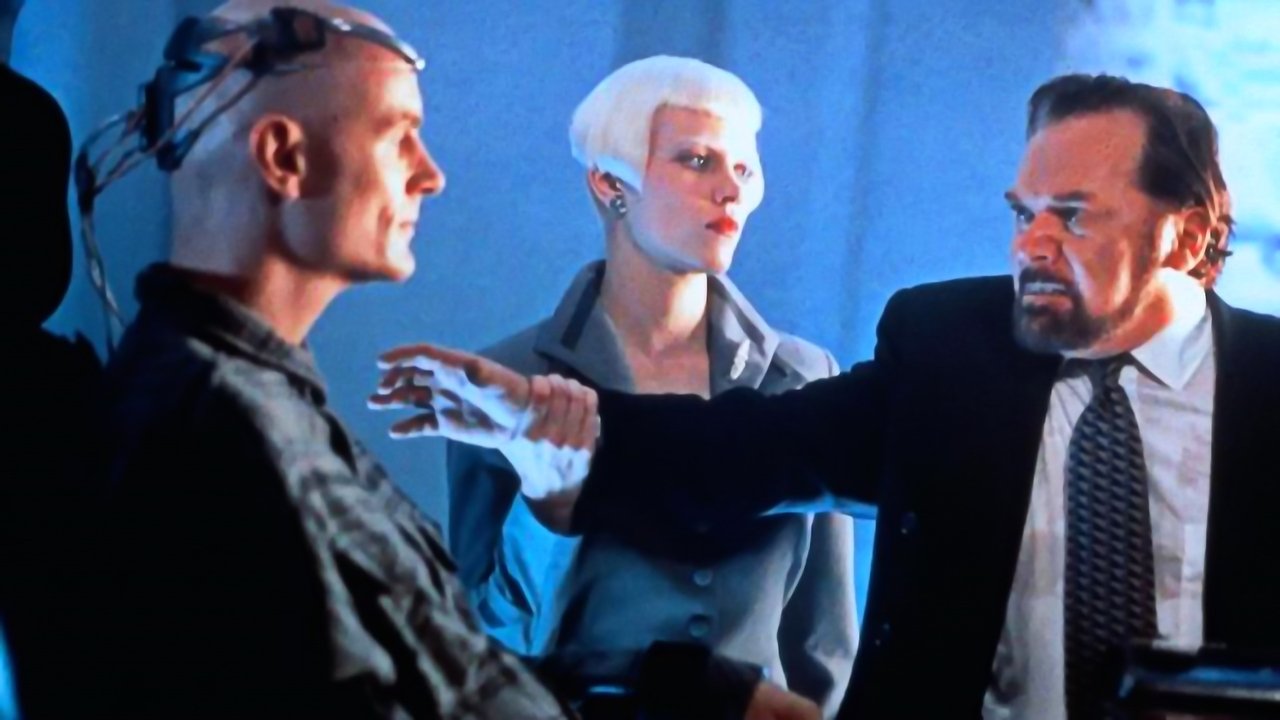
It exists now as a fascinating artifact of its time – a snapshot of mid-90s cyber-optimism colliding head-on with the limitations of CGI technology and storytelling ambition. It's a film that feels like a direct-to-video sequel, even though it received a theatrical release. Renting this from Blockbuster back in the day likely resulted in disappointment, a sense of "Wait, this is what happened next?" It lacked the weird, slightly dangerous edge that made the first film a cult curiosity.
Rating: 2/10
The score reflects a film that fundamentally fails as a sequel and struggles significantly on its own merits. The dated CGI might offer some nostalgic amusement for connoisseurs of early digital effects, and Matt Frewer provides a flicker of life. However, the weak script, miscast lead, lack of compelling ideas, and overall cheap feel compared to the ambition (if not always execution) of the original make this a journey into cyberspace best left unplugged. It doesn't build on the first film's themes or legacy; instead, it feels like a system crash, a digital dead end that serves mostly as a cautionary tale about rushed sequels trying to cash in on a trend. It’s less Beyond Cyberspace and more Lost in Pixels.