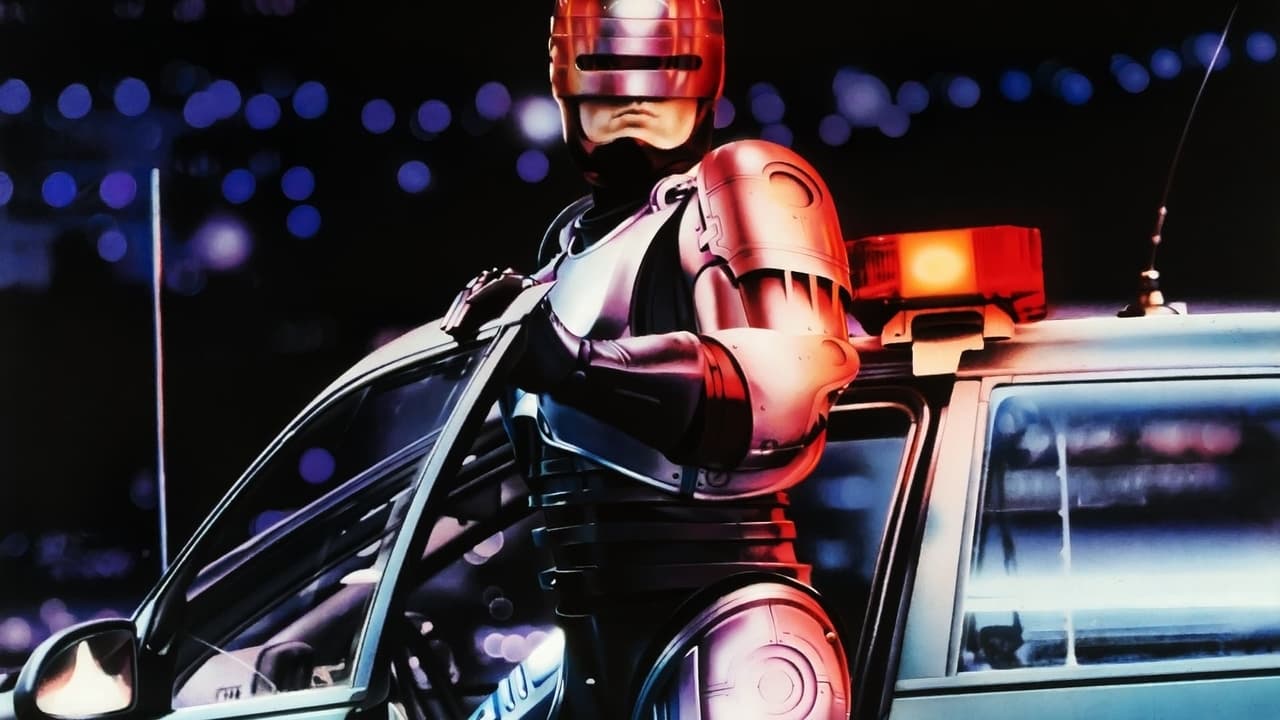
"Your move, creep." The line, delivered with that synthesized, chillingly detached monotone, still echoes. It wasn't just a catchphrase; it was the sound of the future arriving, clad in chrome and Kevlar, born from the mangled remains of a good cop in a city eating itself alive. 1987's RoboCop wasn't just another sci-fi action flick filling shelves at the video store; it was a brutal, cynical, and darkly hilarious gut punch that felt ripped from tomorrow's headlines, even then. Watching it on a flickering CRT, the grainy reality of its dystopian Detroit felt disturbingly plausible, a corporate nightmare painted in blood and steel.
Welcome to Delta City
Director Paul Verhoeven, never one to shy away from the extreme (as audiences would later see in Total Recall (1990) and Starship Troopers (1997)), didn't just deliver action; he crafted a vision of urban decay so potent you could almost smell the cordite and desperation. Old Detroit is a warzone, ruled by crime lords and overseen by the monolithic Omni Consumer Products (OCP), a corporation whose ambition is matched only by its utter lack of morality. The atmosphere is thick with grime, neon reflecting off rain-slicked streets, punctuated by the sudden, shocking violence that became Verhoeven's trademark. Remember the boardroom scene with the ED-209? That wasn't just dark humor; it was a statement – terrifying, absurd, and unforgettable. The sheer incompetence and lethality felt disturbingly real, aided by the brilliant stop-motion work of Phil Tippett (Jurassic Park's dinosaur supervisor), whose jerky, menacing animation gave the enforcement droid a palpable weight and threat that CGI often struggles to replicate.
Man or Machine?
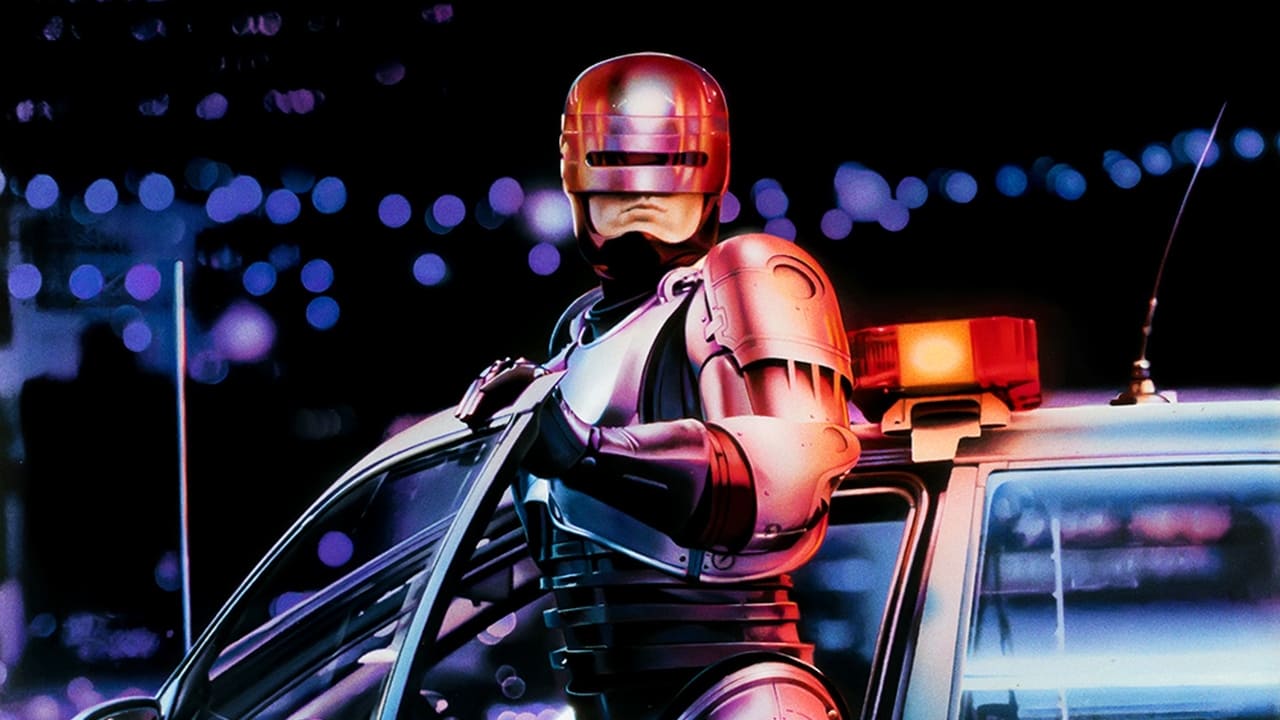
At the heart of the chaos is Officer Alex Murphy (Peter Weller), a dedicated cop transferred into the meat grinder. His execution by Clarence Boddicker (Kurtwood Smith, embodying pure, sneering evil) and his gang remains one of the most savage and protracted death scenes in mainstream cinema. It’s genuinely hard to watch, even now. Verhoeven fought tooth and nail with the MPAA over the film's violence, ultimately having to trim moments like this significantly to avoid the dreaded X rating. What remained was still potent enough to scar memories and solidify the film's brutal reputation.
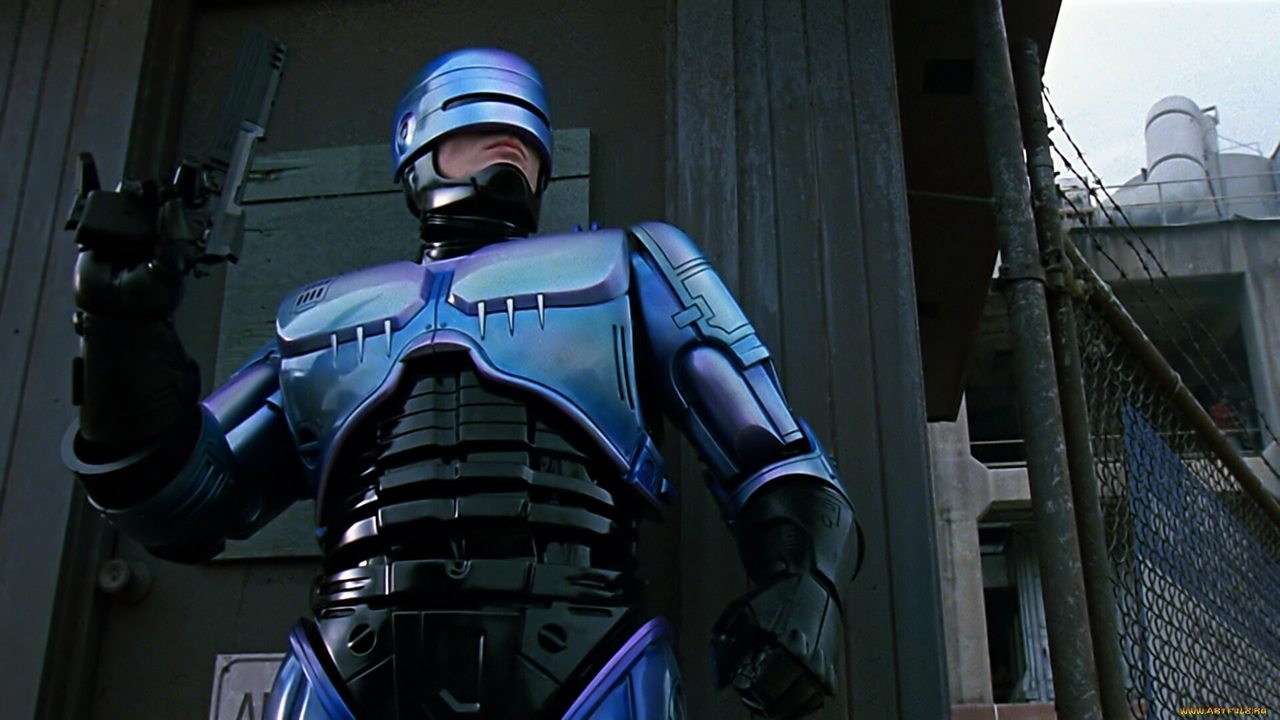
From Murphy's literal ashes rises RoboCop, OCP's flagship product. Weller's performance beneath the iconic suit (designed by Rob Bottin, the genius behind the effects in John Carpenter's The Thing (1982)) is a masterclass in physical acting. Reportedly, the suit was incredibly difficult and painful to wear, initially delaying production as Weller struggled to move effectively. Verhoeven even briefly fired him before they worked out the character's unique, deliberate gait – a testament to finding character through limitation. Despite his face being obscured for much of the film, Weller conveys the haunting fragments of humanity trapped within the machine, the ghost in the shell fighting against programming and corporate directives. His partnership with Nancy Allen's Officer Lewis provides the film's fragile emotional core, her loyalty a beacon in the overwhelming darkness.
More Than Meets the Eye
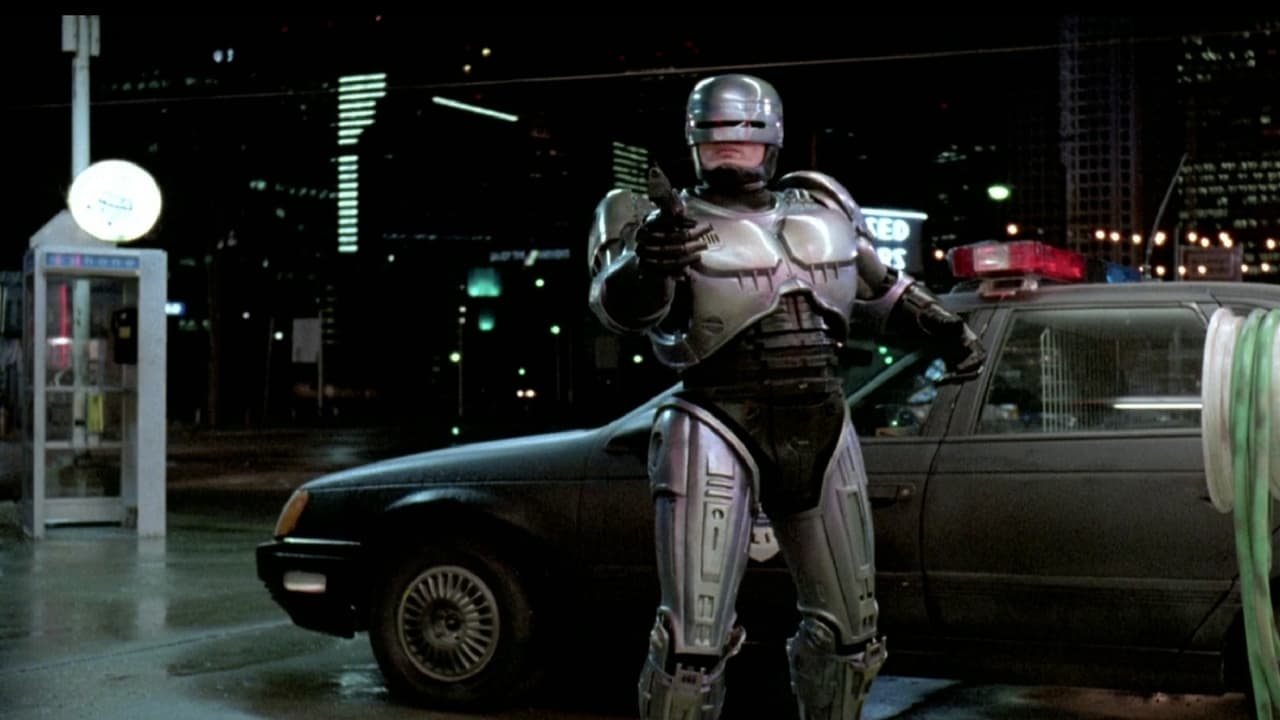
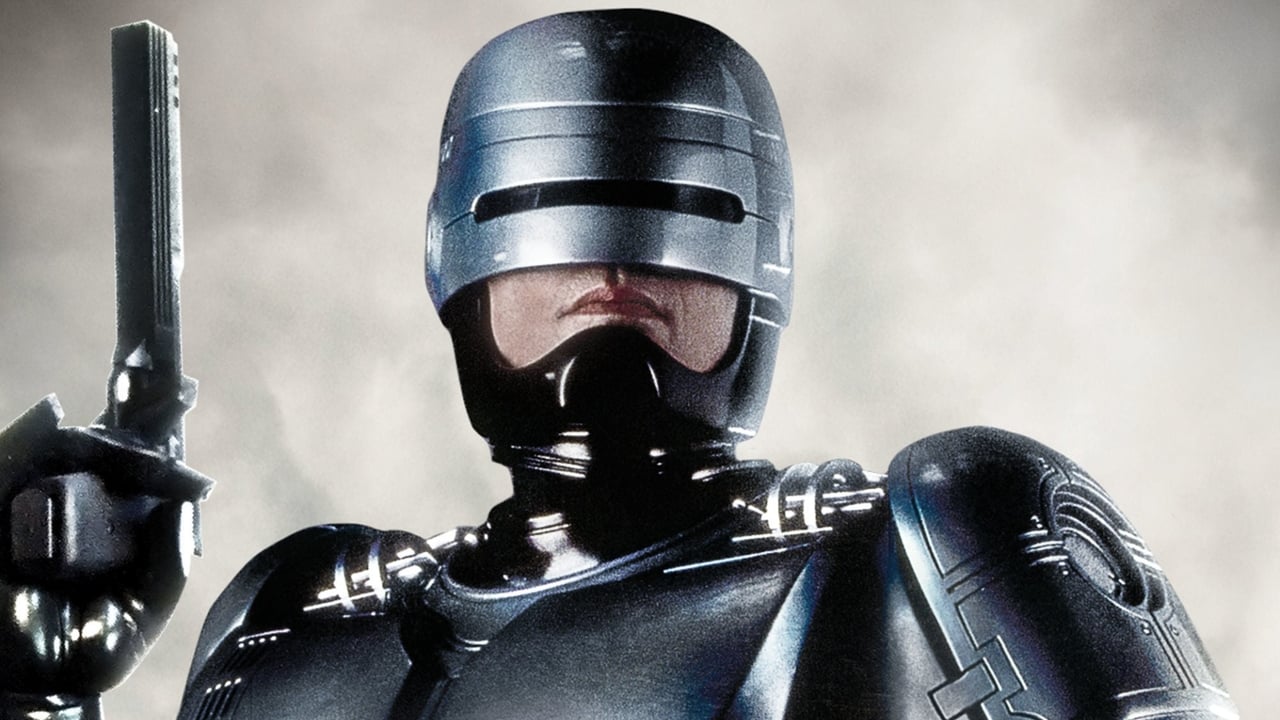
While the explosive action sequences and groundbreaking practical effects – the gleaming suit, the imposing ED-209, the unflinching gore – were the obvious draw, RoboCop's genius lies in its razor-sharp satire. Writers Edward Neumeier and Michael Miner crafted a script that wasn't just about futuristic law enforcement; it was a scathing critique of Reagan-era corporate greed, privatization, media manipulation (those "I'd buy that for a dollar!" commercials still sting), and gentrification. OCP isn't just a company; it's the villain, personified by ruthless executives like Dick Jones (Ronny Cox, perfectly slimy) and the ambitious Bob Morton (Miguel Ferrer). The idea that crime could be solved by outsourcing policing to a corporation felt chillingly prescient then, and perhaps even more so today. Verhoeven, who initially dismissed the script as B-movie fare until his wife pointed out the deeper satirical layers, embraced this duality, delivering both visceral thrills and biting social commentary. Filmed primarily in Dallas, Texas, due to its modern architecture lending itself to the futuristic (and somewhat sterile) look Verhoeven wanted for parts of Detroit, the production overcame its modest $13 million budget to create a visually stunning and thematically rich experience that grossed over $53 million – a significant success.
The Prime Directives of Legacy
RoboCop wasn't just a hit; it was a phenomenon. It sparked sequels (of varying quality), animated series, video games, and eventually, a 2014 remake. But none quite captured the perfect, volatile mix of ultra-violence, black humor, and sharp social commentary of the original. It remains a benchmark for intelligent action filmmaking, a film that entertained us with its spectacle while simultaneously making us deeply uncomfortable about the future it portrayed. It proved that an action movie could be thoughtful, that science fiction could be brutally relevant, and that sometimes, the most terrifying monsters wear business suits. Does the violence still shock? Absolutely. Does the satire still bite? Perhaps harder than ever.
VHS Heaven Rating: 9/10
This rating reflects the film's masterful blend of genres, its technical achievements (especially in practical effects and sound design, driven by Basil Poledouris's iconic score), Weller's committed performance, Verhoeven's audacious direction, and its enduring, almost prophetic satire. It loses a point perhaps only for the slight dating of some secondary elements, but its core impact remains undiminished.