Prepare to journey far from the usual blockbuster fare, back to a time when animation could still feel utterly surprising, handcrafted, and deeply rooted in stories seldom seen on Western screens. Forget the slick CGI playgrounds of the late 90s for a moment and rediscover a gem that felt both ancient and startlingly fresh: Michel Ocelot’s magnificent Kirikou and the Sorceress (1998). This wasn't a tape you'd casually grab alongside the latest Disney release; finding it often felt like uncovering a secret treasure, a vibrant portal to a world operating by its own magical rules.
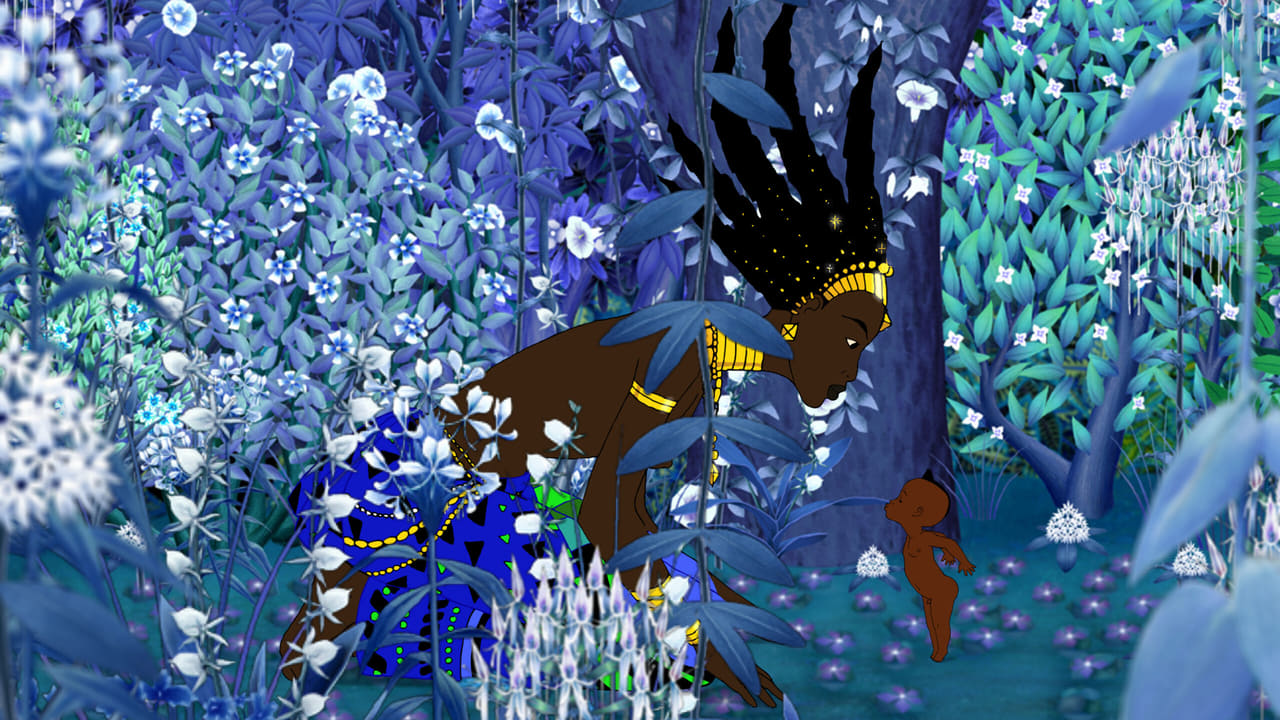
"Mother, bring me into the world!" demands a tiny voice from within his mother's womb. And just like that, Kirikou is born – not crying and helpless, but walking, talking, and already possessing an insatiable curiosity. This remarkable entrance sets the tone for a film unlike almost any other animated feature of its era. Forget lengthy origin stories; Kirikou arrives fully formed and ready to confront the fear paralyzing his village: the formidable sorceress Karaba, who has allegedly dried up their spring and devoured their men.
A World Painted with Bold Strokes
What immediately strikes you about Kirikou is its unique visual language. Michel Ocelot, who both wrote and directed this passion project, drew inspiration not from contemporary animation trends, but from Egyptian tomb paintings, the lush canvases of Henri Rousseau, and traditional West African art. The result is a style characterized by flat perspectives, silhouetted figures moving against incredibly detailed, vibrant backgrounds, and a rich, earthy colour palette. It doesn't try to mimic reality; instead, it creates its own heightened, storybook world. There’s a palpable sense of artistry here, a feeling that every frame was meticulously considered.

This distinctive look wasn't just an aesthetic choice; it was partly born from necessity. Crafted over several years with a comparatively modest budget (a Franco-Belgian-Luxembourg co-production that faced considerable funding challenges), Kirikou couldn't compete with the resources of American studios. Ocelot and his team leaned into a stylized approach that was both beautiful and achievable, proving that groundbreaking animation didn't require colossal budgets, but rather vision and ingenuity. The animation itself feels deliberate, sometimes even minimalistic in character movement, which only enhances the film's folkloric, almost ceremonial quality.
More Than Just a Children's Story
Based on West African folktales, Kirikou tells a deceptively simple story that unfolds with surprising depth. Our hero, voiced with unforgettable pluck by Théo Ebouaney (in the original French version), isn't powerful in the conventional sense. He's tiny, vulnerable, but armed with intelligence, courage, and a persistent "Why?". He refuses to accept the villagers' fear and superstition at face value. Why is Karaba so wicked? Why does she have a poisoned thorn in her back? These questions drive the narrative, transforming a potential monster-hunt into a quest for understanding and empathy.
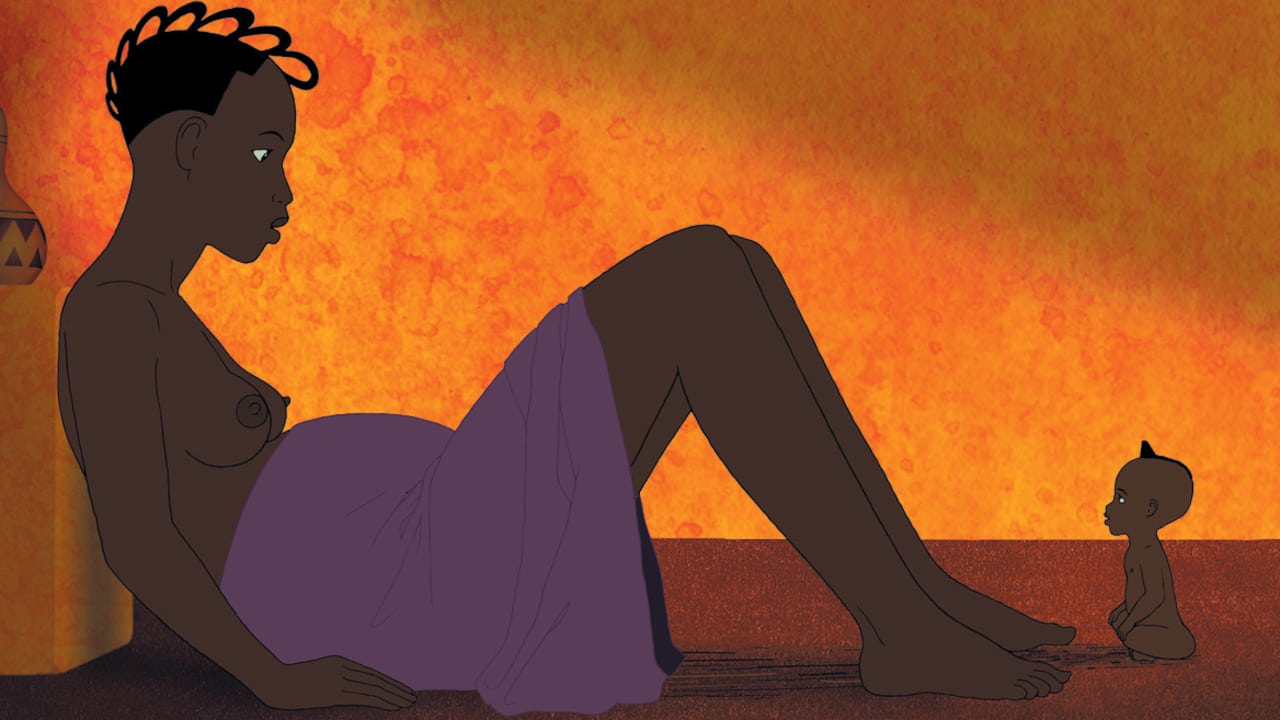
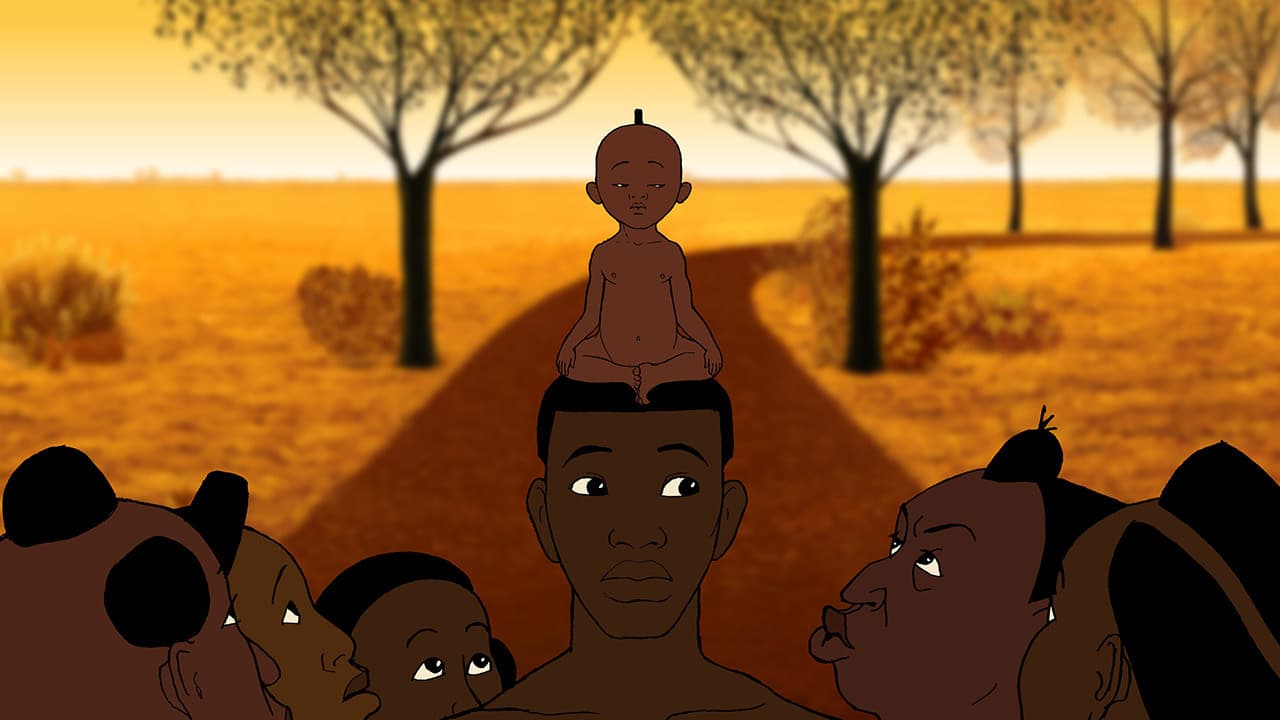
The film famously, and for some controversially, depicts casual nudity. Characters are shown naturally, without shame or sexualization, reflecting the cultural context of the stories Ocelot adapted. While this caused predictable pearl-clutching and distribution hurdles in some territories (particularly the US market, where it initially struggled to find theatrical release), Ocelot staunchly defended it as essential to the film's authenticity and non-exploitative tone. Seeing it now, it feels refreshingly matter-of-fact, integral to the film's unique atmosphere rather than gratuitous. It’s a reminder that storytelling traditions vary beautifully across the globe.
Echoes of Wisdom and Courage
The voice cast, including Antoinette Kellermann as Karaba and Fezele Mpeka as Kirikou's wise Grandfather, brings a wonderful gravitas to the proceedings. Karaba, in particular, is more than just a villain; she’s a figure of pain and power, her motivations slowly revealed through Kirikou's relentless inquiries. Adding immeasurably to the film's soul is the captivating score by Senegalese music legend Youssou N'Dour, which blends traditional African rhythms and melodies seamlessly with the animation, creating an immersive soundscape that feels both timeless and vital.
Kirikou and the Sorceress wasn't just an artistic triumph; it was a surprising commercial phenomenon, especially in its native France where it drew over a million viewers and snagged the Grand Prix at the prestigious Annecy International Animated Film Festival. Its success demonstrated a hunger for diverse animated stories and helped pave the way for other unique European animated features. It even spawned sequels, Kirikou and the Wild Beasts (2005) and Kirikou and the Men and Women (2012), further exploring the world Ocelot so lovingly created.
Retro Fun Facts
- The film took Michel Ocelot nearly a decade to bring to the screen, facing numerous rejections from producers wary of its unconventional style and themes.
- Ocelot synthesized the story from several existing West African folktales, aiming to capture their spirit and wisdom.
- Some of the voice actors were non-professionals chosen for the authenticity of their voices and connection to the culture depicted.
- Despite the controversies, its success in Europe was significant, proving that animation aimed at families could tackle complex themes and embrace non-Western aesthetics.
Watching Kirikou today is like stepping into a beautifully illustrated fable. It lacks the frantic pacing and pop-culture gags common in later animation, opting instead for measured storytelling, quiet wisdom, and breathtaking visual poetry. It reminds us that courage often comes in the smallest packages and that understanding is a more powerful weapon than fear. It might have been a rarer find on the video store shelves back in the day, but discovering it felt like unearthing something truly special.
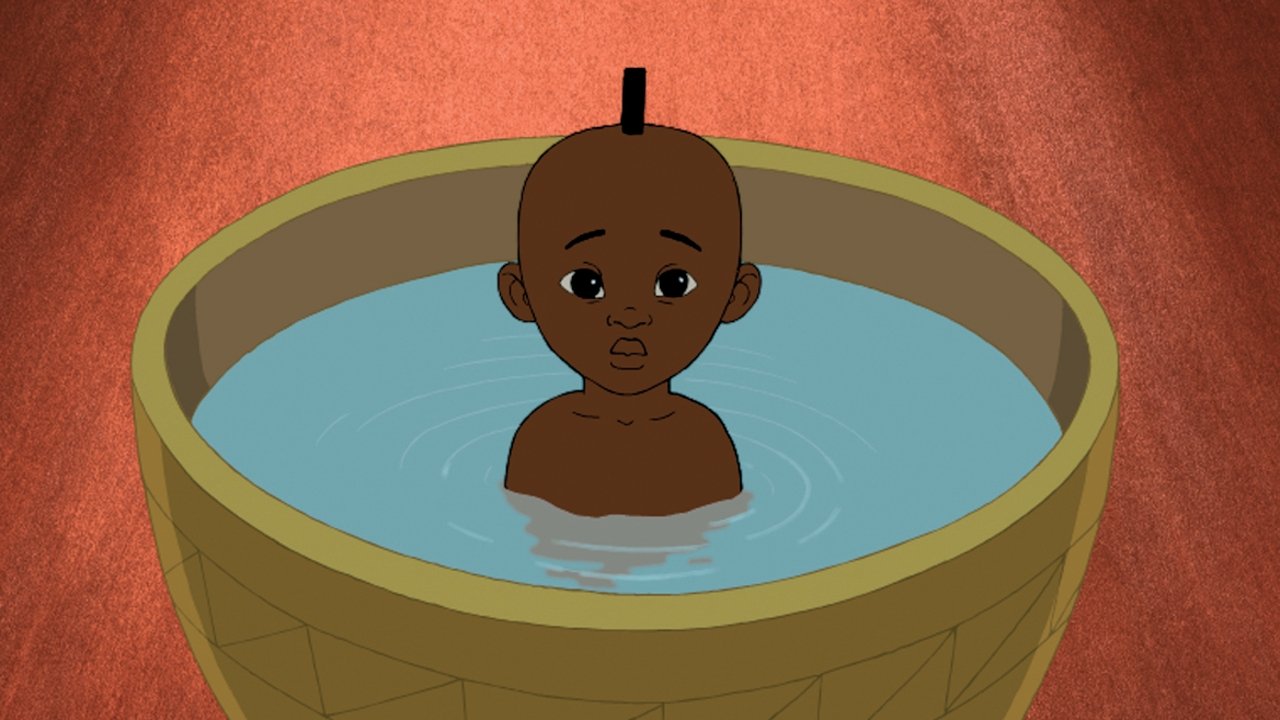
Rating: 9/10
This rating reflects the film's stunning and unique artistry, its resonant themes, its cultural significance, and its courageous storytelling. It's a near-perfect execution of a singular vision, only perhaps slightly hampered for some by its deliberate pacing compared to modern animation. It stands as a testament to the power of folklore and the beauty of handcrafted animation.
Kirikou and the Sorceress remains a vibrant masterpiece, a reminder that the world of animation is far richer and more diverse than we sometimes remember. It’s a film that truly nourishes the spirit, as wise and wondrous now as it was upon its surprising arrival.