How thin is the veneer of civilization? It’s a question that hangs heavy in the humid, powerless air of The Trigger Effect, a film that arrived somewhat quietly in 1996 but burrowed under the skin with a discomforting chill that lingers even now, decades after the VCR has whirred to a stop. This isn't your typical 90s thriller packed with explosions or quippy heroes. Instead, it offers something far more unsettling: a slow-motion glimpse into the abyss that opens when the lights go out, and the ordinary rules begin to fray.
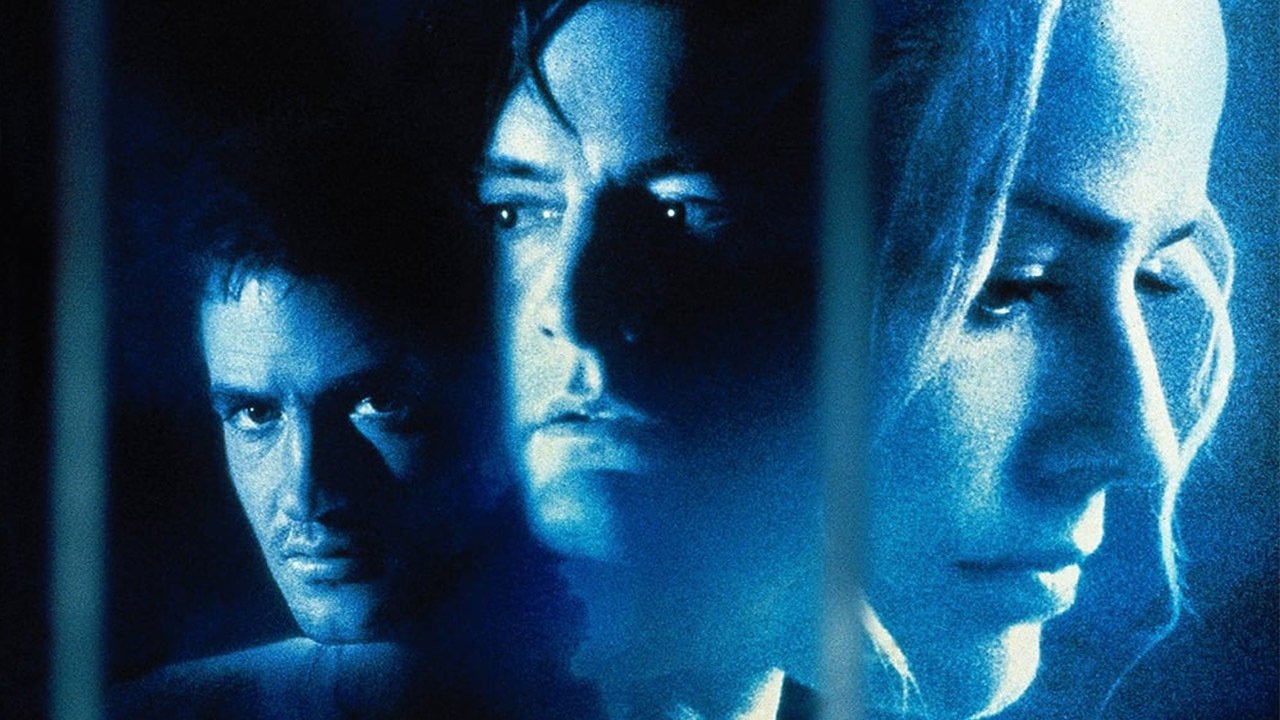
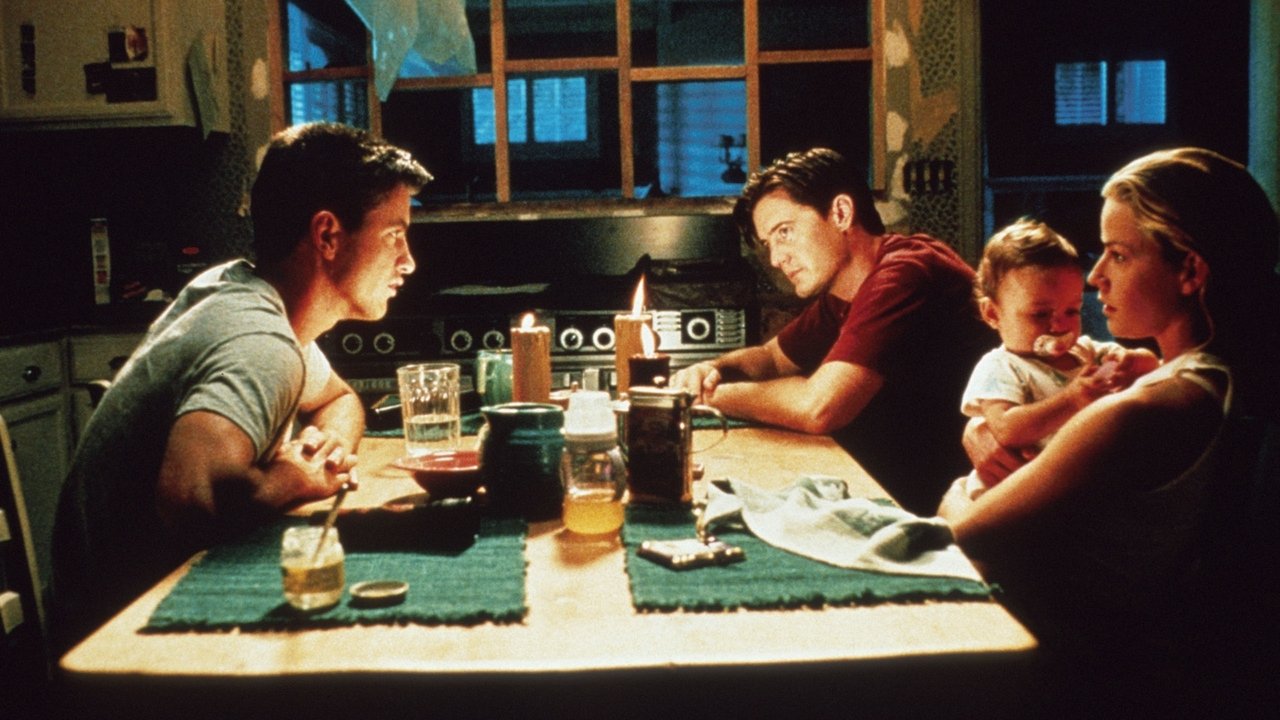
The film wastes no time setting its stage, opening with borrowed clips from James Burke's brilliant documentary series Connections, immediately priming us to consider our utter dependence on interconnected systems. Then, the trigger: a massive, unexplained power outage plunges a slice of suburbia into darkness and silence. We focus on Annie (Elisabeth Shue) and Matthew (Kyle MacLachlan), a young couple with a sick baby whose fever spikes just as the phones go dead and the pharmacies close. Their mounting desperation feels instantly, horribly recognizable. Anyone who remembers weathering a serious storm or outage, huddled around a radio, knows that initial flicker of anxiety. The Trigger Effect takes that flicker and fans it into a creeping dread.
The Unraveling Begins
What director David Koepp does so effectively here, in his directorial debut no less, is focus on the mundane turning menacing. Koepp, already a titan of screenwriting with credits like Jurassic Park (1993) and Carlito's Way (1993) under his belt, resists the urge for grand disaster spectacle. Instead, the horror is intimate, domestic. It’s the baby crying inconsolably, the dwindling supplies, the growing suspicion of neighbours glimpsed only by flashlight. The tension doesn't come from monsters or maniacs (at least, not initially), but from the slow, agonizing erosion of trust and the dawning realization of absolute vulnerability. Remember, this was crafted just before the internet became ubiquitous, in an era where a landline going dead truly cut you off. That isolation feels palpable.
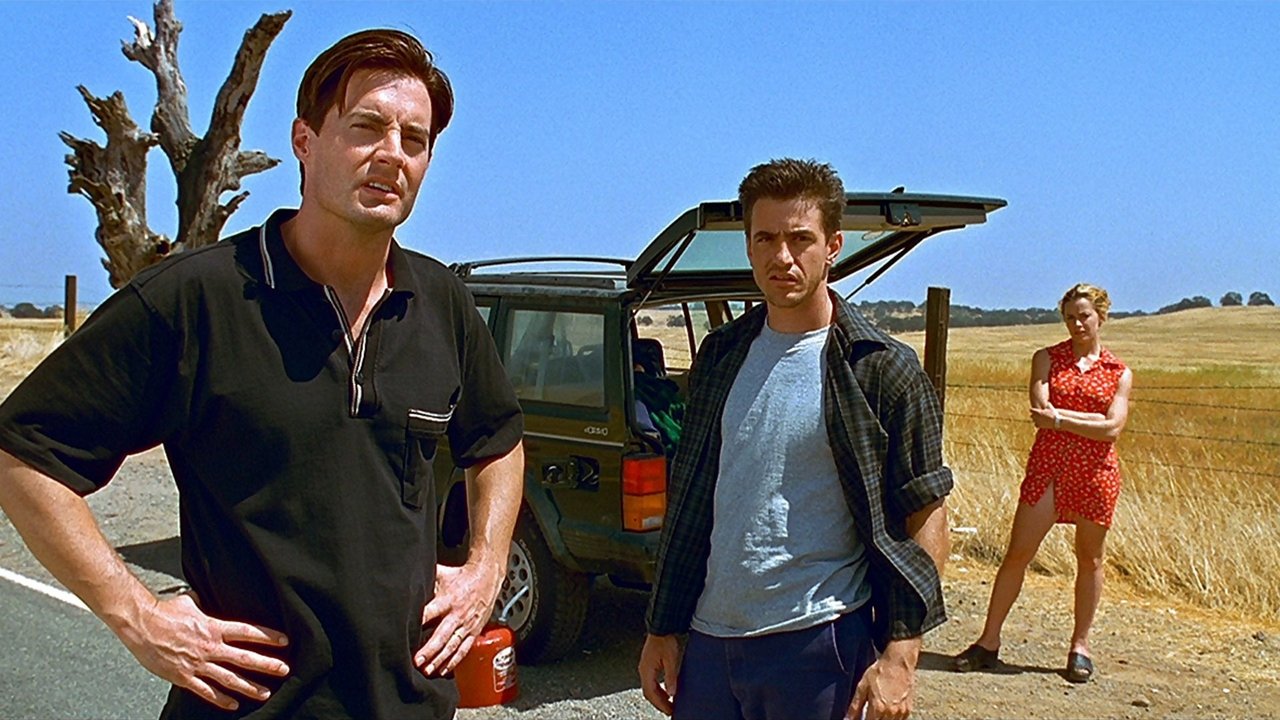
The arrival of their friend Joe (Dermot Mulroney) initially seems like a potential relief, but soon adds another layer of volatility. Joe brings bravado, a shotgun, and a different, perhaps more primal, survival instinct. The dynamic between the three leads becomes the film's pressure cooker. It's fascinating watching these characters navigate not just the external crisis, pressure cooker. It's fascinating watching these characters navigate not just the external crisis, but the complex internal shifts – suspicion, resentment, attraction, fear – bubbling just beneath the surface.
Portraits Under Pressure
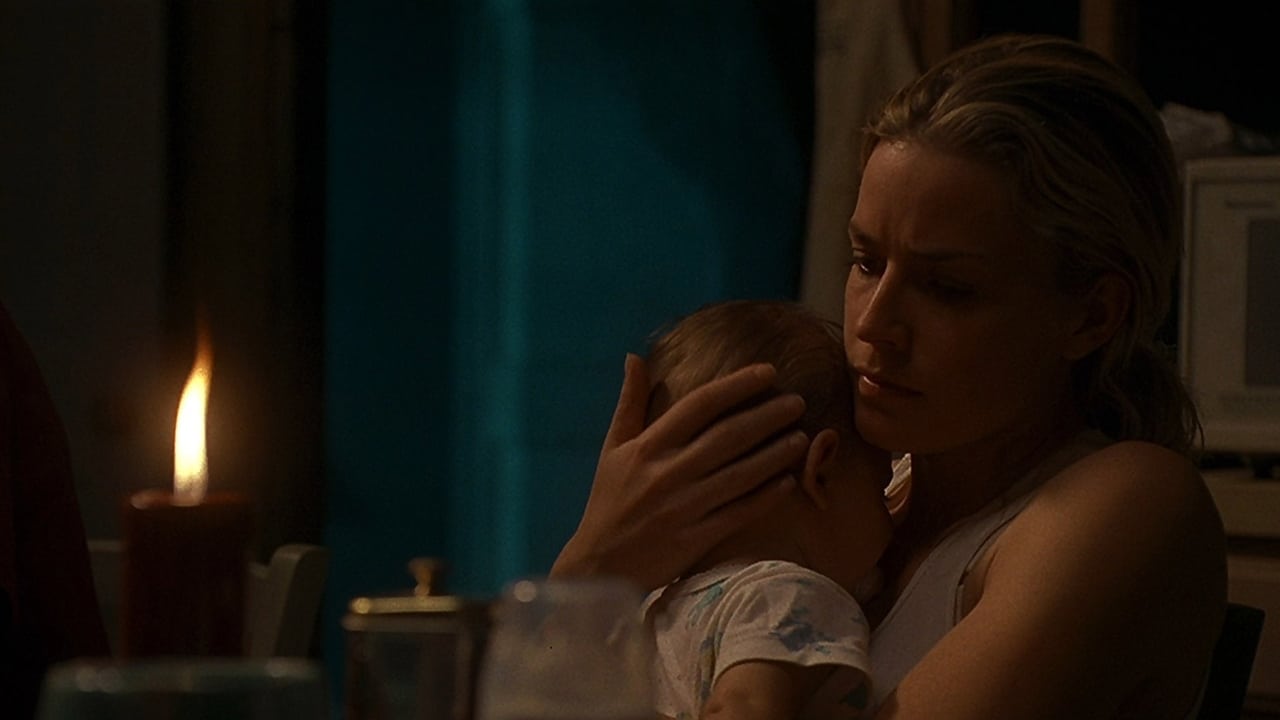
The performances are key to the film's unsettling power. Elisabeth Shue, fresh off her Oscar nomination for Leaving Las Vegas (1995), is the standout. She anchors the film with a raw, believable portrayal of maternal anxiety morphing into steely resolve. You see the exhaustion, the fear, and the dawning awareness of what might be necessary to protect her child. Shue makes Annie’s journey feel utterly authentic.
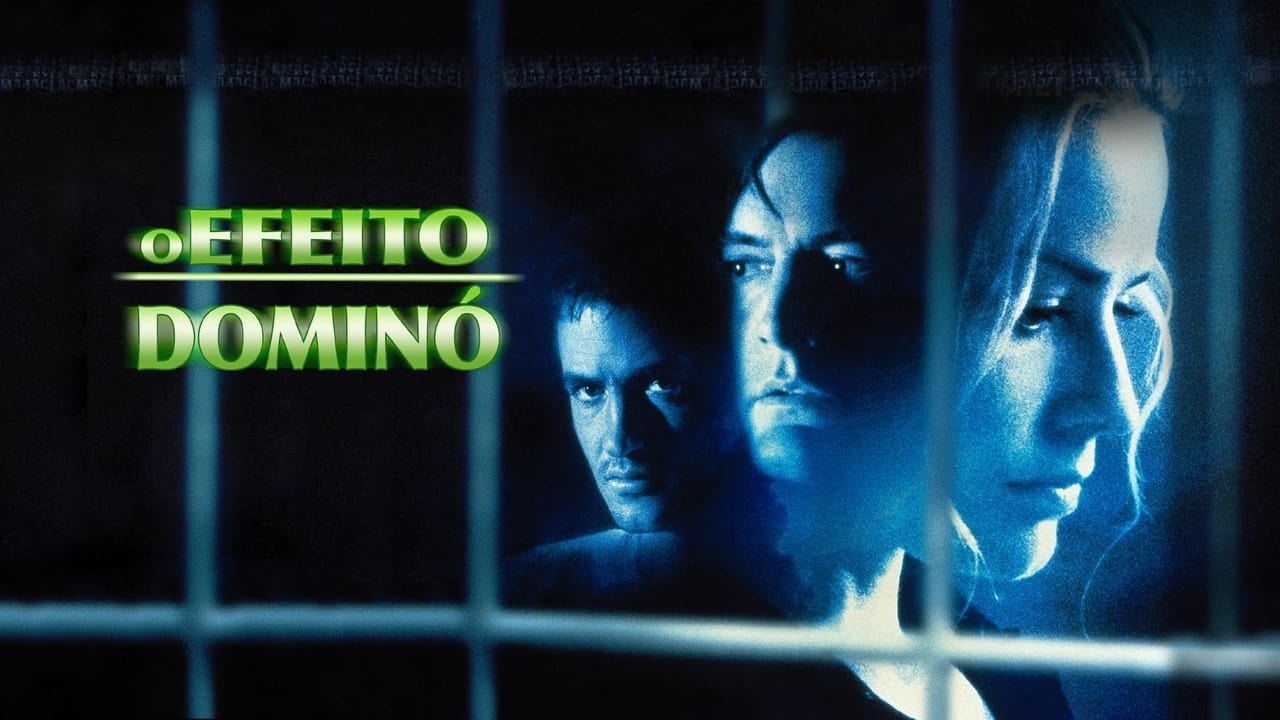
Kyle MacLachlan, stepping away from the quirky charm often associated with his Twin Peaks persona, embodies the struggling 'everyman'. Matthew isn't a natural leader or tough guy; he’s intelligent but hesitant, grappling with his perceived inadequacy in this suddenly primitive world. MacLachlan lets us see the cracks forming, the desperation warring with his ingrained civility. Dermot Mulroney provides the necessary friction. Joe is both a potential saviour and a dangerous wild card, and Mulroney plays him with an edgy charisma that keeps you guessing about his true motives. Is he a loyal friend, or just an opportunist waiting for societal rules to fully collapse?
Whispers of What's to Come
Koepp, drawing perhaps from personal anxieties or simply observing the societal fault lines, crafts a film that feels surprisingly prescient. Made for a modest $8 million, it unfortunately didn't ignite the box office, grossing only about $3.6 million worldwide. Perhaps audiences in '96 weren't quite ready for its bleak assessment of human nature under duress. Yet, viewed today, The Trigger Effect resonates with anxieties that feel distinctly modern – the fragility of our infrastructure, the speed at which civility can dissolve, and the uncomfortable questions about what we might be capable of when pushed to the brink. It explores toxic masculinity, the burden of protection, and the moral compromises made when survival becomes the only imperative. There's a quiet intelligence to its construction, even if the third act takes a turn towards more conventional thriller territory that slightly dilutes the unique power of its initial setup.
It's not a perfect film; the pacing occasionally drags, and some character decisions might test credulity. But its strength lies in its commitment to its premise and its refusal to offer easy answers. I recall renting this from Blockbuster back in the day, expecting something more action-oriented perhaps, and being caught off guard by its quiet intensity. It wasn't a tape that got rewound and watched constantly, but its core question – what happens when the switch is flipped? – definitely stuck around.
Rating: 7/10
The Trigger Effect earns its score through its potent atmosphere, Shue's compelling central performance, and its thoughtful exploration of societal fragility. While its commercial failure meant it never quite became a household name, it stands as an underrated and unnerving 90s thriller that dared to suggest the biggest monsters aren't out there in the dark, but potentially simmering right next door, waiting for the power to go out. It leaves you pondering not just the 'what if,' but the 'what then?' – a question that feels no less relevant today.