It starts with a question almost too audacious to contemplate: What if a high school kid could build an atomic bomb? Not as some far-fetched sci-fi trope, but as a plausible consequence of unchecked scientific secrecy bumping up against youthful ingenuity and rebellion. That chilling 'what if' sits at the heart of 1986's The Manhattan Project, a film that managed to blend teen drama with high-stakes nuclear thriller in a way that felt uniquely, unsettlingly grounded in the anxieties of its time. Watching it again now, on a format far removed from the grainy glow of a CRT, its core premise still carries a potent charge.
Suburban Secrets, Atomic Stakes
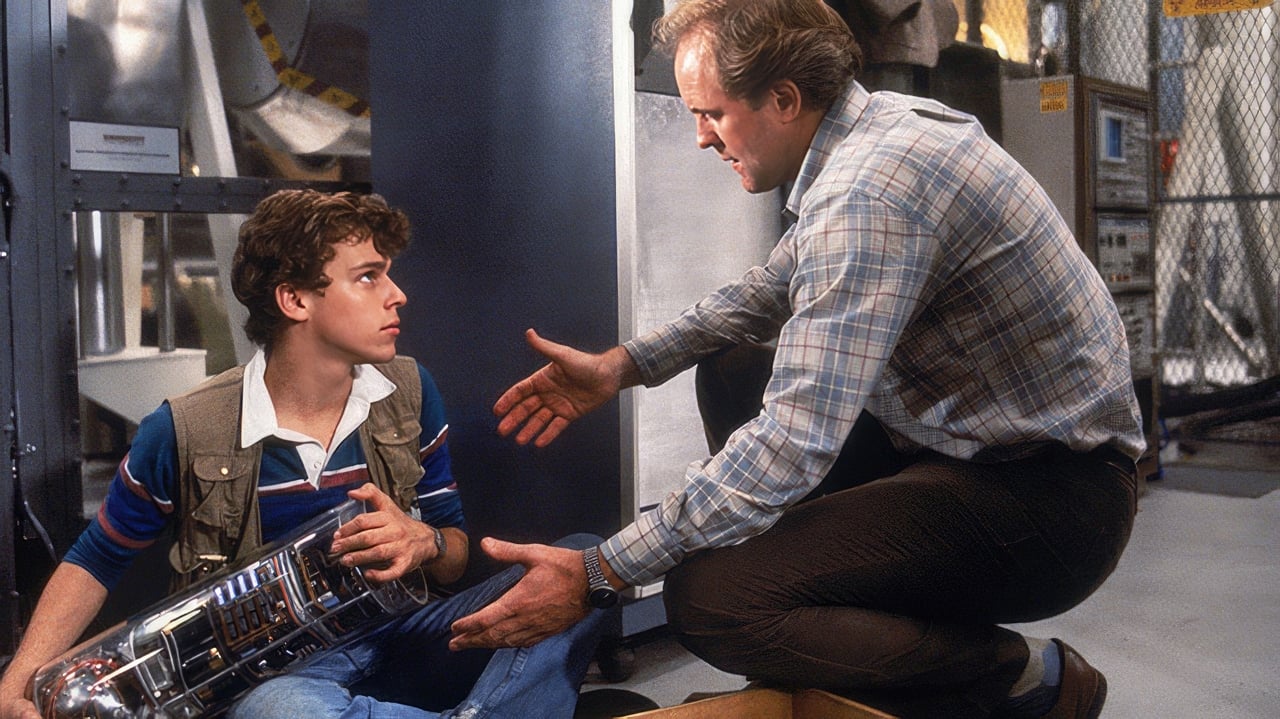
The setup feels deceptively familiar, almost like a John Hughes film taking a dark detour. Paul Stephens (Christopher Collet) is whip-smart, maybe a bit arrogant, certainly bored with the limitations of his suburban life in Ithaca, New York. His divorced mother introduces her charming new beau, Dr. John Mathewson (John Lithgow), a scientist working at a nearby facility disguised, rather cleverly, as a medical research center called Medatomics. Paul, initially trying to impress fellow student and aspiring journalist Jenny (Cynthia Nixon, years before her Sex and the City fame), uses his scientific prowess to uncover Mathewson's secret: the facility isn't researching cures, it's purifying plutonium for nuclear weapons. What follows is less teen prank, more terrifyingly focused mission: Paul decides the ultimate science fair project – and the ultimate exposé – is to steal plutonium and build his own bomb.
It's a premise that likely gave studio executives sleepless nights, and indeed, the film wasn't a commercial success, reportedly pulling in only around $4 million against an $18 million budget (that's roughly $11 million gross against a $50 million budget in today's money). Perhaps audiences weren't quite ready for a film that walked such a tightrope between adolescent adventure and potential global catastrophe. Director Marshall Brickman, best known for his Oscar-winning screenplay collaborations with Woody Allen on films like Annie Hall and Manhattan, might seem an odd choice for this material. Yet, his touch lends the early scenes a certain quirky realism before skillfully shifting gears into genuine suspense.
The Weight of Performance
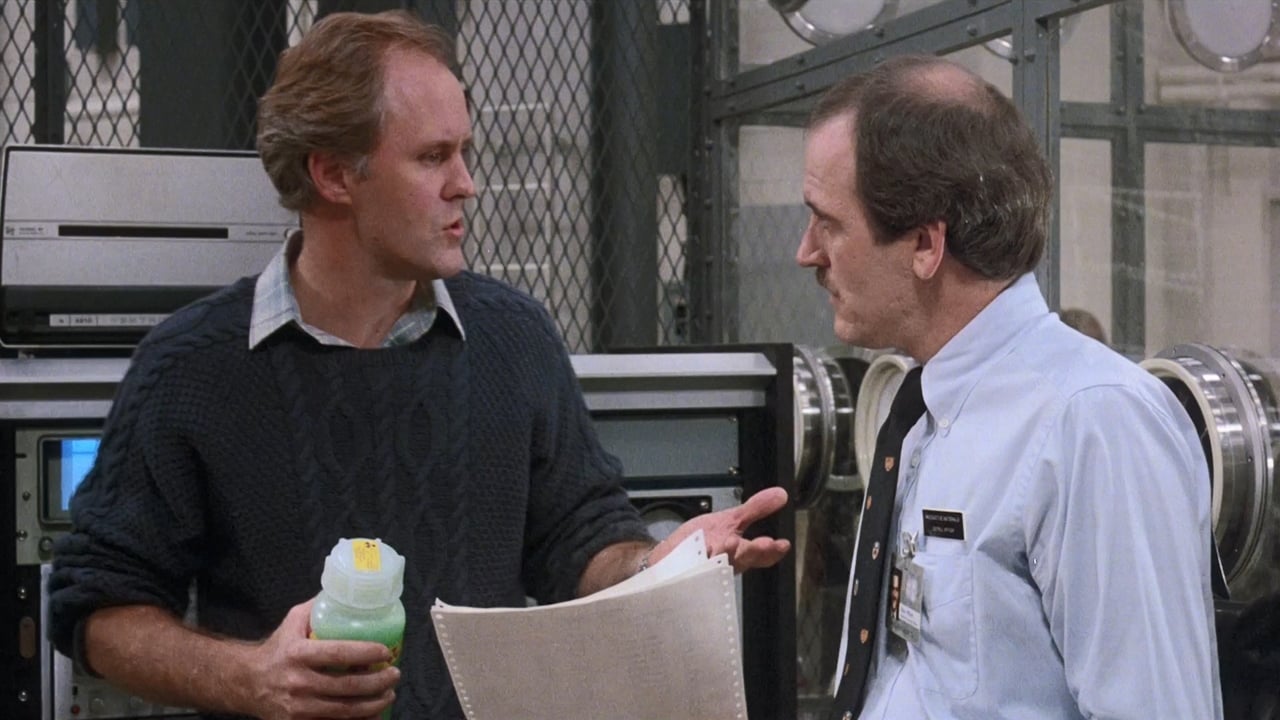
What truly elevates The Manhattan Project beyond its potentially sensational concept is the acting, particularly from John Lithgow. Fresh off memorable roles in films like The Adventures of Buckaroo Banzai Across the 8th Dimension and Footloose, Lithgow resists playing Dr. Mathewson as a simple villain. He's intelligent, affable, genuinely fond of Paul's mother, yet utterly committed to his work and capable of chilling pragmatism when his secrets are threatened. There's a fascinating complexity there; he represents the seductive logic of scientific progress untethered from ethical mooring. Is he evil, or just dangerously compartmentalized? The film wisely leaves room for debate.
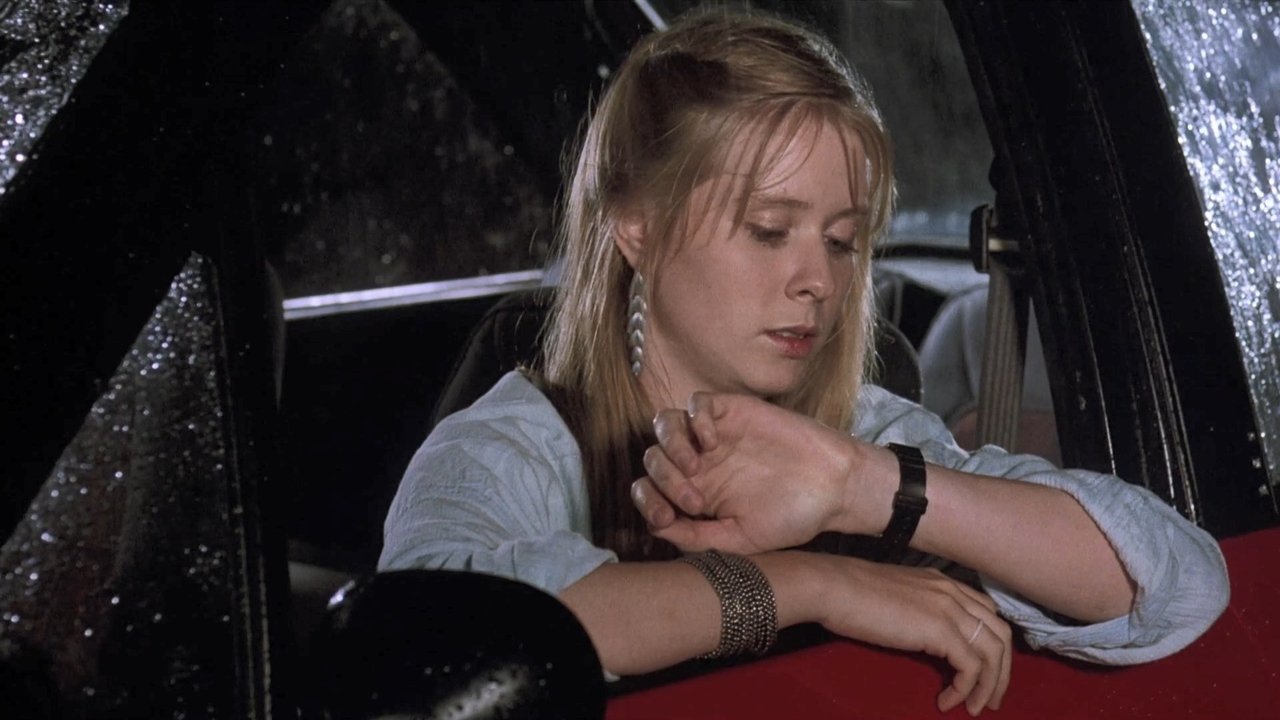
Christopher Collet carries the considerable weight of the lead role admirably. He embodies Paul's fierce intelligence and his youthful recklessness. You believe he could figure this out, but you also see the dangerous naiveté driving his actions. His motivation shifts subtly throughout the film – from intellectual curiosity and a desire to impress Jenny, to a more profound, if misguided, sense of moral outrage. It’s a performance that makes the unbelievable premise feel, if not entirely plausible, at least emotionally resonant. And Cynthia Nixon provides a crucial anchor as Jenny, her journalistic instincts giving voice to the audience's dawning horror and ethical questions.

Crafting Tension from Knowledge
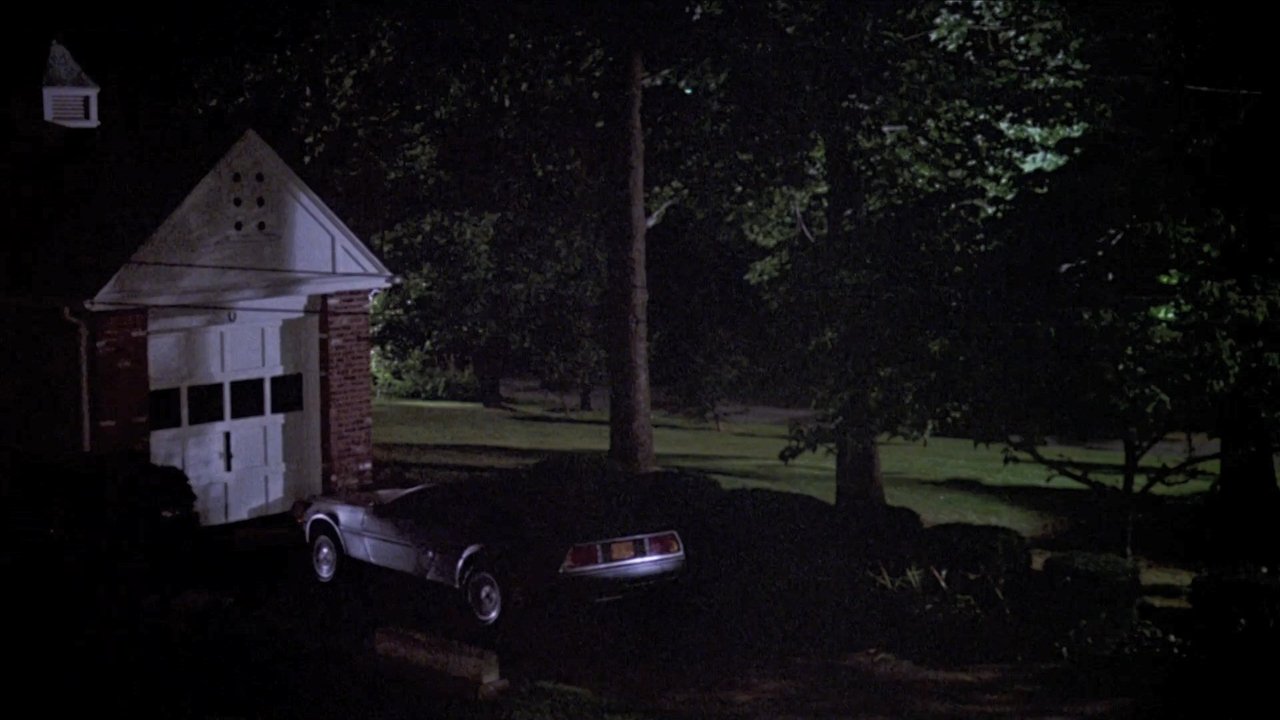
Brickman and co-writer Thomas Baum wisely avoid turning the film into a detailed bomb-making manual – a move that surely eased concerns during production. Instead, the focus is on the process of discovery, the thrill of breaching security, and the escalating tension as Paul gets closer to his goal and the authorities close in on him. The film cleverly uses the mundane settings of suburbia – a high school science lab, a teenager's bedroom, a seemingly innocuous research facility – to heighten the sense of encroaching danger. The practical effects, particularly the design of the Medatomics lab and Paul's makeshift device, feel authentic to the era, adding a tangible quality that CGI often lacks. Remember the look of those labs in 80s thrillers? That slightly sterile, utilitarian aesthetic somehow made the hidden dangers feel even more real.
One fascinating tidbit is the film's tagline: "If Paul Stephens can build an atom bomb in his bedroom, imagine what the Russians are doing in theirs." It perfectly captures the Cold War paranoia that permeated the mid-80s, grounding the film's high concept directly in the geopolitical anxieties of the audience. It wasn't just a thriller; it was tapping into a very real fear about nuclear proliferation and the terrifying accessibility of destructive power. Filming took place in locations like Rockland County, New York, adding to that 'anytown, USA' vibe that makes the extraordinary events feel even more jarring.
Does it Still Glow?
Decades later, does The Manhattan Project still hold up? While some of the technology and teen dialogue inevitably feel dated, the core themes remain surprisingly relevant. The questions it raises about scientific responsibility, government secrecy, and the potential consequences when immense power falls into unsupervised hands (even brilliant ones) echo in our modern age of information warfare, genetic editing, and artificial intelligence. What happens when the tools of creation – or destruction – become democratized? The film doesn't offer easy answers, preferring to let the tension and the moral ambiguity hang in the air.
It’s a film that rewards revisiting, especially for those of us who first encountered it on a worn VHS tape rented from the local video store. It took me right back to that specific feeling of 80s thrillers – smart, character-driven stories often built around a compelling 'what if'. It wasn't about spectacle alone; it was about the human element caught in extraordinary circumstances.
Final Verdict & Lasting Half-Life
The Manhattan Project is a smartly constructed, well-acted thriller that leverages its audacious premise to explore serious themes without sacrificing suspense. John Lithgow delivers a standout performance, and the direction manages the tricky tonal balance effectively. While its box office failure meant it never quite achieved the cult status of WarGames, it remains a compelling and thought-provoking piece of 80s cinema. The slightly deliberate pacing might test some viewers today, and the central conceit requires a degree of suspension of disbelief, but the execution is strong enough to make it worthwhile.
Rating: 7.5/10 - This score reflects the film's intelligence, strong performances (especially Lithgow), and successful generation of tension around a genuinely frightening concept. It loses a few points for slight unevenness in tone early on and a premise that, while central to its identity, stretches credulity. However, its thematic depth and skillful execution make it a standout thriller from the era.
It’s one of those films that lingers – not just for its suspense, but for the unsettling questions it poses about knowledge, power, and the fine line between genius and catastrophe. What truly frightens more: the secrets governments keep, or the secrets anyone might uncover?