## More Than Just Memories: Revisiting Brainstorm (1983)

What if you could truly feel someone else's experience? Not just hear about it, or see a video, but plug directly into their sensory input – the sights, sounds, emotions, even tastes and smells? That's the tantalizing, and ultimately terrifying, question at the heart of Brainstorm, a film forever bound to a tragic real-world event, yet deserving of examination on its own considerable merits. Slipping this tape into the VCR back in the day always felt like handling something significant, something tinged with a melancholy that went beyond the film's own narrative.
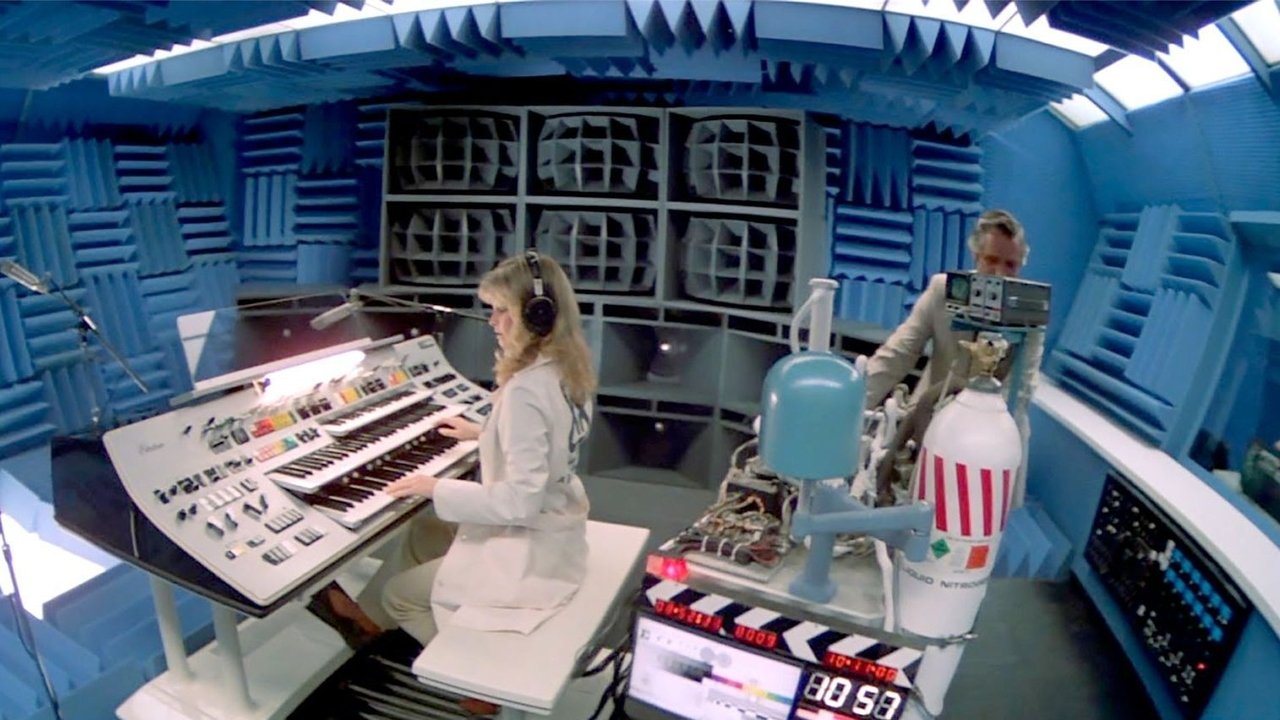
Directed by special effects visionary Douglas Trumbull – the man whose meticulous work gave us the cosmic vistas of 2001: A Space Odyssey (1968), the awe of Close Encounters of the Third Kind (1977), and the gritty futurescapes of Blade Runner (1982) – Brainstorm was intended as a technological leap forward, both in its subject matter and its presentation. The film follows brilliant scientists Dr. Michael Brace (Christopher Walken) and Dr. Lillian Reynolds (Louise Fletcher, bringing her signature grounded intensity) as they develop a revolutionary device capable of recording and replaying the full spectrum of human sensory experience. The implications are staggering, promising empathy, understanding, and unparalleled entertainment. But, as with all powerful technology, the potential for misuse looms large.
A Glimpse of What Could Be
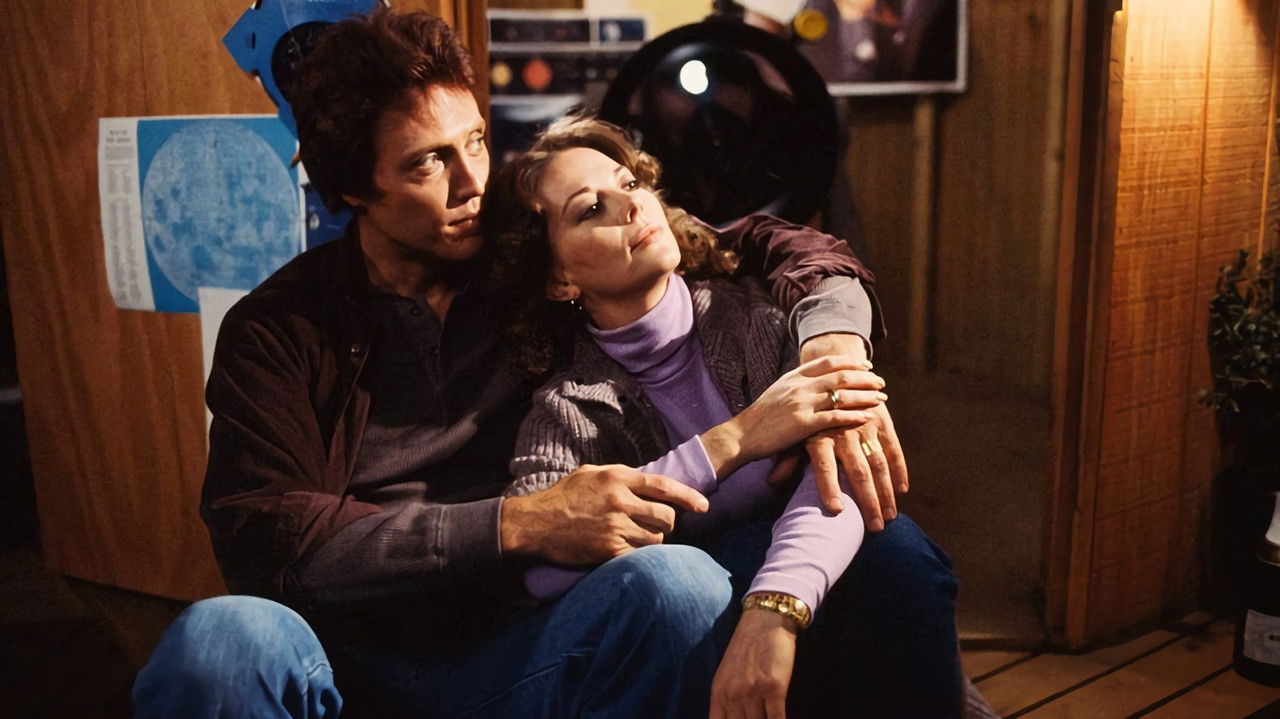
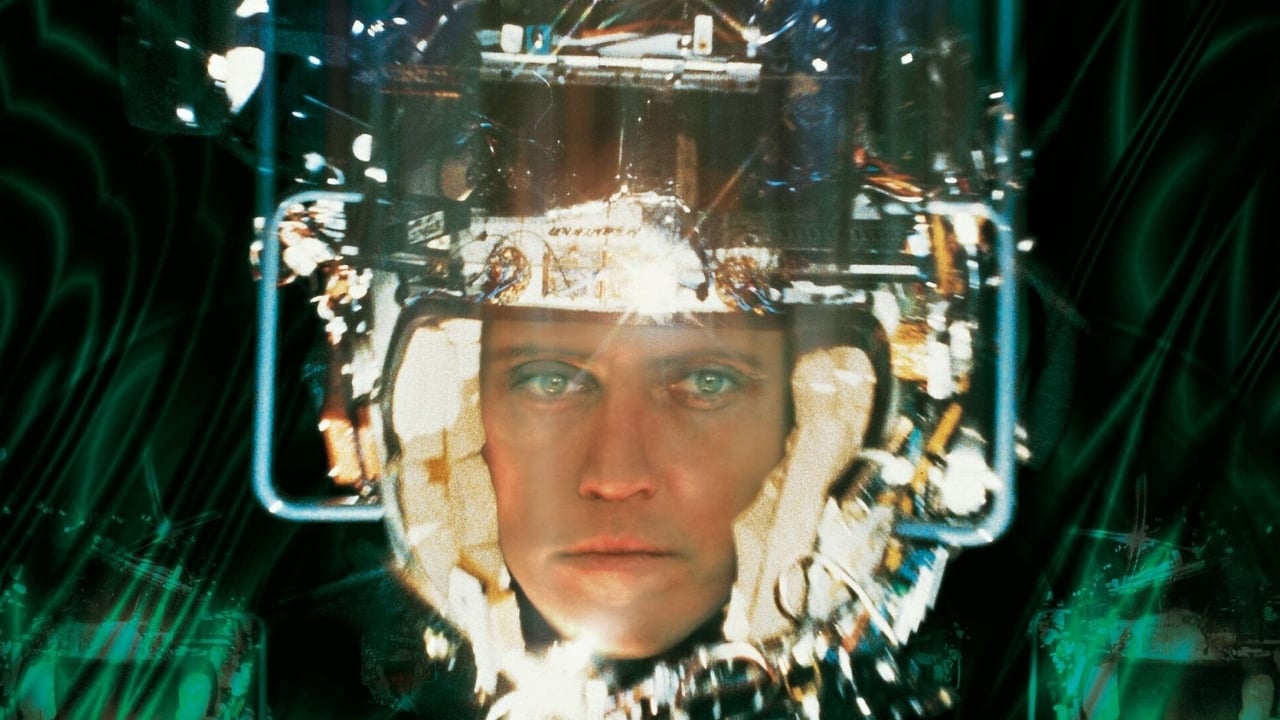
The film cleverly visualizes the "tapes." Mundane reality is presented in standard widescreen, but when a character dons the headset, the screen opens up to glorious 70mm widescreen (intended for Trumbull's high-frame-rate Showscan process, though few saw it that way). It’s a simple but effective technique, immediately immersing us in the heightened reality of the recorded sensations. We experience the giddy rush of a rollercoaster, the simple pleasure of biting into a juicy steak, and later, more intimate and complex moments. Christopher Walken, as Brace, is perfectly cast – his inherent intensity and slightly off-kilter energy convey both the thrill of discovery and the dawning horror of its potential applications. He sells the wonder and the eventual ethical struggle with quiet conviction.
Louise Fletcher, as the project's pragmatic, chain-smoking heart, provides the necessary grounding. Her Lillian Reynolds is the conscience of the operation, wary of the military and corporate interests circling their invention, represented by the calculating Alex Terson (Cliff Robertson). Her scenes crackle with intelligence and a weariness that feels earned.
The Shadow Over the Production
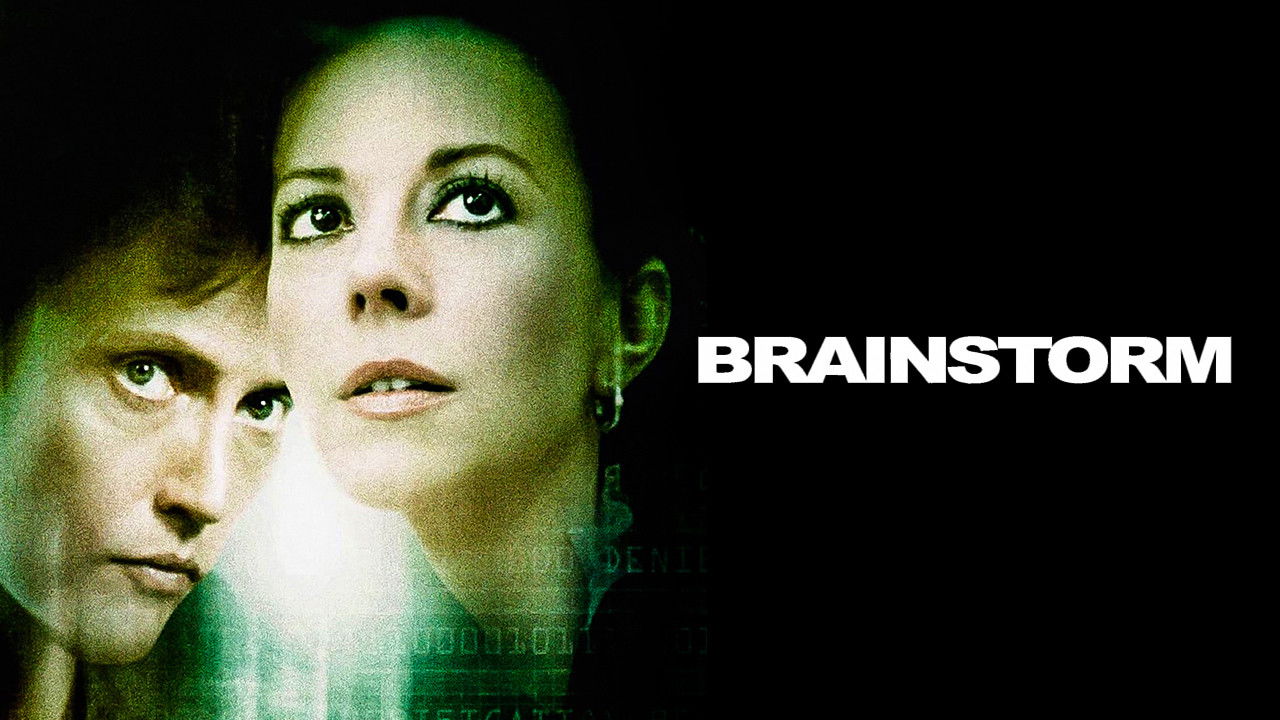
Of course, no discussion of Brainstorm can avoid the profound sadness surrounding Natalie Wood. Playing Karen Brace, Michael's estranged wife who works on the project's design aspects, Wood brings warmth and a tangible emotional core to the film. Her character represents the human connection that the technology initially promises to enhance but ultimately threatens. I distinctly remember the shockwaves when news of her drowning during a weekend break from filming hit. It wasn't just a Hollywood tragedy; it felt personal, somehow, watching her final performance unfold on screen.
The production was thrown into chaos. MGM initially wanted to shelve the film and claim the insurance payout, believing it couldn't be completed without Wood. But Douglas Trumbull, fiercely protective of his project and Wood's legacy, fought tooth and nail. Insurance stipulations reportedly prevented significant rewrites, forcing Trumbull and his team to use clever editing, existing footage, body doubles (Wood's sister Lana, apparently, for some brief shots from behind), and subtle dialogue adjustments (often delivered by Walken or Fletcher with their backs to the camera) to bridge the narrative gaps left by her absence. Knowing this adds another layer to viewing the film; you start noticing the workarounds, the moments where her presence feels stitched together. It's a testament to Trumbull's determination that the film works as well as it does, though the seams inevitably show, particularly towards the climax. This fight reportedly cost Trumbull dearly, contributing to his decision to step away from feature directing for many years. The film, budgeted around $18 million, struggled to recoup its costs, earning only about $10.2 million at the US box office, perhaps partly due to the shadow cast by the tragedy and the studio's lukewarm support post-controversy.
Beyond the Tech: Ideas That Linger
Despite the production turmoil and the inescapable melancholy, Brainstorm offers more than just a historical footnote. It probes fascinating questions about experience, memory, and mortality. What happens when experiences become commodities? The film touches upon the inevitable exploitation – sensory recordings of sex become black market items, and the military immediately sees the potential for interrogation and training. Does replaying an experience dilute the original? Does observing someone else's life, even intimately, equate to understanding?
The film's most potent sequence involves a character recording their own death – a "death tape" that becomes a focal point of conflict. It pushes the central concept to its philosophical limit: can one truly experience death and return? The film's handling of this, especially the visual representation of the afterlife (a sequence Trumbull reportedly fought hard to keep), is ambitious and genuinely moving, offering a moment of transcendence amidst the corporate espionage and personal drama. It feels like a direct line from the star gate sequence in 2001, filtered through a more personal lens.
The Final Rewind
Brainstorm isn't a perfect film. The pacing occasionally lags, and the corporate thriller subplot sometimes feels underdeveloped compared to the weightier themes. The visual effects, while groundbreaking for Trumbull, inevitably show their age compared to modern CGI, yet possess that tangible quality we love from the practical effects era. However, the core concept remains compelling, Christopher Walken and Louise Fletcher deliver strong performances, and the film’s visual ambition is undeniable. Its exploration of shared consciousness and the ethics of technology feels remarkably prescient even today.
But it's the shadow of Natalie Wood's final performance, and the knowledge of the struggle to complete the film in her honor, that lends Brainstorm its enduring poignancy. It’s a film about experiencing life through another’s senses, forever intertwined with the real-world loss of one of its brightest stars. Watching it feels like accessing a unique, bittersweet memory from the VHS vaults.
Rating: 7/10
Justification: Brainstorm earns a 7 for its genuinely fascinating core concept, Douglas Trumbull's visual ambition (even if hampered), strong central performances from Walken and Fletcher, and its thoughtful exploration of themes that remain relevant. The points are deducted for uneven pacing, a slightly underdeveloped thriller element, and the unavoidable narrative compromises stemming from the tragic production history. However, its unique place in film history and the poignancy surrounding Natalie Wood's final role elevate it beyond its flaws.
Final Thought: It's a film that aimed for the stars, both technologically and thematically, and even if it didn't quite reach them perfectly, the attempt itself leaves a lasting, reflective impression long after the tape clicks off.