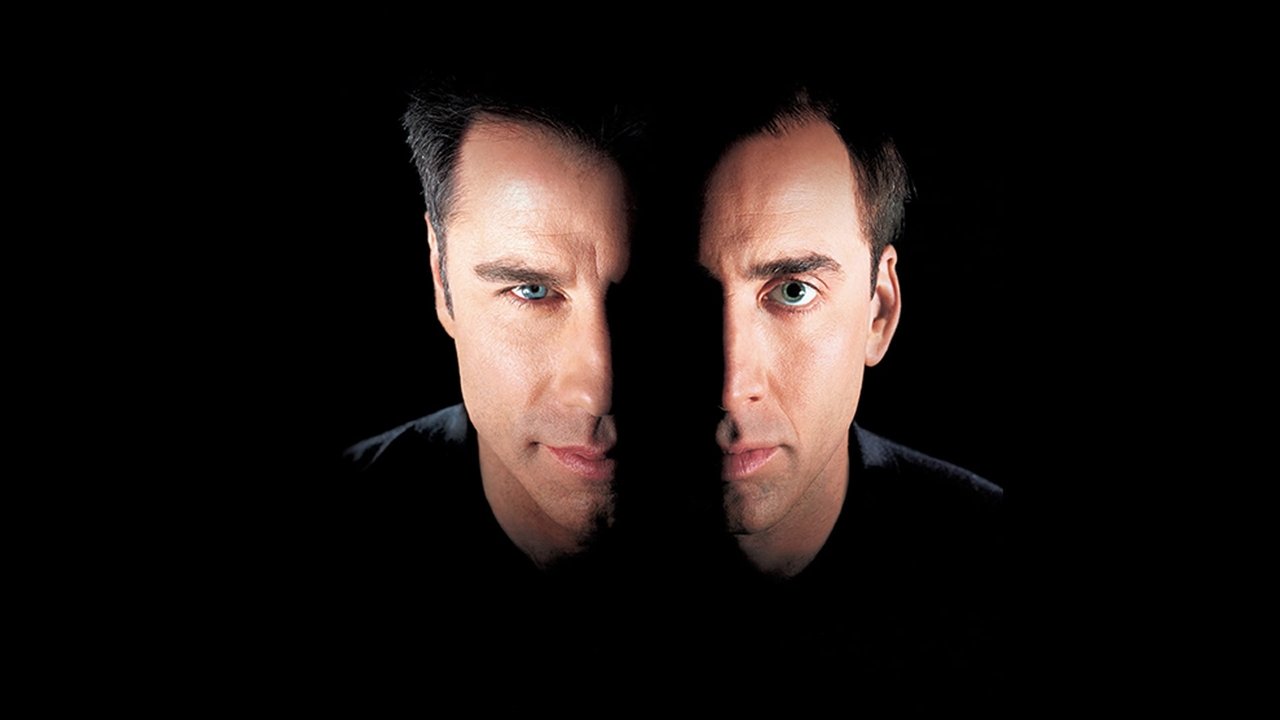
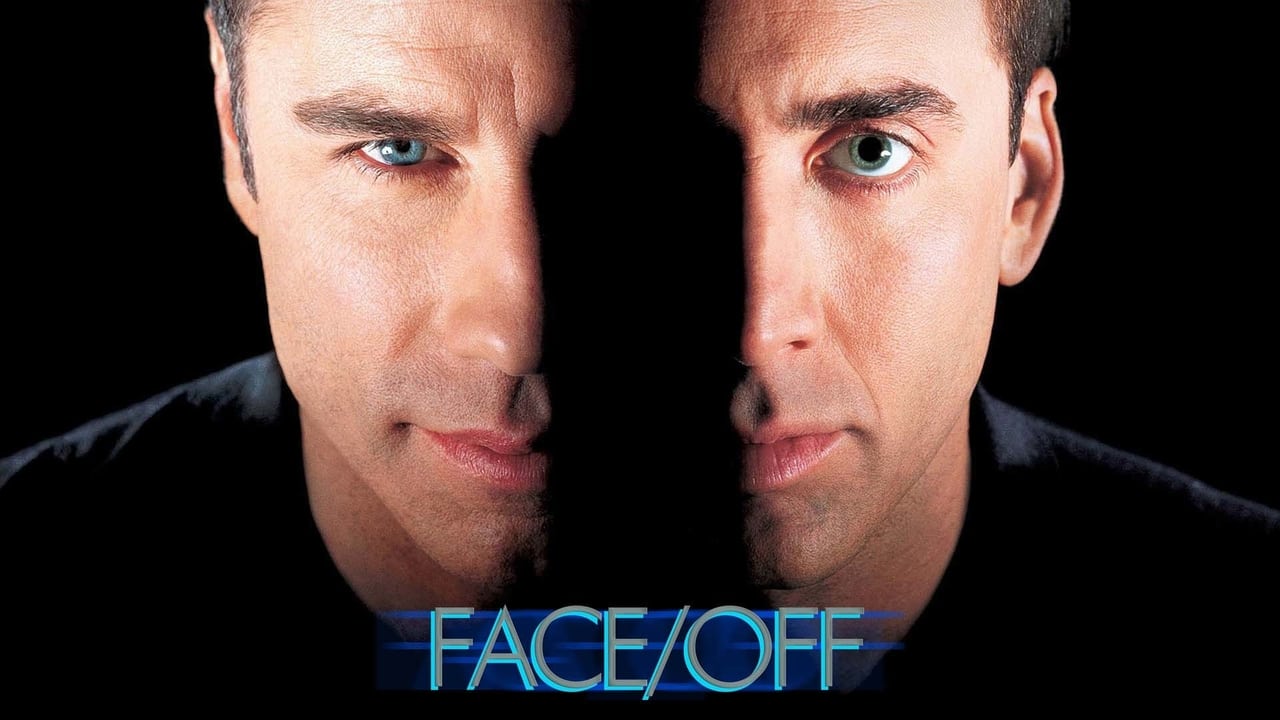
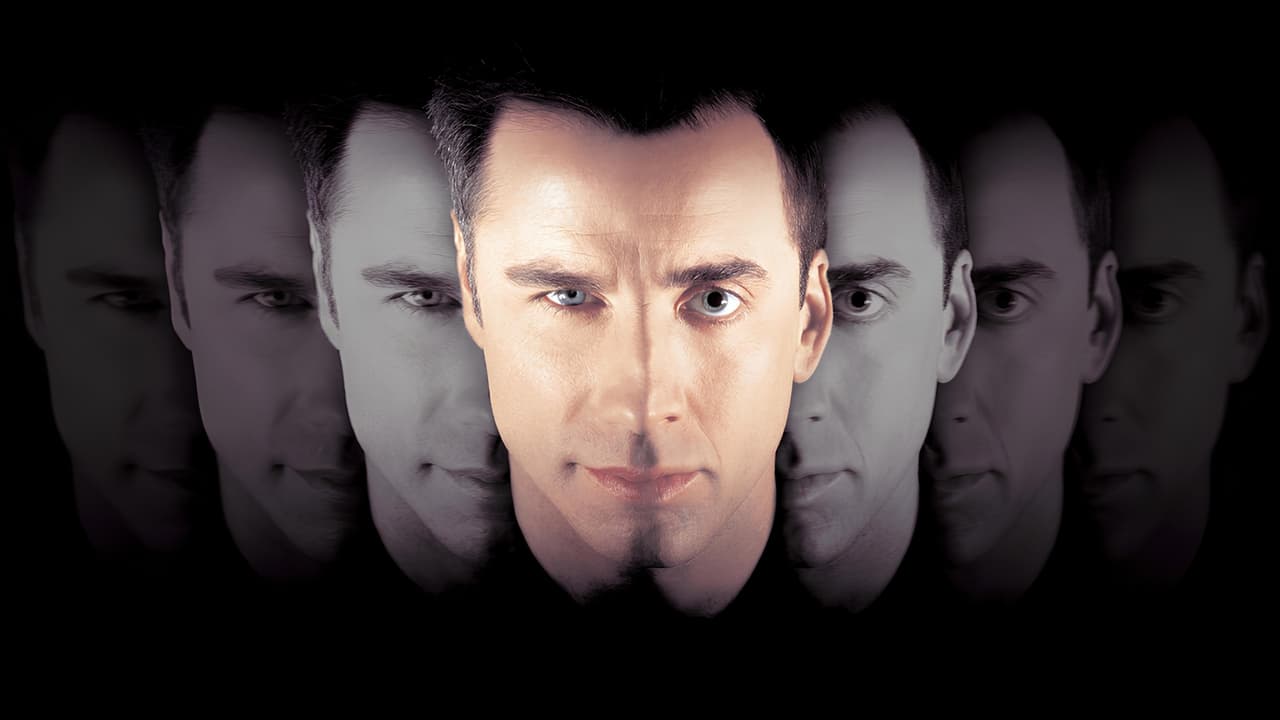
Okay, rewind your minds with me. Picture this: it's late 1997, the video store shelves are glowing, and you stumble upon a box with John Travolta and Nicolas Cage staring intensely back at you, their faces literally blurring together. The title? Face/Off. The premise? So utterly bonkers, so gloriously high-concept, it felt like something beamed directly from a fever dream onto a Maxell T-120. And let me tell you, popping that tape into the VCR unleashed a level of operatic action absurdity that few films have matched since.
### More Than Just a Gimmick
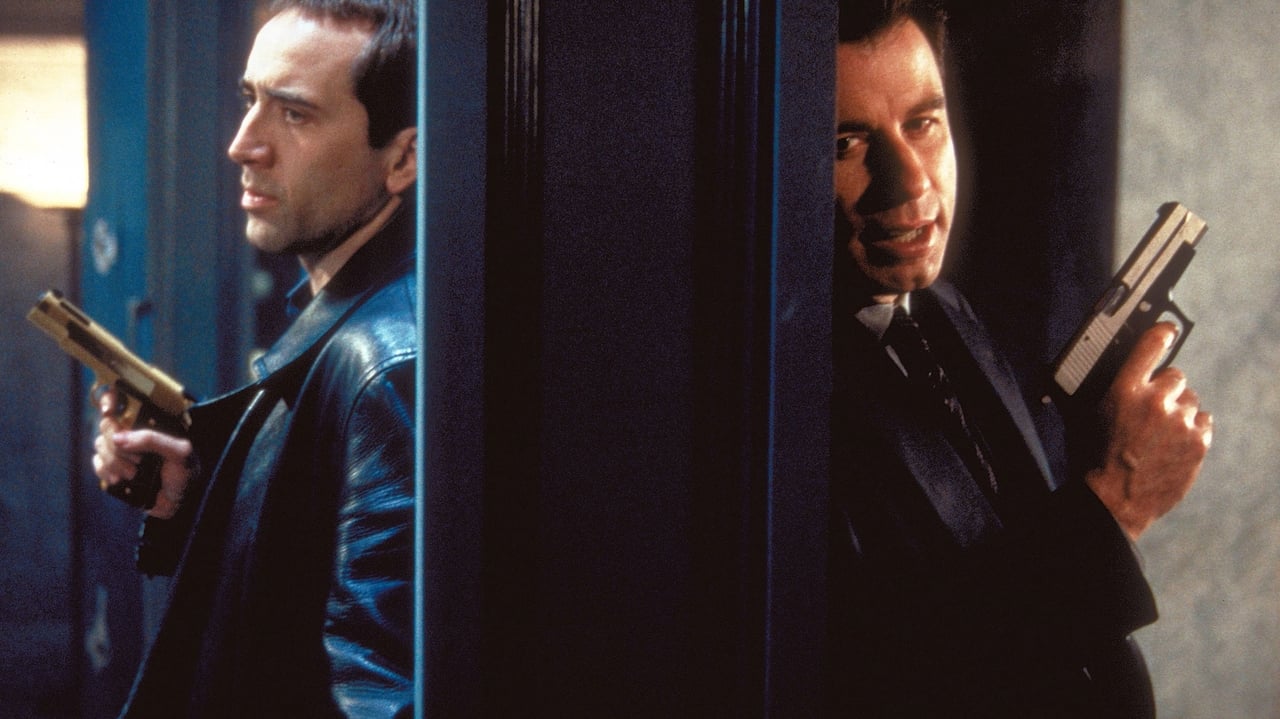
The setup is elegantly insane: dedicated FBI agent Sean Archer (John Travolta) finally captures his nemesis, the flamboyant terrorist Castor Troy (Nicolas Cage), the man who murdered his son years earlier. But plot twist! Troy has planted a biological bomb somewhere in Los Angeles, set to detonate soon, and the only people who know its location are Troy himself (now in a coma) and his incarcerated brother. Archer's desperate solution? Undergo a radical, experimental surgical procedure to literally wear Castor Troy's face, infiltrate the prison, and get the info. What could possibly go wrong? Oh, only everything, especially when the real Castor Troy wakes up, forces the surgeon to give him Archer's face, kills everyone who knows about the switch, and assumes Archer's life.
It sounds ridiculous on paper, and frankly, it is. But under the masterful hand of legendary Hong Kong action maestro John Woo, making his triumphant Hollywood stride after films like The Killer (1989) and Hard Boiled (1992), this premise transcends silliness and becomes a canvas for breathtaking action and surprisingly compelling character work. Woo reportedly wasn't interested until Cage and Travolta were attached; he saw the potential for operatic drama amidst the gunfire.
### The Cage/Travolta Two-Step
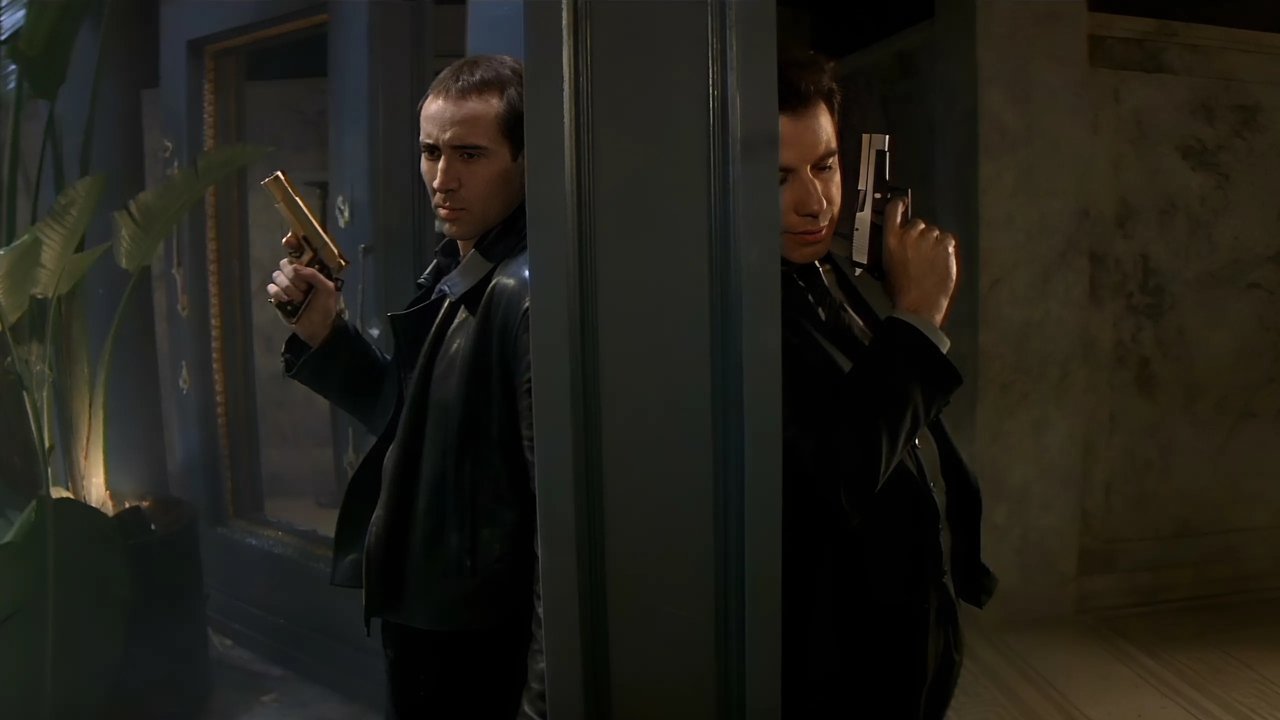
This movie lives and dies on its central performances, and boy, do Travolta and Cage deliver. The real magic trick isn't the (admittedly pretty wild for the time) face-swapping effect; it's watching these two powerhouse actors essentially play each other. Travolta, initially the stoic, grief-stricken hero, gets to chew scenery with gleeful abandon as the sadistic, swaggering Troy trapped in Archer's body. Remember him strutting around Archer's home, confusing poor Joan Allen (playing Archer's understandably bewildered wife, Eve)? Allen provides a crucial emotional anchor amidst the chaos, grounding the film with palpable confusion and pain.
Meanwhile, Nicolas Cage, initially delivering peak eccentric Cage as the theatrical Troy, has the arguably tougher job of portraying the tortured Archer trapped behind enemy lines (and his enemy's face). He channels Travolta's earlier simmering intensity, mixed with the sheer panic of his situation. It's fascinating to watch them mimic each other's cadences and physicalities. Apparently, the two actors spent weeks together before filming, meticulously studying each other to perfect their imitations. It paid off brilliantly. It's a performance duel for the ages, fueled by the kind of star power and commitment that defined 90s blockbusters.
### Woo-chestra of Destruction
Let's talk action. Because this is John Woo, and that means ACTION. Forget the clean, often weightless CGI spectacle of today. This is the glorious era of practical effects, where every explosion felt real because it was real. The sheer scale of the set pieces is staggering. Remember that insane shootout in the hangar, complete with doves flying through streams of automatic gunfire? Pure Woo. That prison riot? A symphony of chaos orchestrated with brutal precision. And the climactic boat chase? An absolute masterclass in high-octane, practically-achieved mayhem, complete with spectacular jumps and fiery destruction that you could almost feel through the slightly fuzzy tracking on your CRT television.
Woo's signature style – the slow-motion, the dual-wielding pistols, the almost balletic choreography of violence – is firing on all cylinders here. It felt incredibly fresh and visceral back in '97. The film had a hefty $80 million budget, a significant sum back then, and you can see every dollar exploding on screen. It went on to become a massive hit, raking in over $245 million worldwide, proving audiences were absolutely ready for this blend of high-concept sci-fi and operatic action melodrama. The script, penned by Mike Werb and Michael Colleary, had apparently kicked around Hollywood for years, originally conceived as a more futuristic sci-fi piece before Woo grounded it (relatively speaking!) in a more contemporary setting.
### Still Got the Moves?
Watching Face/Off today is a potent shot of nostalgia, but it’s more than just that. Sure, some elements feel distinctly ‘90s – the tech, the slightly over-the-top dialogue – but the core components hold up remarkably well. The central performances remain electric, John Woo's action direction is timelessly thrilling, and the sheer audacity of the concept is still wildly entertaining. It’s a film that fully commits to its ludicrous premise with operatic flair and technical brilliance. The score by John Powell also deserves a mention, perfectly amplifying the dramatic stakes and the explosive action.
It expertly blends intense emotion (Archer's grief, Eve's confusion, Troy's... well, Troy-ness) with some of the most inventive and beautifully staged action sequences of the decade. You genuinely feel the impact of the stunts, the heat of the explosions. Wasn't that final speedboat confrontation just jaw-dropping for its time?
Rating: 9/10
This score reflects Face/Off's position as a near-perfect execution of its wildly ambitious concept. The acting is phenomenal, the direction is iconic, and the action remains breathtakingly practical and impactful. It loses a single point perhaps for the sheer implausibility stretching credulity even for an action film, but its commitment makes it a standout.
Final Thought: Face/Off is pure, uncut 90s action filmmaking at its most stylishly unhinged – a glorious ballet of bullets and borrowed identities that still feels exhilaratingly real, even when it's completely unbelievable. A true gem from the peak blockbuster VHS era.