There’s a particular kind of unease that settles in the pit of your stomach when the lines blur completely, when the supposed guardians become indistinguishable from the wolves. Gang Related doesn’t just blur those lines; it obliterates them with a weary, cynical smirk. Watching it again now, especially on a flickering screen late at night, that same cold dread creeps back – the feeling of a net tightening, of bad choices compounding into an inescapable vortex. It's a film steeped in the specific grime and desperation of mid-90s urban decay, a feeling amplified immeasurably by the shadow hanging over it.
The Point of No Return
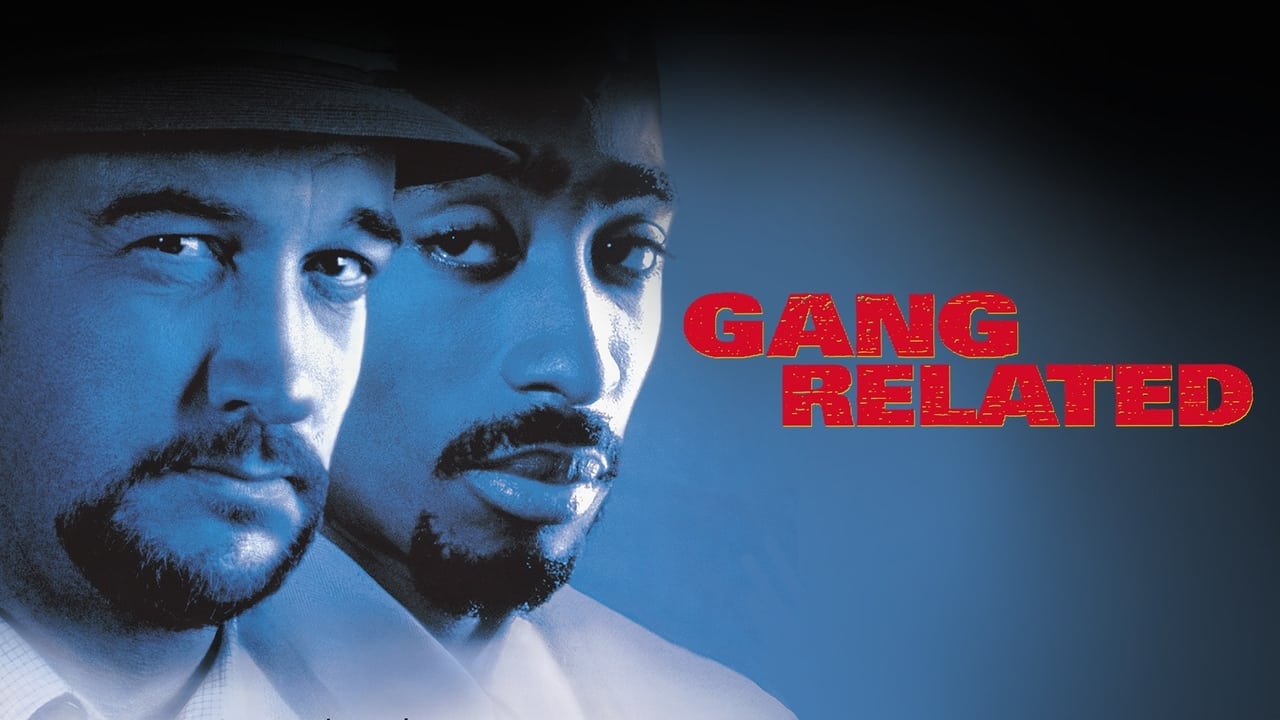
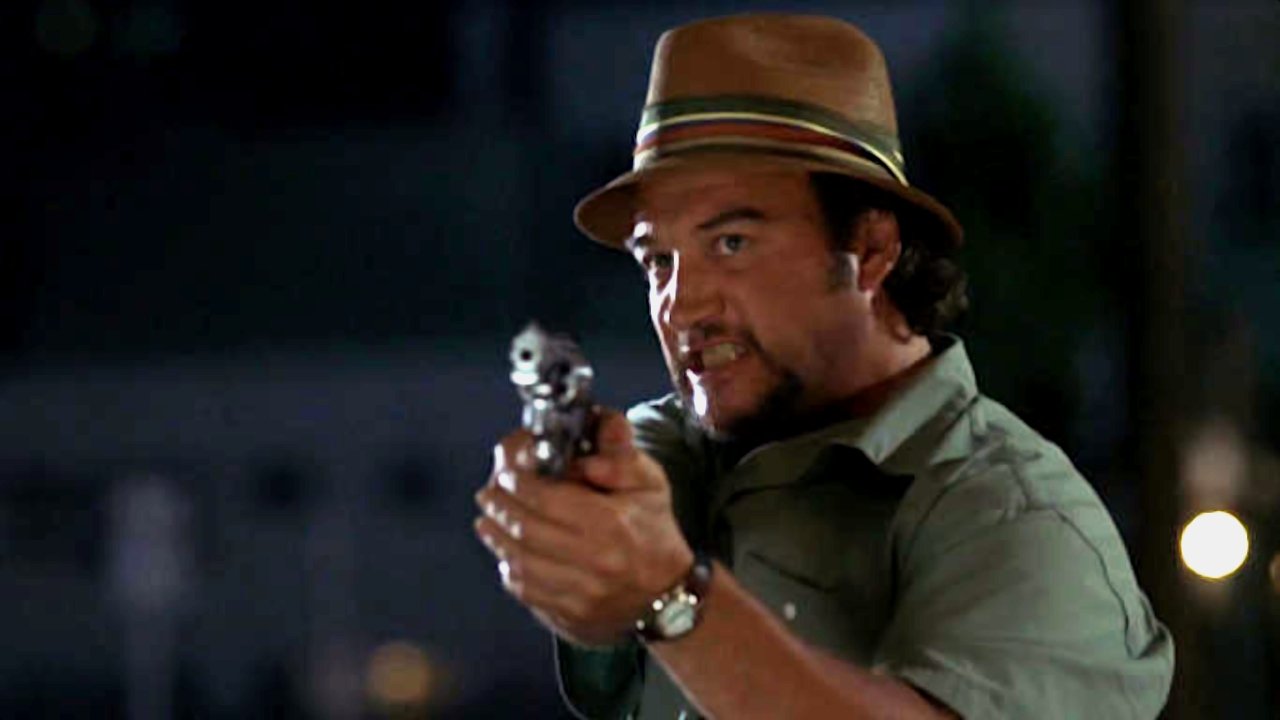
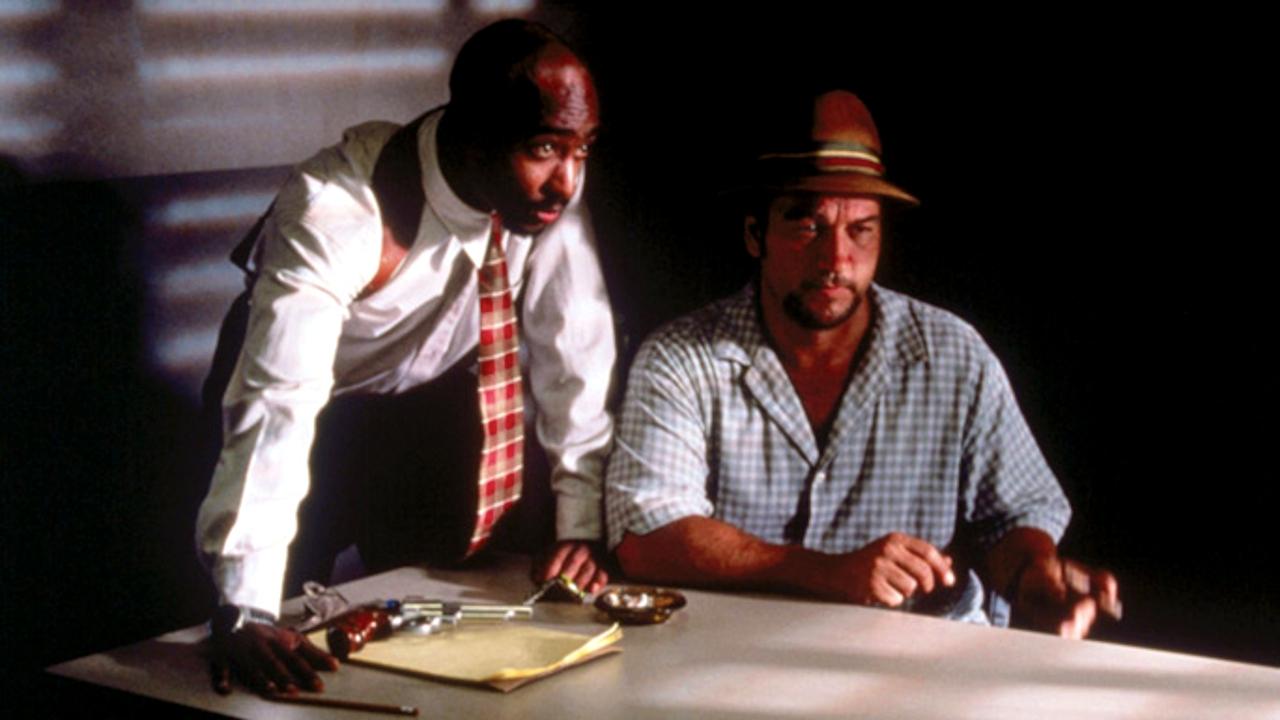
The setup is deceptively simple, almost a classic noir trope dragged into the harsh light of the 90s. Detectives Frank Divinci (James Belushi) and Jake Rodriguez (Tupac Shakur) aren't just bending the rules; they're snapping them over their knees. Operating as drug dealers using confiscated evidence, they accidentally kill an undercover DEA agent during one of their scams. Their desperate solution? Pin it on the first available scapegoat – a homeless drunk, Joe (Dennis Quaid, initially uncredited and a shock reveal later). It’s a plan born of panic, arrogance, and the deeply ingrained corruption that seems to seep from the city's very pores. But this isn't just any homeless man, and this isn't just any dead cop. This is where the spiral truly begins its terrifying descent.
Writer-director Jim Kouf, who penned lighter fare like Stakeout but clearly had a darker side, crafts a narrative that thrives on claustrophobia and escalating stakes. There’s no breathing room here. Every move Divinci and Rodriguez make to cover their tracks only digs their hole deeper, ensnaring them further in a web of lies, bureaucratic red tape, and dangerous figures who want answers. The tension isn't just in the threat of discovery, but in the slow, agonizing erosion of the protagonists' control and sanity. You watch, almost against your will, as their swagger curdles into raw fear.
Ghosts in the Machine
It's impossible to discuss Gang Related without addressing the spectral presence of Tupac Shakur. Released nearly a year after his murder, his performance as the conflicted, increasingly panicked Rodriguez carries an almost unbearable weight. There's a raw energy, a simmering intensity beneath the surface that feels authentic and lived-in. Watching him portray a corrupt cop entangled in a murder plot, knowing his own violent end, adds layers of tragic irony that the filmmakers could never have intended. Reportedly, Shakur was drawn to the role's complexity, wanting to move beyond gangster stereotypes. Seeing his natural charisma flicker under the character’s mounting dread is genuinely unsettling. He and Belushi share a believable, if frayed, chemistry – two partners bound by crime, watching each other warily as their world collapses. Belushi, often known for comedy, taps into a vein of sweaty desperation, the crumbling facade of a man who thought he had it all figured out.
Adding another layer is Lela Rochon as Cynthia Webb, a stripper who becomes entangled in their scheme. She embodies a certain kind of weary vulnerability, a pawn in their dangerous game, but with her own quiet desperation. The dynamic between her and Belushi’s Divinci adds a murky, uncomfortable dimension to the already bleak proceedings.
Concrete Jungle Rot
Kouf doesn't shy away from the ugliness. The film feels like late-night Los Angeles – greasy diners under buzzing fluorescent lights, shadowy back alleys, the impersonal chill of police stations and holding cells. The score often opts for moody jazz and atmospheric synth cues, underpinning the sense of inevitable doom rather than relying on jarring stings. It’s the visual and auditory texture of institutional rot and personal failure. There aren't flashy practical effects here in the horror sense, but the depiction of violence is blunt and sudden, reflecting the casual brutality of the world these characters inhabit. The realism lies in the mounting pressure, the procedural details that become instruments of torture for the guilty cops.
One fascinating bit of trivia: the film was originally developed under the title "Criminal Intent," perhaps a more direct, less evocative label for the moral decay at its core. Its journey to screen was also marked by the search for the right leads; imagining anyone else in Shakur's role feels impossible now, given the haunting resonance his presence provides. Despite lukewarm initial reception and modest box office ($5.9 million domestic gross against a reported $5 million budget – roughly $10.6 million gross adjusted for today), the film has lingered, primarily due to its infamous context and surprisingly effective tension.
The Verdict
Gang Related isn't a flawless film. The plot requires some significant suspension of disbelief, particularly regarding the identity and resourcefulness of the "homeless" man. Some character motivations can feel thin, serving the intricate mechanics of the plot more than psychological depth. Yet, its power lies in its unwavering commitment to its grim premise and the suffocating atmosphere it cultivates. It captures a specific kind of late-century cynicism, a feeling that the system is irrevocably broken and escape is futile. The central performances, particularly Shakur's tragically final turn, anchor the escalating dread. It’s a film that sticks with you, less for intricate plotting and more for the cold knot it ties in your gut.
Rating: 6.5/10
The score reflects a film that is undeniably effective in creating tension and a bleak atmosphere, largely thanks to its compelling leads and grim scenario. However, it's held back from true classic status by plot contrivances and a script that sometimes prioritizes twists over deeper character work. The 6.5 acknowledges its strengths as a tense, atmospheric thriller and its undeniable historical significance concerning Tupac Shakur, while recognizing its narrative shortcomings.
It remains a potent slice of 90s neo-noir, a film forever haunted by circumstance, leaving you with the chilling sense that sometimes, the deadliest threats wear a badge.