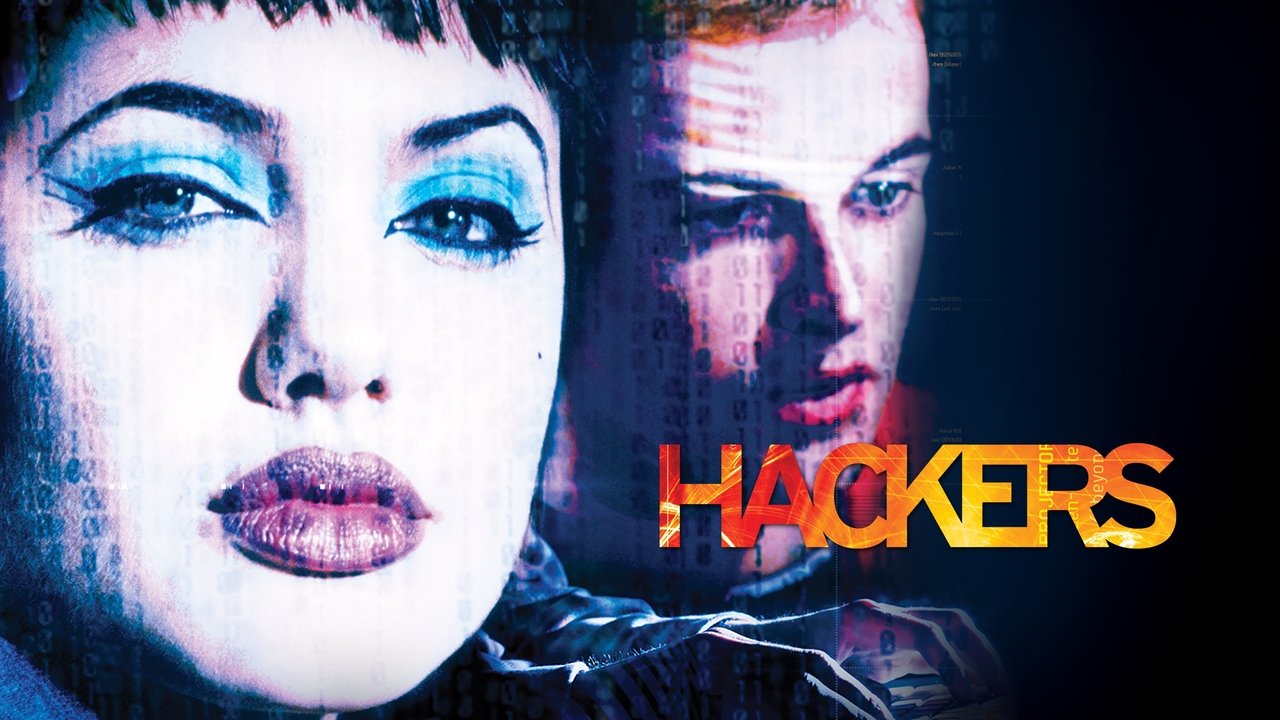
It explodes onto the screen like a burst transmission from a neon-drenched cyber-future, circa 1995. Hackers isn't just a movie; it's a time capsule, a hyper-stylized snapshot of the moment the digital frontier felt impossibly cool, dangerous, and full of rebellious energy. Forget realistic depictions of coding – director Iain Softley (who would later give us the very different K-PAX) wasn't aiming for documentary accuracy. He crafted a vibrant, kinetic fantasy of cyberspace, a world where hacking looked less like typing code and more like navigating psychedelic digital landscapes. For many of us glued to our chunky CRT screens back then, the modem screech was a siren song, and Hackers felt like a glimpse into the electric heart of it all.
### Welcome to the Electro-Glide
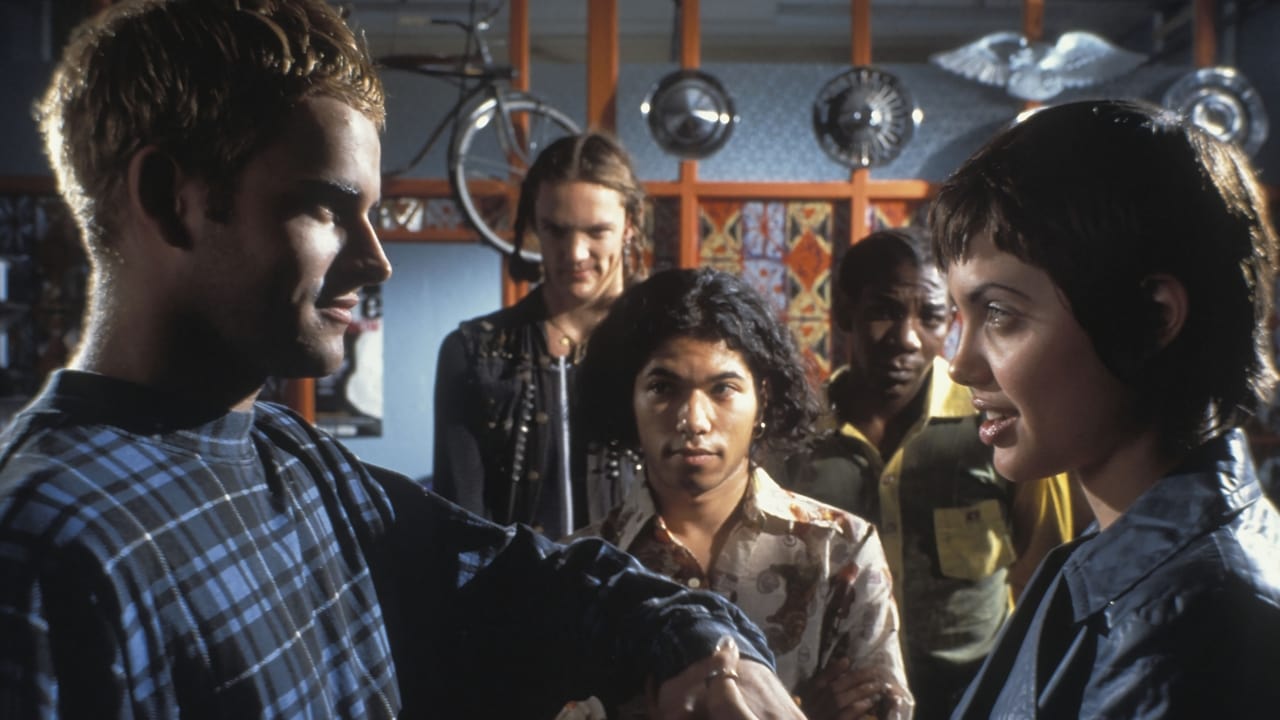
The plot itself is classic underdog stuff, filtered through a dial-up modem. Dade Murphy, aka "Zero Cool" (a pre-Trainspotting Jonny Lee Miller), is a legendary hacker busted as a kid for crashing thousands of systems. Forced into digital exile until his 18th birthday, he moves to New York and quickly falls in with a crew of high school hackers: the effortlessly cool Kate Libby, aka "Acid Burn" (Angelina Jolie in one of her earliest, most iconic roles), the flamboyant Emmanuel Goldstein, aka "Cereal Killer" (Matthew Lillard, radiating pure chaotic energy), phantom phreaker Ramon Sanchez, aka "Phantom Phreak" (Renoly Santiago), the naive Joey Pardella (Jesse Bradford), and the knowledgeable Paul Cook, aka "Lord Nikon" (Laurence Mason). When Joey accidentally stumbles upon a dangerous embezzlement scheme orchestrated by rogue corporate security officer Eugene "The Plague" Belford (Fisher Stevens, chewing scenery with glorious abandon), the gang must use their wits and keyboards to clear their names and expose the real villain.
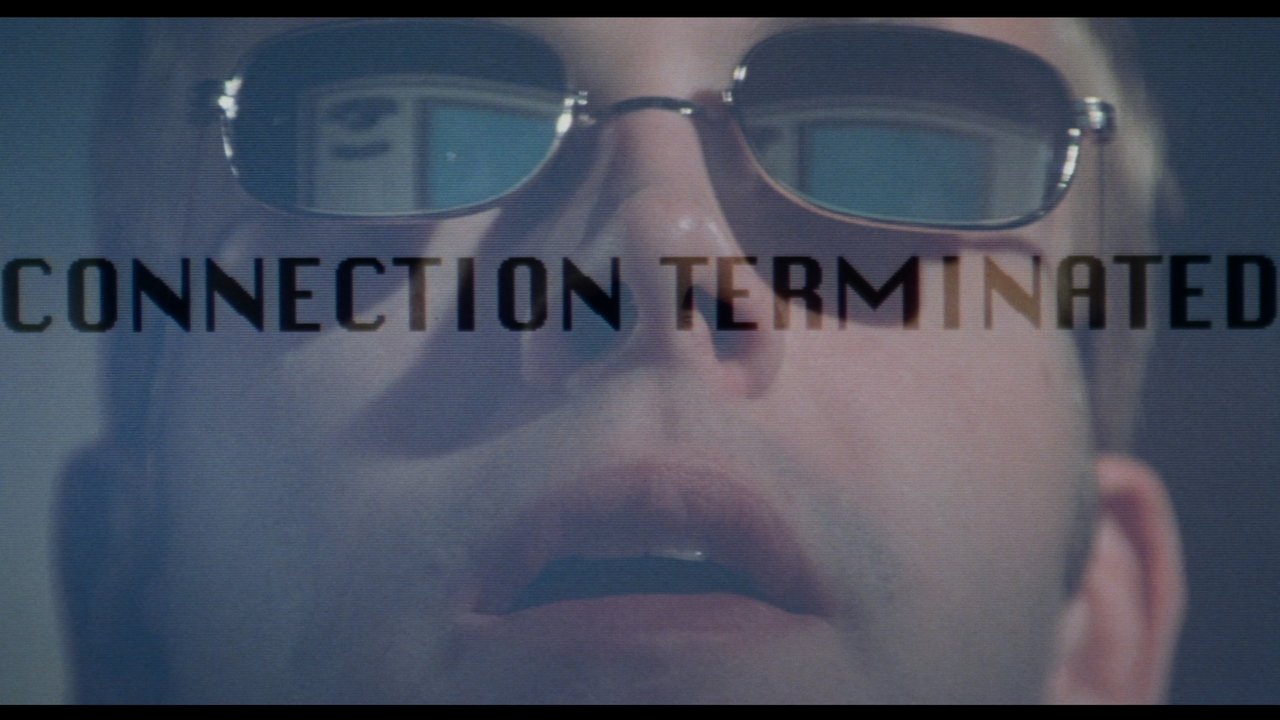
It's a familiar structure, but the execution is anything but. Hackers pulses with a visual style that’s pure mid-90s adrenaline. The costumes, designed by Roger Burton, are a glorious riot of vinyl, mesh, and cyberpunk-meets-club-kid aesthetics. The depictions of cyberspace – vast, geometric cityscapes of data – were groundbreaking for their time, even if they look charmingly abstract now. Remember those scenes? Hacking wasn't just typing; it was a visceral dive into flowing streams of information, rendered with the graphical punch of a high-end arcade game. It captured the feeling of being online back then – the sense of exploring a vast, unknown territory.
### Crash and Burn, Baby!
The young cast crackles with chemistry. Jonny Lee Miller brings a brooding intensity to Dade, the reluctant hero trying to stay out of trouble. And then there's Angelina Jolie as Acid Burn. It's a star-making turn; she commands the screen with a fierce confidence and razor-sharp wit that hinted at the global superstar she would become. Their rivalry and eventual romance form the film's emotional core, a techno-Romeo and Juliet trading insults and code. The supporting cast, particularly Matthew Lillard's Cereal Killer, injects manic energy and humour. It's worth noting that the actors reportedly took typing and rollerblading lessons to better embody their characters' skills – a fun detail that adds to the film's commitment to its unique world.
Retro Fun Facts: The film famously bombed at the box office upon release in September 1995, making only about $7.5 million against its modest $7 million budget (adjusting for inflation, that's roughly a $14 million budget yielding $15 million today – still not great). Critics were largely baffled or dismissive. Yet, like so many films we cherish here at VHS Heaven, Hackers found its audience on home video, blossoming into a beloved cult classic. Its depiction of hacker culture, while heavily stylised, consulted with actual tech advisors to lend some authenticity, and sharp-eyed viewers can spot real snippets of code amidst the visual flair. The supercomputer targeted by The Plague is named "The Gibson," a clear nod to cyberpunk godfather William Gibson, author of Neuromancer. Even the film's tagline, "Their only crime was curiosity," perfectly captured the rebellious spirit it aimed for.

### The Soundtrack is Everything
You absolutely cannot talk about Hackers without mentioning its legendary soundtrack. It’s a pulsating mix of mid-90s electronic music – Orbital, The Prodigy, Underworld, Massive Attack – that perfectly complements the film's high-energy visuals and rebellious attitude. For many, the soundtrack was just as influential as the movie itself, introducing a generation to the burgeoning electronic music scene. It wasn't just background noise; it was the film's heartbeat, driving the action and defining the atmosphere. I distinctly remember tracking down that CD after renting the tape, needing that relentless beat in my life. It still holds up as a killer compilation today.
The film wasn't without its charming absurdities, of course. The idea of typing furiously to "hack the Gibson" in minutes, the over-the-top villainy of The Plague skateboarding through corporate offices, the slightly naive portrayal of online communities – it all adds to the film's unique, time-stamped appeal. It captured a specific moment of techno-optimism and cyber-fear, before the internet became the ubiquitous utility it is today. It was a fantasy, but a compelling one.
### Legacy in the Code
Hackers might look dated now, its vision of the digital world quaintly retro. But its energy, style, and undeniable cool factor remain infectious. It perfectly captured the defiant, exploratory spirit associated with early internet culture and gave us indelible performances from a cast on the verge of stardom. It’s a film that wears its mid-90s heart on its sleeve, flaws and all, and that’s precisely why we love it. It understood that technology wasn't just about function; it was about identity, community, and rebellion.
VHS Heaven Rating: 8/10
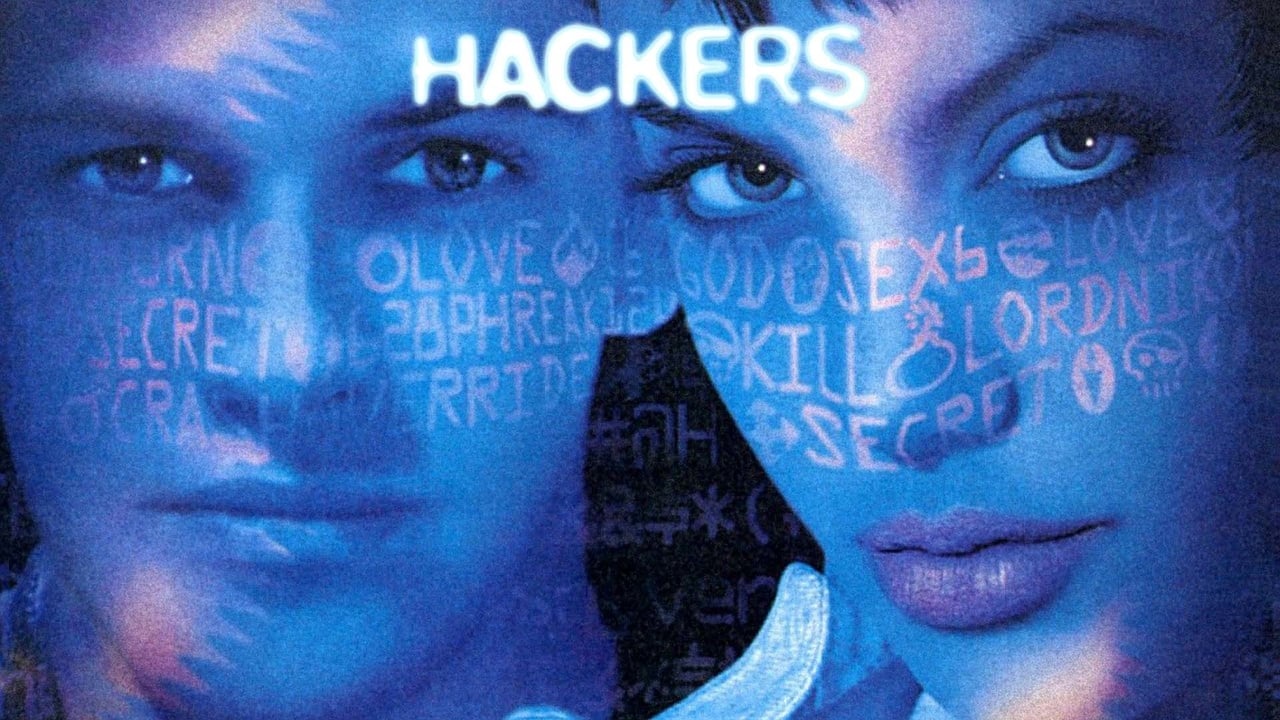
Why the score? Hackers earns a strong 8 for its sheer stylistic audacity, infectious energy, iconic performances (especially from Jolie and Miller), and its killer soundtrack that defined an era. It perfectly captures a specific mid-90s moment, becoming a cult classic despite its initial failure. While the plot is somewhat conventional and the tech depiction hilariously dated, its visual flair and rebellious spirit make it endlessly rewatchable and a cornerstone of 90s cyber-cinema.
So, grab your obsolete modem (or just hit play), crank up the volume, and remember: Hack the Planet! This neon-drenched adventure remains a high-speed trip down the retro information superhighway.