The flickering porch light of a shadowed mansion. Angry villagers, torches metaphorically lit, marching through the gloom. At the heart of it all, a figure both spectral and strangely familiar, a misunderstood enigma known only as the Maestro. No, this isn't a forgotten Universal Horror classic unearthed from the vaults, but the extravagant, effects-laden spectacle that is Michael Jackson's 1997 short film, Ghosts. A project of immense scale and ambition, it landed on VHS and Laserdisc feeling less like a mere music video and more like a gothic mini-epic beamed in from another dimension.
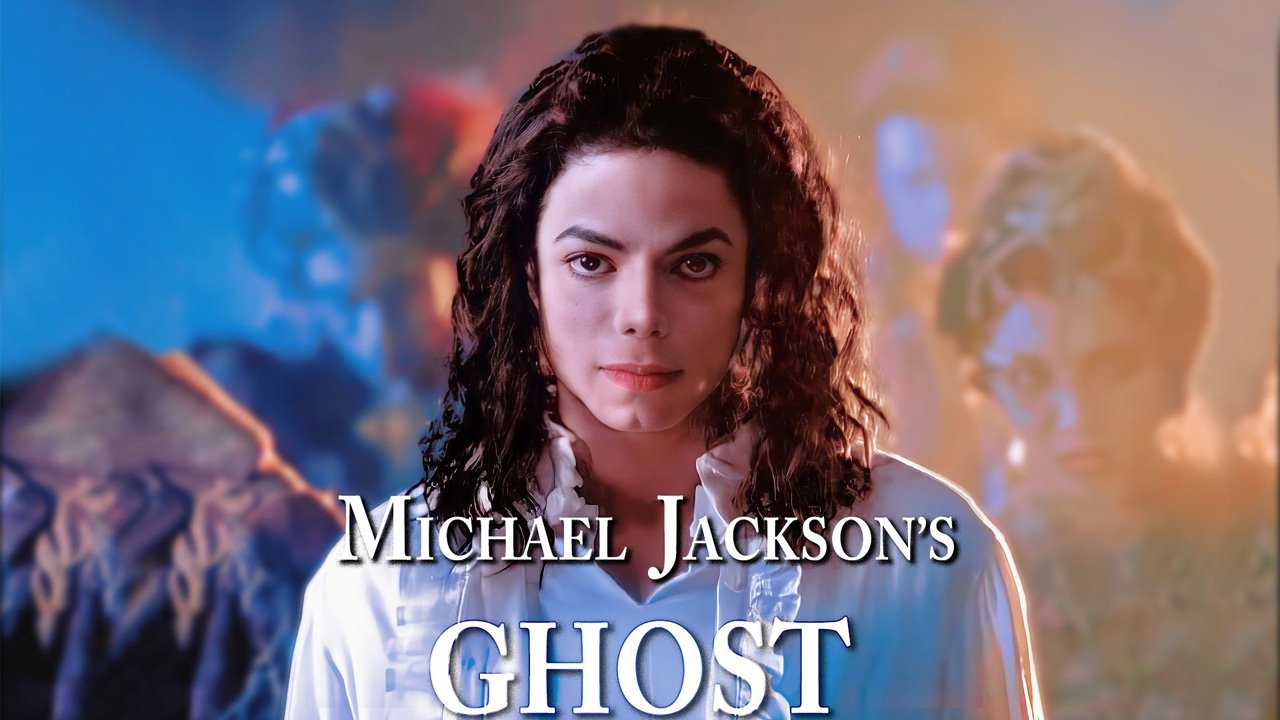
Directed by the legendary creature creator Stan Winston – the practical effects maestro behind The Terminator (1984), Aliens (1986), and Jurassic Park (1993) – and co-written by Jackson himself alongside horror heavyweights Stephen King and Mick Garris (director of Sleepwalkers (1992) and King adaptations like The Stand miniseries), Ghosts feels like a fever dream collaboration. The premise is simple, almost archetypal: the reclusive Maestro (Michael Jackson, naturally) lives in a spooky mansion, delighting local children with magic tricks. This incurs the wrath of the town's stuffy Mayor (also Michael Jackson, under heavy prosthetics) and a mob of concerned parents who want this "freak" run out of town. What follows is a near 40-minute confrontation blending horror tropes, elaborate dance numbers, and cutting-edge (for the time) visual effects.
A Symphony of Spectacle and Shadow
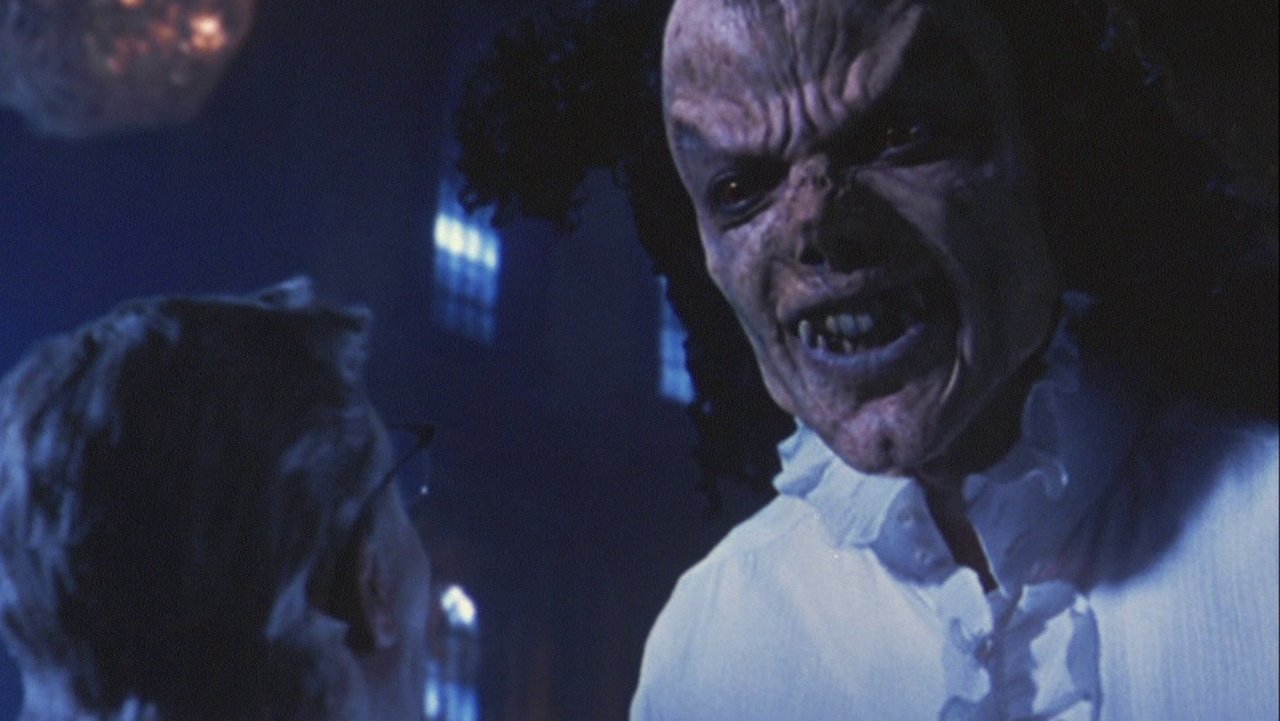
Forget subtlety. Ghosts is pure Stan Winston unleashed, backed by a budget rumored to be around $15 million – a staggering sum that still makes it one of the most expensive music video/short film projects ever conceived. This investment bleeds onto the screen. The Maestro's gothic mansion is a character in itself, filled with swirling dust motes, grand decaying architecture, and lurking shadows. Winston's genius truly shines when the Maestro summons his titular "family." Ghouls glide through walls, spectral figures dance with impossible fluidity, and Jackson himself undergoes startling transformations.
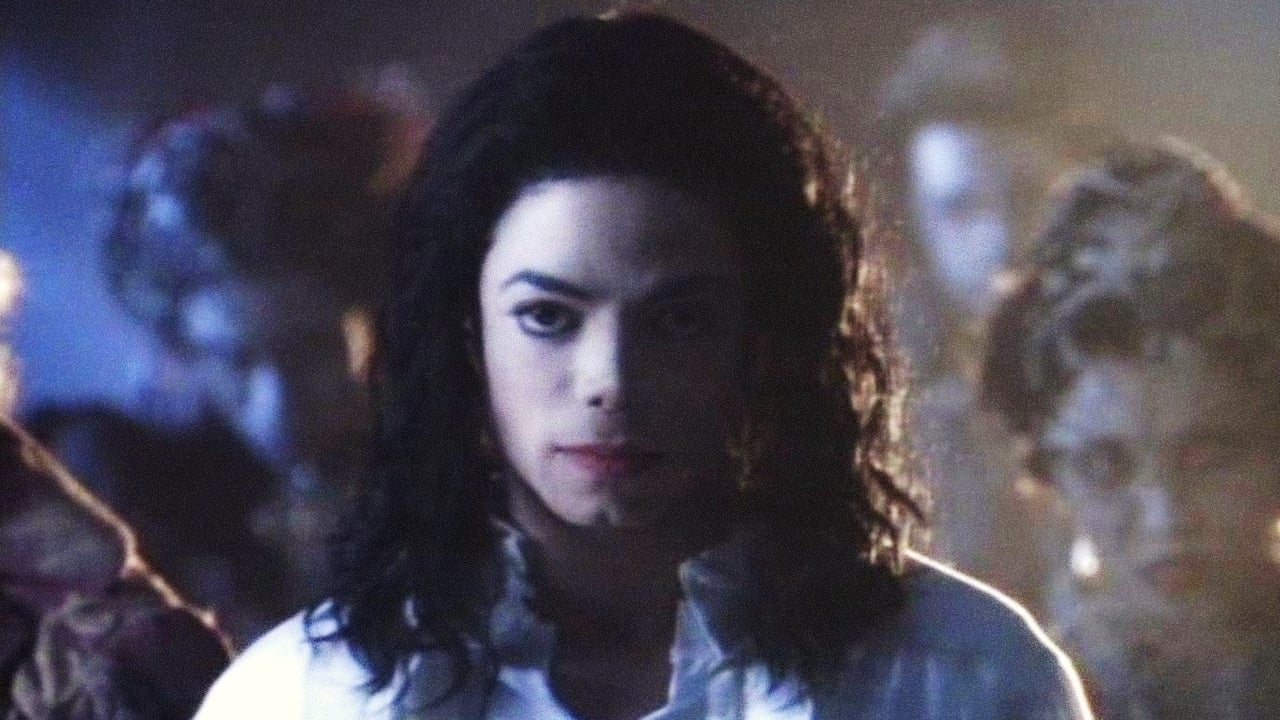
The practical makeup and prosthetic work remain impressive. Jackson's transformation into the corpulent, J. Edgar Hoover-esque Mayor is seamless, a testament to Winston's team. It's almost easy to forget it's him under there, until the character's sneering prejudice mirrors the themes Jackson often explored in his music regarding persecution and judgment. Reportedly, the extensive makeup application for these multiple roles took hours each day, a commitment that underscores the project's dedication to visual craft. It’s a fascinating glimpse into the kind of practical artistry that felt so tangible on our flickering CRT screens back in the day.
The Maestro's Macabre Dance
While the story, echoing classic monster movie themes of the outsider versus the mob, feels somewhat thin stretched over its runtime, the set pieces are undeniably memorable. The confrontation between the Mayor and the Maestro crackles with a strange energy, largely because it's Jackson arguing with himself. But the film truly comes alive (or perhaps, undead) during the musical numbers. "2 Bad" and the title track "Ghosts" provide the backdrop for sequences that blend Jackson's signature dance moves with genuinely creepy visuals.
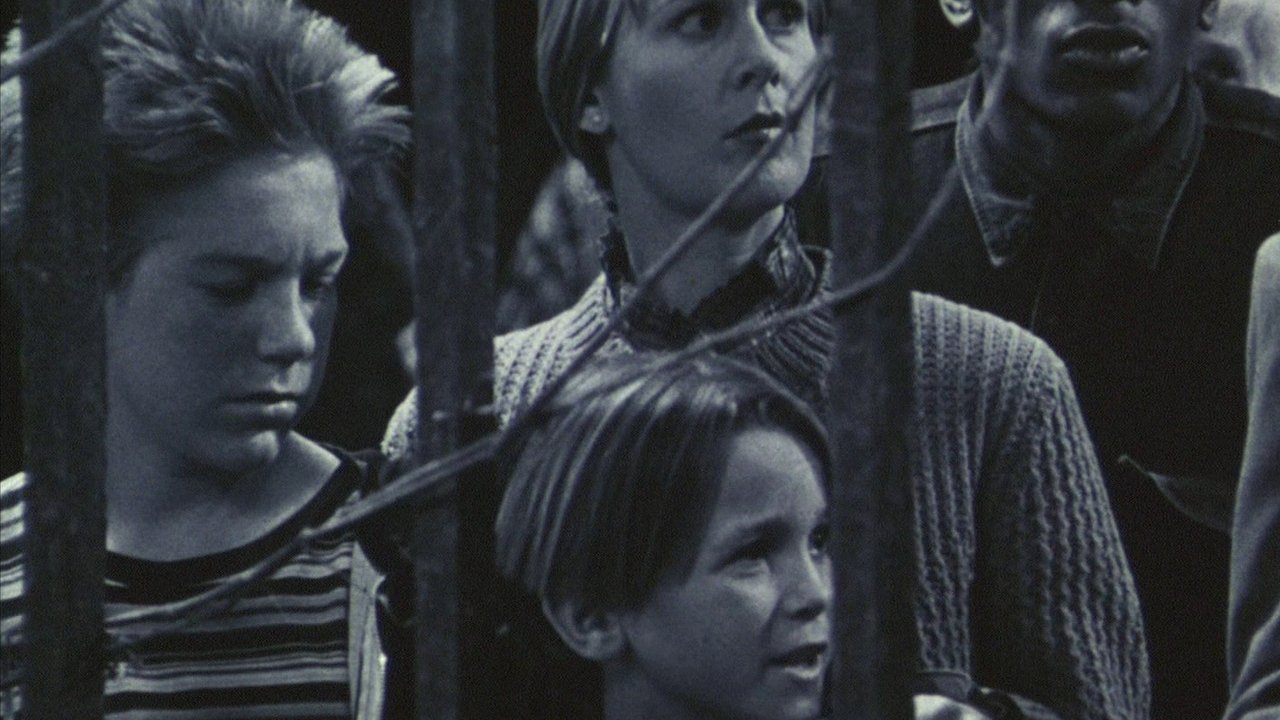
Remember that face-peeling moment? Spoiler Alert! When the Maestro, challenged to prove he isn't scary, literally pulls his skin off to reveal a dancing skeleton underneath, it was a jaw-dropper back in '97. The blend of CGI and practical puppetry used for the skeleton dance sequence, while perhaps showing its age slightly now, was groundbreaking. It possessed a weight and kinetic energy that pure CGI often struggles to replicate even today. Doesn't that sequence still hold a certain uncanny power? There's a legend that the core concept for Ghosts initially stemmed from a proposed collaboration for the Addams Family Values (1993) soundtrack that never materialized, eventually morphing into this standalone piece. You can almost see the thematic echoes.
A Curious Haunting
Jackson fully commits, playing not just the Maestro and the Mayor, but also a Ghoul Mayor, a Super Ghoul, and the Skeleton. It's a showcase, undeniably, allowing him to inhabit roles ranging from the victimized artist to the grotesque antagonist. The performance as the Maestro feels the most personal – lean, intense, conveying vulnerability beneath the otherworldly facade. It’s hard not to read the film as a direct response to the controversies surrounding Jackson at the time, a plea for understanding wrapped in a horror-fantasy shell.
The supporting cast, including Pat Dade and Amy Smallman, mostly serve as reactions to the central spectacle, embodying the fear and eventual reluctant awe of the townsfolk. The film's power lies less in nuanced character work and more in its atmospheric visuals and the sheer force of Jackson's performative energy fused with Winston's creature craft. I distinctly remember renting this massive, feature-length VHS tape, feeling like I was holding something substantial, something different from your average music video compilation. It demanded to be watched in a darkened room, the volume cranked up.
***
Ghosts remains a fascinating curio of the late 90s. It’s too long and narratively simple to be a perfect short film, yet too visually ambitious and thematically pointed to be dismissed as just an extended music video. It’s a gothic horror musical funhouse ride, powered by incredible practical effects and the unique star power of Michael Jackson exploring themes that clearly resonated deeply with him. Stan Winston's direction ensures the visuals are consistently striking, creating moments of genuine creepiness amidst the pop spectacle. It’s a testament to a time when practical effects wizards reigned supreme and music videos could command feature film budgets and ambition.
Rating: 7/10
Justification: While the story is somewhat basic and occasionally feels like a vanity project, the sheer technical artistry of Stan Winston's effects, the memorable musical sequences, Jackson's committed multi-role performance, and the overall unique, ambitious vision make Ghosts a compelling watch. It’s a significant artifact of late 90s pop culture maximalism and a showcase for practical effects mastery that earns its place in the VHS Heaven archives, even with its flaws.
Final Thought: More than just a collection of music videos, Ghosts is a strange, visually stunning, and utterly unique piece of horror-tinged pop history that still feels hauntingly excessive, a spectral echo from the twilight of the VHS era.