Okay, rewind your minds back to the mid-90s. The video store shelves were groaning under the weight of action flicks, but finding one that genuinely delivered the goods – the kind with real explosions and tangible danger – felt like striking gold. Slipping the Metro tape into the VCR, maybe after grabbing it from the ‘New Releases’ wall, promised exactly that kind of gritty, tangible thrill ride. And you know what? For the most part, it delivered.
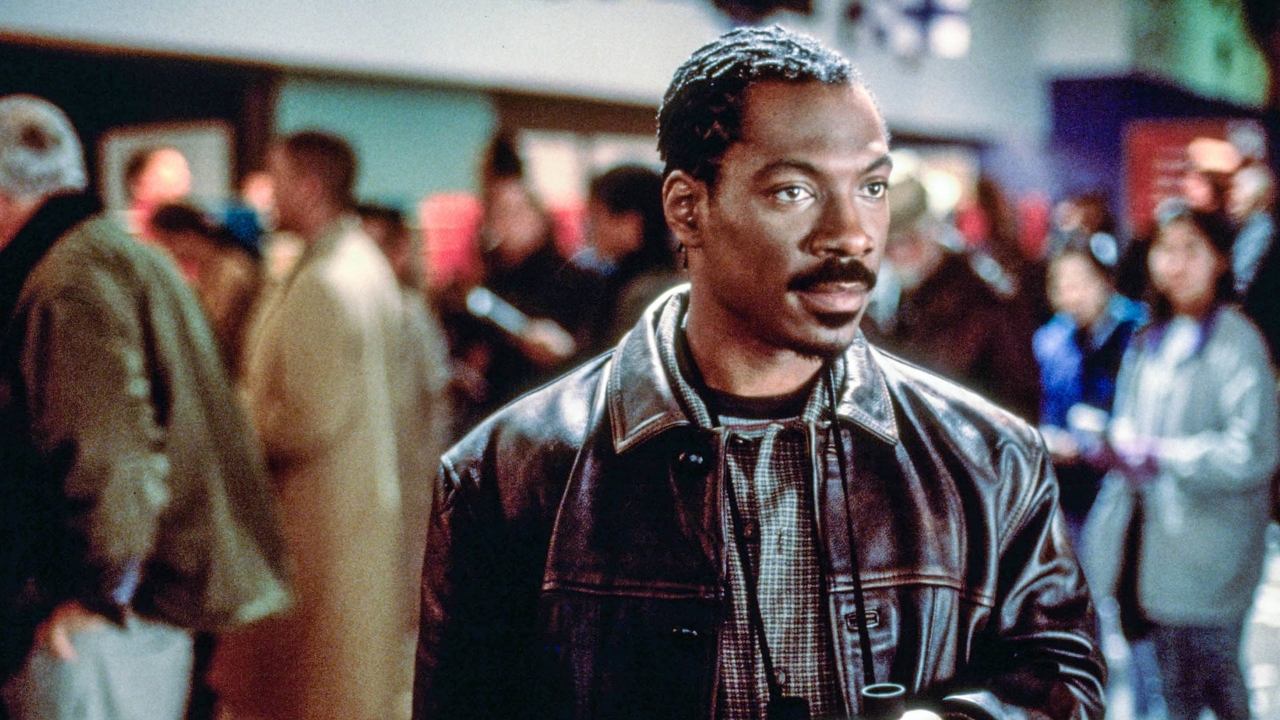
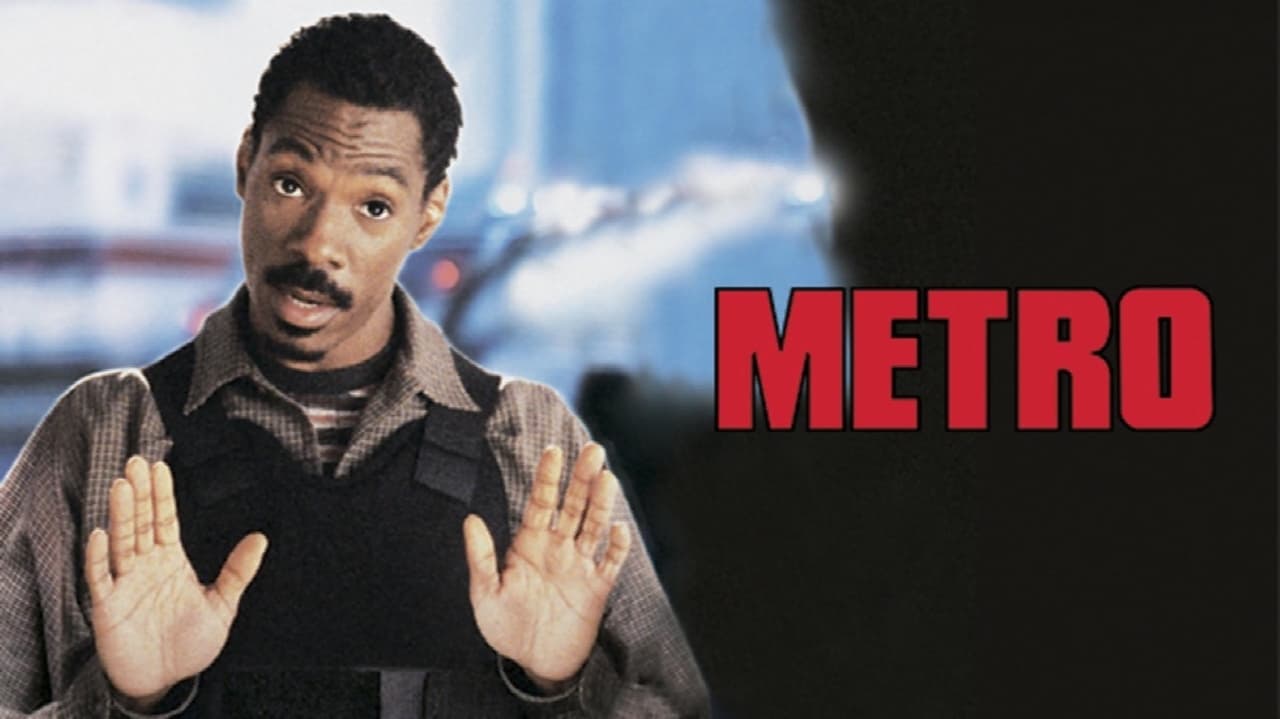
This wasn't quite the fast-talking, purely comedic Eddie Murphy of Beverly Hills Cop or Coming to America. Here, as SFPD hostage negotiator Scott Roper, Murphy aimed for something a bit tougher, a bit more world-weary, though the signature wisecracks definitely still pepper the script. It was part of that 90s trend where comedians dipped their toes into more serious action fare, and while Metro doesn't reinvent the wheel, it spins it with considerable force.
### San Francisco Mayhem, Practically Speaking
What truly sets Metro apart, especially when viewed through our retro lens, is its commitment to visceral, practical action sequences. Forget the weightless CGI chaos of today; this film feels grounded, dangerous. Director Thomas Carter, who honed his craft on gritty TV like Miami Vice before directing films like Swing Kids (1993), brings a certain muscularity to the proceedings. The foot chases feel frantic, the shootouts have a satisfyingly loud bang, and the stakes feel genuinely high.
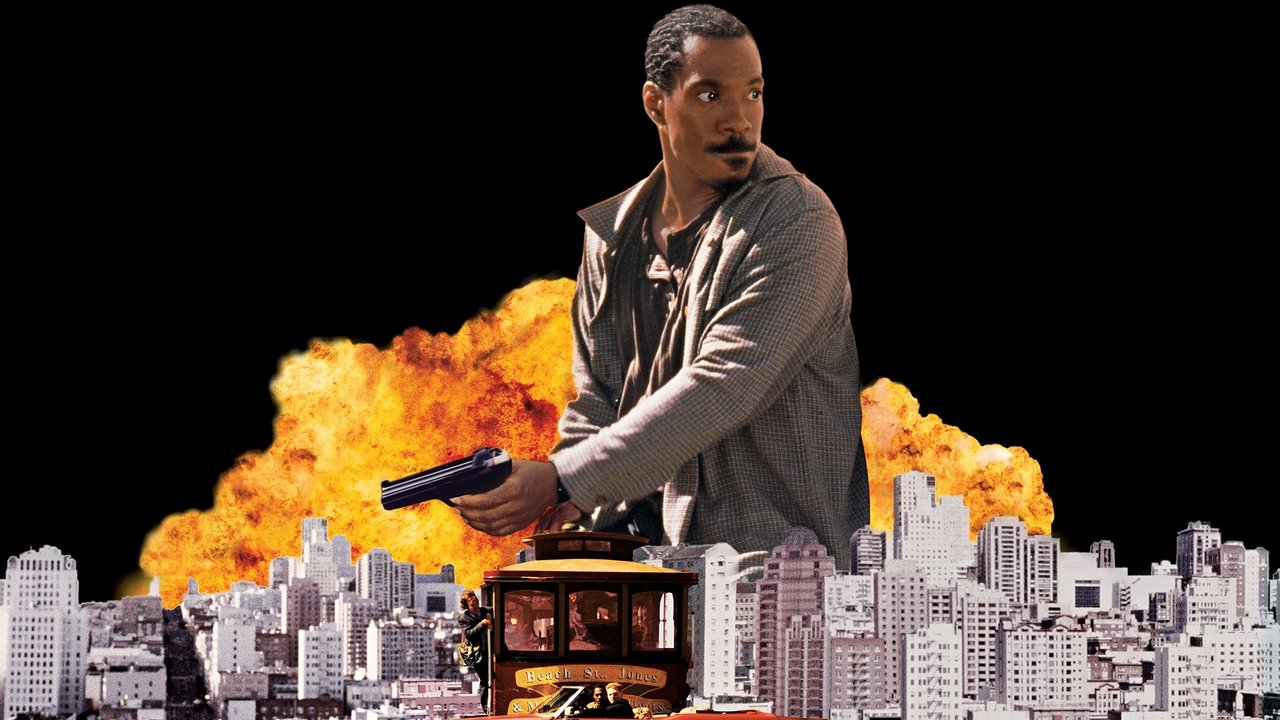
And then there's that scene. You know the one. The absolutely insane runaway cable car sequence. Remember how jaw-dropping that felt back then? Watching it now, knowing the sheer logistical nightmare and physical risk involved in staging something like that practically, is almost more impressive. Reportedly, the sequence involved full-sized, functional cable cars careening down actual San Francisco hills (specifically California Street), custom-built chase vehicles, and incredibly precise stunt driving. They even built a specialised low-slung camera car nicknamed the "Go Mobile" just to capture the dynamic shots. While some miniature work was inevitably used for the biggest crashes, the bulk of what you see is terrifyingly real, a symphony of screeching metal and shattered glass that digital effects still struggle to replicate the weight of. It's pure, uncut 90s action filmmaking.
### The Chill of Korda
An action movie is often only as good as its villain, and Metro struck gold with Michael Wincott as Michael Korda. Fresh off memorable turns in films like The Crow (1994) and Strange Days (1995), Wincott brings an unsettling blend of cold intelligence and psychotic brutality to the role. His gravelly voice and intense stare make Korda a genuinely frightening antagonist, a jewel thief who treats murder as merely a cost of doing business. He’s not just a generic bad guy; he feels like a legitimate threat, raising the tension every time he appears on screen. There's a story that Wincott stayed intensely in character on set, adding to the palpable menace he projected. His clashes with Murphy, both verbal and physical, form the backbone of the film's conflict.
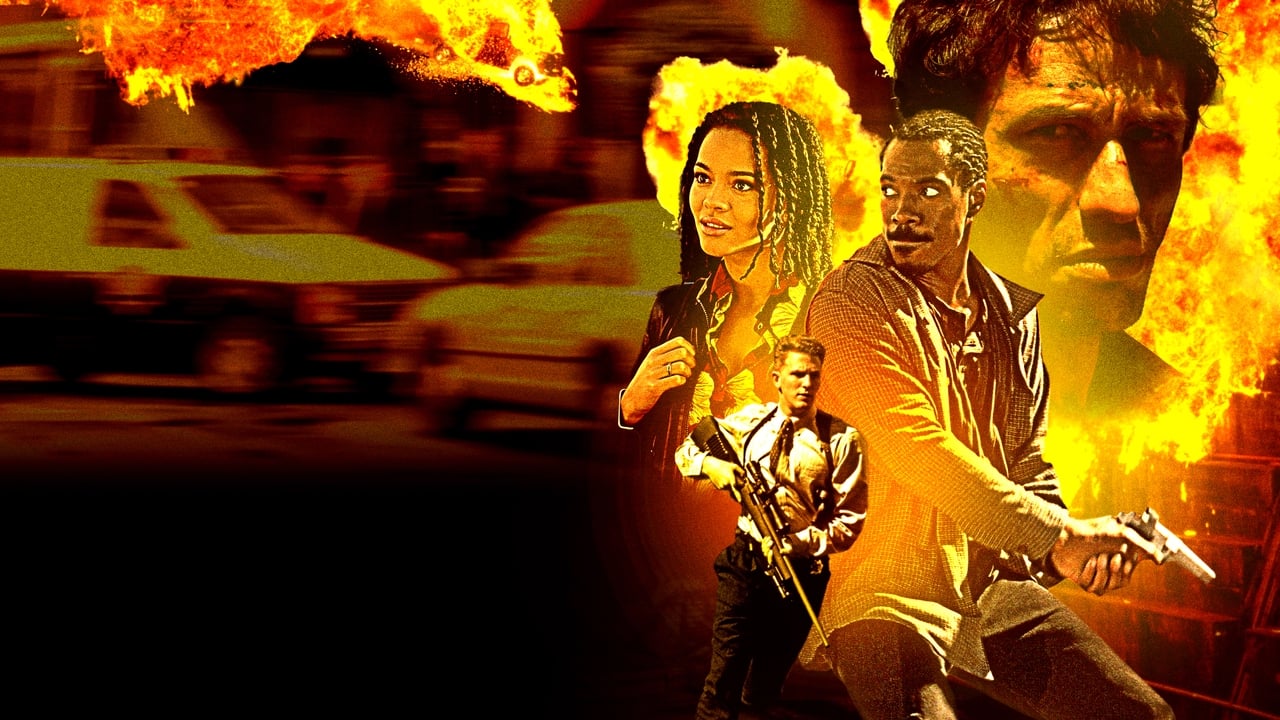
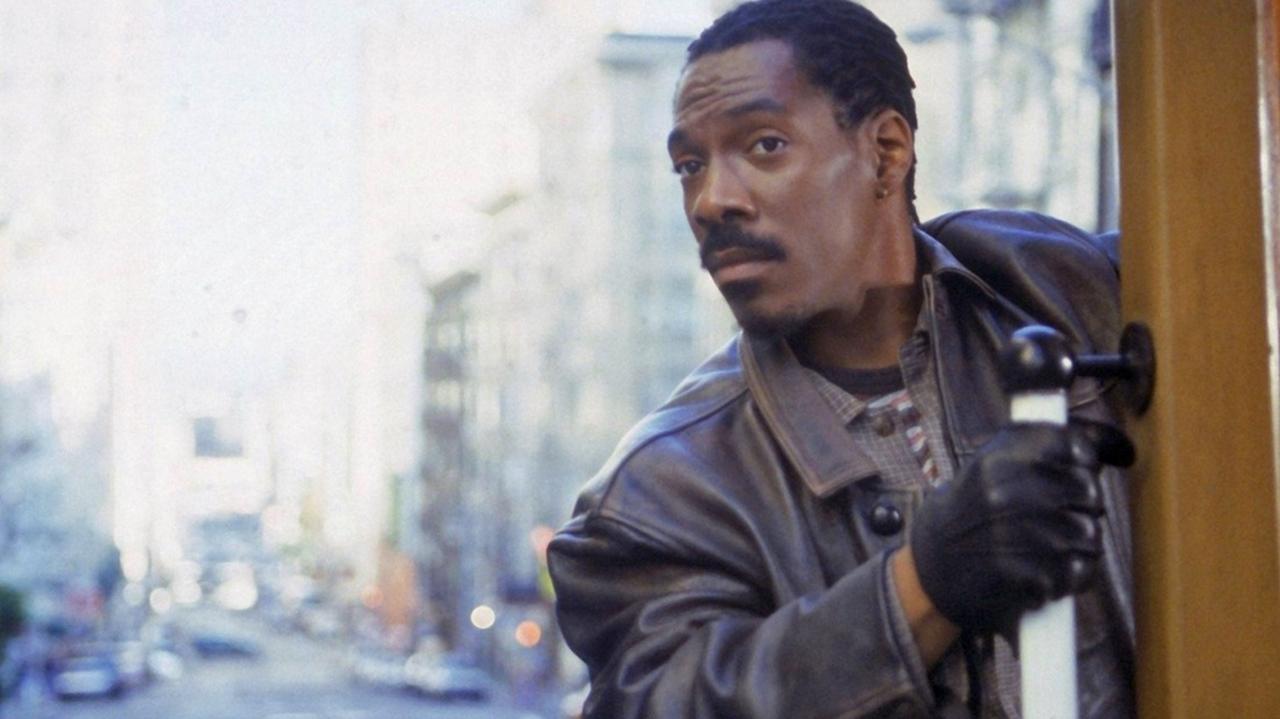
Michael Rapaport steps in as Roper's partner, Kevin McCall, providing the more overtly comedic foil and the audience's point-of-view into Roper's unconventional methods. Their banter feels authentic, capturing that classic buddy-cop dynamic that was a staple of the era. Rapaport, already known for roles in films like True Romance (1993), holds his own against Murphy's star power, creating a believable partnership.
### More Than Just a Paycheck?
Despite the solid action and memorable villain, Metro didn't exactly set the box office on fire. Made for a fairly hefty $55 million (around $105 million today!), it pulled in about $43 million worldwide. Critics were mixed, often seeing it as a competent but somewhat formulaic entry in Murphy's filmography. It arrived after his massive hits but before his later career resurgence with animated films. Perhaps it was seen as another star vehicle, but watching it now, it feels like a well-oiled machine firing on most cylinders, even if the plot – negotiator gets personally entangled with a ruthless criminal he put away – doesn't break new ground. The San Francisco locations are used beautifully, giving the film a distinct sense of place beyond just generic city streets. The script, by Randy Feldman (who also penned Tango & Cash – another slice of late 80s action!), hits the expected beats but does so with energy.
Was it Murphy's finest hour? Probably not. Is it a forgotten gem of 90s action? Absolutely. It captures that specific blend of star power, high-stakes practical stunt work, and a genuinely menacing villain that defined so many enjoyable nights in front of the CRT glow. The film knows exactly what it is and leans into its strengths.
VHS Heaven Rating: 7/10
Justification: Metro earns a solid 7 for delivering genuinely thrilling practical action sequences (especially the standout cable car chase), featuring a truly memorable villain performance from Michael Wincott, and showcasing Eddie Murphy in a capable, if familiar, action-hero mode. The Murphy/Rapaport dynamic works well. It loses points for a somewhat predictable plot and not quite reaching the iconic status of Murphy's best work, but it's a highly entertaining example of mid-90s action filmmaking that holds up surprisingly well.
Final Thought: For a pure shot of 90s action adrenaline, complete with screeching tires, shattering glass, and a villain who’ll make your skin crawl – all captured with that tangible, pre-CGI weight – Metro is a ride still worth taking. Just brace yourself for that cable car.