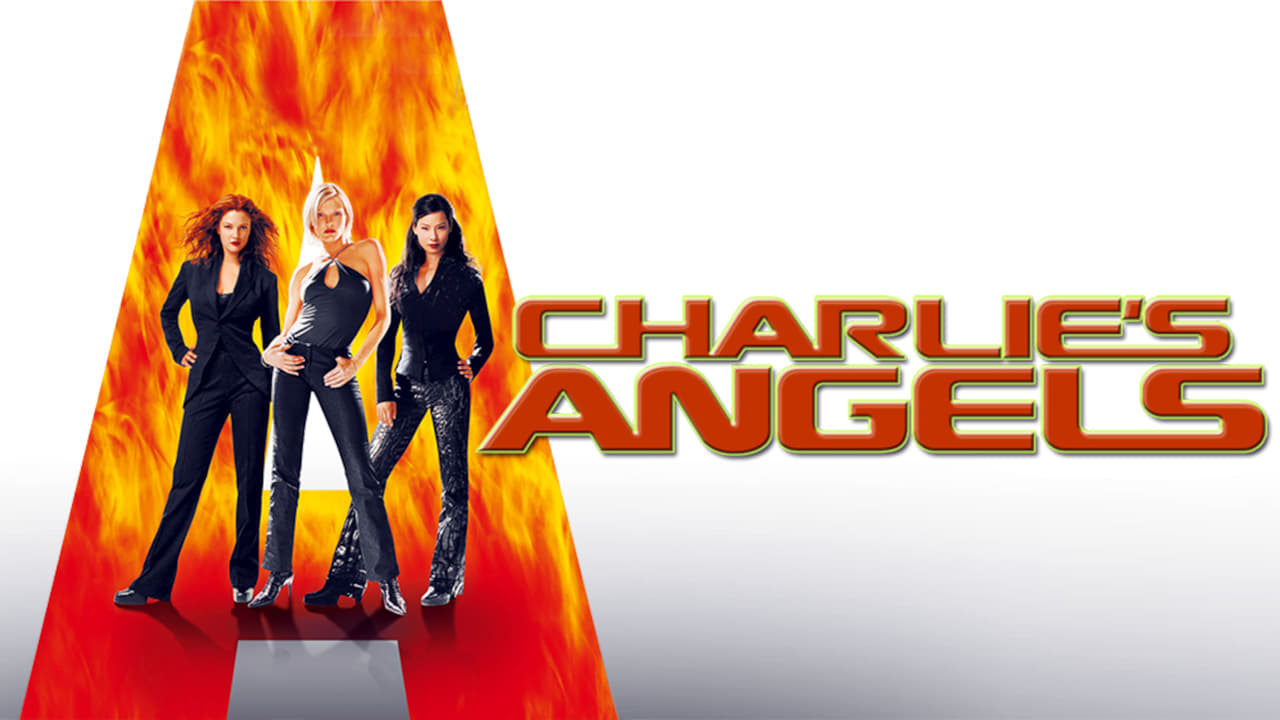
Alright, fellow tapeheads, slide that worn copy of Charlie's Angels (or maybe the shiny new DVD you eventually upgraded to) into the VCR of your mind. Forget gritty realism for a second. Cast your mind back to Y2K – a time brimming with questionable fashion choices, dial-up internet woes, and a specific brand of pop-infused optimism that bled right onto the silver screen. This wasn't your parents' Charlie's Angels. Oh no. This was a hyper-stylized, high-octane reboot, kicking and flipping its way into the new millennium with a confident, almost blindingly bright, swagger.
### Good Morning, Angels! (And Hello, Y2K)
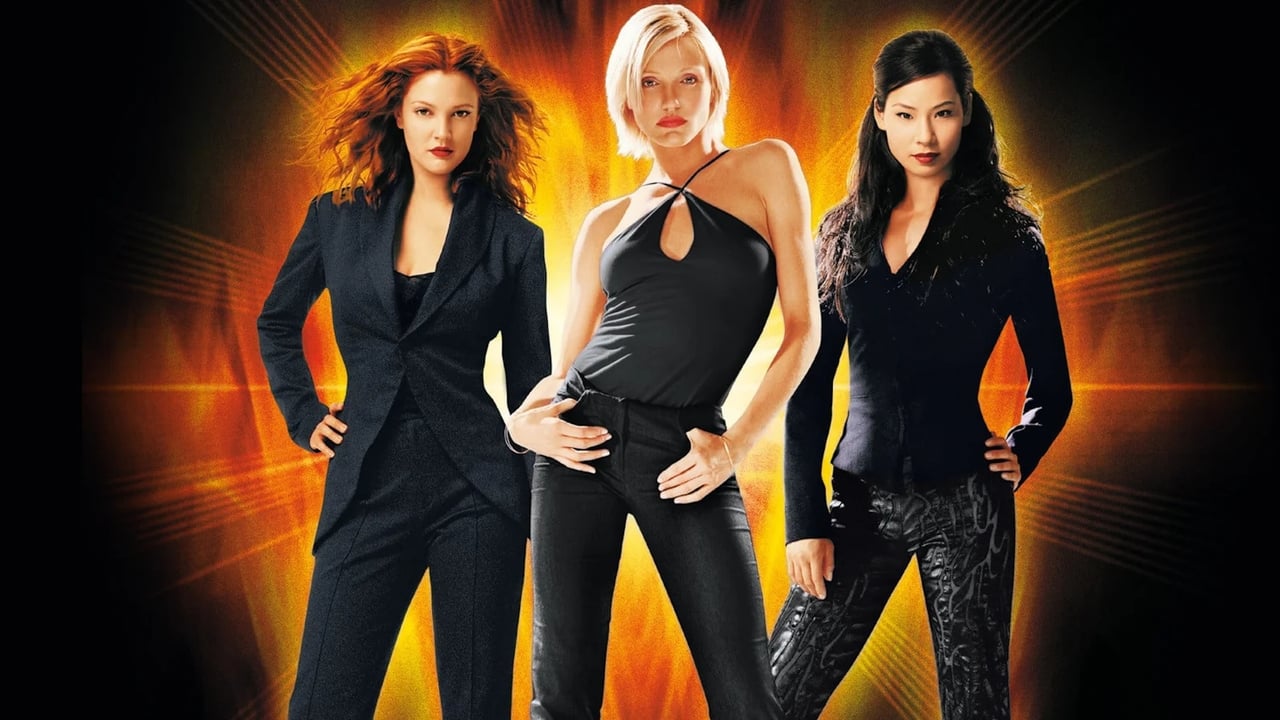
Stepping into the iconic silhouettes were three actresses perfectly cast for maximum millennial appeal: the effervescent Cameron Diaz as Natalie Cook, the powerhouse Drew Barrymore as Dylan Sanders, and the coolly formidable Lucy Liu as Alex Munday. Their chemistry is immediate and infectious, a whirlwind of playful banter, supportive camaraderie, and impeccably coordinated outfits. Forget the subtle undercover work of the 70s series; these Angels announced their presence with backflips off walls and explosions timed to a killer soundtrack. It's worth remembering this wasn't just another studio assignment for Barrymore; she was a driving force behind the project as a producer through her company Flower Films, passionately championing the film into existence. That passion shines through, giving the film a genuine spark despite its often ludicrous plot involving stolen voice-identification software and a revenge scheme.
### Action Sequences: Balletic Mayhem
Now, let's talk action. This wasn't the raw, bone-crunching stunt work of 80s classics like Lethal Weapon or Die Hard. The year 2000 brought with it the pervasive influence of The Matrix (1999), and Charlie's Angels fully embraced the wire-fu aesthetic. Director McG, making his feature film debut after a successful career directing music videos for bands like Korn and Sugar Ray, brought that slick, quick-cut sensibility to every frame. The action here is less about believable physics and more about kinetic energy and visual flair. Remember that alley fight where the Angels take down a small army of thugs with impossible grace? Or Natalie's dance sequence turning into an impromptu martial arts display? McG hired the legendary Hong Kong action choreographer Cheung-Yan Yuen (yes, the genius behind The Matrix's groundbreaking fights) to orchestrate the mayhem, resulting in sequences that felt incredibly fresh and dynamic at the time. Sure, some of the wire work and early CGI might look a bit obvious now compared to today's seamless digital integration, but back then? It felt revolutionary, a sugar rush of perfectly timed kicks, flips, and slow-motion hair tosses. There was still a physicality to it, even enhanced – these performers were clearly putting in the work.
### Style Over Substance? Absolutely, and Gloriously So.
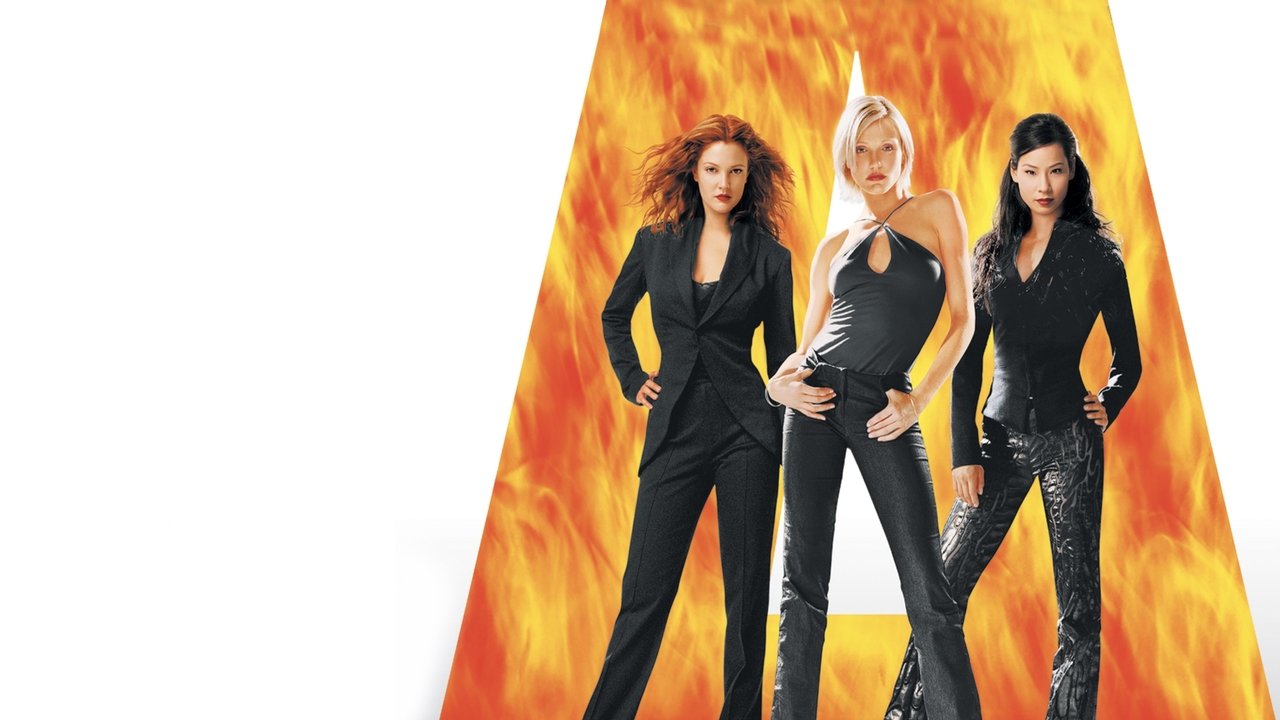
Let's be honest, nobody was watching Charlie's Angels for intricate plotting or deep character studies. This movie is pure, unadulterated style. The costumes are a Y2K time capsule, the sets are vibrant and glossy, and the soundtrack? An absolute banger, featuring Destiny's Child's iconic "Independent Women Part I" which became synonymous with the film itself. It captured a specific cultural moment, a feeling of confident, unapologetic fun. It wasn't afraid to be silly, embracing outlandish disguises and over-the-top scenarios with a wink. The supporting cast adds to the fun, particularly Bill Murray's dry wit as Bosley (though behind-the-scenes tales suggest some on-set friction, particularly between Murray and Liu, adding a layer of Hollywood lore) and a fantastically creepy Crispin Glover as the Thin Man, delivering menace without uttering many words. And who could forget Sam Rockwell, clearly having a blast as the eccentric tech mogul Eric Knox? Hearing the voice of John Forsythe reprise his role as the unseen Charlie provided that perfect bridge to the original series, grounding the new iteration just enough.

### A Popcorn Phenomenon
Upon release, Charlie's Angels was a significant hit, defying some initial skepticism about rebooting the beloved TV show. Made for around $93 million, it raked in over $264 million worldwide, proving there was a massive audience for its brand of female-led action-comedy. Critics were somewhat divided, with some praising its energy and style while others found it shallow. But audiences, particularly younger ones, embraced it wholeheartedly. It felt new, even if its plot mechanics were familiar. It spawned a sequel, Charlie's Angels: Full Throttle (2003), which amped everything up further, perhaps to diminishing returns for some, but cemented the franchise's place in early 2000s pop culture. Watching it today offers a fascinating glimpse back – the technology seems ancient, the fashion is delightfully dated, but the sheer energy remains remarkably potent.
Rating: 7/10
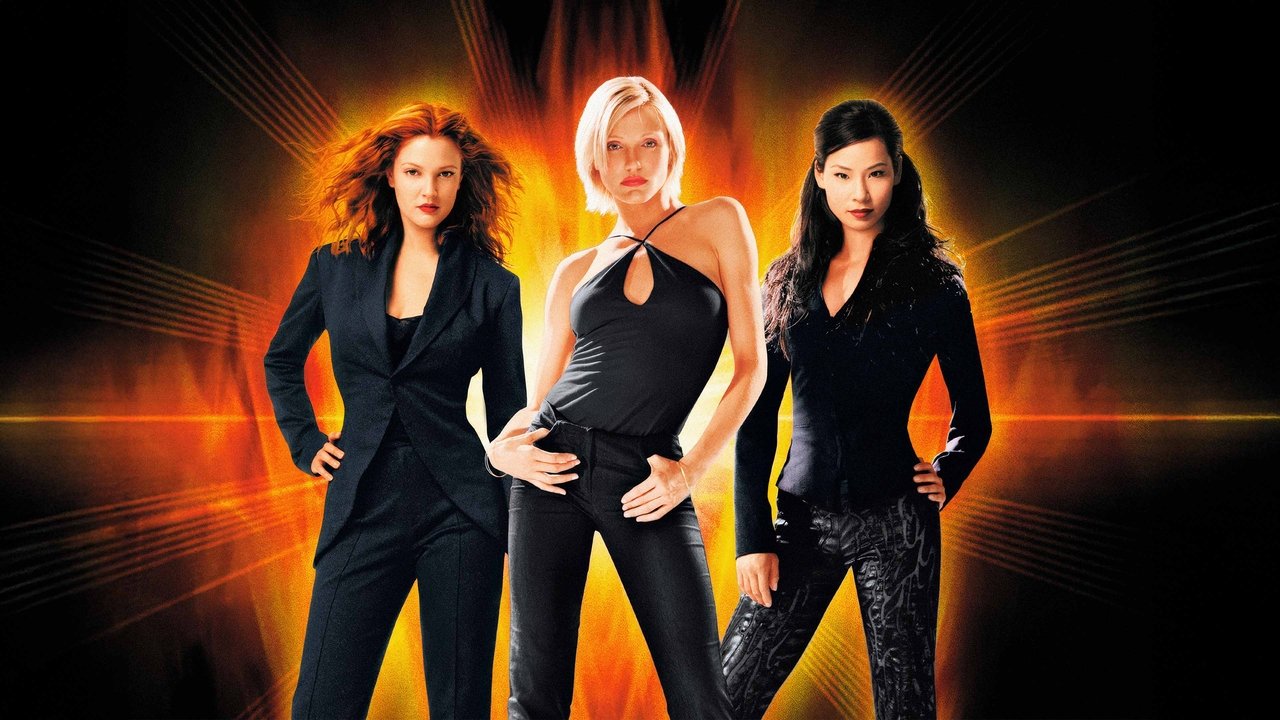
The score reflects a film that absolutely nails its target: delivering stylish, high-energy, fun entertainment. It’s not high art, the plot is wafer-thin, and some effects show their age, but the charisma of the leads, the kinetic action direction, and the sheer Y2K vibe make it incredibly watchable. It achieves exactly what it sets out to do with infectious enthusiasm.
Final Thought: A fizzy, fluoro-coloured cocktail of turn-of-the-millennium optimism, wire-fu wizardry, and unapologetic girl power. It might lack the gritty realism of earlier action fare, but pop this blast from the recent past in, and you're guaranteed a ridiculously fun ride back to a time when action movies decided to just dance.