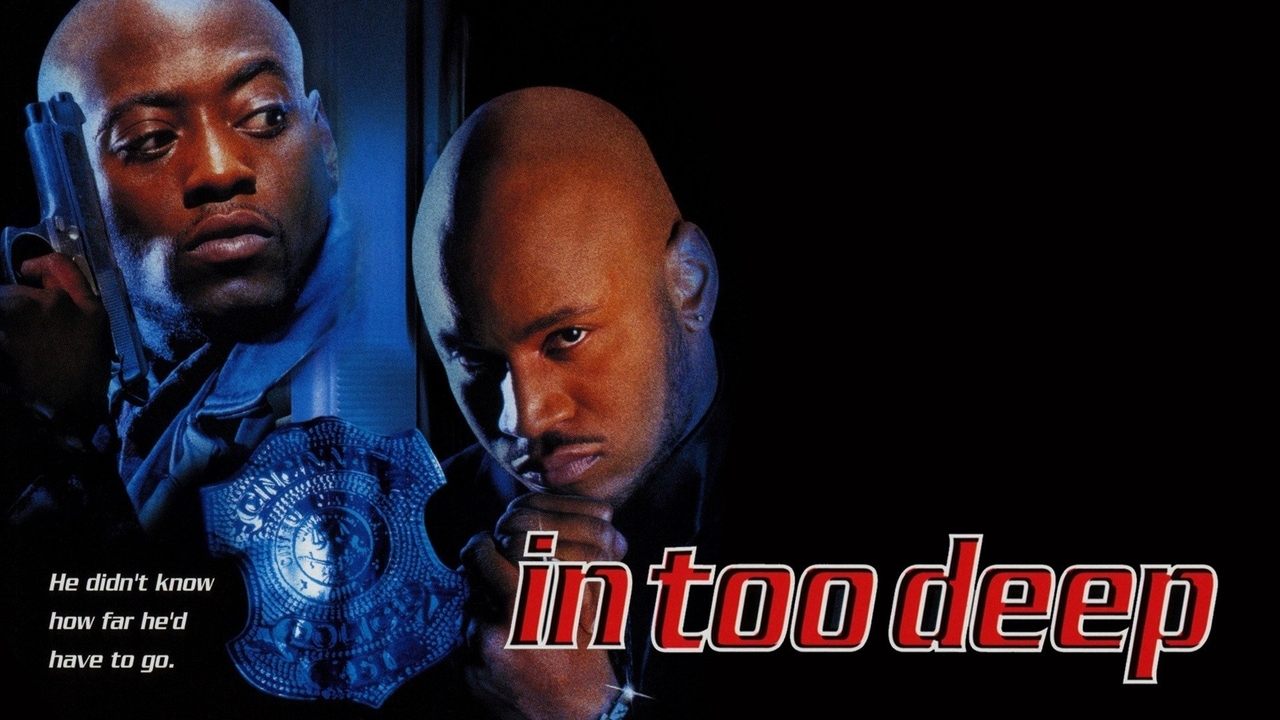
The city swallows you whole. Not with monsters or ghosts, but with concrete, desperation, and the eyes of men who've traded their souls for a piece of the street. 1999's In Too Deep plunges you headfirst into that abyss, capturing a specific kind of late-90s urban dread that felt chillingly real flickering on a CRT screen late at night. It wasn't just another cops-and-robbers flick; it was a descent, a slow burn of paranoia that asked how much of yourself you'd sacrifice before the darkness claimed you entirely.
### The Man Called God
At the dark heart of this concrete jungle stands Dwayne Gittens, played with terrifying conviction by LL Cool J. Known to his disciples and victims alike simply as "God," Gittens isn't your standard movie gangster. There's a cold charisma, a terrifying blend of neighbourhood benefactor and utterly ruthless predator. Forget the charming rapper; this was a transformation. LL Cool J reportedly dove deep into the role, maintaining a menacing intensity on set that genuinely unnerved some cast members. He crafts a villain who feels dangerously authentic, his calm pronouncements often more chilling than his sudden bursts of violence. Remember the casual way he'd order an execution? It wasn't theatrical; it was business, and that made him truly frightening. He embodies the seductive power and ultimate emptiness of the empire he built, ruling his Cincinnati turf (standing in effectively for a grittier, less-seen New York) with absolute authority.
### Walking the Razor's Edge
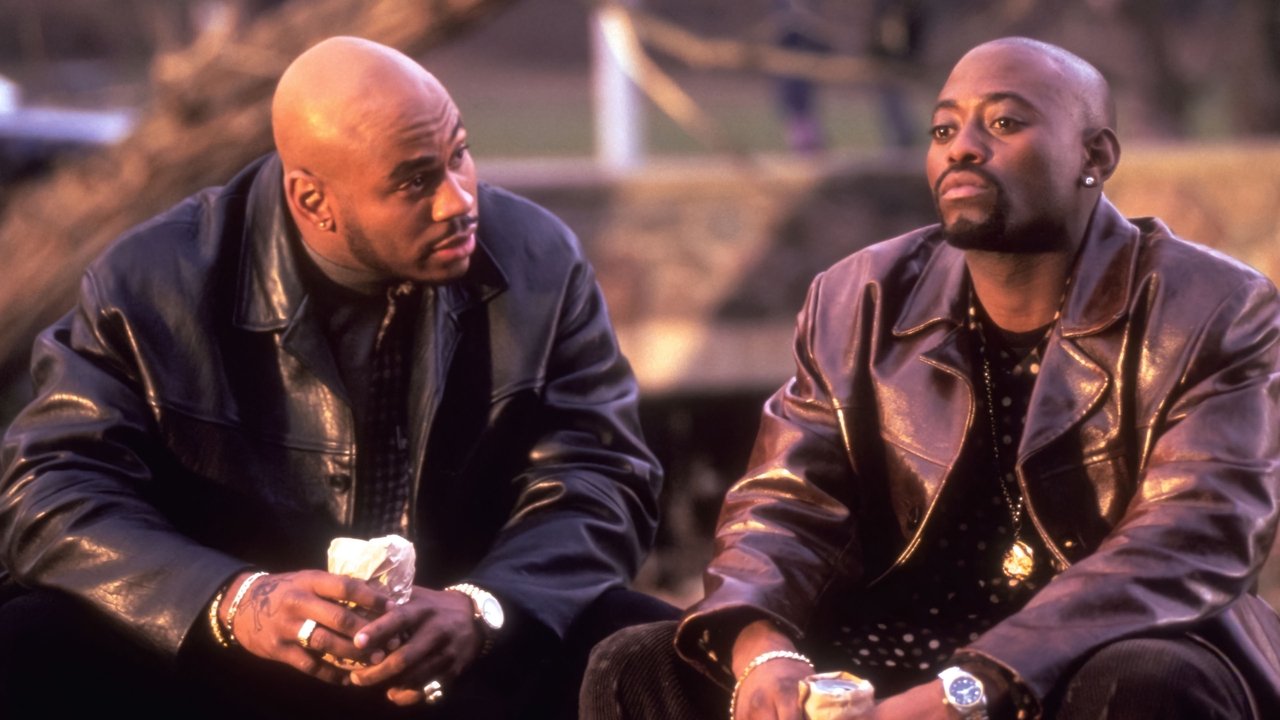
Caught in God's gravitational pull is rookie undercover detective Jeffrey Cole, portrayed by Omar Epps. Fresh out of the academy, Cole takes the assignment to infiltrate Gittens' operation, adopting the persona of J. Reid. Epps masterfully conveys the psychological tightrope walk. We see the initial confidence slowly erode, replaced by fear, paranoia, and the terrifying allure of the life he's meant to be destroying. The film excels at depicting the gradual blurring of lines – the genuine respect, even affection, that can grow between hunter and hunted, the way the adrenaline and power of the streets can become addictive. It's a theme explored in films like Deep Cover (1992) and Donnie Brasco (1997), but In Too Deep brings its own suffocating intensity, thanks largely to Epps' tightly wound performance. You feel his isolation, the constant threat of exposure hanging over every interaction. The story itself drew loose inspiration from the real-life experiences of undercover officers, adding a layer of grim plausibility to Cole's harrowing journey.
### Cincinnati Noir
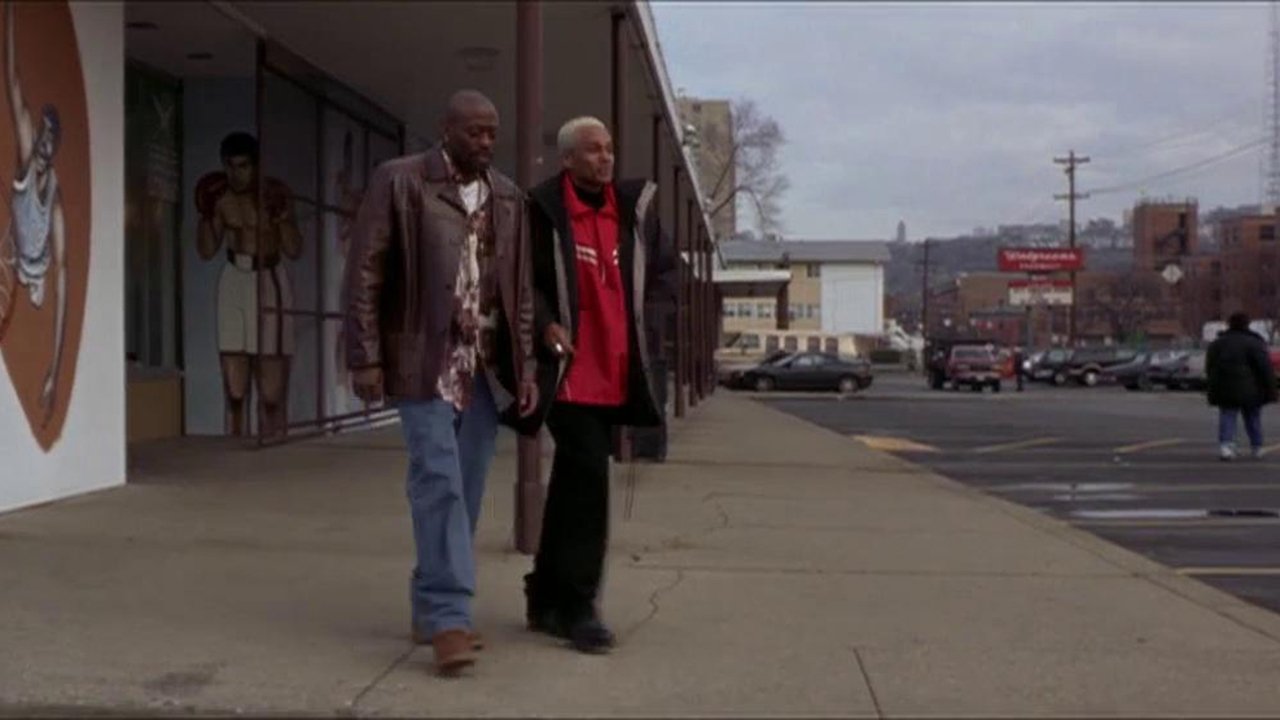
Director Michael Rymer, who would later bring a similar gritty realism to the acclaimed Battlestar Galactica reboot, crafts a world devoid of glamour. This isn't the stylish underworld of Miami Vice; it's bleak, functional, and dangerous. The cinematography favours shadows and claustrophobic interiors, emphasizing Cole's isolation and the ever-present threat. The score underscores the tension effectively, avoiding bombast for a more insidious, creeping dread. The film doesn't shy away from the brutality of this world, earning its R-rating with sequences that feel visceral and disturbing even now. There’s a grounded feel to the production – filmed largely on location in Cincinnati and Toronto, it avoids familiar landmarks, creating a more anonymous, universal urban decay. This wasn't a blockbuster – made for around $20 million, it pulled in a modest $24 million at the box office – but its power wasn't in spectacle, but in its suffocating atmosphere.
### The Cost of Immersion
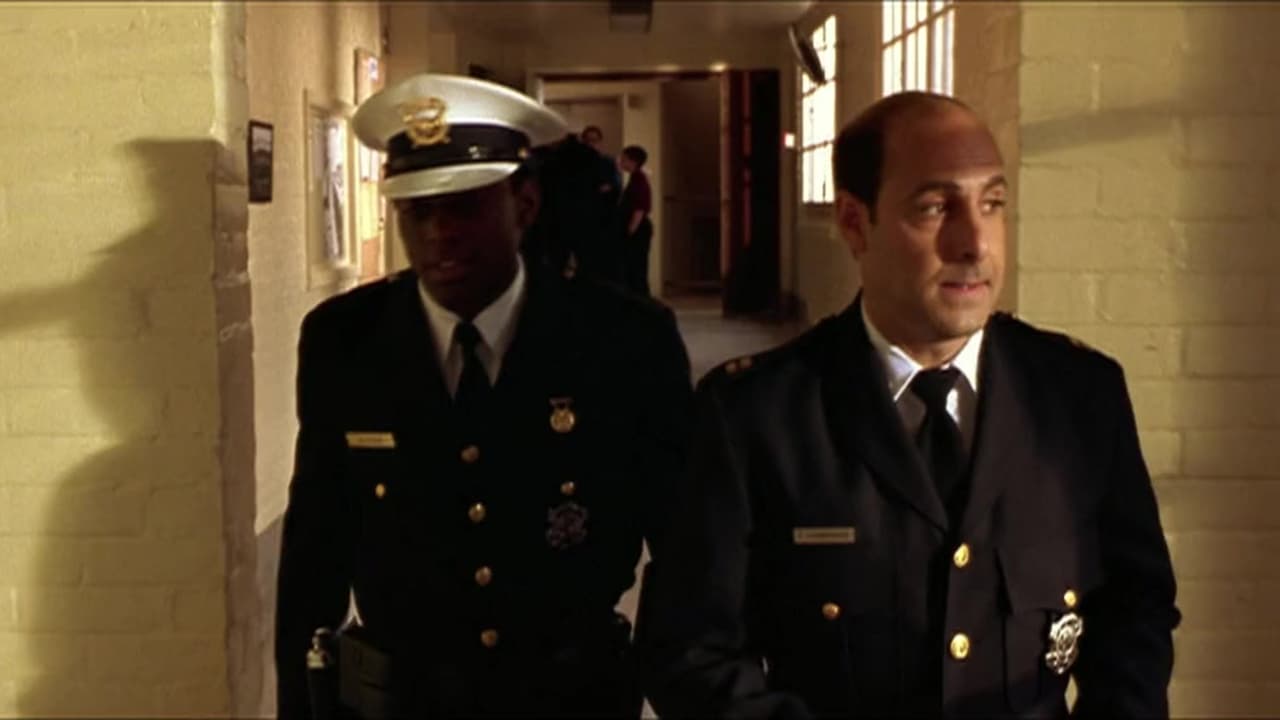
Supporting players like Nia Long as Cole's worried connection to his old life, and Stanley Tucci as his conflicted handler, add depth, but the film lives and dies on the dynamic between Epps and LL Cool J. While some critics at the time pointed to familiar undercover tropes, the execution elevates the material. The tension isn't just about whether Cole will get caught; it's about whether he'll lose himself completely. Did that moment where God tests his loyalty genuinely make your stomach drop back then? It still resonates. The film unflinchingly portrays the psychological toll – the nightmares, the paranoia, the difficulty readjusting to normalcy. It wasn't just about catching the bad guy; it was about surviving the journey with your soul intact.
### Final Verdict
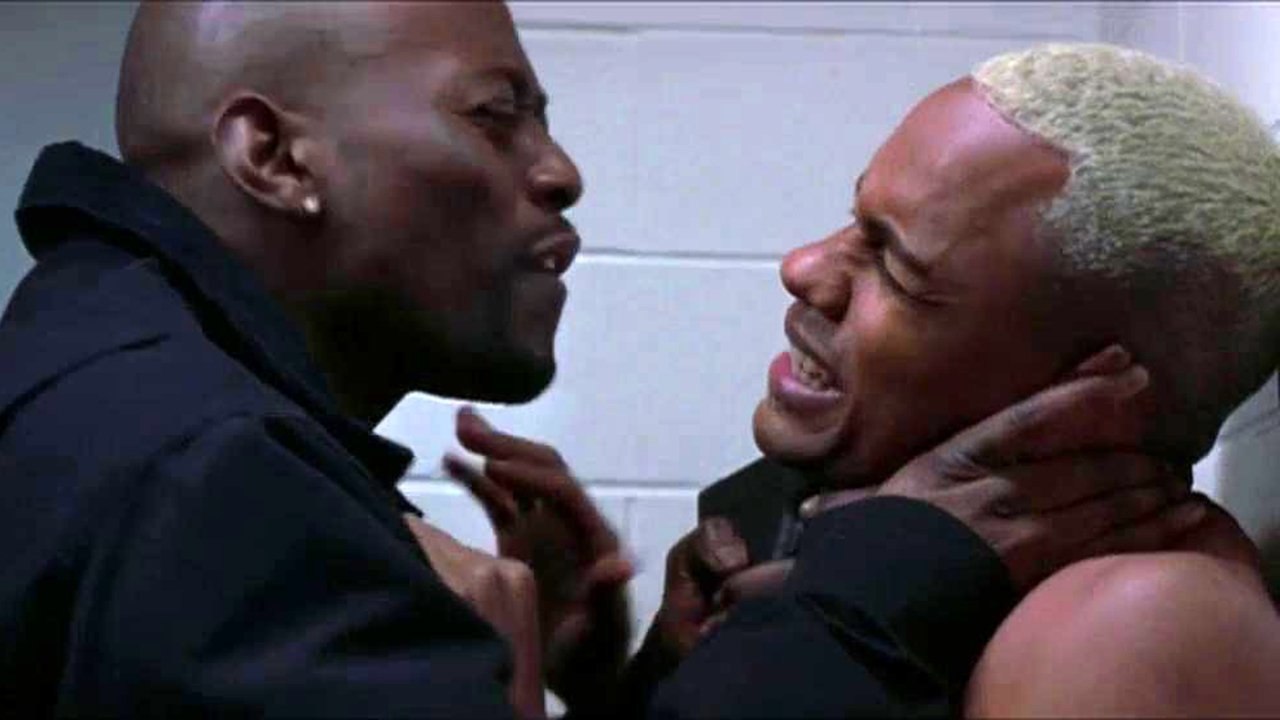
In Too Deep might tread familiar ground within the undercover cop genre, but it does so with exceptional performances and a palpable sense of dread. Omar Epps delivers a career-highlight performance, perfectly capturing the strain of a man losing his identity, while LL Cool J crafts an unforgettable, terrifying villain. It’s a gritty, intense thriller that effectively uses its grounded setting and Michael Rymer’s taut direction to create a suffocating atmosphere. While maybe not a revolutionary story, its execution is powerful and its core conflict remains compelling.
Rating: 7.5/10
It stands as a potent example of late-90s crime drama, less concerned with heroic shootouts and more focused on the grim realities and psychological corrosion of life lived on the edge. It's a film that reminds you that sometimes, the deepest dangers aren't from bullets, but from staring too long into the abyss.