It often begins with a disruption, doesn't it? A life neatly arranged, perhaps even stagnant, suddenly thrown off course by news from afar. In Ferzan Özpetek's quietly captivating directorial debut, Steam: The Turkish Bath (or Hamam, 1997), that disruption arrives for Francesco (Alessandro Gassmann), a successful but unfulfilled Italian architect, in the form of an inheritance: a derelict hamam (Turkish bath) in the heart of Istanbul, bequeathed by a long-lost aunt he barely knew. What starts as a quick trip to sell the property becomes something far more profound – a slow, sensual immersion into a world utterly alien, yet strangely resonant.

### An Inheritance of Atmosphere
Forget frantic pacing or explosive action; Steam operates on a different frequency. This isn't a film you simply watch; it's one you feel, absorb through the pores like the titular steam itself. Özpetek, who would go on to explore themes of cultural displacement, chosen families, and hidden desires in films like His Secret Life (Le Fate Ignoranti) and Facing Windows (La Finestra di Fronte), establishes his distinct voice immediately. Istanbul isn't just a backdrop; it's a living entity. We experience Francesco's initial disorientation – the vibrant chaos of the streets, the unfamiliar language, the imposing beauty of the ancient city – alongside him. The hamam, initially a decaying burden, slowly reveals itself as a place of connection, history, and potential rebirth. The cinematography by Pasquale Mari captures the textures beautifully – the worn tiles, the play of light through the domed ceilings, the shimmering heat haze. It's a film that understands the power of place to transform the individual.
### Shedding Skin, Finding Self
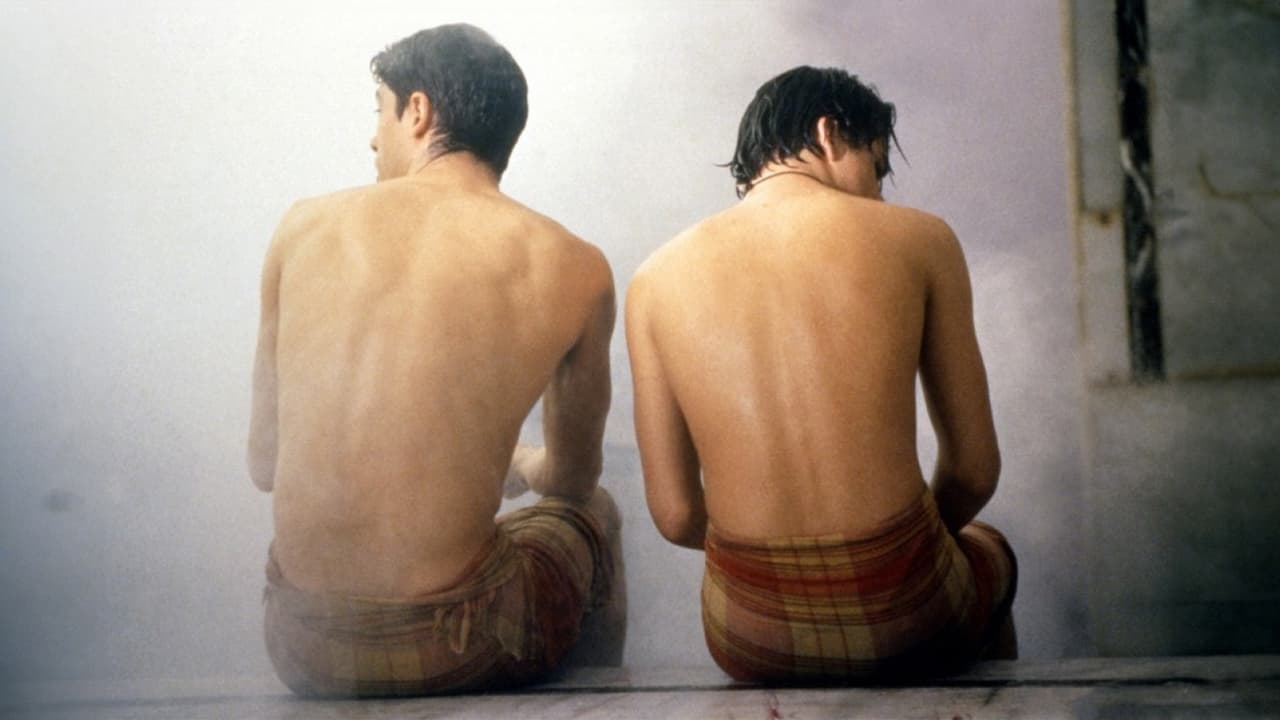
Alessandro Gassmann, son of the legendary Vittorio Gassmann, delivers a wonderfully internalized performance as Francesco. We see the rigidity of his Roman life – the strained relationship with his wife Marta (Francesca d'Aloja), the predictable routine – gradually melt away. Initially focused solely on the pragmatic task of selling, he finds himself drawn into the rhythm of the hamam and the lives of the family managing it, particularly the gentle caretaker Osman (Carlo Cecchi) and his charismatic son, Mehmet (Halil Ergün). Gassmann portrays Francesco's awakening not through grand pronouncements, but through subtle shifts in posture, expression, and a growing ease within his own skin. It's a journey of shedding not just clothes in the heat of the bathhouse, but the layers of societal expectation and personal repression he carried from Italy. His burgeoning, tender relationship with Mehmet feels organic, a discovery rather than a decision, handled with a sensitivity that was still relatively rare in mainstream European cinema of the mid-90s.
### When Worlds Collide
The arrival of Marta throws the narrative into sharper relief. Francesca d'Aloja expertly conveys Marta’s confusion, frustration, and eventual dawning awareness of the changes in her husband. She represents the life Francesco left behind, the world that no longer quite fits him. Her presence forces a confrontation, not just between husband and wife, but between Francesco's past and his newly embraced present. The film navigates these complex emotional dynamics with maturity, avoiding easy answers or villains. It's a story about the sometimes painful, sometimes liberating process of realizing that the person you were is no longer the person you are becoming.

### Retro Fun Facts: Özpetek's Arrival
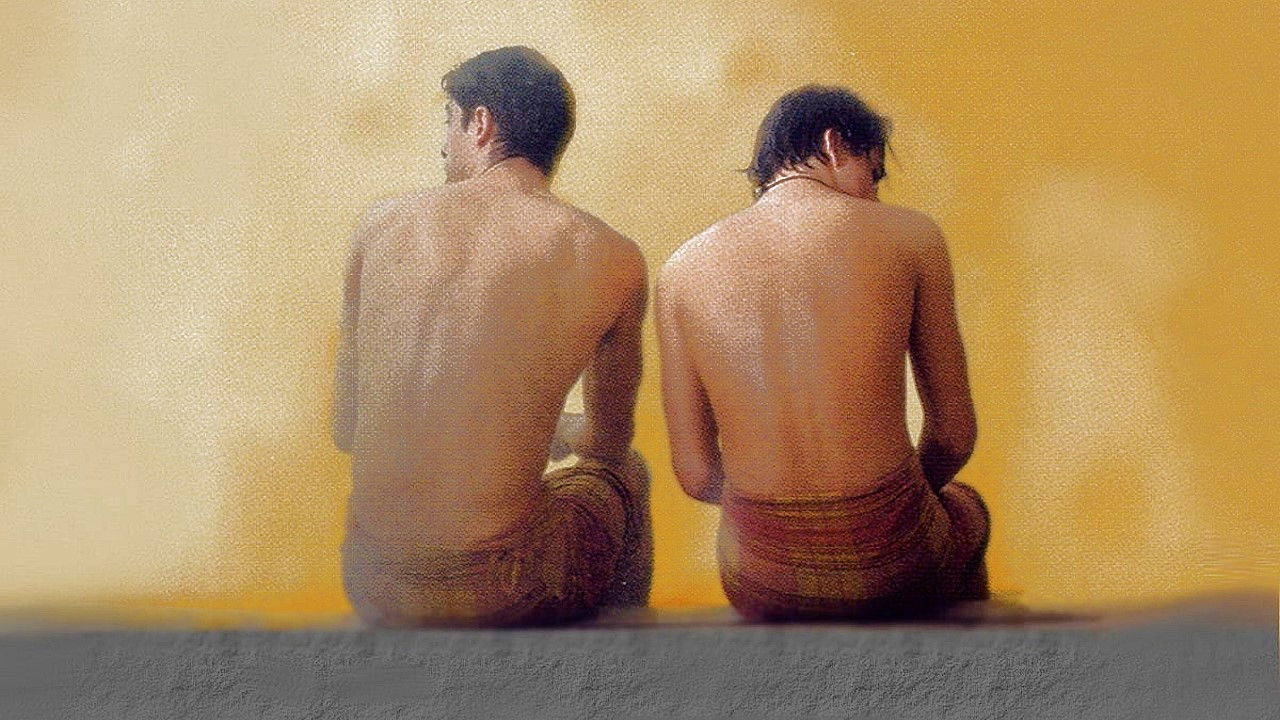
Steam wasn't just a compelling story; it marked the arrival of a significant directorial talent. Ferzan Özpetek, a Turkish-Italian filmmaker, drew heavily on his own cross-cultural experiences.
- Debut Impact: This was Özpetek's first feature film, and it immediately garnered critical acclaim, screening in the prestigious Directors' Fortnight section at the 1997 Cannes Film Festival. It announced his recurring thematic interests that would define his later work.
- On Location: Filming primarily on location in Istanbul added immense authenticity but likely presented logistical challenges typical of shooting in bustling, historic city centers. The hamam itself becomes a central character, imbued with history and atmosphere.
- Cultural Bridge: As an Italian-Turkish-Spanish co-production, the film itself embodied a cultural bridge, reflecting the story's themes. It found appreciative audiences internationally, particularly within the arthouse circuit and LGBTQ+ film festivals. While not a massive blockbuster (precise budget/box office figures are hard to pin down for such co-productions, but it was undoubtedly modest), its cultural impact far outweighed its commercial footprint.
- Sensitive Storytelling: Tackling LGBTQ+ themes with nuance and sensuality, rather than explicit sensationalism, was noteworthy for its time. While perhaps less shocking today, in 1997, portraying this awakening with such gentle naturalism felt quietly revolutionary and likely navigated careful territory regarding potential censorship or conservative backlash in some markets.
### Lingering Heat

Steam: The Turkish Bath isn't a film that shouts; it whispers, invites, and envelops. It explores the profound impact of stepping outside one's comfort zone, the allure of the unfamiliar, and the quiet liberation found in accepting one's true desires. The pacing is deliberate, allowing the atmosphere and internal transformations to breathe. Some might find it slow, but patience is rewarded with a deeply felt human story. The ending carries a poignant weight, reminding us that transformation often comes with unforeseen consequences, leaving a lingering sense of melancholy mixed with the warmth of discovery. It’s the kind of film you might have stumbled upon in the 'World Cinema' aisle of a particularly well-stocked video store back in the day – a quiet gem offering a different kind of cinematic experience, one that stays with you long after the credits roll.
Rating: 8/10 - A beautifully observed, sensually directed debut feature anchored by a superb central performance. Its deliberate pace allows for a deep immersion into atmosphere and character, exploring themes of self-discovery and cultural encounter with grace and sensitivity. The justification lies in its masterful creation of mood, Özpetek's assured direction for a first feature, Gassmann's compelling transformation, and its thoughtful handling of complex emotional and cultural themes.
What lingers most is the palpable sense of place and the quiet power of unspoken connections, reminding us that sometimes the most significant journeys are the internal ones, sparked by the most unexpected circumstances.