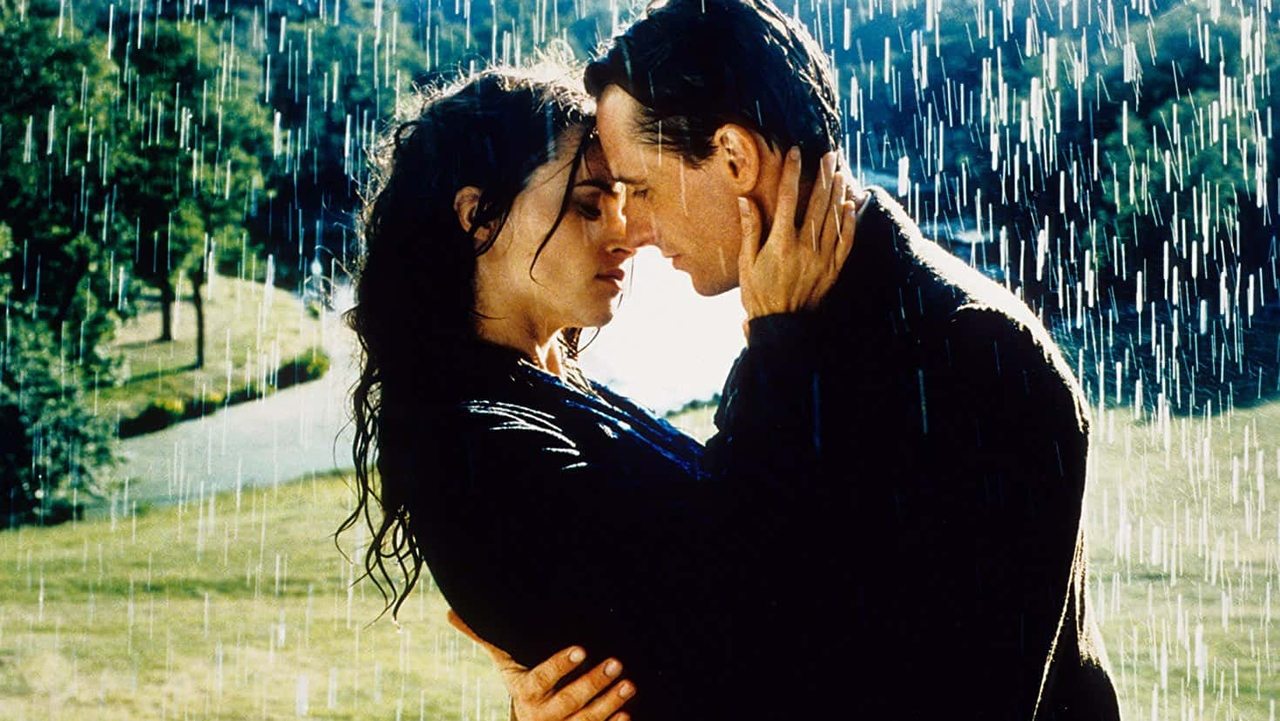
It starts with a secret, doesn't it? A clandestine kiss on a crowded Tube platform, a stolen moment heavy with the constraints of class and propriety. That image from Iain Softley's 1997 adaptation of The Wings of the Dove lingers long after the credits roll – a perfect visual metaphor for the tangled web of desire, ambition, and moral compromise that lies at the heart of this devastatingly beautiful film. Watching it again recently, decades after first finding it on a Blockbuster shelf amongst louder, brasher contemporaries, its power feels undiminished, perhaps even amplified by time.
A Gilded Cage of Expectations
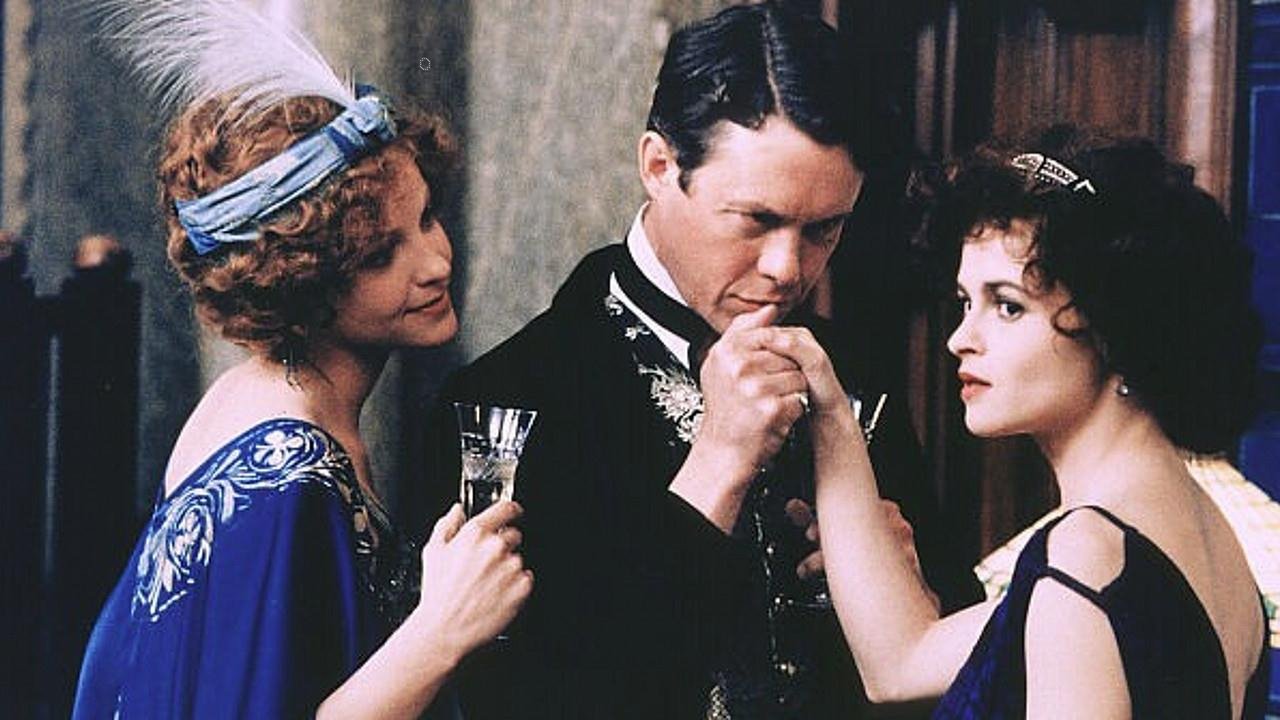
We're drawn into the world of Kate Croy, portrayed with fierce intelligence and simmering frustration by Helena Bonham Carter. It's London, 1910, and Kate is trapped. Blessed with beauty and spirit but burdened by a disgraced father and reliant on the calculating charity of her wealthy Aunt Maude (Charlotte Rampling, radiating icy control), her only path to security seems to lie in a suitable marriage. The problem? She's secretly, passionately in love with Merton Densher (Linus Roache), a penniless but principled journalist – a match utterly unacceptable to her aunt and society. Carter, already establishing herself as a queen of period drama after A Room with a View and Howards End, perfectly captures Kate's desperation, the sharp mind constantly calculating odds against a heart yearning for the impossible. You see the conflict warring behind her eyes in every scene.
An Unlikely Friendship, A Terrible Bargain
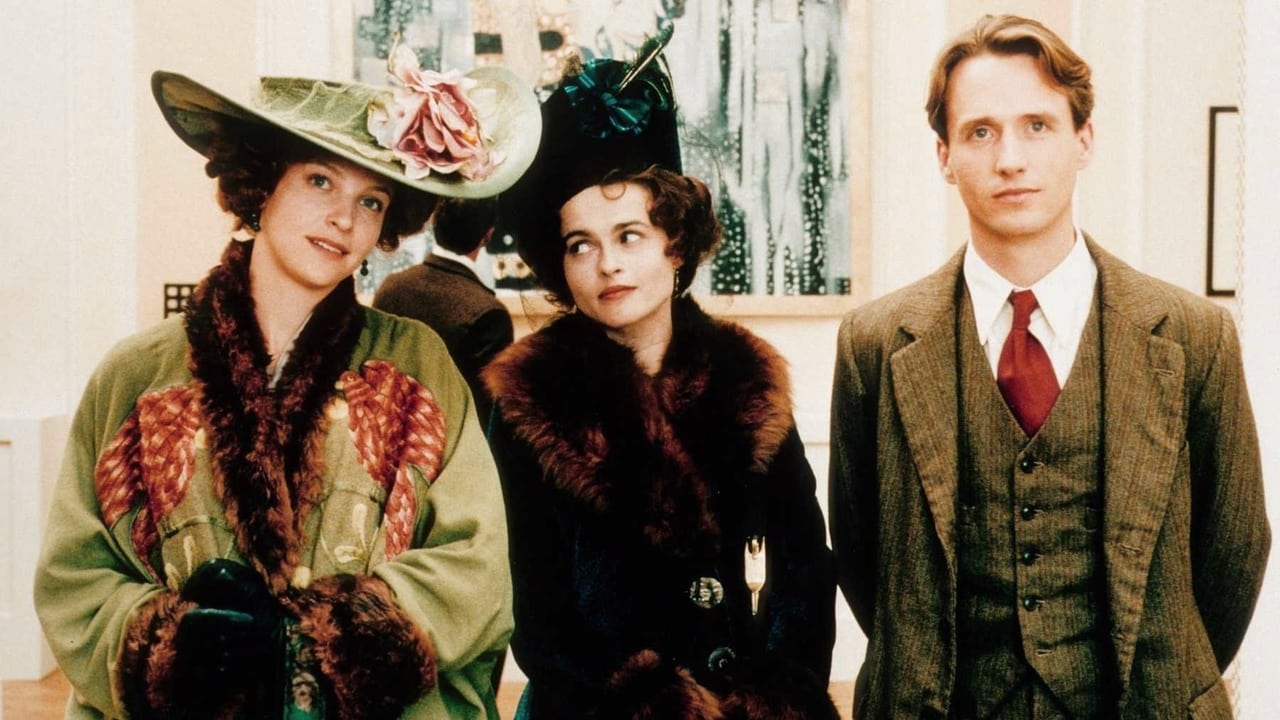
Into this precarious situation drifts Millie Theale (Alison Elliott), a vibrant, impossibly wealthy American heiress touring Europe. She’s radiant, open-hearted, and tragically, terminally ill. Kate and Millie form a genuine, touching friendship, yet even this connection becomes tainted by Kate's circumstances. Seeing an opportunity – a monstrous, ethically fraught opportunity – Kate concocts a plan: Merton should pursue Millie, secure her affection (and potentially her fortune upon her death), allowing Kate and Merton to eventually be together, financially secure. It's a scheme born of desperation, fuelled by the suffocating social pressures of the time, and it sets in motion a chain of events that will irrevocably alter all their lives. Does the desperation justify the means? The film forces us to sit with that uncomfortable question.
Performances That Pierce the Veil
The success of The Wings of the Dove hinges on its central trio, and they are uniformly superb. Helena Bonham Carter earned a well-deserved Oscar nomination for her Kate, a woman whose understandable desires curdle into morally reprehensible actions. She never lets us entirely condemn Kate, always revealing the vulnerability beneath the calculation. Alison Elliott, in what remains arguably her most significant role, is luminous as Millie. She embodies an almost ethereal goodness and vitality, making her illness and the deception she faces all the more heartbreaking. Her chemistry with Linus Roache feels authentic, making the unfolding tragedy even more potent. Roache, perhaps less known to international audiences at the time (though familiar to UK viewers from TV work), is excellent as the conflicted Merton, caught between his love for Kate, his growing affection for Millie, and his own moral compass, which twists and turns under pressure. His quiet anguish is palpable.
Crafting Beauty from Decay
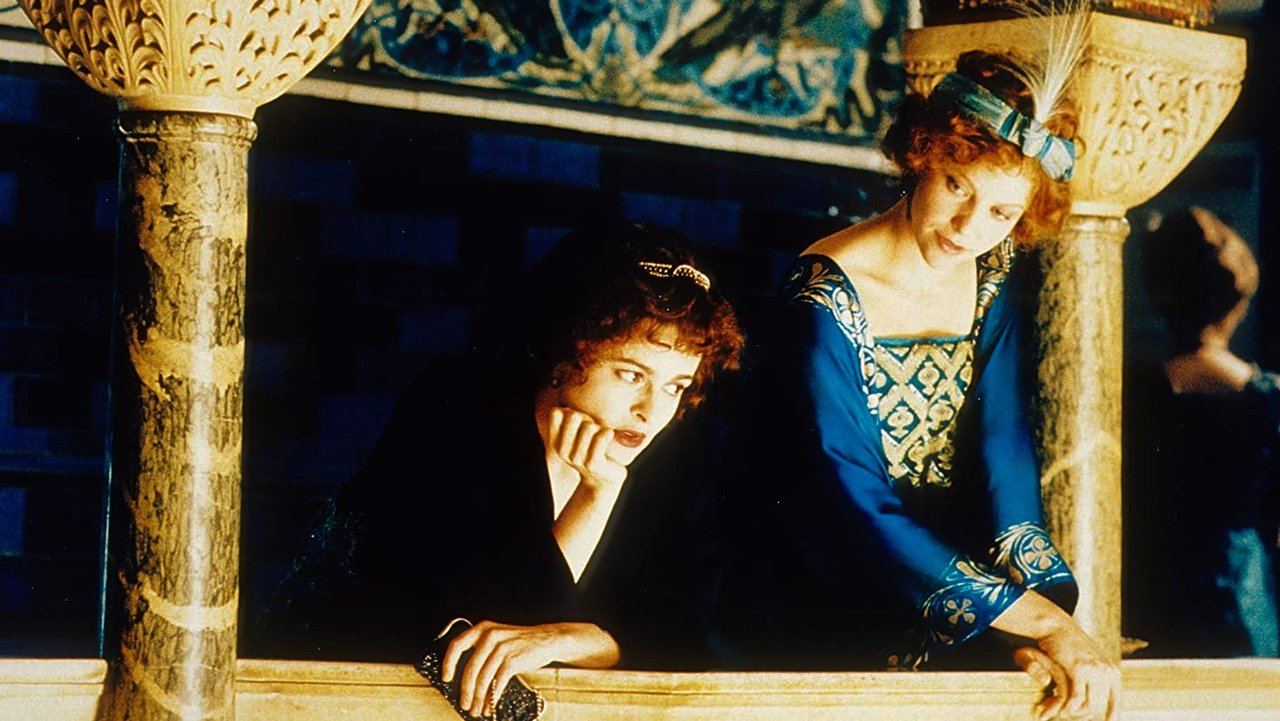
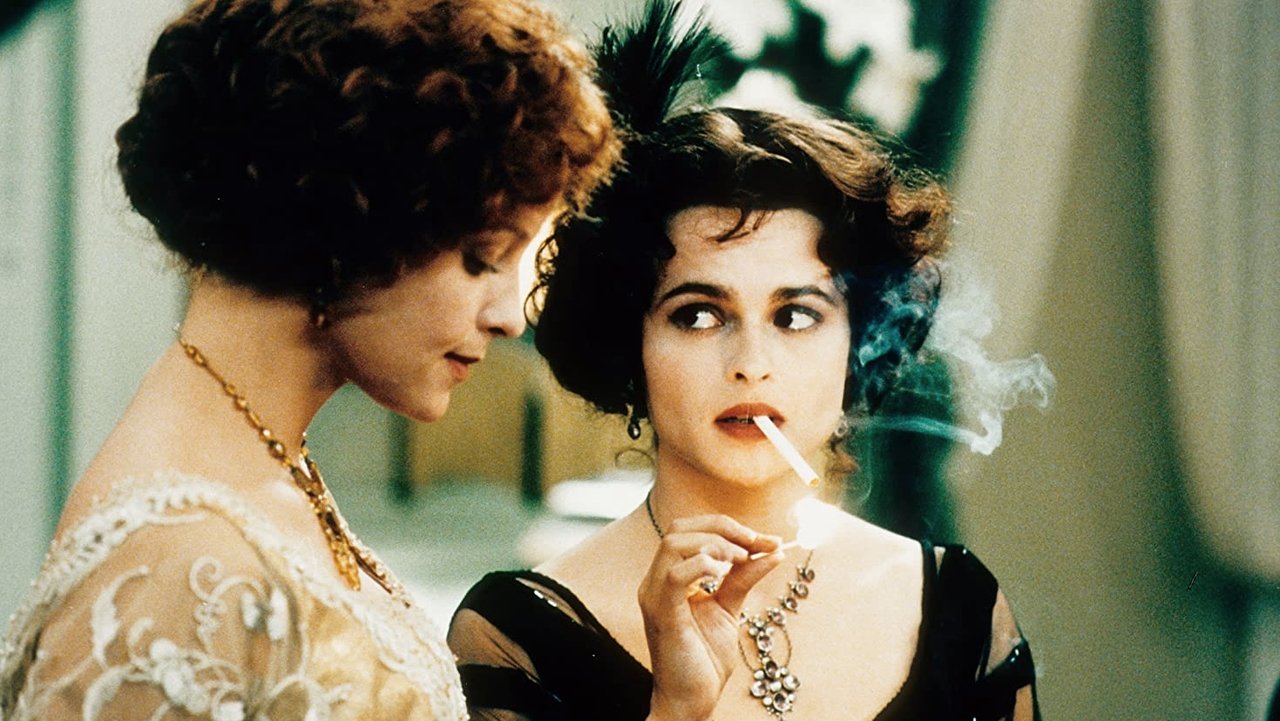
Director Iain Softley, interestingly coming off the very different, stylistically vibrant Hackers (1995), demonstrates remarkable versatility here. He and cinematographer Eduardo Serra (who also received an Oscar nod) create a visual language that contrasts the stifling formality of London society with the intoxicating, decaying beauty of Venice, where much of the later action unfolds. The Venetian scenes are particularly memorable – gondolas gliding through hazy canals, opulent palazzos masking hidden sorrows. It’s a city that feels both romantic and melancholic, a perfect backdrop for the characters' entangled fates. Funnily enough, Softley reportedly secured the directing job partly by sending the producers postcards from Venice while on holiday, outlining his vision scene by scene! The production wasn't without challenges; shooting in Venice is notoriously complex and expensive, requiring careful logistical planning to capture that unique atmosphere without disrupting the city.
Adding immeasurably to the film's texture are the Oscar-nominated costumes by the legendary Sandy Powell. They aren't just clothes; they're statements about class, character, and constraint, meticulously researched and exquisitely realized.
From Page to Screen: A Haunting Adaptation
Adapting Henry James is no small feat; his dense prose and psychological nuance can be challenging to translate visually. Screenwriter Hossein Amini (also Oscar-nominated) does a masterful job, streamlining the narrative while retaining the novel's core themes and emotional weight. Some James purists might quibble with changes (the novel is even more focused on internal perspectives), but the film stands on its own as a powerful interpretation. It found critical favour upon release, garnering four Academy Award nominations in total (Actress, Screenplay, Cinematography, Costume Design), though its box office was modest – around $13.7 million domestically against a budget estimated near $15 million. It wasn't a blockbuster, but for those who sought out thoughtful, adult drama in the late 90s VHS era, it was a treasure. It felt like discovering something substantial, something that lingered.
The Weight of Choices
Ultimately, The Wings of the Dove is a profound meditation on the choices we make and their lasting consequences. It explores the insidious ways money, or the lack of it, can corrupt relationships and compromise integrity. What is the true cost of security? Can love survive profound betrayal? The film doesn't offer easy answers, leaving the viewer suspended in the same ambiguous emotional space as its characters. Watching Kate and Merton grapple with the fallout of their actions is deeply unsettling, a stark reminder of how easily good intentions can pave a path to ruin.
---
Rating: 9/10
Justification: This score reflects the film's exceptional craftsmanship across the board – masterful performances, particularly from Bonham Carter and Elliott; stunning cinematography and costume design that perfectly evoke the era and mood; and a sensitive, intelligent screenplay that successfully tackles challenging source material. Softley's direction balances visual beauty with thematic depth flawlessly. It's a complex, emotionally resonant period drama that excels in its portrayal of nuanced characters caught in an impossible situation. It only misses a perfect score perhaps due to the inherent constraints of adapting such a psychologically dense novel, where some inner turmoil inevitably remains unspoken.
Final Thought: The Wings of the Dove is a film that settles under your skin, a haunting reminder that sometimes the most beautiful surfaces conceal the deepest fractures, leaving you pondering the price of desire long after the screen fades to black.