Some films settle over you like a shroud, not necessarily offering comfort but demanding contemplation long after the VCR whirs to a stop. Michael Winterbottom's 1996 adaptation of Thomas Hardy's notoriously bleak novel, Jude the Obscure, simply titled Jude, is precisely that kind of film. It doesn't burst onto the screen with the vibrant escapism we often sought in 90s cinema; instead, it arrives with a quiet, almost brutal honesty about ambition, love, and the unforgiving social architecture of a bygone era. Seeing this stark cover art on the rental shelf, nestled perhaps between action blockbusters and romantic comedies, felt like finding a leather-bound classic amidst glossy magazines – intriguing, maybe a little intimidating, promising something substantial.
Aspiration Against the Grain
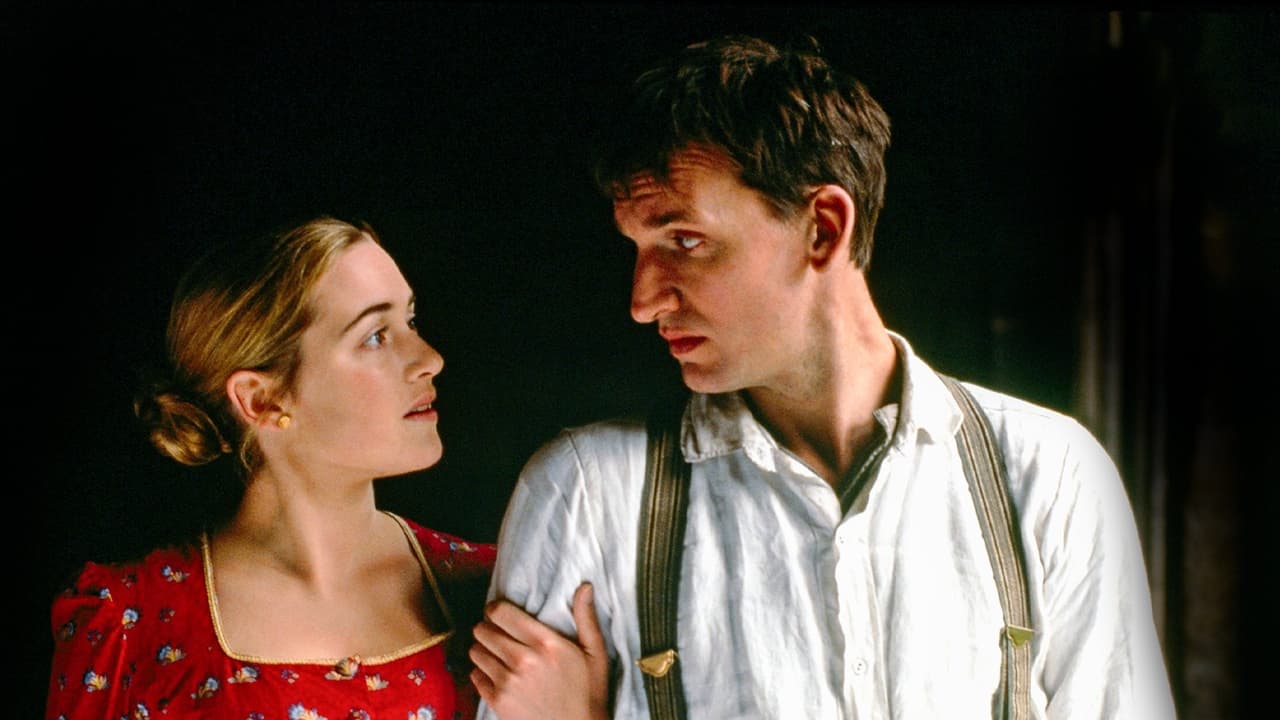
Set in the late 19th century, Jude follows the fiercely intelligent, working-class stonemason Jude Fawley, played with searing intensity by Christopher Eccleston. Jude dreams of escaping his provincial life for the hallowed halls of Christminster (a fictionalized Oxford), fueled by a thirst for knowledge that burns brighter than any forge fire. Standing in stark contrast is his free-spirited, unconventional cousin, Sue Bridehead, brought to life by a luminous, pre-Titanic Kate Winslet. Their connection is immediate, intellectual, and deeply passionate, yet utterly doomed by the rigid conventions, religious dogma, and class prejudices of Victorian England. Watching Jude’s initial hopefulness feels almost painful in retrospect, knowing the trajectory Hardy envisioned.
Hearts Laid Bare
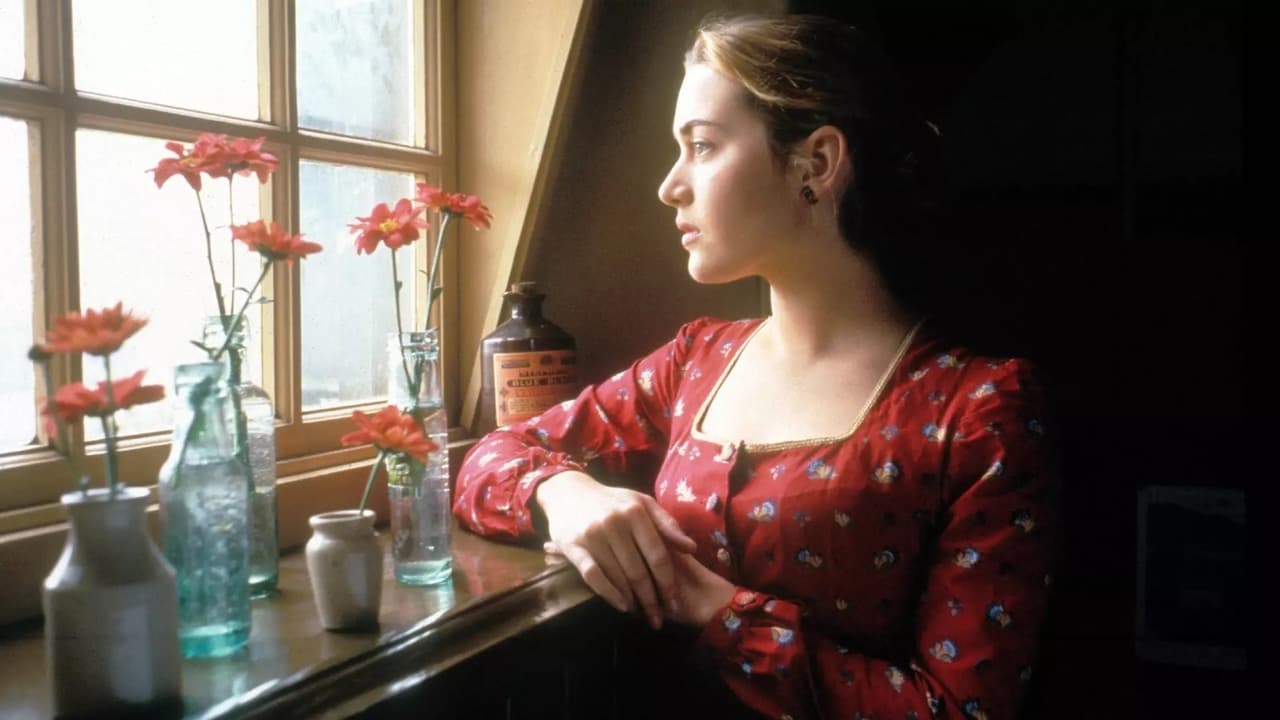
The absolute core of Jude lies in the devastatingly authentic performances of its leads. Christopher Eccleston, an actor always capable of conveying profound inner turmoil, embodies Jude's yearning and frustration with a rawness that’s often hard to watch. You see the spark of intellect warring with the weight of circumstance in his eyes, the quiet dignity crumbling under repeated blows. It’s a performance etched with the grit of his character's labor and the ache of his unfulfilled potential; Eccleston reportedly drew heavily on his own working-class Salford background to connect with Jude’s outsider status and academic dreams.
Kate Winslet, then just 20, delivers a performance of astonishing complexity as Sue. She is captivating – intelligent, challenging, and fiercely independent, yet also fragile and tragically susceptible to the societal pressures she rails against. Winslet navigates Sue's contradictions, her rejection of convention battling her fear of true ostracization, with incredible nuance. Their chemistry is electric, built not just on physical attraction but a meeting of minds that feels tragically ahead of its time. Supporting players, like Liam Cunningham as the melancholic scholar Phillotson, add further layers to this tightly woven emotional tapestry.
Winterbottom's Stark Canvas
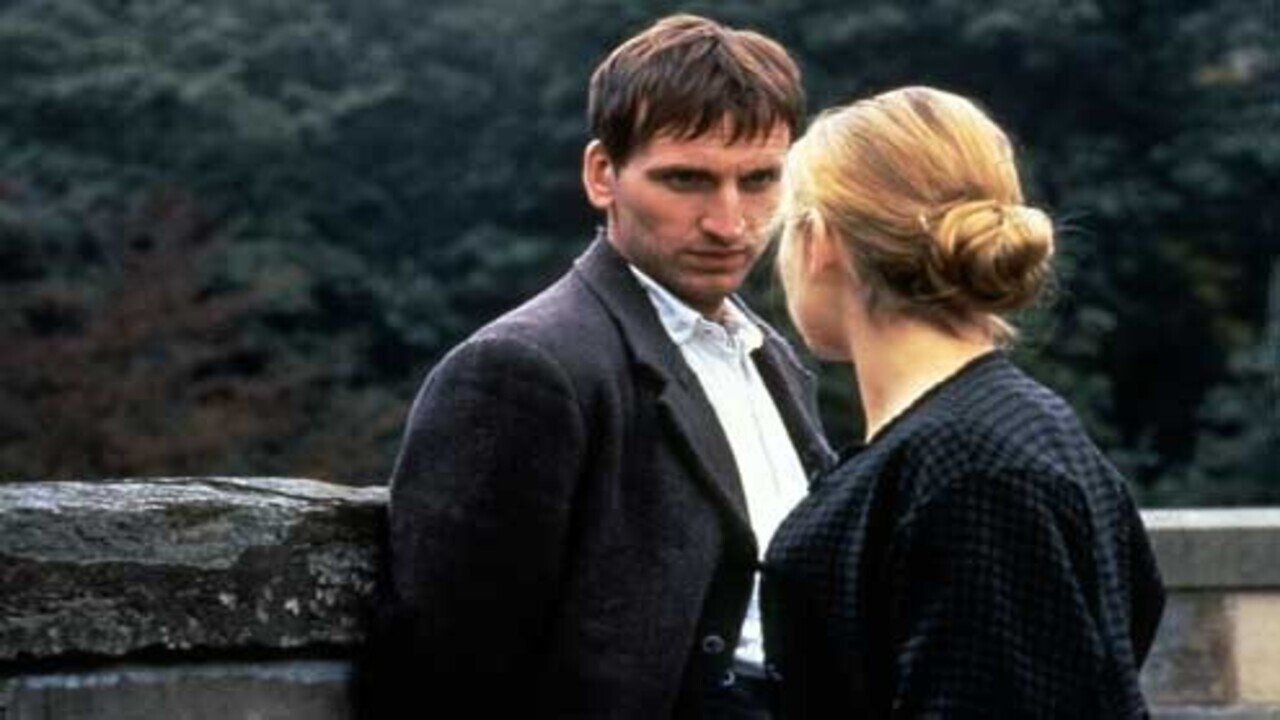
Director Michael Winterbottom, known even then for a certain naturalism (later seen in films like 24 Hour Party People (2002)), strips away any potential costume drama gloss. Working from a sharp, focused screenplay by Hossein Amini (who would later pen Drive (2011)), Winterbottom presents a visually stark and emotionally intimate film. Shot often using handheld cameras and natural light across locations like Durham, Edinburgh, and the imposing landscapes of North Yorkshire, the film feels cold, mirroring the harsh realities its characters face. There's a damp chill that seems to emanate from the screen, the stone buildings looking less like picturesque history and more like immutable barriers. The visual austerity perfectly complements the narrative's bleak trajectory, refusing to romanticize poverty or struggle. Adrian Johnston's mournful score further deepens the pervasive sense of melancholy.
Echoes of Controversy and Craft
Adapting Jude the Obscure was never going to be easy. Hardy's novel, published in 1895, caused such a scandal (contemporaries famously dubbed it "Jude the Obscene" for its frank treatment of sex, marriage, and religion) that it effectively ended his career as a novelist. Winterbottom and Amini don't shy away from the story's most harrowing elements, including the infamous, devastating turn involving the children (Spoiler Alert: the film retains the novel's truly shocking and tragic fate for Jude and Sue's children, a moment that remains profoundly disturbing). It’s a testament to the filmmakers' commitment that they preserved the story's power, even elements guaranteed to distress audiences. Competing for the prestigious Palme d'Or at the 1996 Cannes Film Festival, Jude clearly announced itself as serious, challenging cinema, a far cry from feel-good entertainment, made on a relatively modest budget of around $5-6 million.
Why It Lingers
Jude isn't a film you watch for comfort. It's a potent, often devastating examination of dreams deferred and spirits broken by societal constraints. It forces us to ask uncomfortable questions: How much power do class and convention still hold over individual lives? Can love truly flourish when pitted against the full force of societal disapproval? Watching it again, years after first encountering it perhaps on a grainy VHS tape rented on a whim, its themes feel depressingly relevant. The specifics of Victorian England may have changed, but the struggle for self-determination against systemic barriers, the complexities of relationships that defy norms, and the crushing weight of unrealized potential still resonate deeply. It's a film that respects its audience enough to offer truth, however harsh, rather than easy answers.
Rating: 8.5/10
This score reflects the film's undeniable power, driven by exceptional lead performances and Winterbottom’s unflinching direction. It's a masterful adaptation that captures the spirit and sorrow of Hardy's work with profound emotional honesty. It loses a point and a half perhaps only because its unrelenting bleakness makes it a difficult, though deeply rewarding, experience – not one you'd casually revisit often, but one that stays with you long after the credits roll.
Jude remains a standout piece of 90s British cinema, a stark reminder that even amidst the neon glow of the VHS era, filmmakers were crafting timeless, challenging stories that explored the darkest corners of the human condition. It leaves you pondering the invisible walls we still build, and the enduring cost of daring to defy them.