The chill doesn't just come from the drafty corridors of Thornfield Hall in Franco Zeffirelli's 1996 adaptation of Jane Eyre. It emanates from the very stones, the misty landscapes, and settles deep within the hearts of its protagonists. Watching it again recently, perhaps not on a humming VCR feeding a fuzzy CRT this time, but with the clarity of digital, I was struck by how this version, often overshadowed by others, possesses a distinct, melancholic atmosphere all its own. It feels less like a grand, sweeping romance and more like an intimate study of two wounded souls cautiously finding solace in each other's shadows.
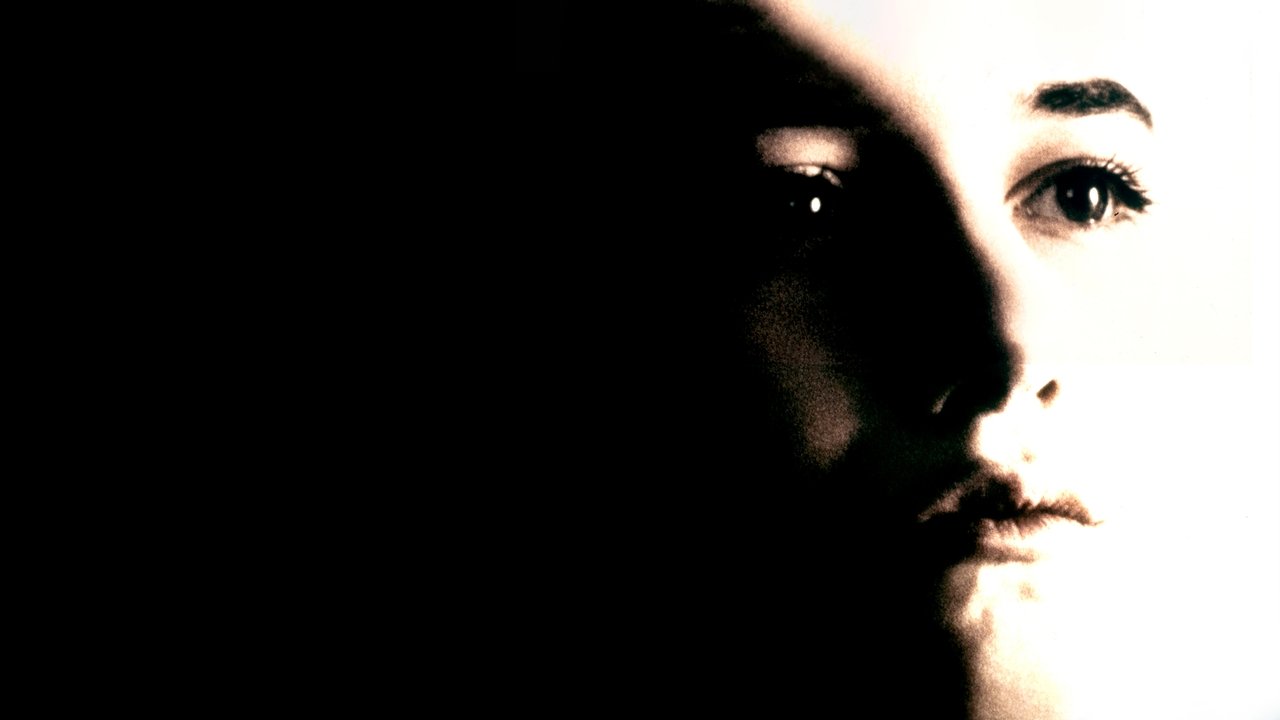
A Director's Familiar Grandeur, Subtly Shaded
Coming from Zeffirelli, the visionary behind the opulent Romeo and Juliet (1968) and the reverent Jesus of Nazareth (1977), one might have expected pure visual splendor. And the film certainly looks beautiful. Shot predominantly at the genuinely ancient Haddon Hall in Derbyshire – a location steeped in history and cinematic appearances itself – the production design feels authentic, lived-in, and appropriately gothic. Cinematographer David Watkin (who lensed the visually stunning Out of Africa (1985)) captures the damp chill of the north of England, contrasting the rugged exteriors with the fire-lit, shadowed interiors of Thornfield. Yet, compared to some of Zeffirelli’s other works, there’s a restraint here, a focus that pulls inward towards the characters rather than outward towards spectacle. It’s as if the director, working with co-writer Hugh Whitemore, consciously chose to mute the grandeur to better serve the intensely personal nature of Charlotte Brontë's novel.
An Unconventional Pairing, A Quiet Intensity
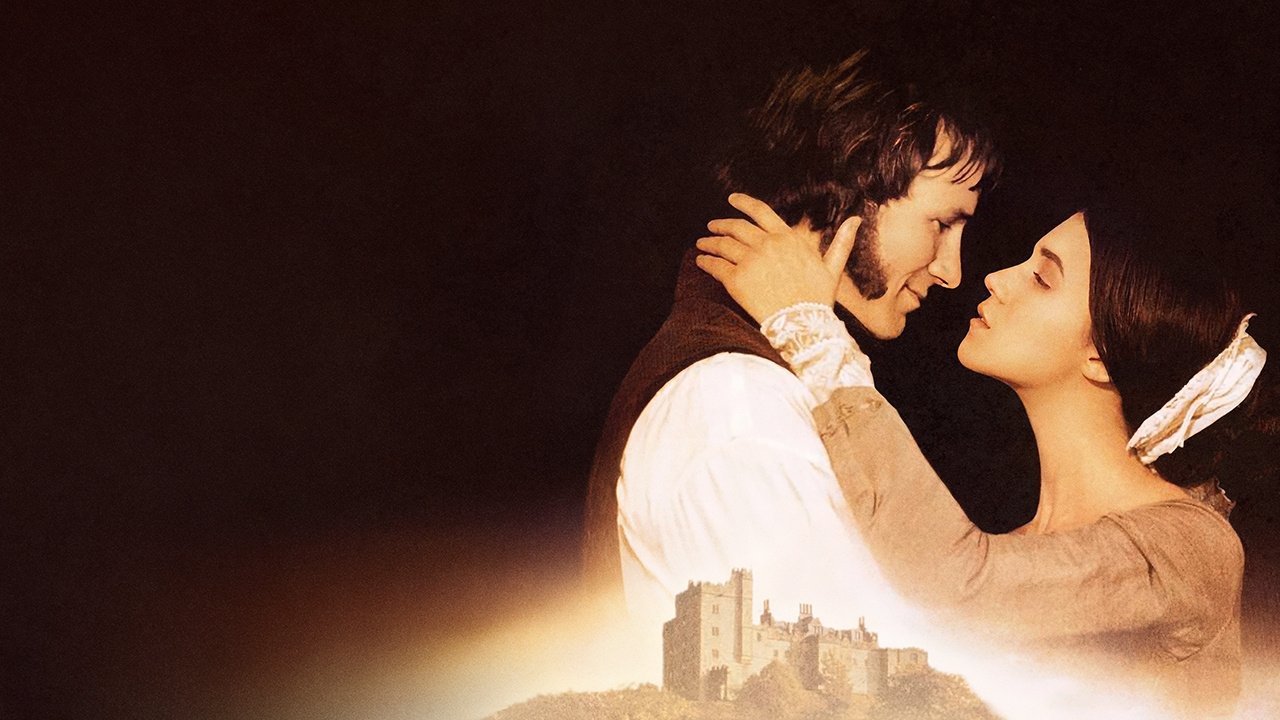
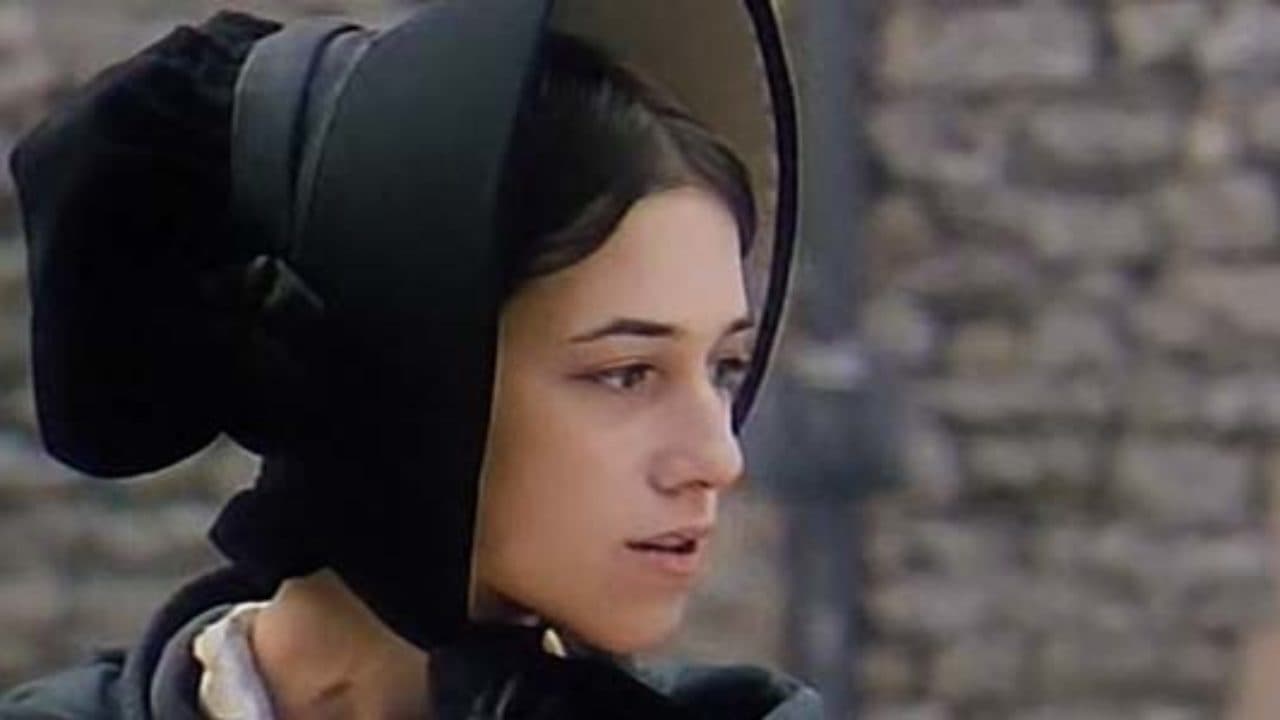
The casting, perhaps the most debated aspect of this adaptation, is key to its unique feel. Charlotte Gainsbourg, daughter of Serge Gainsbourg and Jane Birkin, wasn't the typical English rose often envisioned for Jane. Her casting brought a certain European arthouse sensibility, an unconventional plainness underscored by a fierce, almost feral intelligence simmering beneath a quiet surface. She embodies Jane's resilience and deep inner life with minimal fuss, often conveying pages of internal monologue with just a steady gaze or a subtle clenching of her jaw. It’s a performance that grows on you, revealing its depths slowly. I remember finding her quite inscrutable on first viewing back in the day, perhaps expecting more overt emoting, but time has been kind to her interpretation; it feels remarkably truthful to the spirit of a character who observes far more than she speaks.
Paired with her is William Hurt as Edward Rochester. Hurt, known for his more cerebral, contained performances (like in Broadcast News (1987) or Kiss of the Spider Woman (1985)), might seem an odd choice for the brooding, Byronic master of Thornfield. He doesn't chew the scenery or erupt with the volcanic passion some Rochesters display. Instead, Hurt internalizes Rochester's torment, presenting a man weary of his secrets, cynical, yet visibly intrigued and disarmed by Jane's quiet strength and unwavering moral compass. Their chemistry isn't explosive; it's a slow burn, built on intellectual sparring and shared loneliness. The significant age difference between the actors (Gainsbourg was 24, Hurt 45) is palpable on screen, adding another layer to the complex power dynamics inherent in the story. Does it fully capture the fiery passion Brontë described? Perhaps not entirely, but it offers a compelling portrait of a different kind of connection – one rooted in mutual recognition and intellectual respect.
Streamlining a Sprawling Classic
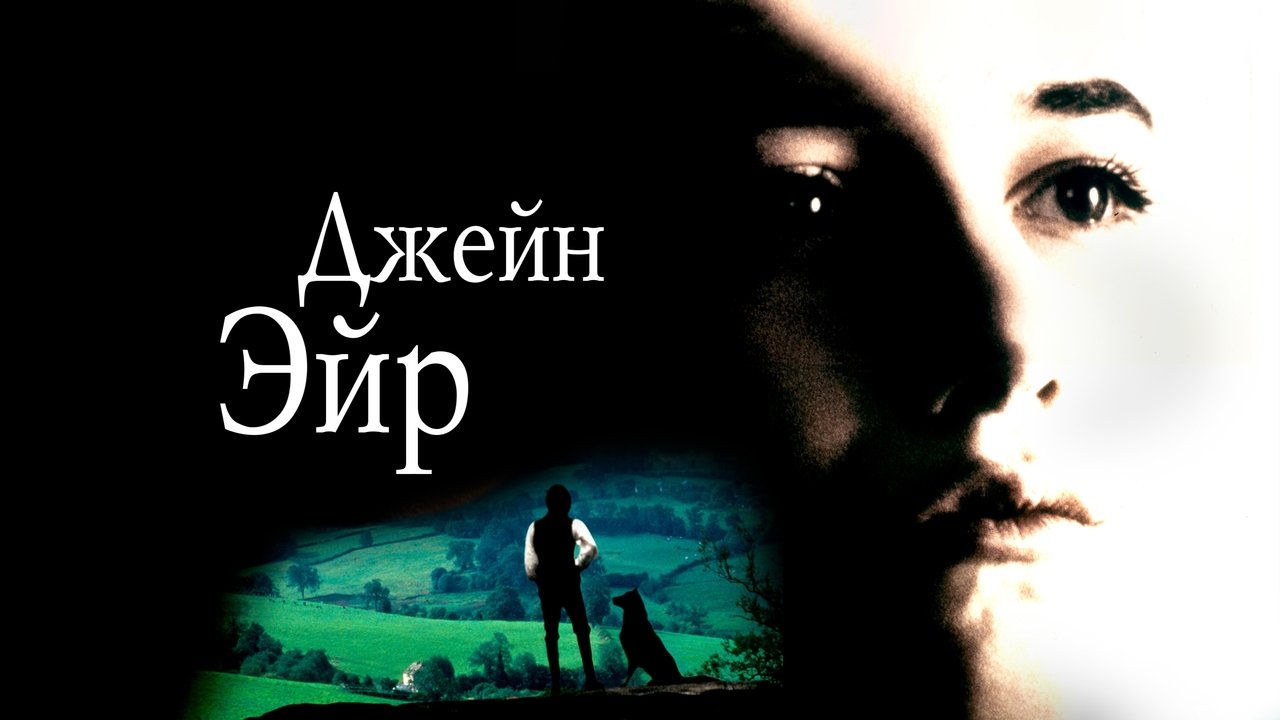
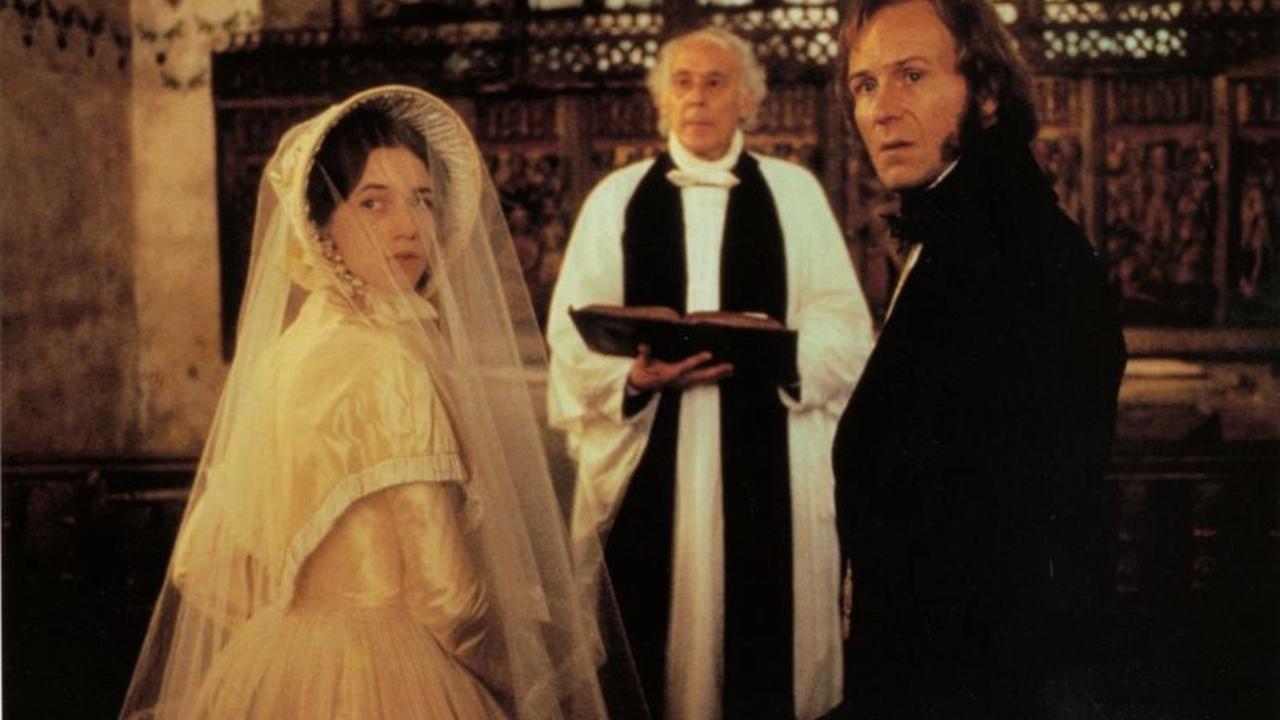
Adapting a novel as rich and dense as Jane Eyre inevitably requires sacrifices. Zeffirelli and Whitemore streamline the narrative considerably, focusing almost entirely on Jane's time at Lowood School and her experiences at Thornfield Hall. The later section involving St. John Rivers and his family, crucial to Jane's development in the book, is significantly curtailed. While this allows for a tighter focus on the central relationship and the gothic mystery of Thornfield, some of the novel's thematic breadth is unavoidably lost. Yet, this choice aligns with the film's intimate, character-driven approach. It feels less like an attempt to film the entire book and more like an effort to capture the emotional core of Jane and Rochester's story.
Supporting players like the wonderful Joan Plowright as the kind, slightly flustered Mrs. Fairfax provide warmth and grounding, offering a necessary counterpoint to the central intensity. The score by Alessio Vlad and Claudio Capponi effectively underscores the mood, weaving between melancholy introspection and moments of heightened gothic tension, particularly during the infamous sequences involving the hidden secrets of the Hall. One interesting production tidbit is that Zeffirelli, facing budget constraints typical of bringing classic literature to screen without star-driven guarantees, reportedly invested some of his own money to ensure the film got made, reflecting his personal commitment to the project. It didn't set the box office alight upon release, earning around $5 million domestically, but like many period pieces of the era, it found a dedicated audience through home video – precisely the kind of film you’d stumble upon in the drama section of the rental store and take a chance on.
Lasting Impressions
Does Zeffirelli's Jane Eyre stand as the definitive screen version? Likely not, given the sheer volume and quality of adaptations across film and television (the superb 2006 BBC miniseries and the atmospheric 2011 film directed by Cary Fukunaga spring readily to mind). But it holds a unique place. It offers a visually rich, atmospherically dense, and emotionally nuanced interpretation anchored by two intriguingly unconventional lead performances. It captures the gothic chill and the quiet resilience at the heart of the novel, even if it sacrifices some narrative scope. Watching it now feels like revisiting a thoughtful, slightly somber friend – one who doesn't shout but invites you to lean in and listen closely to the secrets whispered in the shadows.
Rating: 7/10
This score reflects a beautifully crafted, atmospheric adaptation with compelling, if unconventional, lead performances that truly capture the melancholic core of Jane and Rochester's connection. While streamlining the plot diminishes some of the novel's breadth, Zeffirelli's focus creates an intimate and emotionally resonant experience that holds up well. It’s a version valued more for its quiet intensity and specific mood than for fiery passion or complete narrative fidelity.
A worthy addition to the Jane Eyre cinematic lineage, perhaps best appreciated not as a definitive take, but as a distinctively shaded portrait of longing and resilience found on a well-worn VHS tape.