Okay, fellow travelers of the magnetic tape highways, let’s dim the lights and slide another well-loved cassette into the VCR. Tonight, we’re revisiting a film that tapped into a burgeoning fear at the tail end of the 90s, a slick, paranoid pulse-pounder that felt alarmingly plausible even then: Tony Scott’s 1998 thriller, Enemy of the State. This wasn't just another action flick; it felt like a warning whispered from the near future, wrapped in Hollywood gloss.
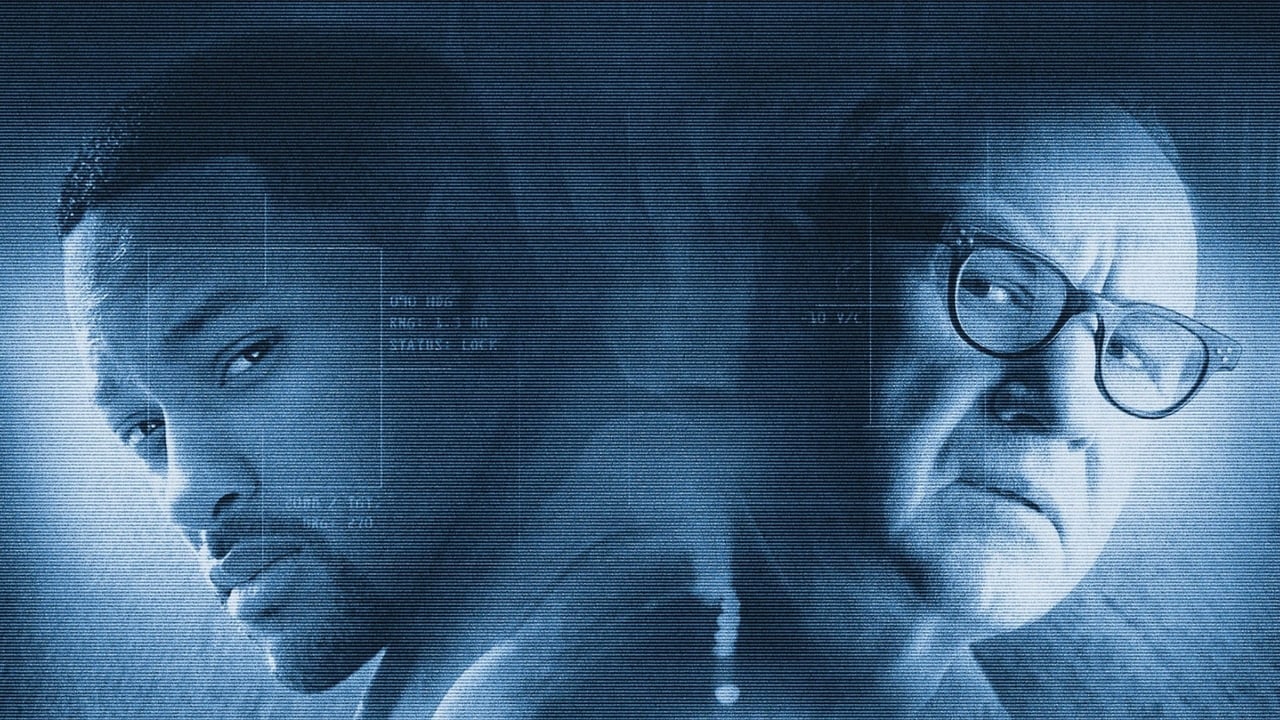
The dread here isn't supernatural, no lurking monsters in the shadows. It’s the cold, impersonal hum of technology turned invasive, the chilling realization that privacy is perhaps the most fragile illusion of modern life. Remember that feeling? Watching Will Smith’s life unravel in horrifyingly efficient fashion, orchestrated by unseen forces wielding satellite imagery and microscopic listening devices? It hit differently back then, didn't it? Before smartphones were ubiquitous, before social media chronicled our every move, this vision of total surveillance felt like a terrifying leap, not the creeping normality it arguably resembles today.
Nowhere to Run, Nowhere to Hide
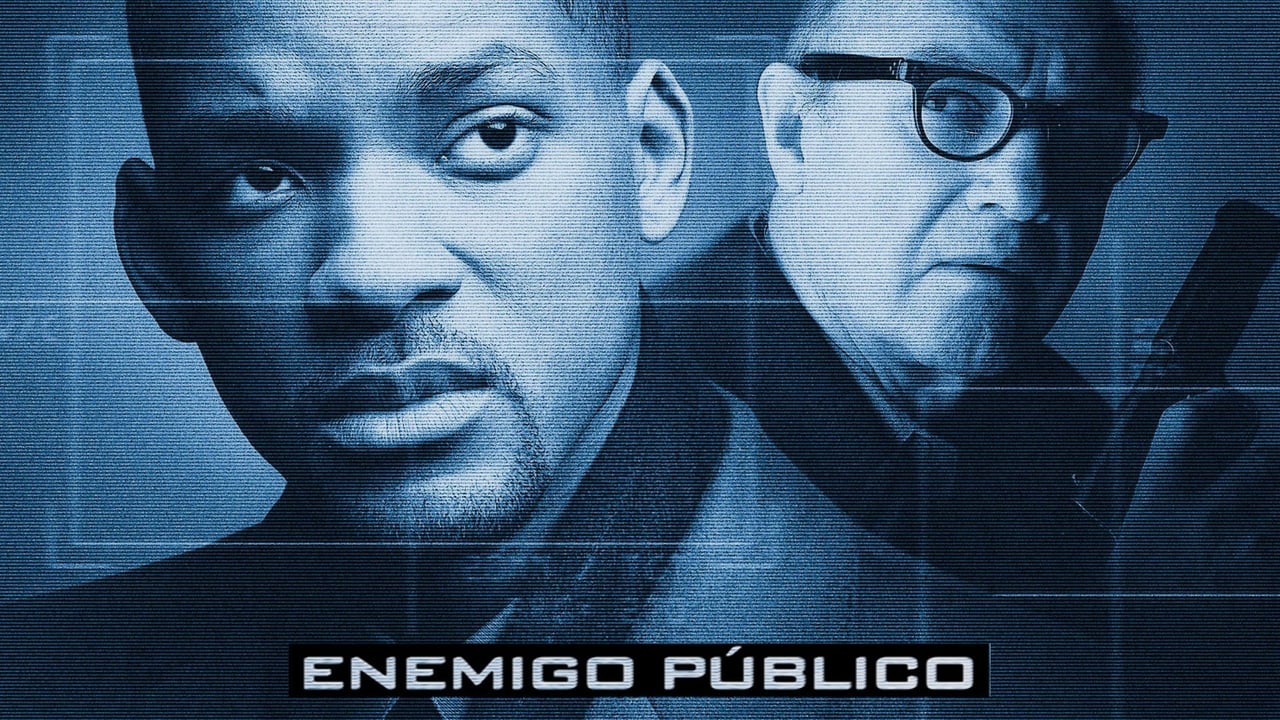
The setup is classic Hitchcockian wrong-man, supercharged with late-90s tech anxieties. Will Smith, then solidifying his megastar status beyond summer blockbusters like Independence Day (1996), plays Robert Clayton Dean, a successful D.C. labor lawyer juggling career and family. His comfortable existence implodes when a chance encounter saddles him with evidence implicating a corrupt National Security Agency official, Thomas Reynolds (Jon Voight, radiating icy menace), in a political assassination. Suddenly, Dean is persona non grata. His accounts are frozen, his reputation smeared, his every move tracked. The architects of this digital demolition? A shadowy NSA team with seemingly limitless resources, operating outside the law under Reynolds’ command.
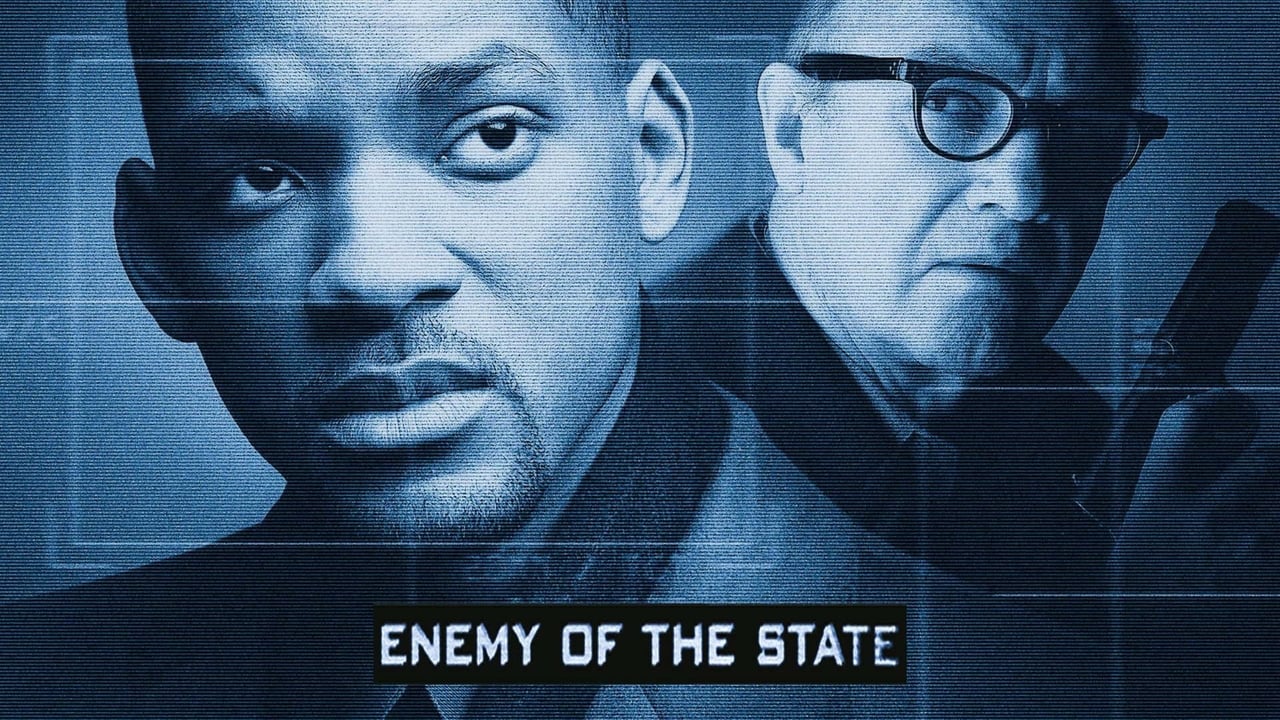
Tony Scott, known for his hyper-stylized visuals in films like Top Gun (1986), brings his signature kinetic energy, but tempers it with a palpable sense of paranoia. The quick cuts, grainy CCT V footage, and omnipresent satellite views create a suffocating atmosphere. You feel Dean’s desperation as the invisible net tightens. Scott masterfully uses the very tools of surveillance – the swooping aerial shots, the disorienting close-ups through hidden cameras – to immerse the viewer in Dean's nightmare. It's a frantic, breathless chase, not just through the streets of D.C. and Baltimore (locations chosen for their authentic feel), but through the burgeoning digital landscape itself.
Brill: Echoes in the Wires
The film’s ace in the hole, however, is the casting of Gene Hackman as Brill, a reclusive former NSA operative living off the grid. His character is an explicit, knowing nod to Harry Caul, Hackman’s legendary surveillance expert from Francis Ford Coppola’s The Conversation (1974). It's more than just stunt casting; it adds a layer of weary gravitas. Brill is the ghost of surveillance past, the analog expert forced into the digital fray. Hackman reportedly appreciated the script's acknowledgment of his iconic earlier role, lending Brill an air of lived-in cynicism and expertise that feels utterly authentic. His reluctant partnership with the frantic Dean forms the film's compelling core, a clash between old-school spycraft and the terrifying new digital frontier. Their scenes together crackle with tension and unexpected camaraderie.
Retro Fun Facts: Inside the Surveillance State
- Authenticity Matters: To ground the film's tech, writer David Marconi and director Tony Scott consulted heavily with former intelligence operatives and surveillance experts. Much of the gear depicted, while cutting-edge for 1998, was based on existing or emerging technologies, lending the paranoia a disturbing degree of plausibility. Remember those tiny bugs? They weren't pure fantasy.
- The Conversation Connection: The link to Hackman's previous role wasn't just a fan theory. It was deliberately baked into the character of Brill, conceived as a spiritual successor or perhaps even an alternate timeline version of Harry Caul, forever haunted by the implications of his work.
- Box Office Muscle: Made for a hefty $90 million (around $170 million today), Enemy of the State proved a major hit, pulling in over $250 million worldwide (approx. $470 million adjusted). Audiences clearly connected with its timely themes and thrilling execution. It cemented Will Smith's status as a versatile leading man capable of carrying more than just effects-driven blockbusters.
- Scott's Vision: Tony Scott employed multiple camera crews simultaneously, sometimes using as many as nine cameras for complex sequences, contributing to the film's dynamic, almost frantic visual style and ensuring comprehensive coverage of the intricate action set pieces.
The Chill Lingers
Watching Enemy of the State today is a fascinating experience. What felt like high-tech paranoia in 1998 now seems almost quaint in some respects, yet eerily prescient in others. The specific gadgets might look dated next to our pocket-sized supercomputers, but the core anxiety about unseen watchers, data breaches, and the erosion of personal privacy feels more relevant than ever. The film captured the uneasy transition into the information age, questioning the price of security and convenience. Doesn't that central conflict still resonate deeply?
It’s a slick, intelligent, and relentlessly paced thriller anchored by strong performances and Tony Scott’s distinctive visual flair. Smith delivers a compelling portrayal of an ordinary man pushed to extraordinary limits, while Hackman provides the grizzled, world-weary soul. It remains a high point in the paranoid thriller subgenre, a film that entertained immensely while leaving you looking over your shoulder long after the credits rolled and the VCR clicked off.
VHS Heaven Rating: 9/10
This score reflects the film's masterful blend of high-octane action, genuine suspense, stellar performances (especially Hackman's resonant turn), and its unnervingly relevant themes. It was a top-tier thriller in its day, executed with style and intelligence, and its core message about surveillance has only gained potency over time. Minor quibbles about plot contrivances fade against the sheer propulsive energy and thematic weight.
Enemy of the State wasn't just a movie; it was a conversation starter, a glossy Hollywood reflection of real-world anxieties that felt ripped from headlines that hadn't even been written yet. A true standout from the late-90s techno-thriller wave.