That first glimpse of her – caged, feral, eyes burning with a trapped animal’s defiance – is an image seared into the memory banks of anyone who slid La Femme Nikita into their VCR back in the day. There's no gentle easing in here. Luc Besson, not yet the global brand he'd become with The Fifth Element (1997), plunges us immediately into a world of punk nihilism and shocking violence, culminating in an act that seals Nikita's fate. But death isn't the sentence; it's something far more insidious.
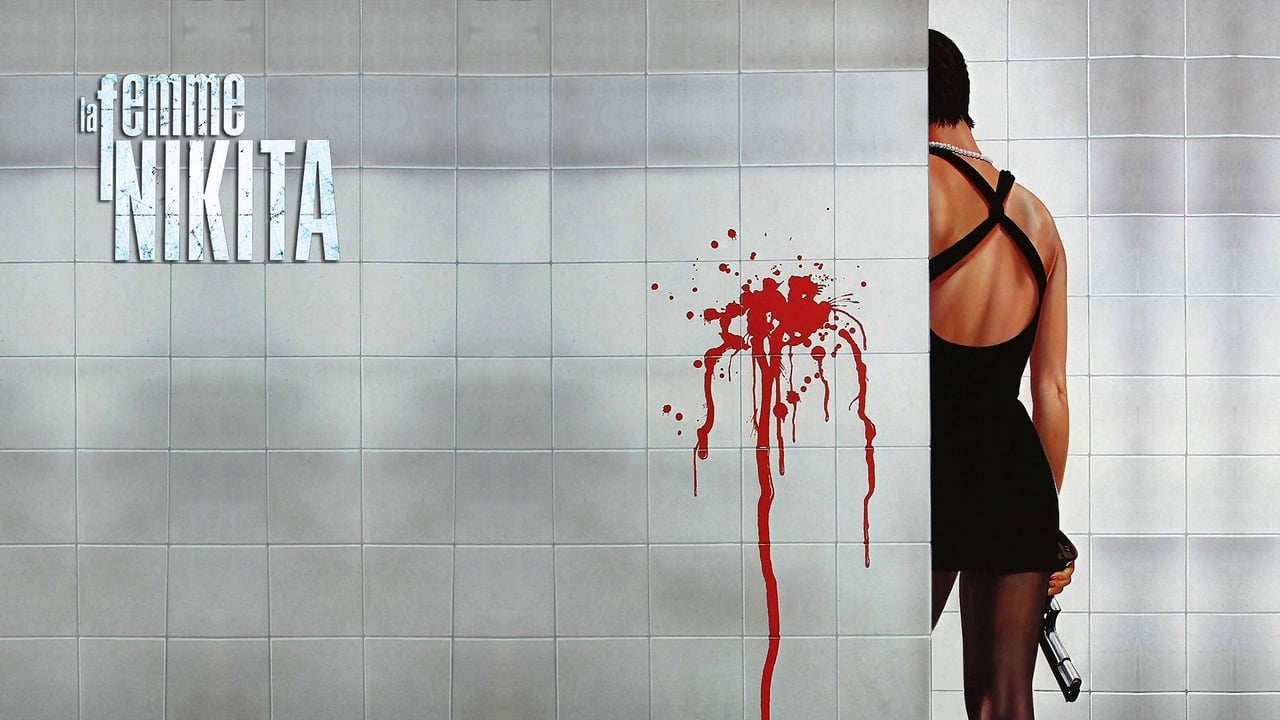
### A Cage, Not a Choice
The premise is elegantly brutal: a young addict (Anne Parillaud) convicted of murdering a police officer during a botched robbery is officially declared dead. Unofficially, she's given a chilling ultimatum by a shadowy government agency embodied by the pragmatic, almost paternalistic Bob (Tchéky Karyo): become a highly trained assassin, or occupy the empty grave reserved for her. This forced transformation from societal discard to state-sanctioned killer is the dark heart of the film. It’s a process stripped of glamour, depicted with a cold efficiency that mirrors the agency itself. We witness her resistance, her gradual, painful acquisition of deadly skills, and the psychological toll of being reshaped into a weapon.
Remember first watching this transition? It wasn’t the usual Hollywood training montage. It felt raw, desperate. Anne Parillaud, who was Besson's partner at the time, famously committed completely, enduring months of judo practice and firearms training – overcoming a genuine fear of guns which arguably lent her early scenes an extra layer of authentic vulnerability. Besson allegedly wrote the script in a whirlwind three weeks while awaiting funding for The Big Blue (1988), channeling a raw energy that permeates the final film.
### Forged in Fire, Coated in Style
Besson’s burgeoning visual style, often labelled cinéma du look, is undeniable here. The film drips with a uniquely early 90s European cool – sleek, neon-washed, often drenched in the blues and greys favoured by cinematographer Thierry Arbogast. It felt sophisticated, dangerous, and utterly different from the bombastic American action flicks dominating rental shelves. This wasn't just about explosions; it was about mood, shadow, and the internal landscape of its haunted protagonist. The pulsing electronic score by Besson regular Éric Serra is inseparable from this atmosphere, a character in itself, amplifying the tension and isolation.
Parillaud carries the film with a captivating intensity. She oscillates between vulnerability and lethal competence, a broken soul trying to piece together a semblance of normalcy within an impossible life. Her relationship with Bob is complex – handler, mentor, captor. Tchéky Karyo brings a weary gravitas to the role, a man doing a dirty job with unsettling professionalism. Later, Nikita finds a flicker of genuine connection with Marco (Jean-Hugues Anglade), an ordinary man oblivious to her deadly profession. Their scenes provide moments of warmth and hope, making the inevitable intrusions of her secret life all the more jarring. Doesn't that contrast make the violence feel even colder?

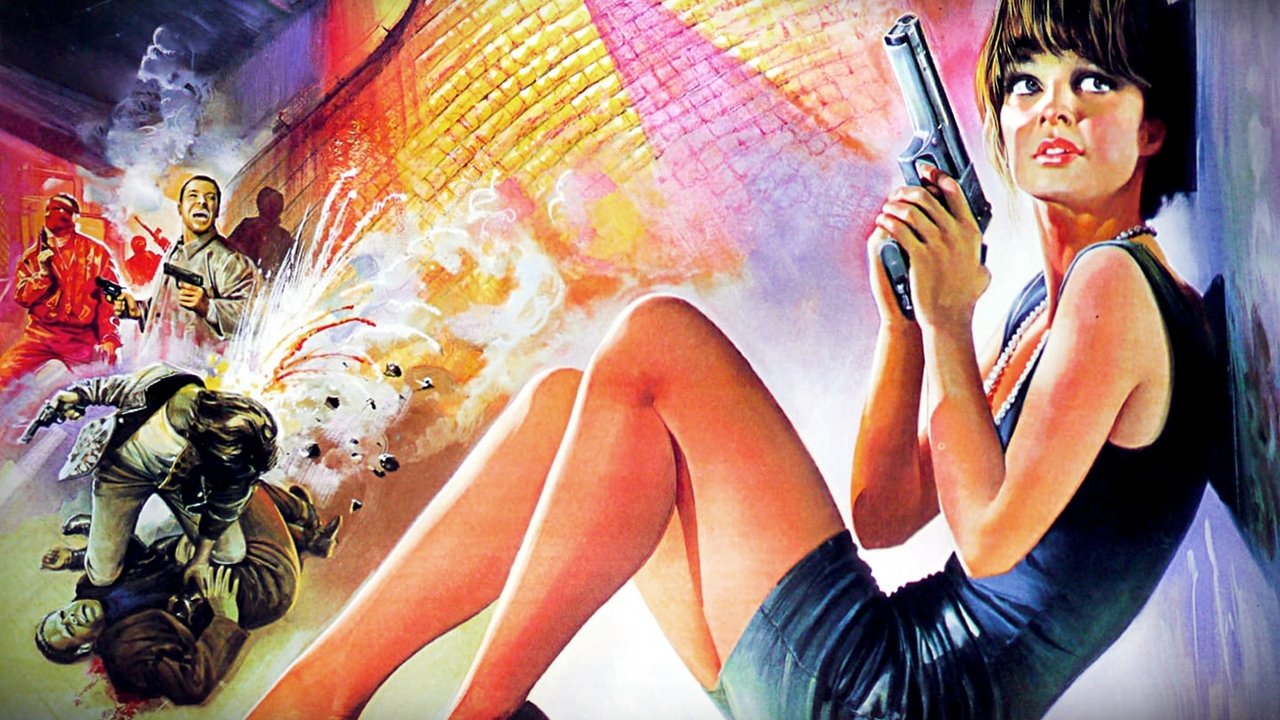
### The Ghost in the Machine
One sequence, of course, became legendary. When a mission goes disastrously wrong, the agency sends in "The Cleaner," Victor (Jean Reno). His brief, terrifyingly efficient appearance is a masterclass in contained menace. Clean-shaven, clad in black, radiating deadly calm, he dispatches threats and cleans up Nikita's mess with surgical precision before vanishing back into the shadows. It's a chilling portrait of utter ruthlessness. This electrifying cameo proved so popular that it directly inspired Besson to create Léon: The Professional (1994), expanding the concept of the meticulous, soulful hitman with Jean Reno reprising a similar archetype. It’s a fascinating piece of trivia, seeing the seed of one iconic film planted firmly within another.
The production, shot across Paris and Venice for a relatively modest budget (around $7.4 million French Francs then, maybe $17-18 million USD today), uses its locations effectively, contrasting the grit of Nikita's underworld with moments of unexpected beauty, mirroring her own internal conflict. It’s a reminder of how potent European thrillers could feel, often relying more on atmosphere and character psychology than sheer firepower, though Nikita certainly delivered on the action front when required.
### Legacy of a Killer
La Femme Nikita wasn't just a film; it was a phenomenon. A critical and commercial success in France, it crossed over internationally, introducing many viewers to Besson's kinetic style and proving the global appetite for smart, female-led action. Its influence is undeniable, spawning an American remake, Point of No Return (1993) starring Bridget Fonda, and two successful television series (the beloved 1997 Canadian series La Femme Nikita and the CW's 2010 reimagining Nikita). While the concept has been revisited, the original retains a unique power – a blend of raw emotion, slick violence, and existential dread that felt groundbreaking. It tapped into a vein of stylish nihilism perfectly suited for the dawn of the 90s. Does any other female assassin movie from the era quite capture that same specific blend of cool and melancholy?
Rating: 9/10
This score reflects the film's undeniable style, Anne Parillaud's magnetic central performance, the gripping tension, and its sheer cultural impact. It's a landmark action thriller that redefined the female assassin trope, delivering unforgettable imagery (that restaurant scene!) and introducing the world to Luc Besson's distinctive vision. While perhaps some plot logistics require suspension of disbelief, its atmospheric power and the raw nerve it strikes remain potent. La Femme Nikita wasn't just a rental; for many of us, it was an introduction to a darker, sleeker, and altogether more thrilling kind of cinema. It's a tape well worth rewinding.