Alright, settle in, grab your beverage of choice, and let's talk about a tape that probably warped a few VCR heads back in the day. I’m talking about 1998’s cinematic equivalent of a head-on collision with a pharmacy: Terry Gilliam’s Fear and Loathing in Las Vegas. Finding this gem on the rental shelf, maybe nestled between some bland thrillers and predictable comedies, was like discovering a portal to another, significantly weirder dimension. You’d pop it in, the tracking might fuzz just right on the opening desert highway scene, and suddenly, you weren't just watching a movie; you were in the Red Shark convertible, hurtling towards the dark heart of the American Dream with a trunk full of… well, you know.
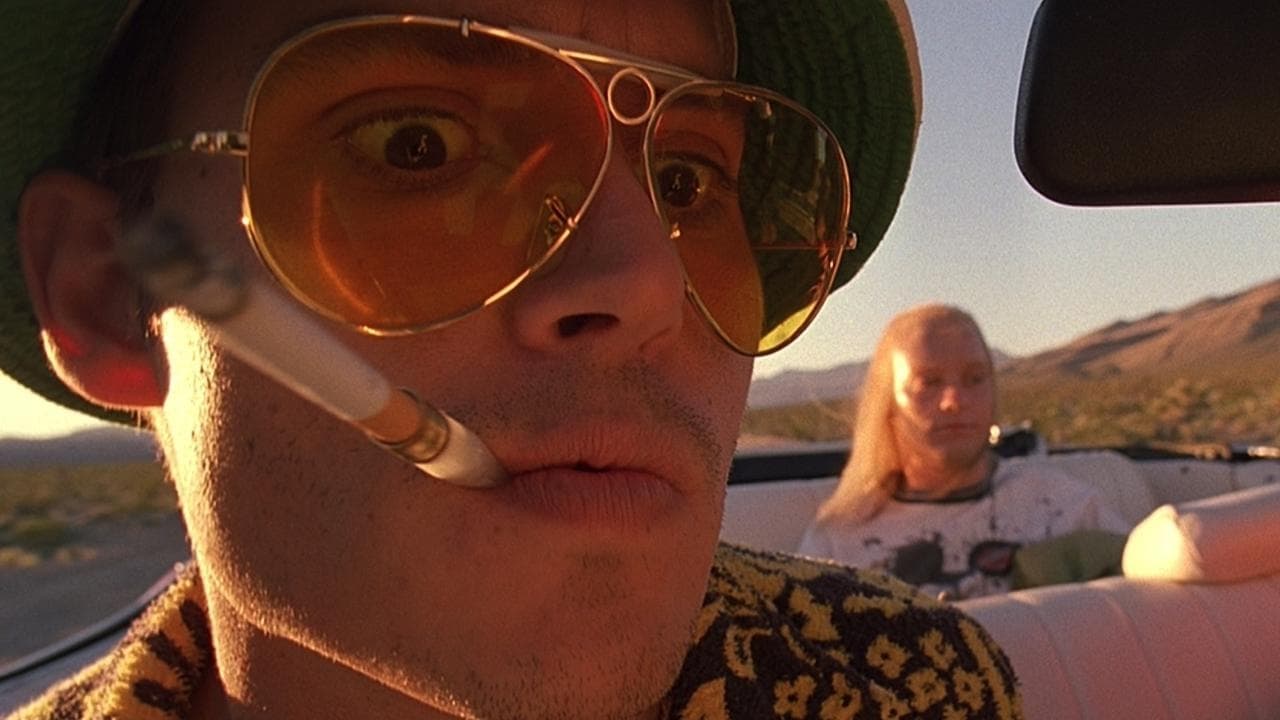
We Can't Stop Here, This is Bat Country!
Based on the seminal gonzo journalism work by the legendary Dr. Hunter S. Thompson, Fear and Loathing chronicles the drug-fueled journey of journalist Raoul Duke (Johnny Depp) and his attorney, Dr. Gonzo (Benicio del Toro), to Las Vegas. Officially, they're covering the Mint 400 motorcycle race and later a narcotics officers' convention. Unofficially? They’re mainlining the excesses of the era, searching for something elusive amidst hallucinations, paranoia, and increasingly dangerous behaviour.
Adapting Thompson's notoriously difficult book was a Hollywood quest in itself, a project that bounced around for years, attracting names like Jack Nicholson, Marlon Brando, John Malkovich, and directors like Alex Cox (who actually retains a co-writing credit alongside Tod Davies, Gilliam, and Tony Grisoni). But it truly feels like destiny that it landed in the lap of Terry Gilliam, the visionary maestro behind chaotic masterpieces like Brazil (1985) and 12 Monkeys (1995). Who else could possibly translate Thompson's frantic, hallucinatory prose to the screen with such manic fidelity?
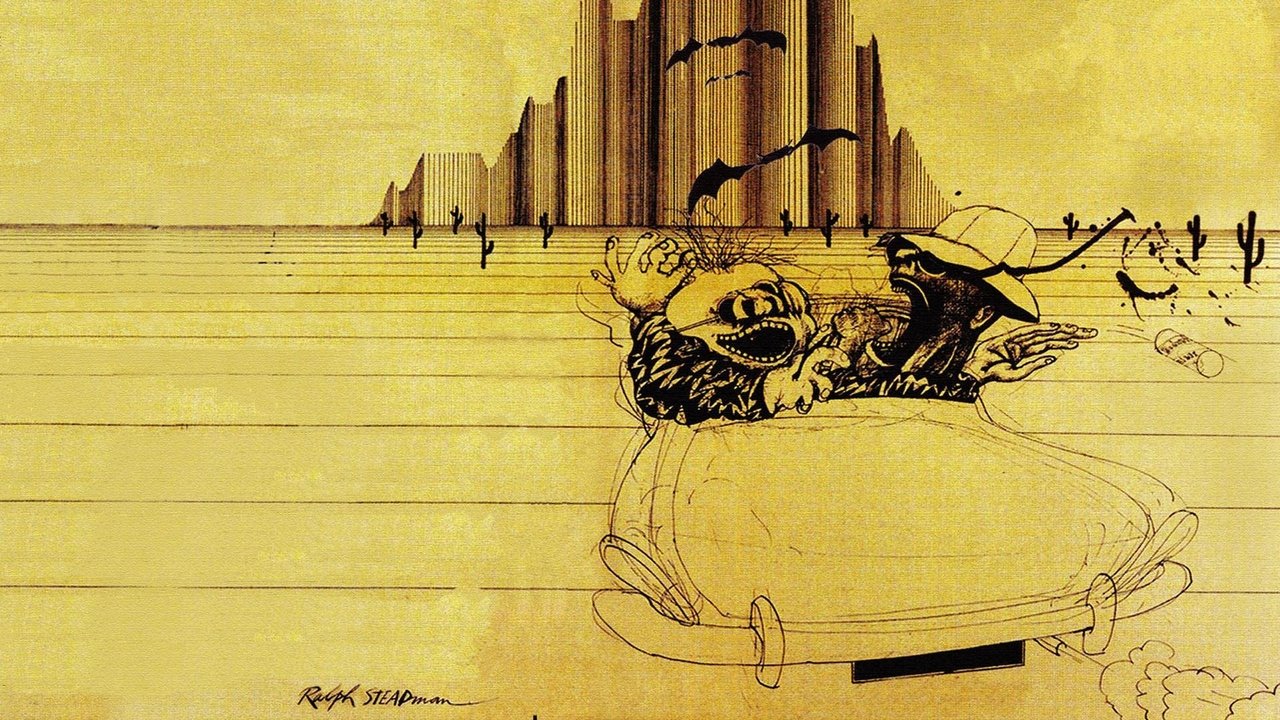
Depp Becomes Duke
Let’s be clear: Johnny Depp is Raoul Duke. This isn't just acting; it's a full-blown channeling. Depp famously spent months with Thompson, absorbing his mannerisms, speech patterns, and even his wardrobe (many clothes worn in the film were Thompson’s own). He even shaved his head into Thompson’s signature bald patch. The result is uncanny – the hunched posture, the cigarette holder clamped perpetually between teeth, the mumble-staccato delivery. It’s a performance that goes beyond mimicry into sheer embodiment, capturing both the absurdity and the underlying weariness of Duke's persona. I remember watching this for the first time on a grainy CRT, and Depp's transformation felt genuinely unsettling, utterly convincing.
Alongside him, Benicio del Toro is a force of nature as the volatile Dr. Gonzo. Packing on over 40 pounds for the role (reportedly on a diet primarily consisting of donuts), del Toro creates a character simultaneously terrifying and darkly hilarious. His unpredictable swings from geniality to savage rage provide much of the film's dangerous energy. Their chemistry is electric, a perfect storm of enabling and mutual destruction. You believe these two could, and probably would, tear Las Vegas apart.
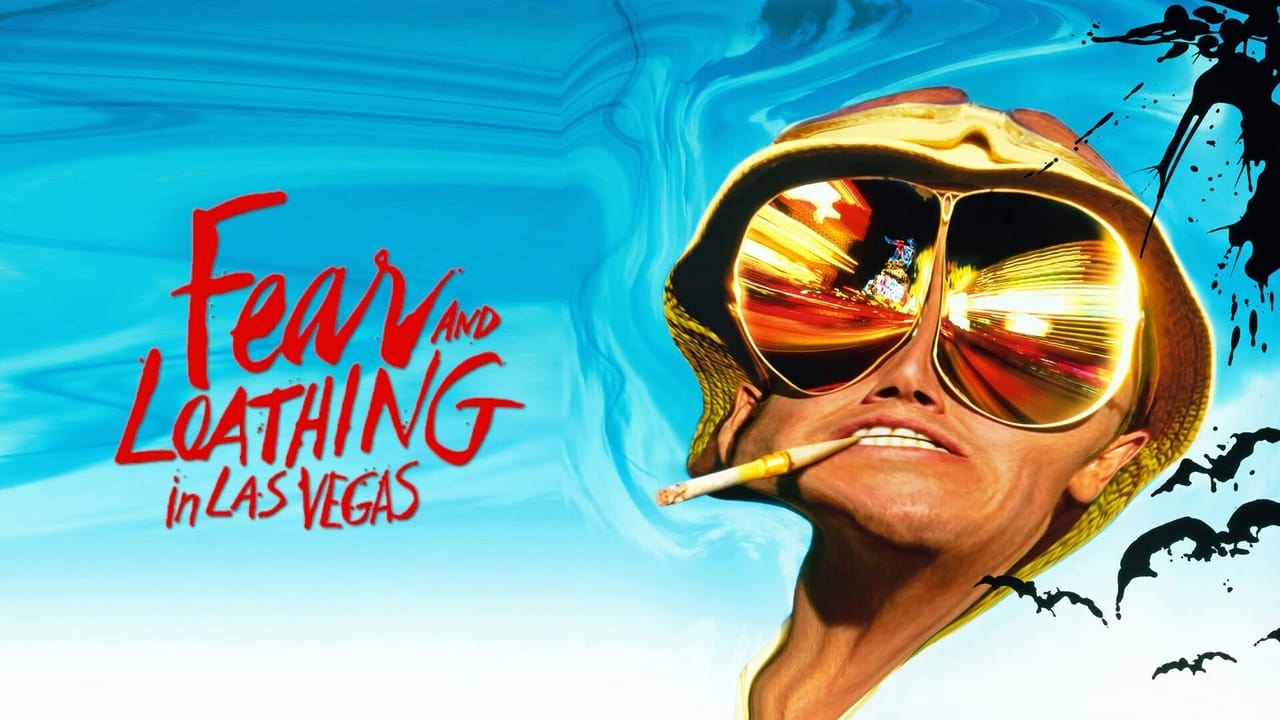
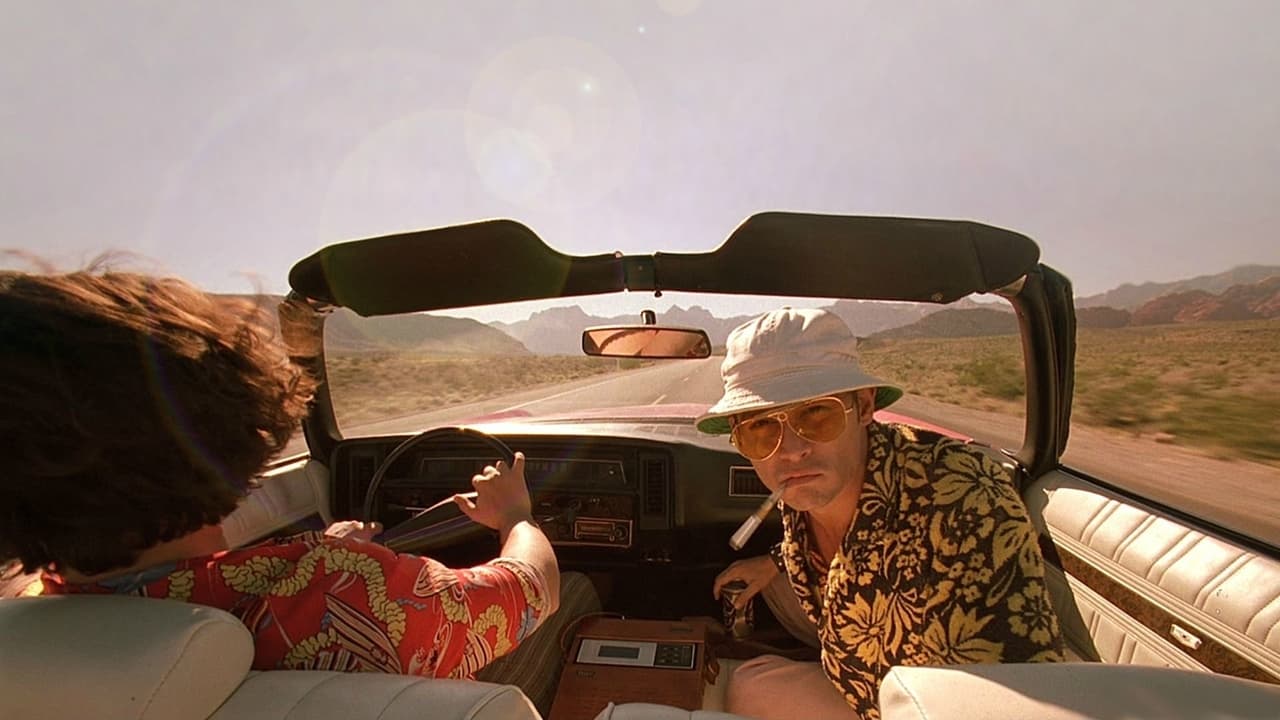
Gilliam's Visual Nightmare Fuel
Visually, Fear and Loathing is pure, unfiltered Gilliam. Forget sleek, modern CGI – this is a masterclass in practical effects, distorted lenses, lurid production design, and inspired insanity. The infamous 'reptile zoo' scene at the Bazooko Circus casino bar? That's not digital trickery making the patrons morph into lizards; it's clever puppetry, makeup, and Gilliam’s signature knack for creating tactile, believable grotesquerie. Remember how real those transformations felt, even through the VHS fuzz? The Dutch angles, the claustrophobic framing, the sickly colour palettes – everything conspires to put you directly inside Duke's unraveling mind. It’s disorienting, overwhelming, and often nauseating, but utterly intentional. Gilliam, working with cinematographer Nicola Pecorini, crafts a look that’s both nightmarish and weirdly beautiful, perfectly mirroring the highs and lows of the characters' trip.
It’s peppered with fantastic cameos too – look closely and you'll spot Tobey Maguire as the wide-eyed hitchhiker, Cameron Diaz as a blonde TV reporter, Christina Ricci as the unnervingly composed Lucy, Gary Busey, Ellen Barkin, even Thompson himself makes a brief appearance. Each adds another layer to the surreal tapestry.
Reception and Rewind Value
Upon release, Fear and Loathing was… divisive, to say the least. Critics were split, and it certainly didn’t set the box office alight (making back roughly its $18.5 million budget, but barely). Many found it abrasive, plotless, and morally ambiguous. Audiences expecting a conventional narrative were likely baffled. But like so many films championed here at VHS Heaven, time and home video were kind to it. It found its audience – those who appreciated its audacious style, its dark humour, its unflinching portrayal of excess, and its surprisingly sharp critique of the death of 60s idealism. It became a definitive cult classic, a midnight movie staple, the kind of tape you’d excitedly show to friends, prefaced with, "You gotta see this, man... but, uh, be prepared."
It’s not an easy watch, and certainly not for everyone. The humour is pitch-black, the characters often reprehensible, and the relentless pace can be exhausting. But beneath the chaos, there’s a strange poignancy, a lament for a lost American counter-culture swallowed by cynicism and greed.
***

VHS Heaven Rating: 9/10
Justification: While undeniably abrasive and potentially alienating for some viewers, Fear and Loathing in Las Vegas is a singular cinematic achievement. Terry Gilliam's visionary direction, Johnny Depp's iconic transformation, and Benicio del Toro's terrifying presence perfectly capture the anarchic spirit of Hunter S. Thompson's masterpiece. Its practical, hallucinatory visuals felt groundbreaking then and remain potent now. It’s a demanding film, but its cult status is thoroughly earned through sheer audacity and uncompromising style. A near-perfect translation of the untranslatable.
Final Take: This isn't just a movie; it's a contact high committed to celluloid. It remains as gloriously unhinged and relevantly weird today as it felt flickering on that rental tape decades ago – a true artefact from the wilder shores of 90s filmmaking. Too weird to live, and too rare to die.