Alright fellow tape travelers, pull up a comfy chair. Tonight, we're digging into a crate find that likely bypassed the mainstream rental shelves for many, but packs a peculiar punch deserving of rediscovery: Marco Risi's 1998 Italian dark comedy, L'ultimo capodanno, or The Last New Year's Eve. Forget the champagne-popping optimism usually associated with December 31st; this film throws open the doors of a single Roman apartment building to unleash a torrent of interconnected stories brimming with desperation, absurdity, and a cynicism so thick you could almost taste it through the static of an old CRT.
Midnight Maladies
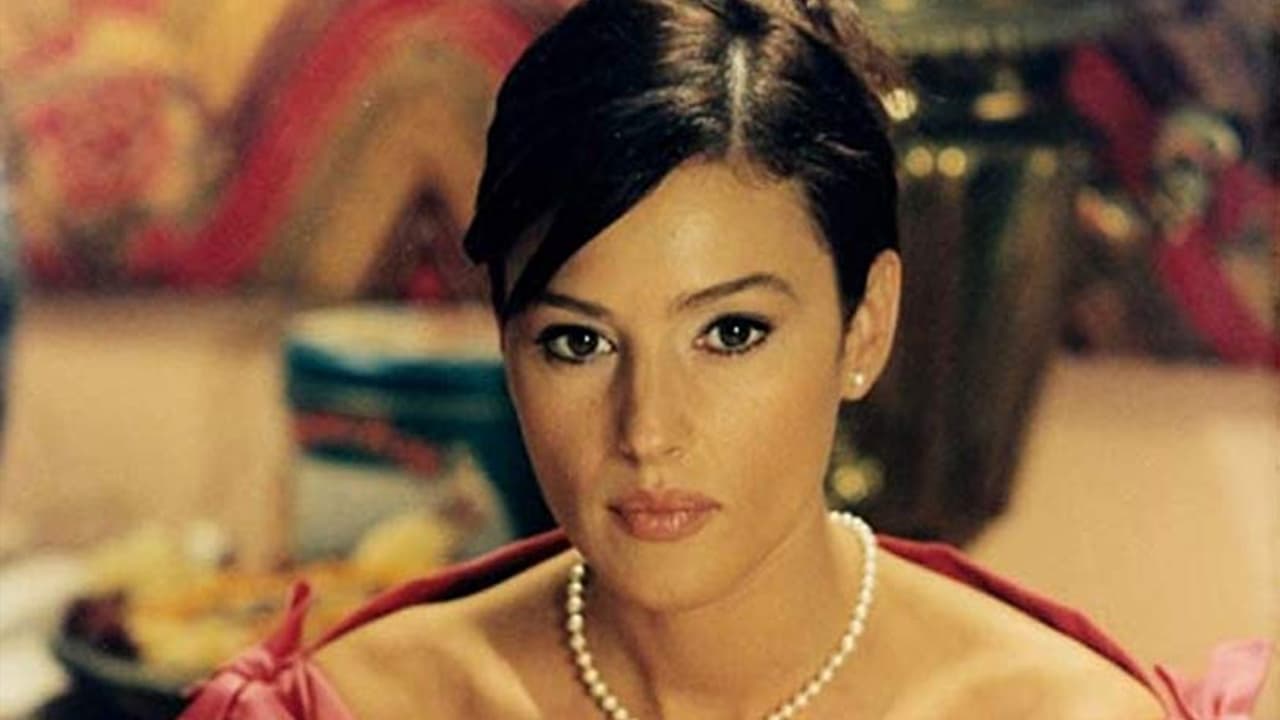
The premise is deceptively simple: it’s New Year’s Eve, and within the walls of the sprawling ‘Isola Felice’ (Happy Island – oh, the irony!) apartment complex, various residents are preparing to ring in the new year. But instead of shared joy, we get glimpses into lives unraveling. There’s a wealthy lawyer juggling a lavish party and his mistress (played by a rising Monica Bellucci); a trio of hapless thieves planning a heist that feels doomed from the start; a lonely Countess contemplating a final, dramatic exit; families simmering with resentment; and youths seeking destructive thrills. Director Marco Risi, son of the legendary Italian filmmaker Dino Risi, orchestrates this collision course of narratives with a restless, almost voyeuristic energy.
A Tapestry Torn from Ammaniti's Pages
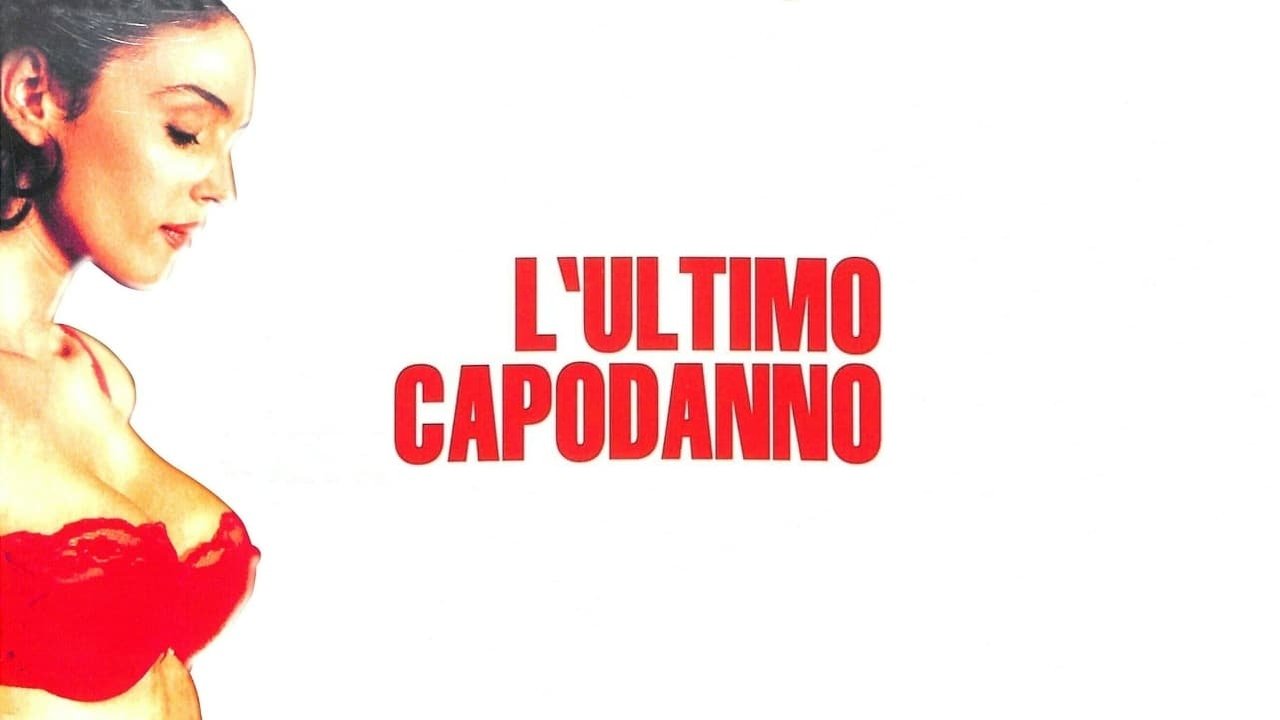
Part of the film's distinctive, fragmented feel comes directly from its source material. It’s based on stories from Feste dell'ultimo dell'anno, a section within the collection Fango by Niccolò Ammaniti, who co-wrote the screenplay with Risi. Ammaniti would later gain international acclaim for novels like I'm Not Scared, and you can see the seeds of his unflinching, often brutal portrayal of human nature right here. Risi's task was to stitch these often grim vignettes together, and the result is less a smooth narrative quilt and more a chaotic mosaic where shards of different lives momentarily reflect each other before shattering. It captures that specific late-90s feeling – a kind of pre-millennium tension mixed with weary disillusionment.
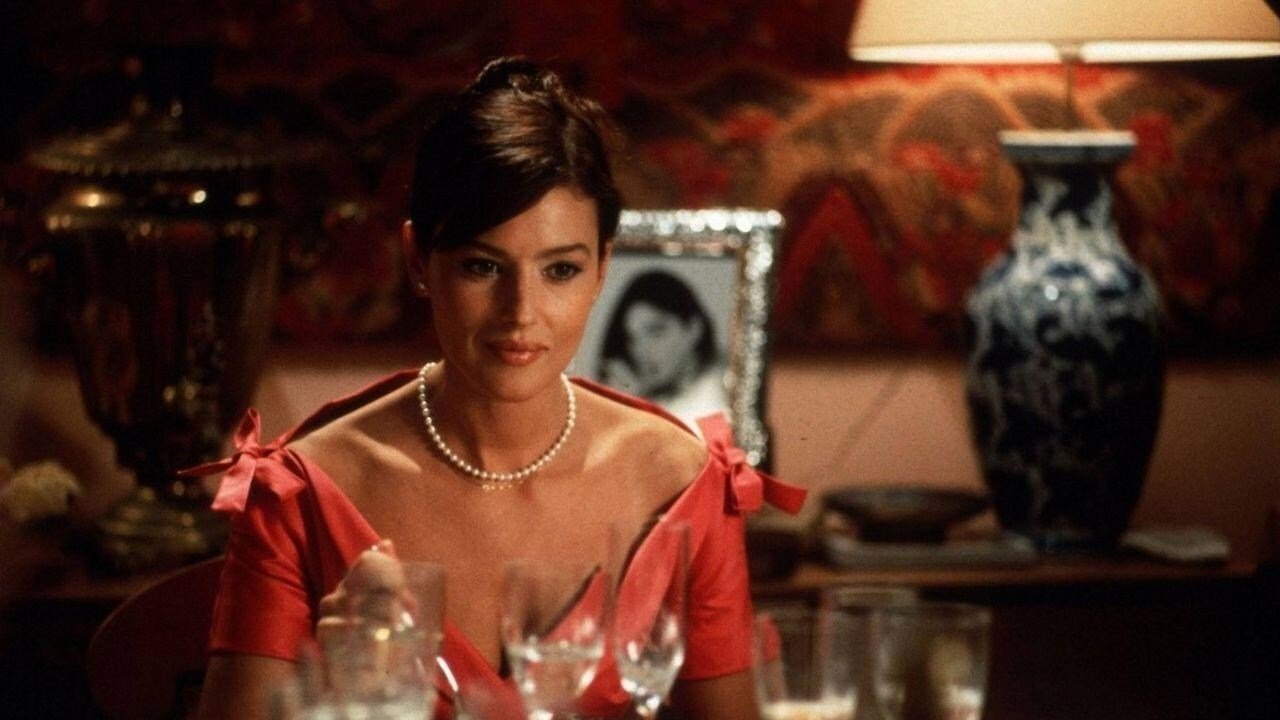
The film reportedly struggled at the Italian box office upon release, perhaps proving too bleak or unconventional for mainstream tastes at the time. This very quality, however, makes it a fascinating find for cult cinema enthusiasts today. It’s the kind of movie you might have stumbled upon late at night on a satellite channel or picked up on a whim from the 'World Cinema' section of a particularly adventurous video store, drawn in by the cover art or perhaps the early appearance of Monica Bellucci. Seeing her here, pre-Malèna (2000) or The Matrix Reloaded (2003), feels like uncovering a snapshot from a different era of her career – still captivating, but woven into a grittier, distinctly European ensemble piece as Giulia, whose New Year's Eve takes a particularly dark turn.
Performances in the Pressure Cooker
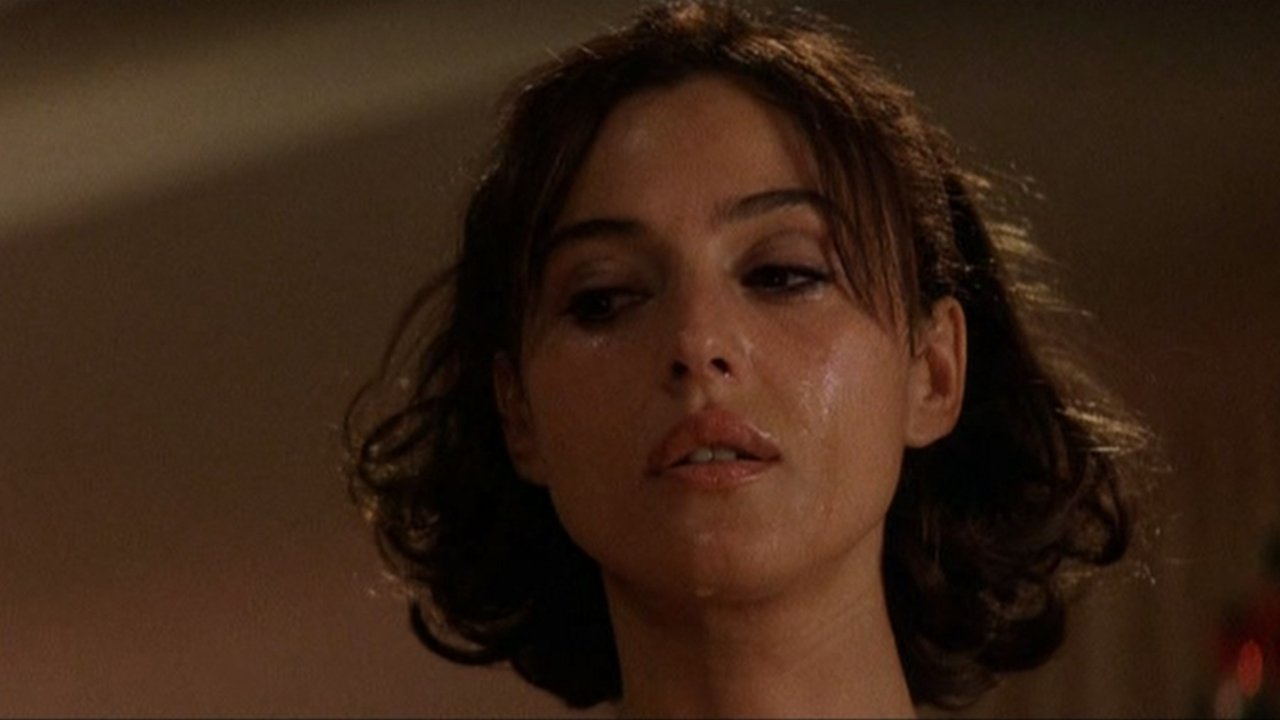
In an ensemble film like this, the collective energy is key. While individual performances might not always get extended spotlights, the cast effectively conveys the simmering anxieties and desperate impulses of their characters. Marco Giallini, as the anxiety-ridden husband Enzo, perfectly captures the feeling of a man drowning in domestic expectations, while Claudio Santamaria brings a volatile energy to the role of Cristiano, one of the reckless youths. Each character, no matter how briefly seen, contributes to the overall atmosphere of impending chaos. Does every storyline land perfectly? Perhaps not. Some threads feel underdeveloped, and the relentless negativity can occasionally feel overwhelming rather than purely satirical. Yet, the commitment of the ensemble keeps the frantic energy alive.
A Different Kind of Fireworks
What The Last New Year's Eve does exceptionally well is capture a mood – a sense of lives lived in close proximity but utter isolation. The apartment complex itself becomes a character, a concrete labyrinth housing secrets, sorrows, and simmering violence. The New Year's Eve deadline adds a relentless pressure, pushing characters towards reckless actions and fateful confrontations. It asks uncomfortable questions: What lies beneath the forced smiles and resolutions? How thin is the veneer of civilization when personal desperation takes hold? The film doesn't offer easy answers, preferring instead to present a whirlwind of darkly comic, often tragic, moments.
Discovering films like this on VHS felt like finding hidden truths, didn't it? They weren't always polished or crowd-pleasing, but they offered perspectives far removed from Hollywood gloss. L'ultimo capodanno is precisely that kind of discovery – challenging, uneven, but undeniably potent. It’s a time capsule of late-90s Italian cynicism, a film that dares to show the messy, ugly reality behind the celebratory facade.
Rating: 6/10
Justification: This rating reflects the film's challenging nature and its success as a piece of provocative, dark satire, anchored by its unique ensemble structure and Ammaniti's sharp source material. The performances effectively capture the desperation, and Risi crafts a palpable atmosphere of chaotic energy. However, its relentless bleakness, occasionally uneven pacing, and underdeveloped storylines prevent it from reaching higher marks. It’s not an easy watch, and its nihilistic streak can be off-putting.
Final Thought: The Last New Year's Eve isn't looking to warm your heart; it's here to light a firecracker under the sofa of complacency and watch the ensuing chaos with a wry, unsettling grin. A fascinating, if flawed, relic for those who appreciate their cinematic celebrations served dark.