The screen flickers to life, not with the comforting static of a worn tape, but with a blast of colour so violent, so synthetic, it feels like staring directly into the neon heart of a dying decade. A single day unfolds under the perpetually hazy, smog-choked skies of Los Angeles, but this isn't the LA of sun-drenched optimism. This is Gregg Araki's LA. This is Nowhere (1997). And it feels less like a place and more like a premonition.
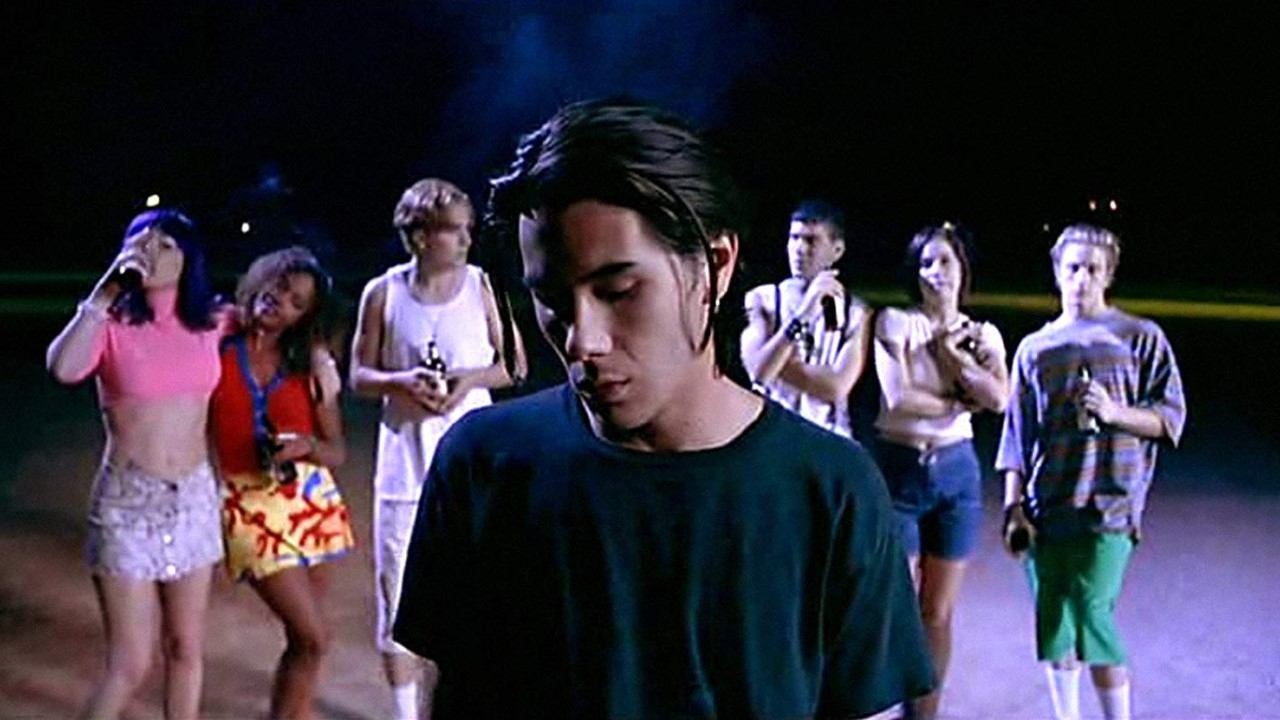
Acid-Wash Apocalypse
Forget narrative in the traditional sense. Nowhere, the concluding chapter of Araki’s loosely connected "Teen Apocalypse Trilogy" (following Totally F*ed Up (1993) and The Doom Generation (1995)), is more of a sensory assault, a sprawling, episodic plunge into the lives of disaffected, hyper-sexualized, chemically-altered teenagers drifting towards an ambiguous oblivion. At its centre is Dark (James Duval, the stoic face of Araki's 90s oeuvre), a sensitive soul navigating a landscape populated by his polyamorous girlfriend Mel (Rachel True, radiating charisma even amidst the chaos), the predatory Lucifer (Nathan Bexton), and a veritable galaxy of fleeting, often doomed, encounters. The plot, such as it is, follows Dark over 24 hours, witnessing breakups, hookups, violence, alien abductions, and evangelical doom-mongering, all filtered through a lens of profound detachment.
This detachment is key. Watching Nowhere back in the day, maybe on a rented VHS procured from the 'Indie' or 'Cult' section (if your local store was cool enough to even have it), felt like tapping into a frequency just slightly off from reality. It wasn't scary in the way a slasher film was scary; it was unsettling on a deeper, more existential level. The world Araki paints is one where consequence feels optional, where trauma is processed through a shrug or a hit from a Campbell's soup can pipe (a bizarrely iconic prop), and where the apocalypse might arrive not with a bang, but with the indifferent vaporisation of a minor character by a bug-eyed alien. Didn't that casual, almost nonchalant approach to the bizarre feel strangely prophetic of the decade's end?
Cameo Overload and DIY Aesthetics
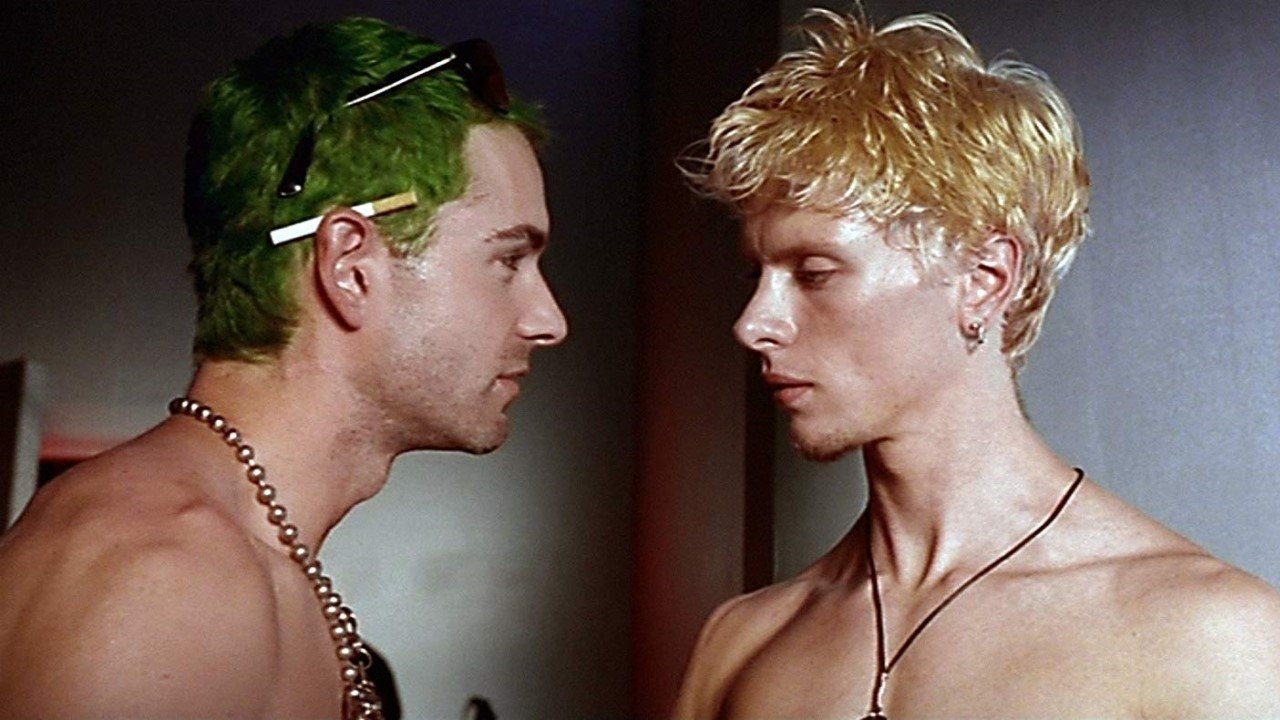
Part of Nowhere's strange allure is its absolutely stacked, blink-and-you'll-miss-them cast of familiar faces. Araki, operating with his trademark low-budget ingenuity (around $1 million), somehow wrangled brief appearances from a who's who of 90s TV and film: Shannen Doherty, Rose McGowan, Debi Mazar, Traci Lords, John Ritter, Ryan Phillippe, Heather Graham, Christina Applegate, Chiara Mastroianni… the list goes on. Legend has it many worked for scale or as favours, drawn to Araki's unique vision and counter-culture cred. These cameos aren't just stunt casting; they add to the film's hallucinatory quality, familiar faces drifting through this alien landscape like ghosts in the machine. Seeing John Ritter, America's beloved sitcom dad, as a fire-and-brimstone TV preacher felt particularly jarring and underscored the film's inversion of normalcy.
The film's visual style is inseparable from its budget constraints. The hyper-saturated lighting, the deliberately artificial sets drenched in primary colours, the sometimes crude-looking alien effects – it all contributes to a feeling of heightened, almost painful, reality. It’s punk rock filmmaking, spitting in the face of glossy Hollywood production values. This wasn't Spielberg; this was a transmission from the underground, raw and unapologetic. The soundtrack, a killer mixtape of 90s alternative, shoegaze, and industrial (Curve, Slowdive, Massive Attack, Marilyn Manson contributing music), isn't just background noise; it is the atmosphere – pulsing, melancholic, and occasionally aggressive.
A World Imploding
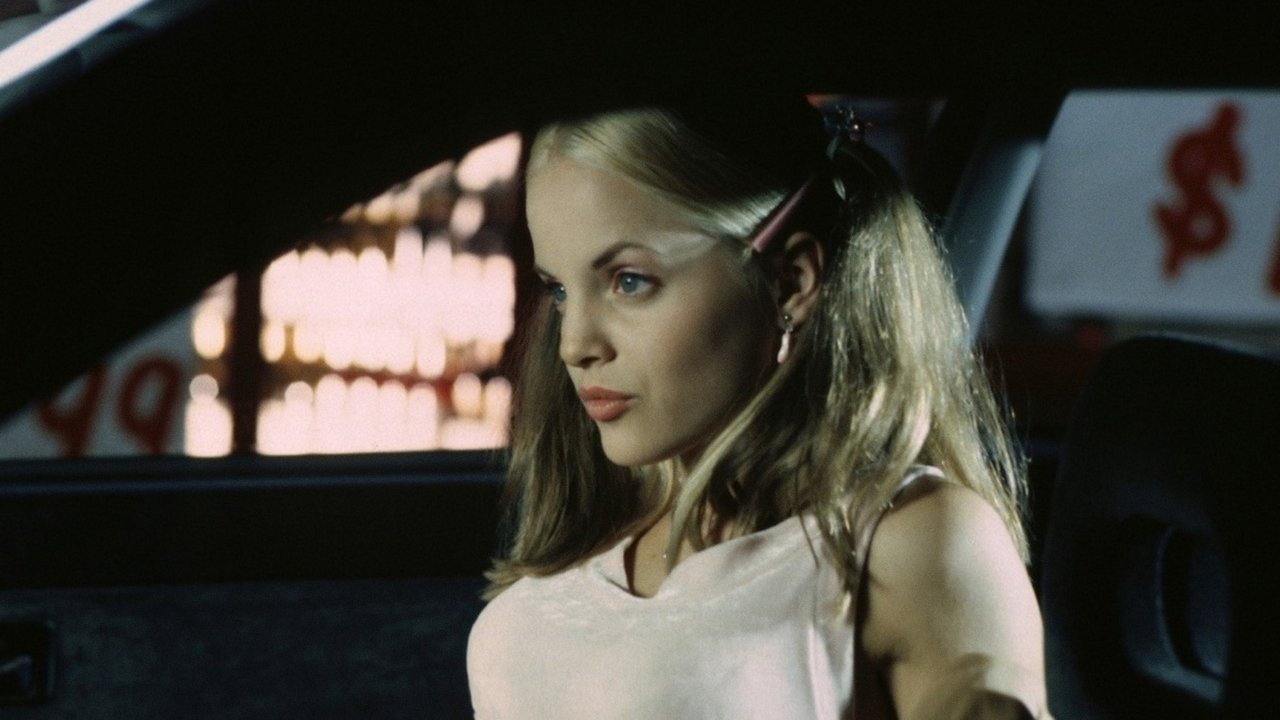
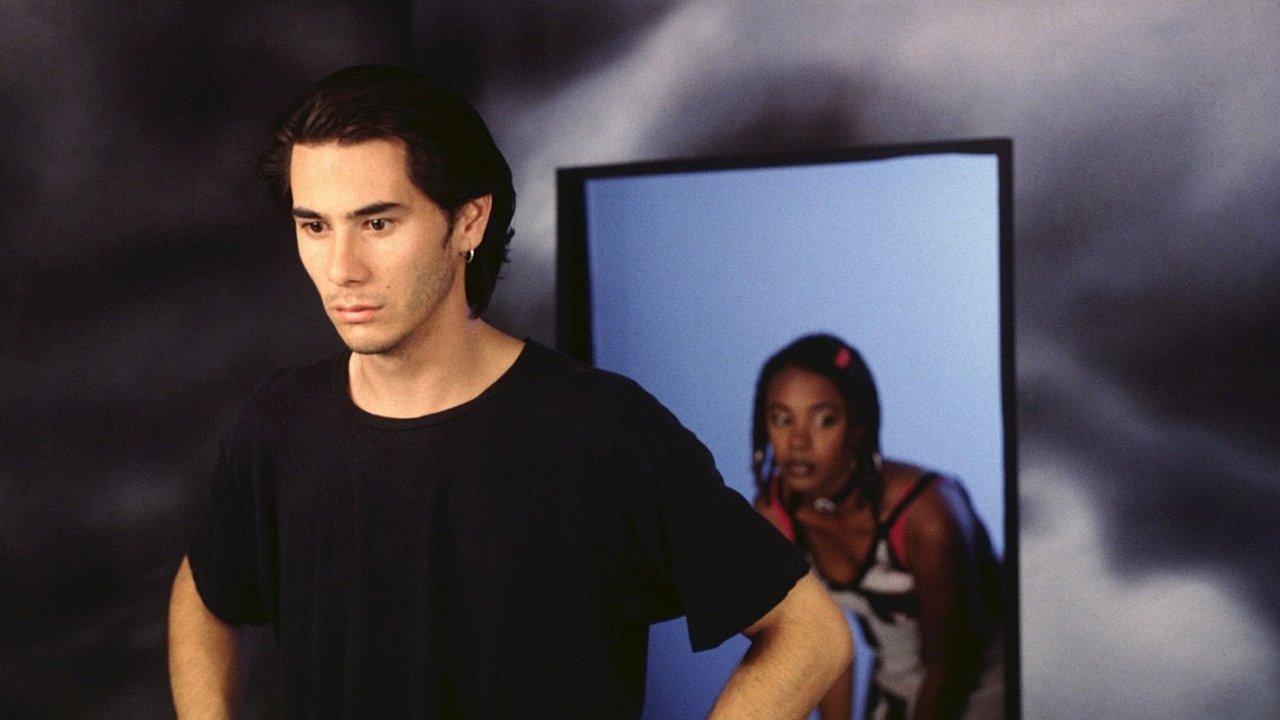
Beneath the shocking imagery – the infamous 'rapture' scene, the casual violence, the explicit sexuality that undoubtedly gave the MPAA fits – Nowhere taps into a very specific vein of late-millennium anxiety. It’s about the crushing weight of information overload, the commodification of everything (even rebellion), the search for connection in a disconnected world, and the looming sense that everything is about to fall apart. Araki doesn't offer easy answers or sympathetic characters in the traditional mould. Instead, he presents a Day-Glo nightmare, reflecting the anxieties of a generation raised on MTV, nascent internet culture, and the shadow of potential global catastrophe. Does that final, abrupt ending still hit you with the same sense of bewildering emptiness?
It’s a film that demands a certain tolerance for abrasion. Its nihilism can be overwhelming, its episodic nature occasionally frustrating, and its characters often intentionally off-putting. Yet, there's an undeniable energy, a defiant artistic vision that's hard to shake. It captures a specific moment in time, a specific feeling of being young, lost, and acutely aware of the absurdity surrounding you, amplified to a surreal extreme. It's not a comfortable watch, and was never meant to be. I distinctly remember the feeling after my first viewing, rented on a whim – a mixture of confusion, fascination, and a lingering sense of unease that stuck around long after the tape rewound.
Rating & Final Thought:
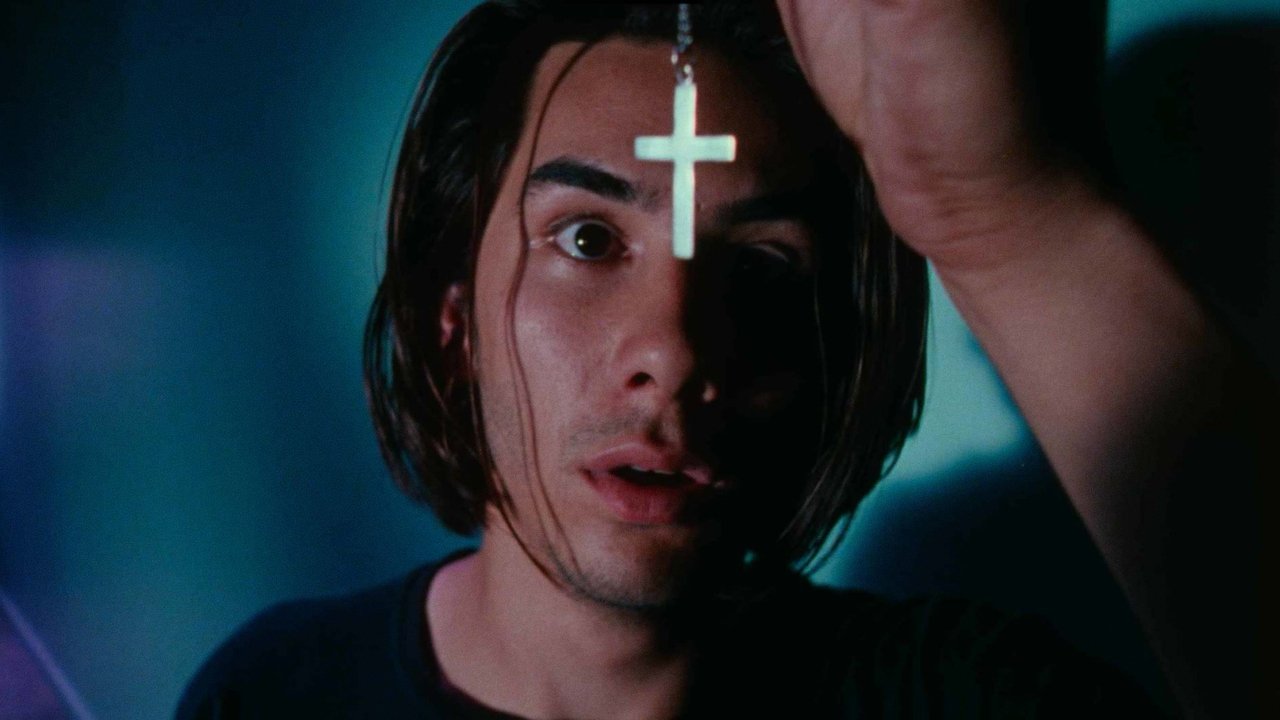
This is a tough one to score universally. For its audacious style, its unflinching capture of a certain 90s zeitgeist, and its enduring cult status as a piece of genuinely confrontational indie filmmaking, it scores high. For narrative coherence or relatable warmth, maybe not so much. But VHS Heaven isn't always about comfort viewing.
Rating: 7/10 – This score reflects its undeniable artistic vision, influential cult status, and perfectly captured (if extreme) snapshot of 90s angst and aesthetics, balanced against its deliberately abrasive nature and narrative fragmentation that won't connect with everyone. It succeeds powerfully in what it sets out to do, even if that goal is inherently divisive.
Nowhere remains a potent, hallucinatory cocktail of sex, drugs, aliens, and existential dread. It’s a film that feels like it could only have been made in the 90s, radiating a kind of beautiful, Day-Glo despair that still feels disturbingly relevant. It’s less a story, more a state of being – chaotic, overwhelming, and utterly unforgettable.