Okay, settle back into that comfy armchair, maybe grab a lukewarm soda left over from movie night, because today we're rewinding to a gentler, perhaps lesser-known gem from the twilight of the VHS era: Lucky and Zorba (1998). This wasn't your typical late-90s animation blockbuster, blasting onto screens with Hollywood bombast. No, this was something different, something distinctly European, carrying a quiet charm that might have slipped past you amidst the bigger releases, but trust me, it's a tape worth revisiting.
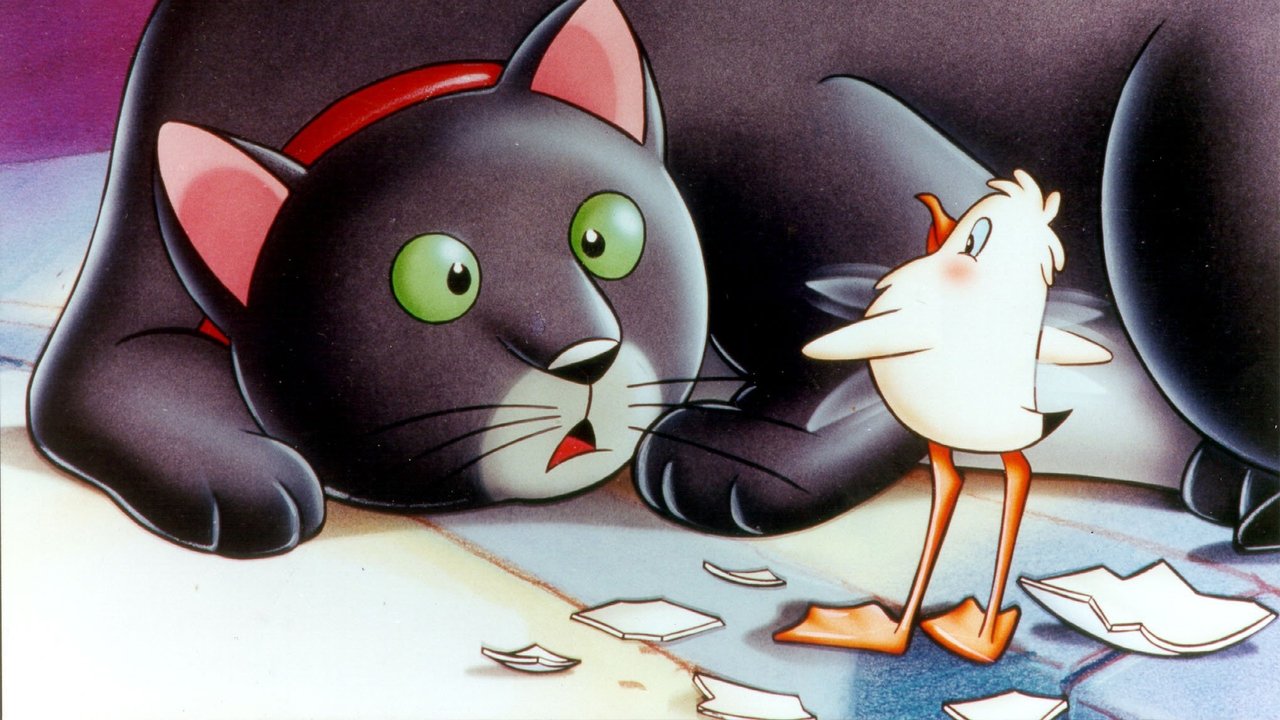
Born from the pages of a beautiful, poignant novella by the celebrated Chilean writer Luis Sepúlveda ("The Story of a Seagull and the Cat Who Taught Her to Fly"), this Italian production immediately sets itself apart. Sepúlveda himself even co-wrote the screenplay alongside director Enzo D'Alò and Umberto Marino, ensuring the film retained the heart and soul of his literary work. It’s a story brimming with unexpected friendships and profound lessons, all wrapped up in a distinctive hand-drawn animation style that feels like a warm hug compared to the slicker, often louder, offerings dominating the market at the time.
A Promise Kept in Hamburg's Harbour
The premise is beautifully simple yet surprisingly deep. Kengah, a seagull tragically caught in an oil slick (a sadly familiar image even then), uses her last moments to lay an egg on a balcony in Hamburg. She entrusts it to the bewildered but honourable tomcat Zorba, voiced with wonderful warmth and gruffness by the legendary Italian comedian and actor Carlo Verdone. Kengah extracts three solemn promises from Zorba: don't eat the egg, care for the chick when it hatches, and – the most daunting of all – teach it to fly.
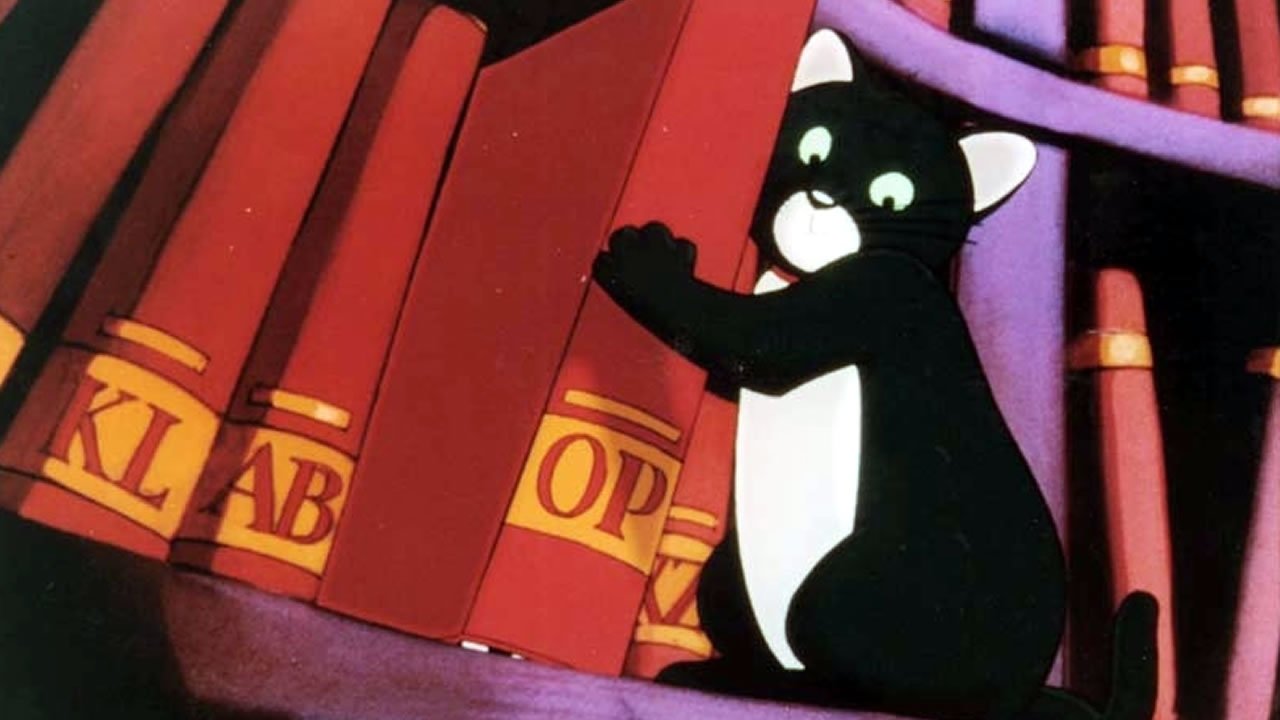
What follows is a genuinely touching story about found family and overcoming differences. Zorba, initially clueless about parenting a bird, rallies his diverse feline crew – including the resourceful Colonel (voiced by another Italian screen favourite, Antonio Albanese) and the knowledgeable Einstein – to help raise the little seagull, whom they affectionately name "Lucky" (Fortunata in the original Italian). The film delicately explores themes of prejudice (the other cats initially mock Zorba's charge), responsibility, environmentalism (the oil slick is a stark reminder of human impact), and the courage it takes to embrace who you truly are.
That Hand-Drawn European Charm
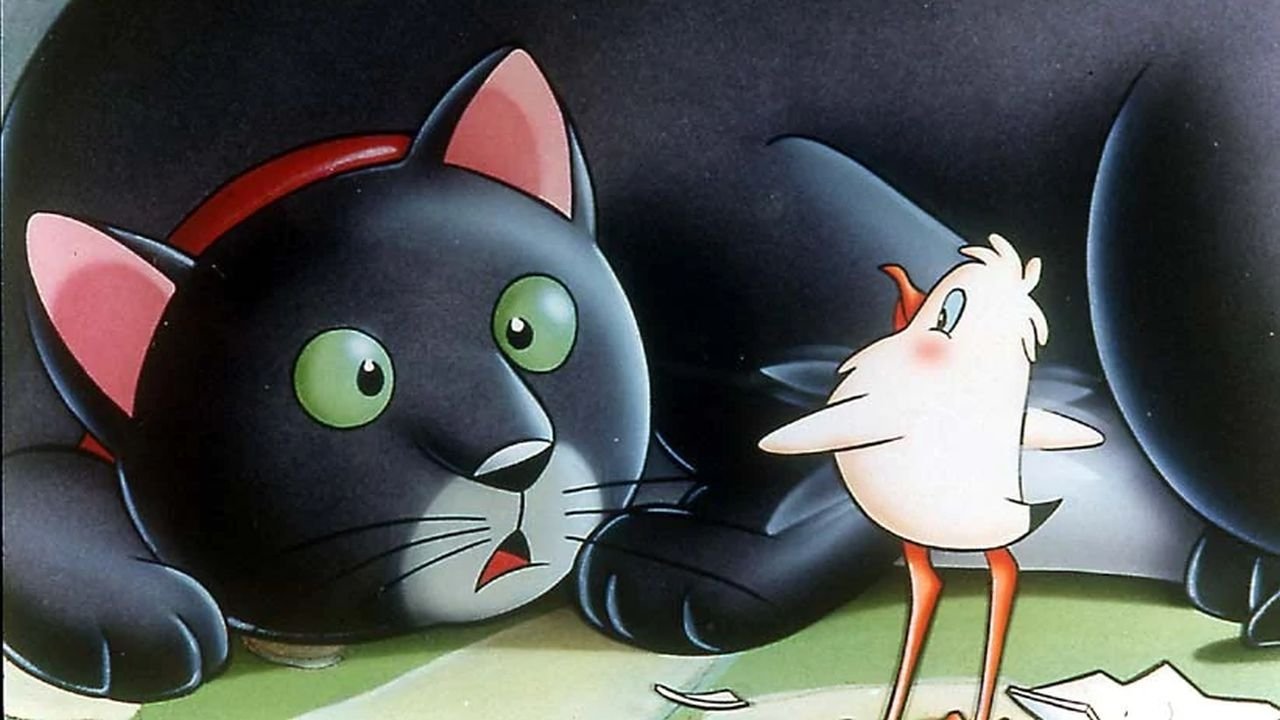
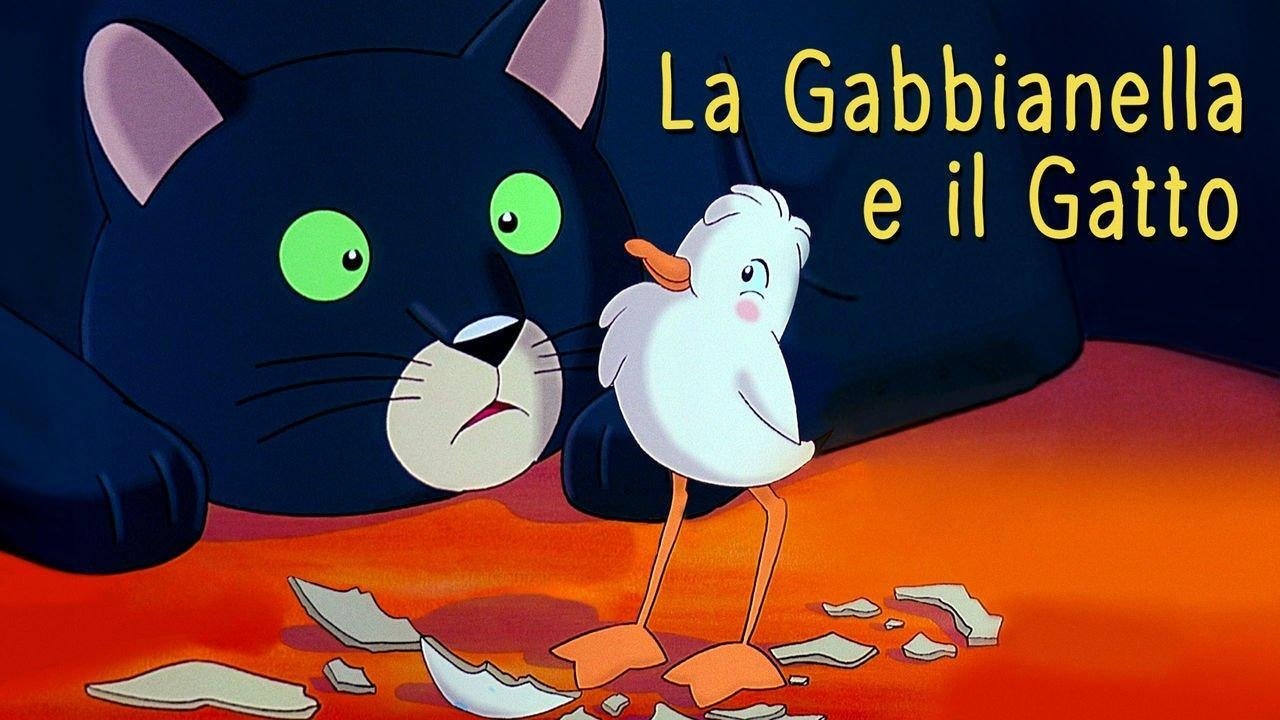
Visually, Lucky and Zorba is a breath of fresh air. Enzo D'Alò, who would continue to carve a niche in European animation, directs with a gentle hand. The animation isn't aiming for Disney fluidity or hyper-realism; instead, it possesses a storybook quality. The character designs are endearing, the backgrounds of Hamburg harbour are rendered with a lovely, slightly melancholic atmosphere, and the overall aesthetic feels handcrafted and personal. It’s the kind of animation that feels comforting, like looking at illustrations from a cherished childhood book. It might seem simple compared to today's CGI marvels, but there's an undeniable artistry and heart in its traditional 2D approach.
The score by David Rhodes (long-time collaborator with Peter Gabriel) perfectly complements the mood, shifting from playful tunes during the cats' antics to more poignant melodies reflecting Lucky's struggles and Kengah's tragic fate. It never overwhelms the story, instead subtly enhancing the emotional beats.
A Purr-fect Italian Success Story
Here's a fun fact that might surprise those who only encountered this film via a perhaps slightly worn rental tape: Lucky and Zorba was a massive hit in its native Italy. Released around Christmas 1998, it reportedly outgrossed Disney's Mulan at the Italian box office that year, becoming one of the country's most successful animated features ever. It clearly struck a chord with audiences there, proving that heartfelt storytelling and unique charm could compete with the giants. Its success cemented Enzo D'Alò's reputation and showcased the potential of European animation on the big screen.
The voice acting in the original Italian version is a huge part of its appeal, featuring A-list talent like Verdone and Albanese. While English dubs exist (often featuring Melba Ruffo di Calabria as Bubulina), tracking down the original Italian version with subtitles can offer a richer experience, letting you appreciate the nuances brought by performers deeply ingrained in Italian comedic and dramatic traditions.
Why It Still Flies High
Watching Lucky and Zorba today feels like rediscovering a quiet treasure. It lacks the frantic pacing and pop-culture gags that often defined Western animation of the period, opting instead for thoughtful character development and emotional resonance. The central relationship between Zorba and Lucky is beautifully realised – a testament to the idea that love and family can bloom in the most unexpected circumstances.
Sure, the animation might not dazzle in the way a Pixar film does, and the pacing is definitely more European arthouse than Hollywood blockbuster. But its sincerity is undeniable. It’s a film that champions kindness, celebrates diversity, and ultimately inspires hope. The final act, where the cats must find a way to help Lucky embrace her destiny, is genuinely uplifting without feeling saccharine. Remember how desperate Lucky was to learn, and how Zorba, despite being a cat, never gave up on his promise? That core message sticks with you.
VHS Heaven Rating: 8/10
This rating reflects the film's immense heart, its charming and distinctive animation style, and its wonderfully gentle storytelling rooted in a beautiful piece of literature. It earns points for its strong voice cast (especially the Italian original), its touching themes, and its status as a significant European animated success. It might lose a couple of points for those seeking high-octane action or cutting-edge visuals, as its deliberate pacing and traditional animation are very much of their time and place. However, for its target audience and its emotional impact, it’s a high flyer.
Lucky and Zorba is more than just a cartoon; it's a warm, wise fable that reminds us that even across the greatest divides, compassion and courage can help us all find our wings. A lovely little piece of late-90s animation history well worth seeking out.