The desert wind carries whispers the Tall Man doesn't want you to hear. Dust devils dance across cracked earth, mirroring the swirling confusion that has always been the heart of the Phantasm saga. By the time Phantasm IV: Oblivion flickered onto screens (mostly television screens, let's be honest) in 1998, the dream logic had become a waking nightmare, less about jump scares and more about an encroaching, existential dread. This wasn't just another sequel; it felt like digging through discarded memories, piecing together fragments under a dying sun.
Echoes in the Wasteland
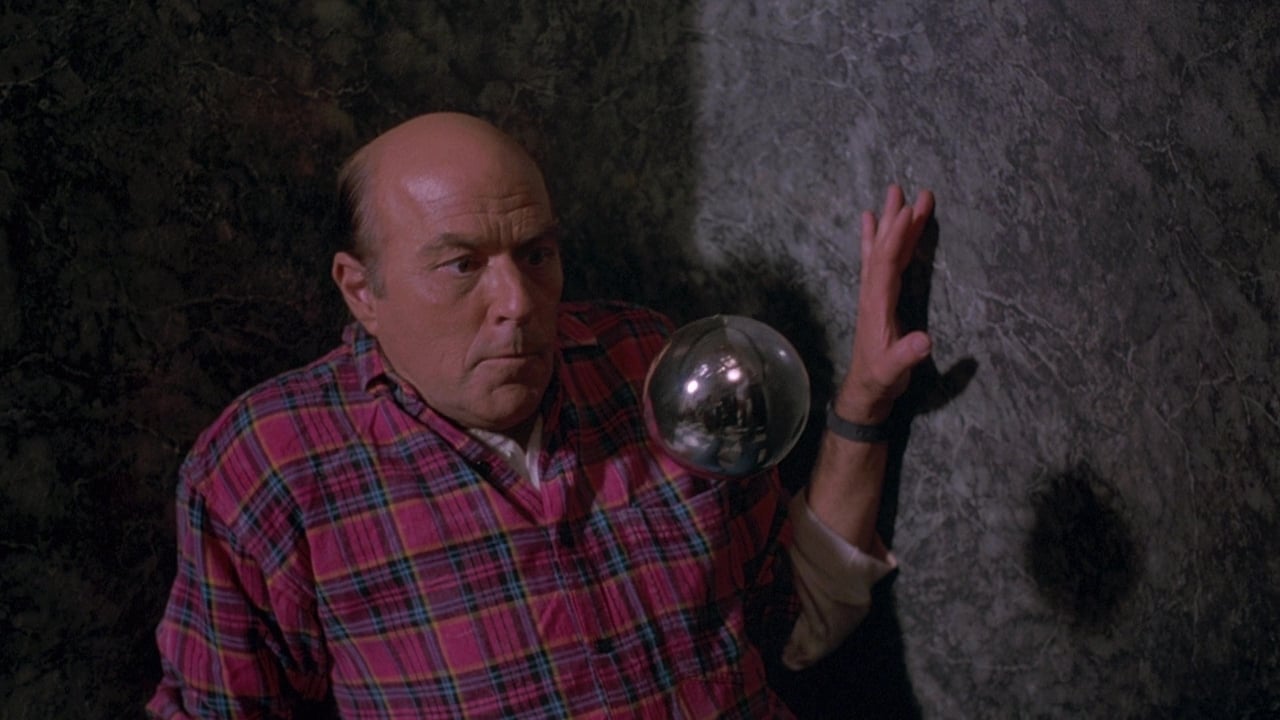
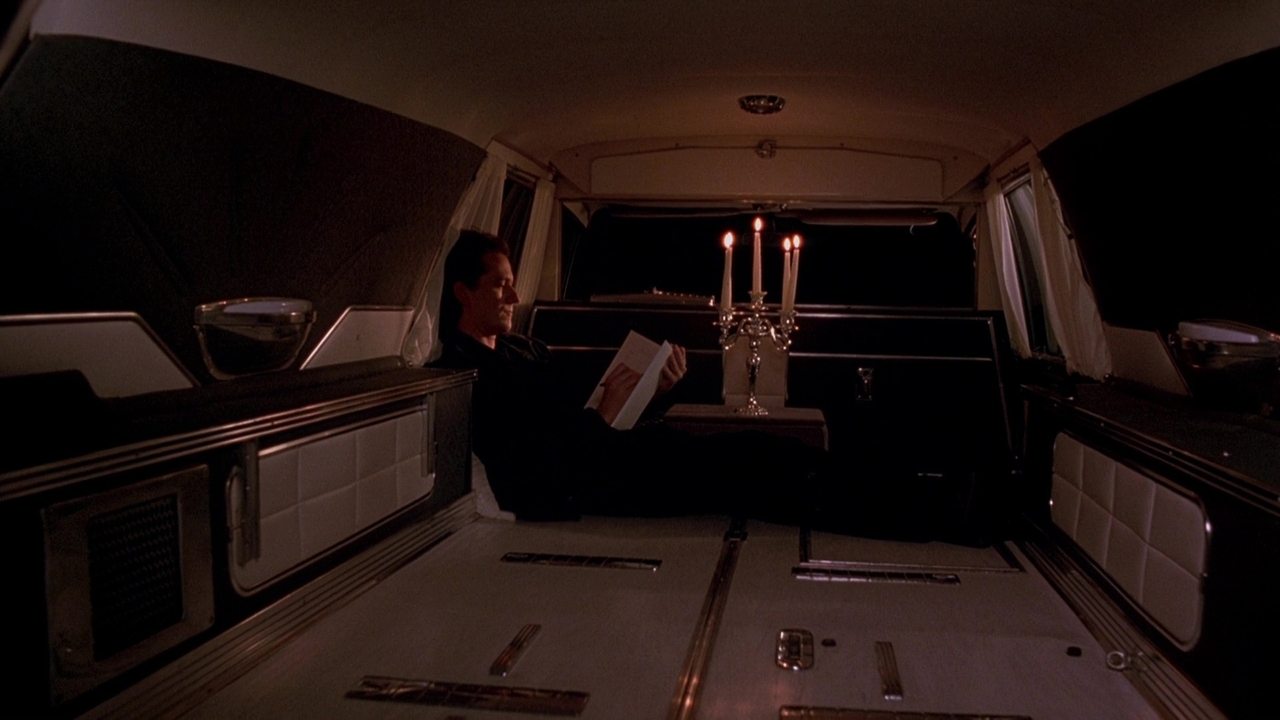
Picking up directly after the ambiguous cliffhanger of Phantasm III: Lord of the Dead (1994), Oblivion finds Mike Pearson (A. Michael Baldwin) wandering the desolate landscapes, seemingly abandoned by his loyal friend Reggie. But this is Phantasm, and linearity is a luxury the Tall Man rarely affords. The narrative fractures, jumping between Mike's solitary journey, Reggie's (Reggie Bannister) relentless pursuit armed with his trusty quad-barrel shotgun, and flashbacks that peel back layers of the enigma – including glimpses into the Tall Man's origins. Director Don Coscarelli, ever the resourceful auteur, famously constructed much of Oblivion using unused footage shot years earlier, primarily during the making of the original Phantasm (1979). This wasn't just recycling; it was cinematic archaeology, giving the film a uniquely fractured, haunted quality. Scenes of a younger Mike and Jody (Bill Thornbury) feel like ghosts flickering at the edge of perception, reinforcing the series' core themes of memory, loss, and the porous boundary between realities.
The Weight of the Worlds
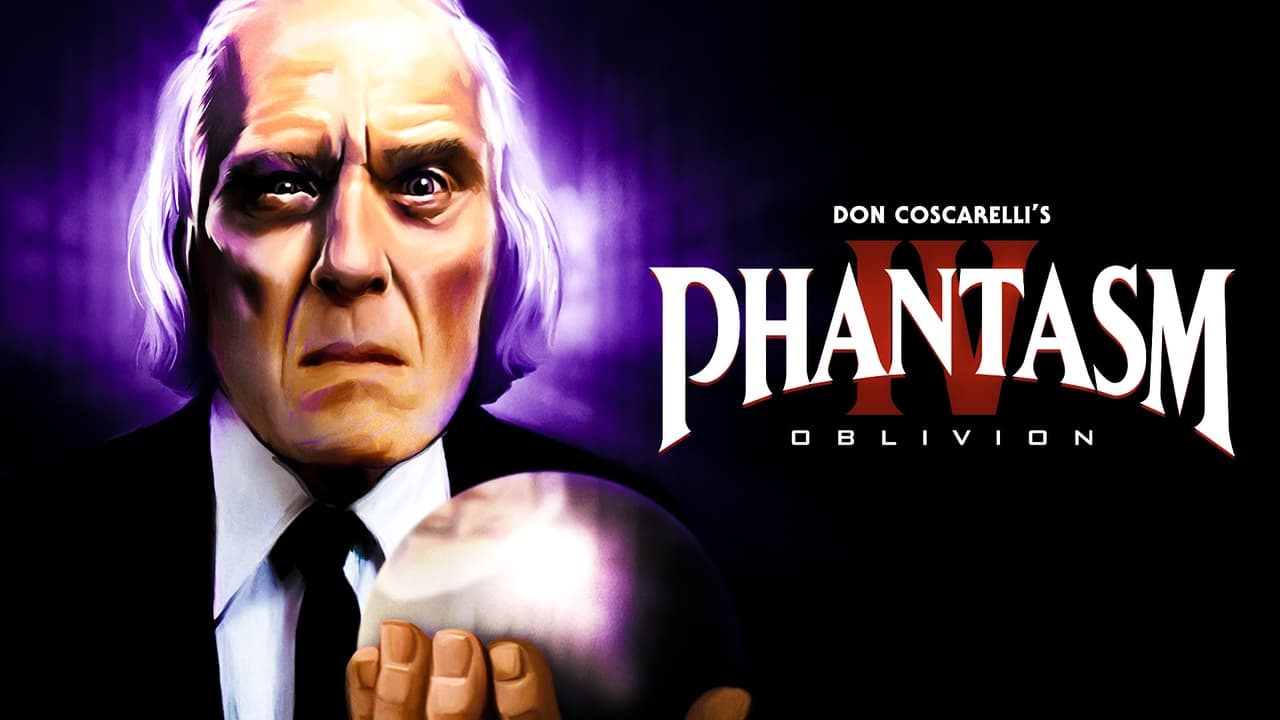
What Oblivion lacks in the gonzo action set-pieces of its immediate predecessor, it attempts to make up for in atmosphere and character introspection. Reggie Bannister, as always, is the soul of the series. His weariness is palpable here; the receding hairline, the tired eyes, the unwavering loyalty that keeps him pushing forward against impossible odds. He’s the anchor in a sea of temporal distortions and interdimensional threats. We see Mike wrestling with the changes within himself, the golden sphere lodged in his head not just a physical ailment but a symbol of his unwanted connection to the enemy. The quiet moments between Mike and the spectral presence of Jody resonate, exploring the grief that has fueled Mike's journey from the very beginning. Did anyone else feel that pang of sadness watching those salvaged scenes, knowing the history behind them? It adds a layer of meta-narrative poignancy few horror sequels achieve, intentionally or not.
Stitching Together the Nightmare
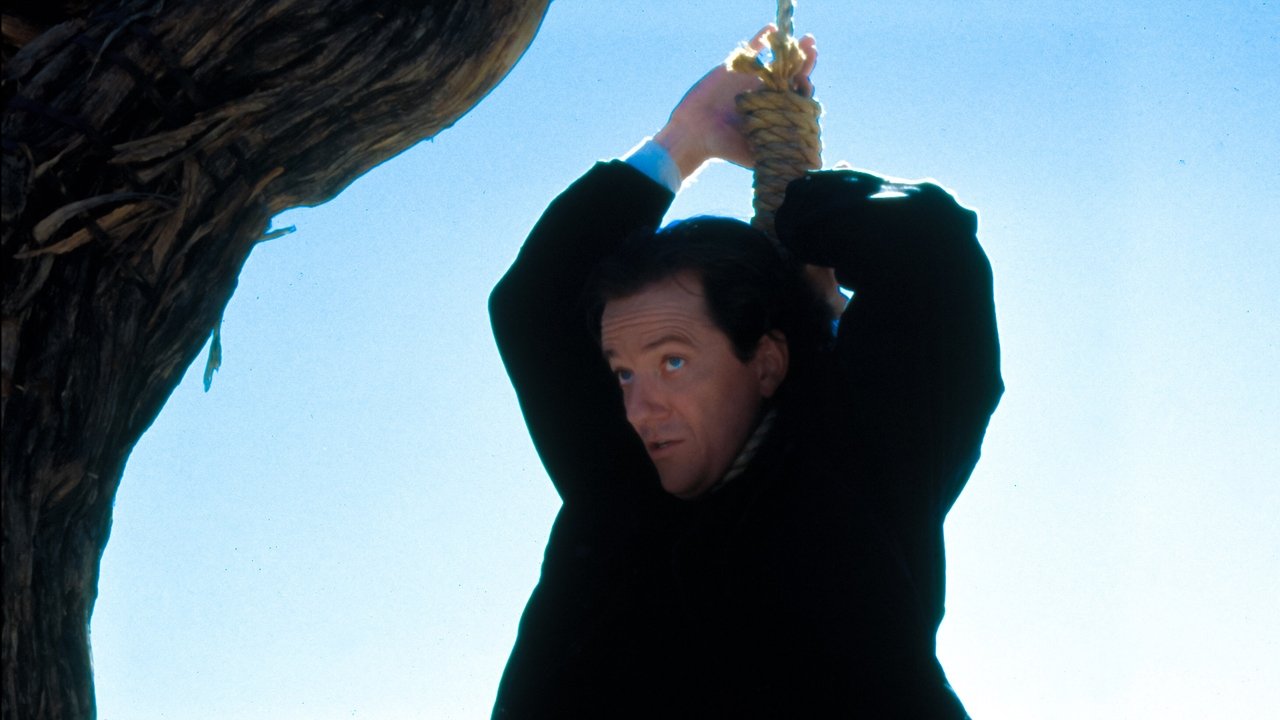
The film's production history is inseparable from its final form. Made for a mere $650,000, Coscarelli stretched every dollar, utilizing the stark beauty of locations like Death Valley to stand in for alien dimensions and desolate futures. The integration of the older footage, particularly the sequences exploring the Tall Man's human past as Jebediah Morningside and a surreal Civil War interlude, is both ambitious and occasionally jarring. You can almost see the seams where different eras of filmmaking collide. Some found footage, originally intended for a more epic, unrealized Phantasm film involving crossing through the dimensional fork, was repurposed here. It speaks volumes about Coscarelli’s dedication to his singular vision, even when faced with significant constraints. The practical effects, while limited by the budget, retain that signature Phantasm charm – the spheres still deadly, the Lurkers still unnerving, even if they don't quite reach the visceral impact of the earlier films.
Unraveling the Enigma (Or Deepening It)
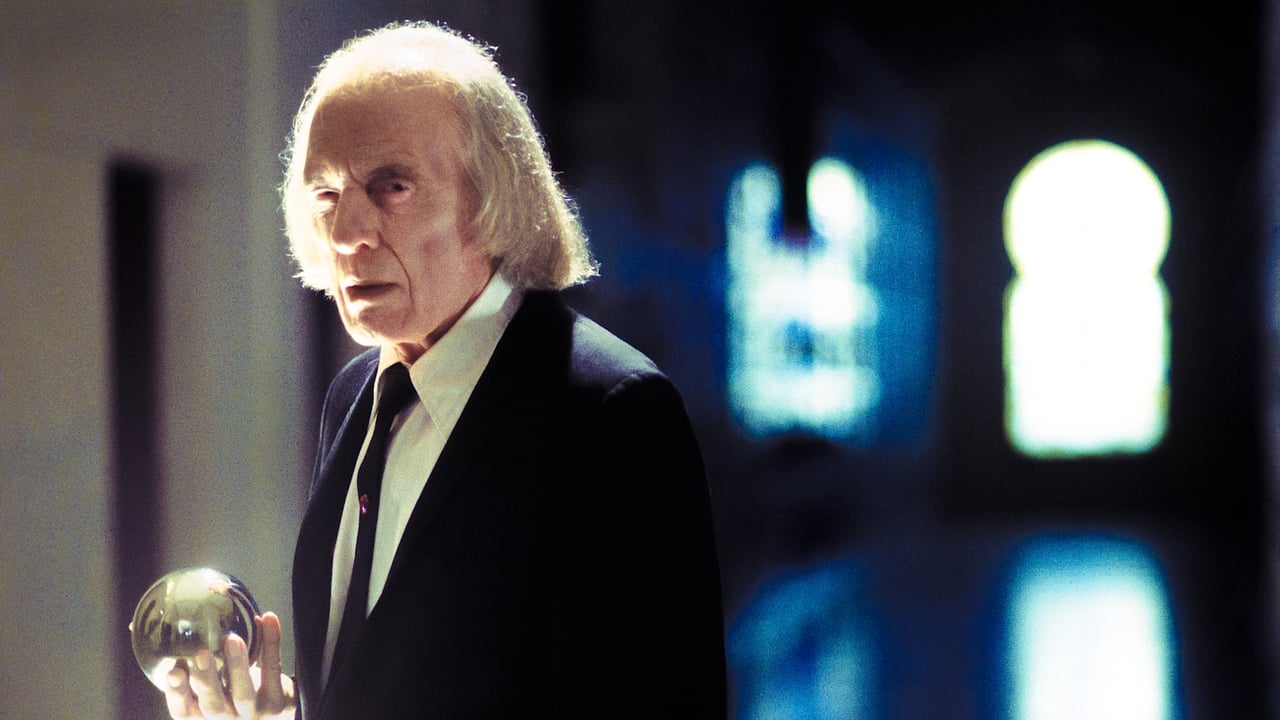
Oblivion dares to touch the third rail of horror villains: the origin story. The glimpses into Jebediah Morningside's transformation into the towering, dimension-hopping mortician (Angus Scrimm, forever iconic) are fascinating, adding shades of tragedy and scientific curiosity to his terrifying persona. Does it demystify him too much? For some, perhaps. But it feels less like a definitive explanation and more like another layer of the dream, another potential reality folding in on itself. Scrimm, even with limited screen time, exudes that chilling presence, his pronouncements still carrying the weight of cosmic indifference. The film doesn't offer easy answers; instead, it poses more questions, doubling down on the ambiguity that has kept fans debating theories in dimly lit video stores and online forums for decades.
Final Transmission from the Mausoleum
Phantasm IV: Oblivion is a strange beast, even within its own bizarre family. It's contemplative where its predecessors were often frantic, more interested in mood and mystery than conventional horror beats. Its piecemeal construction gives it a fragmented, dreamlike quality that is both a strength and a weakness. Some fans found it slow, confusing, or anticlimactic, yearning for the more straightforward action of II or III. Others embraced its atmospheric dread, its focus on the core characters, and its bold attempt to expand the lore using whatever means necessary. It feels like a deeply personal film for Coscarelli, a meditation on the themes and characters that had occupied his creative life for nearly two decades. It may not be the strongest entry, but it’s undeniably Phantasm – weird, haunting, and utterly unique. It was, for many years, the final word, leaving us stranded in that uncertain landscape alongside Mike and Reggie.
Rating: 6/10
Justification: While hampered by its visible budget constraints and reliance on repurposed footage (leading to some pacing issues and narrative fragmentation), Oblivion scores points for its thick atmosphere, its commitment to the series' unique mythology, Reggie Bannister's ever-reliable presence, and its courageous, if not entirely successful, attempt to delve into the Tall Man's origins. It lacks the visceral punch of earlier entries but offers a different, more melancholic kind of horror experience that resonates with the series' core themes of loss and fractured reality. It’s a flawed but fascinating piece of the puzzle.
For seventeen long years, this was the unresolved chord hanging in the air, a testament to low-budget ingenuity and the enduring power of a nightmare shared across dimensions and videotapes. BOY!