Alright, rewind your minds with me. Picture this: it’s the early 90s, you’re wandering the aisles of the local video store, fluorescent lights humming overhead, the scent of popcorn and plastic tape casings in the air. Your eyes scan the action and horror sections, past the big-budget blowouts, and land on that cover. Dollman. Demonic Toys. Together. The sheer audacity! It’s a premise so gloriously unhinged, so quintessentially direct-to-video, you just had to know. Dollman vs. Demonic Toys wasn't just a movie; it felt like a dare, a glorious collision of low-budget universes beamed straight into your VCR.

The Ultimate Pint-Sized Throwdown
Forget Alien vs. Predator for a moment; this 1993 gem from the master of miniature mayhem, Charles Band, offered a showdown for the ages, albeit on a much smaller, weirder scale. We catch up with Brick Bardo (Tim Thomerson), the toughest 13-inch cop from the planet Arturos, still stranded on Earth after the events of Dollman (1991). Meanwhile, Judith Grey (Melissa Behr), a tough cop herself investigating strange happenings at the sinister Toyland Warehouse, finds herself stalked by the titular playthings from Hell, familiar faces from Demonic Toys (1992). Add Nurse Ginger (Tracy Scoggins, who audiences might remember from the equally bizarre Band production Bad Channels (1992)), shrunk down by aliens (don't ask, just roll with it), and you have the ingredients for… well, this.
Charles Band's Miniature Empire

You can't talk about this film without tipping your hat to Charles Band and his Full Moon Entertainment empire. Band wasn't just making movies; he was building a brand, a recognizable stable of oddball characters and concepts churned out efficiently for the booming home video market. Dollman vs. Demonic Toys exemplifies this – a quick, thrifty crossover designed to leverage existing properties and give fans more of what they, apparently, craved. These films were often shot quickly and on tight budgets, a fact sometimes delightfully obvious on screen. Legend has it that the entire concept was greenlit and rushed into production precisely because it could reuse existing props and Bardo's established scale challenges, saving precious pennies. It’s B-movie economics at its finest!
Embracing the Practical Charm
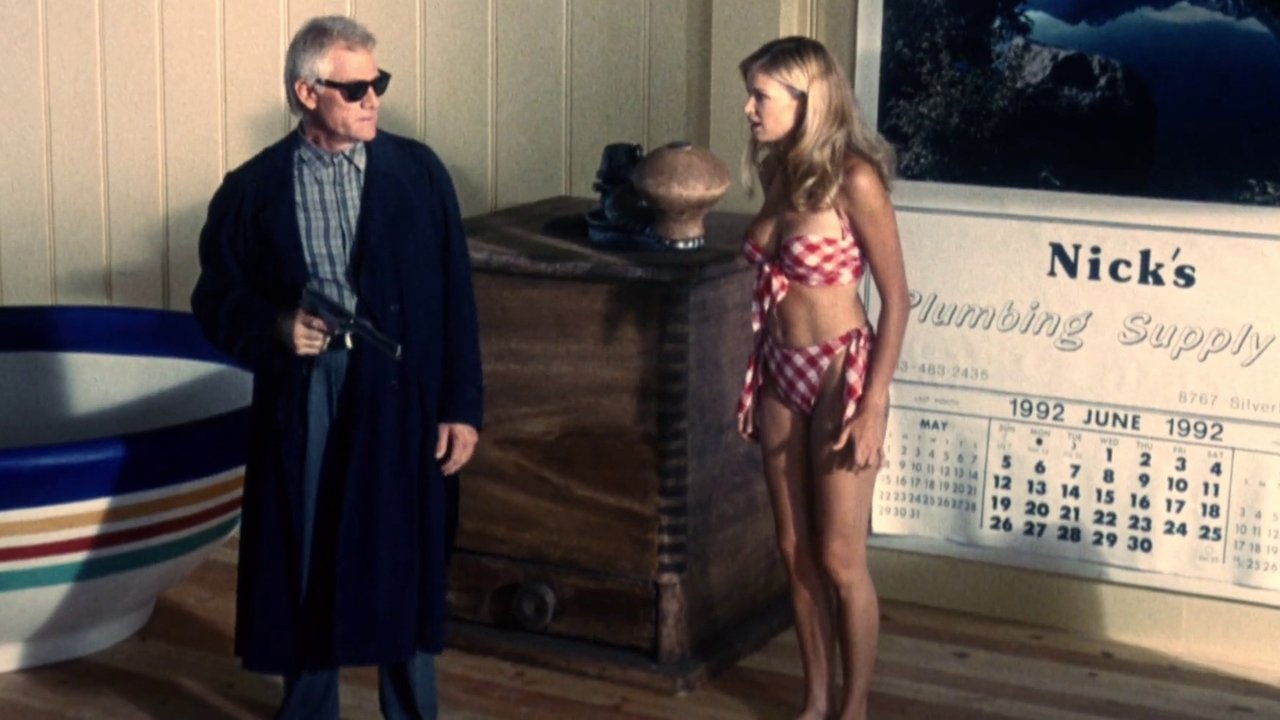
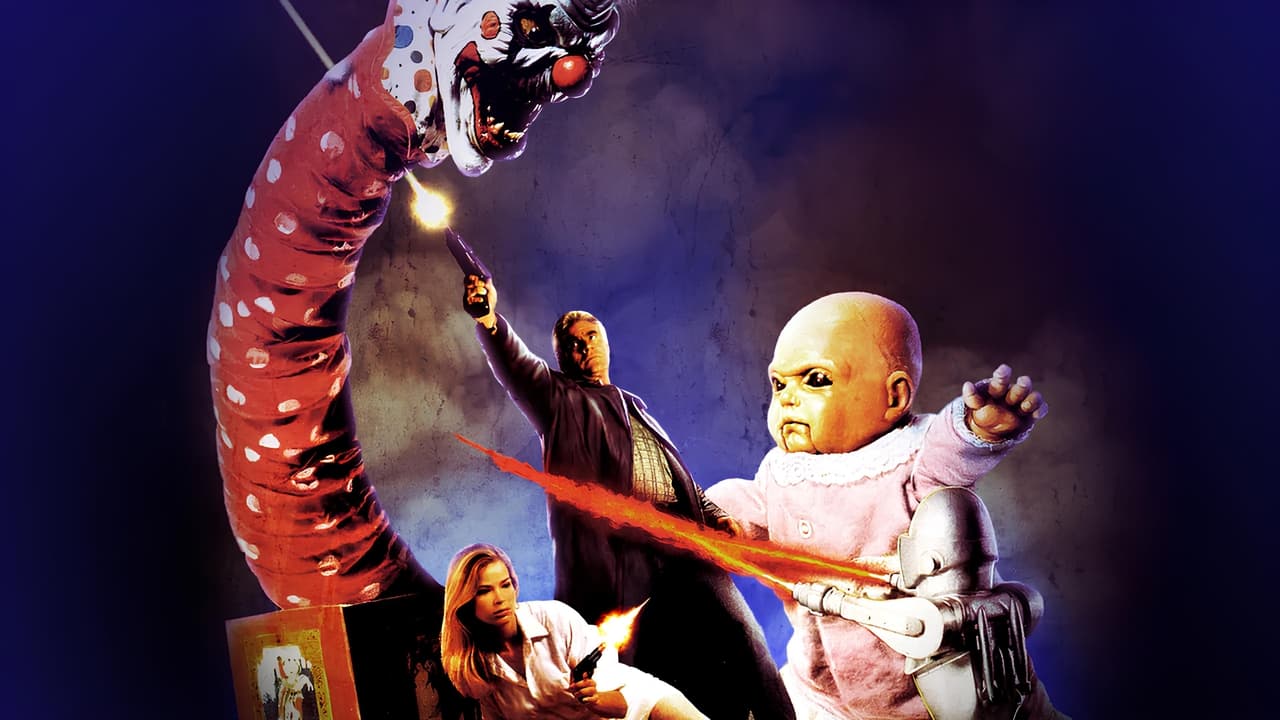
Let's talk action, because even in miniature, this flick tries its best. Remember Brick Bardo's oversized handgun? Seeing that thing blast away possessed toys like Baby Oopsie Daisy and Jack Attack had a certain raw appeal. The effects are pure, unadulterated 90s practical work. We're talking forced perspective shots to make Tim Thomerson look small, puppetry and stop-motion for the toys that possess a jerky, tangible malevolence, and maybe the occasional visible wire if you squinted hard enough on that fuzzy CRT screen. Was it seamless? Absolutely not. But did it have character? You bet. There's an undeniable charm to seeing actual, physical objects interacting, battling it out on screen, however crudely animated. Compare that to today's often weightless CGI – these demonic toys felt like they could actually cut you, even if they looked like they were operated by fishing line just off-camera. Wasn't there something thrilling about seeing those practically achieved bullet hits spark off the possessed Jack-in-the-box?
Thomerson: The Tiny Titan of Toughness
Tim Thomerson is Brick Bardo. His perpetually grumpy, hard-boiled delivery grounds the absurdity. He plays it completely straight, a tiny Eastwood growling threats at evil dolls, and it’s magnificent. Thomerson, a familiar face from genre classics like Trancers (another Charles Band staple), brings a weary professionalism that sells the ridiculousness far better than it has any right to. Tracy Scoggins brings pluck as the equally miniaturized Ginger, and Melissa Behr holds her own as the bewildered human caught in the middle. It's not Shakespeare, folks, but everyone seems gamely committed to the bonkers material.
More Than Meets the Eye (If You Don't Look Too Close)
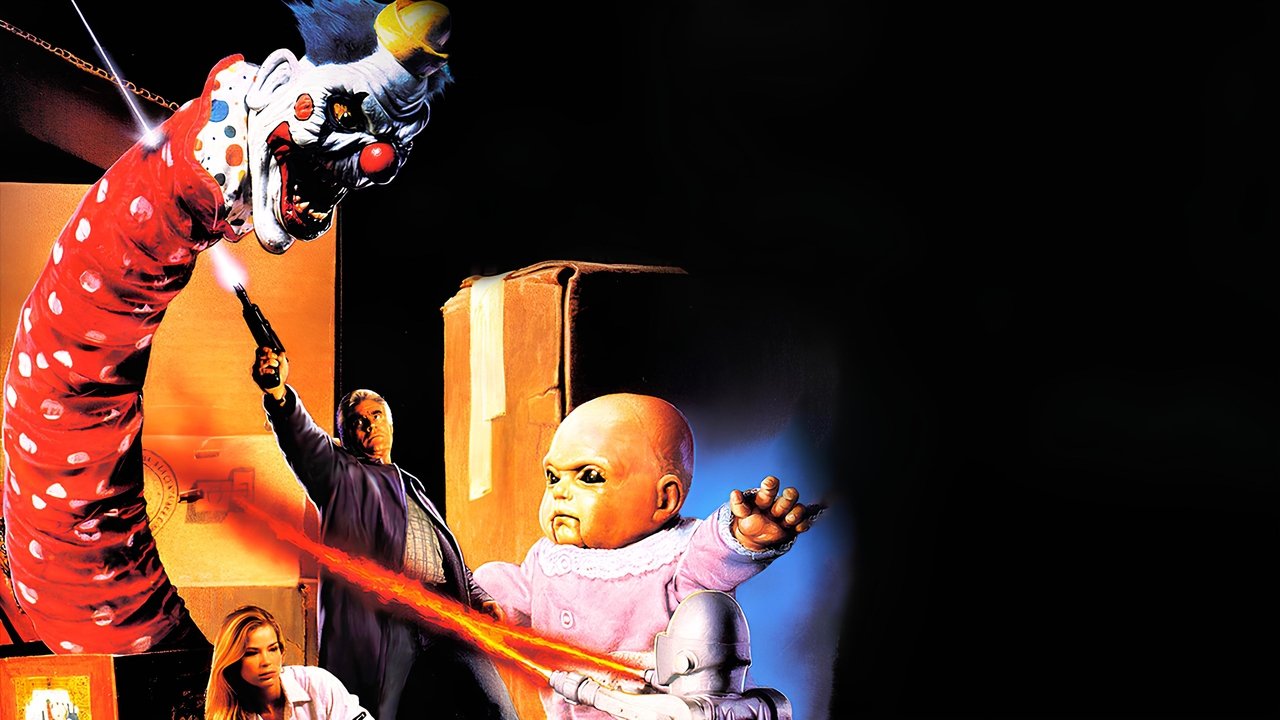
The plot, naturally, is tissue-thin – get the humans, stop the toys, maybe find a way back to normal size (or planet). But the joy isn't in intricate plotting; it's in the spectacle of the clash. It's in watching Bardo strategize against foes who are, for once, closer to his own scale. It’s in the sheer novelty of the crossover, a tactic Band would continue to employ in his direct-to-video universe. This wasn't a critical darling, obviously. It landed squarely in the video stores, likely rented countless times based purely on its wild premise and eye-catching box art, finding its audience among late-night viewers and genre hounds looking for something entertainingly different. It embodies that era where shelf appeal and a crazy concept could guarantee rentals, regardless of mainstream reviews.
The Verdict
Dollman vs. Demonic Toys is undeniably cheap, cheerful, and utterly ridiculous. It's hampered by its budget, the effects are dated, and the story is pure B-movie fluff. And yet… there’s an infectious energy to it, a commitment to its own weird world that’s hard to dislike if you're in the right mood. It’s a time capsule of early 90s direct-to-video ambition and the specific, charming brand of schlock that Full Moon perfected.
Rating: 5/10 - This score reflects its status as a prime slice of Full Moon crossover silliness. It achieves exactly what it sets out to do: provide low-budget, high-concept, practical-effects-driven entertainment for fans of its constituent parts. It's not traditionally "good," but for connoisseurs of the weird and the wonderful world of VHS B-movies, it delivers a specific, goofy fun that’s hard to replicate.
Final Thought: It's the kind of glorious nonsense that could only thrive in the Wild West of the VHS era – a tiny titan versus tiny terrors, proving that sometimes, the most memorable battles come in the smallest packages.